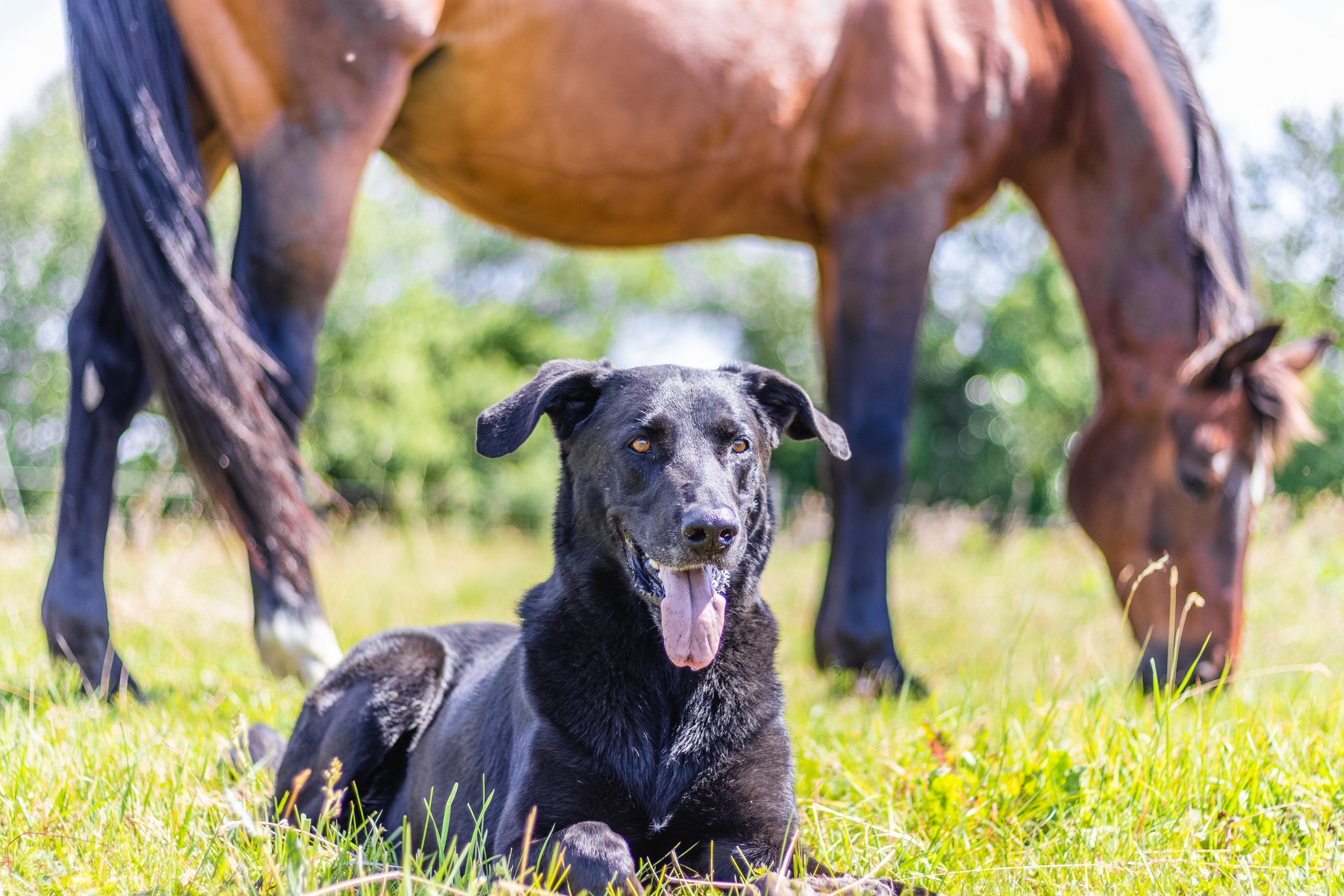
Neosporosis is a parasitic infection in dogs caused by Neospora caninum, often contracted through contaminated raw meat or contact with infected animal feces. Symptoms include muscle weakness, paralysis, and neurological issues, especially in puppies. Treatment typically involves antiparasitic medications prescribed by a veterinarian, and early diagnosis significantly improves outcomes.
When your dog starts showing signs of muscle weakness, difficulty walking, or unexplained neurological symptoms, it can be alarming. One condition that deserves attention — especially for dogs raised on homesteads or in rural environments — is neosporosis. This parasitic disease, caused by the protozoan Neospora caninum, is more common than many pet owners realize, and understanding it can make a real difference in your dog’s health and recovery.
Neosporosis is particularly concerning for puppies and young dogs, whose immune systems are still developing and who may be more exposed to the parasite through their environment. On farms and homesteads, dogs often have greater access to raw meat, livestock birthing materials, and areas where infected wildlife may have been. This makes awareness of neosporosis especially relevant for the homesteading community, where dogs frequently serve as working companions and family members.
The good news is that when caught early, neosporosis is treatable. Veterinarians have established protocols using antiparasitic medications that can stop the progression of the disease and, in many cases, lead to significant recovery. The key is knowing what to look for, acting quickly when symptoms appear, and taking preventive steps to reduce your dog’s exposure in the first place. This guide walks you through the symptoms, treatment process, and practical steps you can take to protect your dog — whether they’re a farm dog, a family pet, or both.
How to Respond to Neosporosis in Dogs: A Step-by-Step Guide
Recognize the early warning signs
Watch for hind limb weakness, stiffness, or difficulty rising from a lying position, particularly in puppies under six months. Other early signs include muscle atrophy, trouble swallowing, and skin lesions. Neurological symptoms like seizures or paralysis can develop rapidly if the infection goes untreated, so early recognition is critical.
Contact your veterinarian immediately
As soon as you notice any combination of these symptoms, call your vet and describe what you are seeing in detail. Neosporosis can progress quickly, especially in young or immunocompromised dogs. Your vet will want to examine your dog promptly and may recommend same-day testing to rule out or confirm the diagnosis.
Undergo diagnostic testing
Your veterinarian will likely run blood tests, including a serology panel to detect antibodies against Neospora caninum. In some cases, cerebrospinal fluid analysis or muscle biopsies may be recommended to confirm the diagnosis and assess the extent of the infection. Imaging such as X-rays or MRI may also be used to evaluate neurological involvement.
Begin prescribed antiparasitic treatment
The most commonly prescribed treatment is a combination of clindamycin, trimethoprim-sulfonamide, or pyrimethamine, depending on your vet’s assessment. Treatment courses typically last four to six weeks and must be completed in full even if your dog appears to improve. Never adjust dosages or stop medication early without veterinary guidance.
Support your dog’s recovery at home
Provide a clean, comfortable, low-stress environment where your dog can rest and recover. Dogs with mobility issues may need help moving around, padded bedding to prevent pressure sores, and assistance with eating and drinking. Follow-up vet appointments are essential to monitor progress and adjust treatment if needed.
Identify and eliminate exposure sources
Work with your vet to determine how your dog may have been exposed — common sources include raw or undercooked beef, contact with infected cattle placentas, or fecal contamination in the environment. Remove or restrict access to these sources immediately. If you have livestock, consult your vet about testing other animals on your property.
Implement preventive practices going forward
Avoid feeding dogs raw or undercooked meat, especially beef. Keep dogs away from areas where cattle have given birth, and properly dispose of placental material. Maintain clean water sources and reduce contact with wildlife feces. Regular veterinary wellness visits help catch any recurring or new health issues early.
- Keep a simple health journal for your dog noting any changes in gait, appetite, or behavior — early neurological changes in neosporosis can be subtle and easy to dismiss.
- If you raise cattle or other livestock, ask your vet about testing your herd for Neospora caninum, as dogs can be reinfected through ongoing contact with infected animals on the property.
- Dogs on working homesteads should have a baseline wellness exam at least twice yearly so your vet has reference data if symptoms develop — this makes diagnostic comparisons far more accurate.
What to Look For in Dog Health Monitoring and Parasite Prevention Supplies
Our Top Picks
Curated for From-Scratch Cooking
Neosporosis is a serious condition, but it is far from hopeless. With prompt veterinary care, a complete treatment course, and attentive home support, many dogs recover meaningfully — especially when the disease is caught before significant neurological damage occurs. As a homesteader or rural dog owner, your awareness of this condition puts you ahead of many, and that awareness can genuinely save your dog’s life.
Take the preventive steps seriously, invest in a few practical recovery tools, and stay in close communication with your veterinarian throughout the process. Your dog depends on you to notice the small changes and act on them — and with the right knowledge and resources, you are well equipped to do exactly that.
Frequently Asked Questions
How do dogs get infected with Neospora caninum?
Dogs most commonly become infected by eating raw or undercooked meat, particularly beef, or by consuming infected placental tissue from cattle. They can also contract the parasite through contact with the feces of infected dogs. On farms and homesteads, exposure risk is higher due to proximity to livestock and wildlife.
Can neosporosis be cured completely?
With early diagnosis and a full course of antiparasitic medication, many dogs show significant improvement and some recover completely. However, dogs with advanced neurological damage may retain some permanent deficits. The prognosis is best when treatment begins before paralysis or severe muscle atrophy has developed.
Is neosporosis contagious from dog to humans?
Current evidence does not suggest that Neospora caninum poses a significant health risk to humans, and it is not considered a major zoonotic disease. However, standard hygiene practices like washing hands after handling sick animals and properly disposing of feces are always recommended. Consult your physician if you have specific concerns.
How long does treatment for neosporosis typically last?
Treatment courses typically run four to six weeks, though your veterinarian may recommend a longer course depending on the severity of the infection and your dog’s response. It is critical to complete the full course of medication even if your dog appears to recover early. Regular follow-up appointments help your vet assess whether the treatment is working as expected.
Should I test other dogs on my property if one is diagnosed?
Yes, if one dog is diagnosed with neosporosis, your veterinarian may recommend testing other dogs in the same environment, especially those sharing food, water, or living space. Identifying infection in other animals early allows for faster treatment and prevents further spread. Discuss a full property health assessment with your vet, including any livestock that may also be at risk.
For another perspective and additional photos: read the original article →
As an Amazon Associate, Build & Bloom earns from qualifying purchases. We only recommend products we genuinely think are useful. Prices and availability vary; check Amazon for the latest.
Leave a Reply