Quick Answer
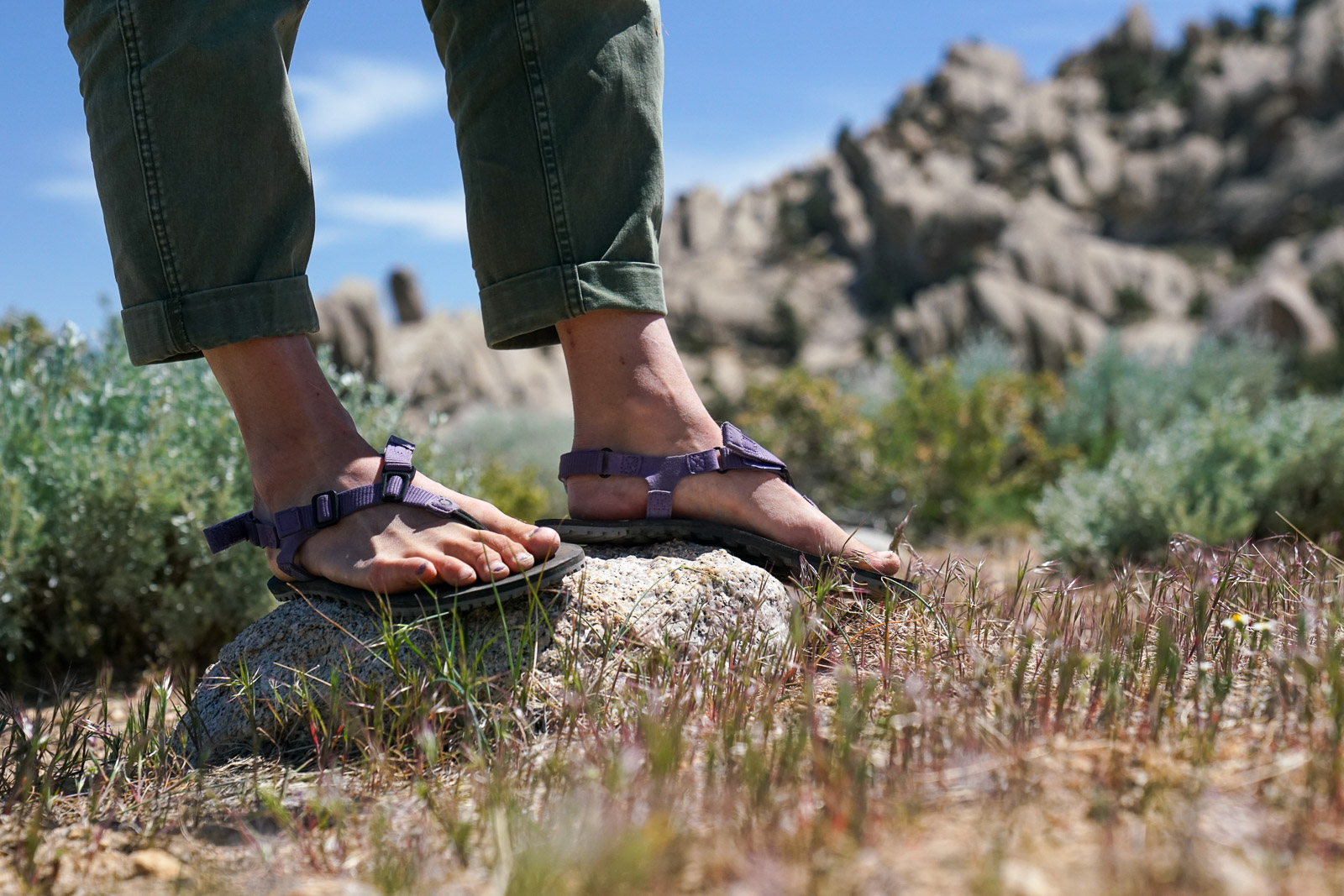
Minimalist hiking sandals are a legitimate option for women who want lightweight, breathable footwear on trails. The best picks offer a grippy Vibram or rubber sole, secure strapping, and a low heel-to-toe drop that lets your feet move naturally. They work especially well on dry, well-maintained trails and shorter day hikes.
There’s a moment on a hot summer trail when you look down at your heavy, sweat-soaked boots and think: there has to be a better way. For a growing number of women hikers, that better way is a well-designed hiking sandal. Lightweight, packable, and surprisingly capable, modern trail sandals have come a long way from the chunky leather options of decades past.
The appeal is real and practical. A quality hiking sandal can weigh half as much as a traditional boot, dry out in minutes after a stream crossing, and keep your feet cool on exposed ridgelines during summer. For homesteaders and outdoor enthusiasts who spend long hours on their feet moving between chores and trails, that kind of comfort adds up fast over the course of a day.
That said, not every sandal is built for the trail. The difference between a beach sandal and a true hiking sandal comes down to a few critical design details: sole thickness and grip, strap security under load, toe protection, and how the footbed supports your arch over long distances. Getting those elements right means you can tackle rocky paths, creek crossings, and uneven terrain without sacrificing foot health or performance. This guide breaks down exactly what to look for, which features matter most, and how to choose the right pair for your specific hiking style and terrain.
How to Choose and Break In Hiking Sandals: A Step-by-Step Guide
1
Assess your trail type and terrain
Before buying any hiking sandal, be honest about where you’ll actually wear them. Flat, groomed paths forgive a lot, but rocky scrambles, root-covered forest floors, or extended mileage demand more sole protection and strap stability. Knowing your terrain narrows your options quickly and prevents expensive mistakes.
2
Find your correct size and fit
Hiking sandals fit differently than street shoes. Most minimalist designs size true to foot length, but strap width and arch placement vary by brand. Measure your foot length in centimeters, check the brand’s size chart, and if you’re between sizes, size up to allow for foot swelling on long hikes.
3
Adjust all straps before your first walk
New hiking sandals need careful strap adjustment right out of the box. Put them on with your hiking socks if you plan to wear them, stand up, and walk a few steps before tightening anything. Adjust the heel strap first for lockdown, then the toe strap, then any midfoot straps. Your heel should not lift with each step.
4
Break them in gradually on easy terrain
Even minimal sandals need a break-in period for both the sole and your feet. Start with 30-minute walks on flat ground, then progress to short trail hikes over one to two weeks. This conditions the underside of your feet, helps the straps soften and mold, and lets you identify any pressure or rubbing points before a big trip.
5
Address hot spots and strap rub early
Strap chafing is the most common complaint with hiking sandals, especially near the toe post and heel cup. Apply a thin layer of body glide or medical tape to problem areas before longer hikes. Most rub points resolve after full break-in, but persistent issues may indicate a poor fit rather than a break-in problem.
6
Pair with the right sock if needed
Wearing thin toe socks or no-show hiking socks with sandals is not strange — it is practical. Socks reduce friction, add warmth on cool mornings, and extend the life of the footbed. Merino wool toe socks work especially well because they manage moisture and odor on longer hikes.
7
Clean and store sandals properly after use
After muddy or wet hikes, rinse sandals under cool water and scrub the sole with a stiff brush. Avoid machine washing, which can degrade adhesives and strap hardware. Air dry completely in a shaded area before storing, as prolonged sun exposure breaks down rubber compounds and fades strap materials over time.
Pro Tips
- Apply a thin coat of beeswax to leather or synthetic straps once a month to prevent cracking and keep them supple through heavy use.
- If your toes habitually hang over the front edge of the sandal, size up one half size — front overhang increases stubbing risk dramatically on rooted trails.
- Pack a small piece of duct tape or a few blister bandages in your daypack when breaking in new sandals; catching a hot spot early prevents a ruined hike.
What to Look For in Women’s Hiking Sandals
Sole Grip and Thickness: The outsole is what keeps you safe on wet rock, loose gravel, and root-covered forest floors. Look for a lug pattern at least 3mm deep and a rubber compound rated for both wet and dry surfaces — Vibram is the gold standard, but quality proprietary rubbers perform well too.
Strap Security and Adjustability: A sandal that shifts underfoot on an uneven trail is a twisted ankle waiting to happen. You want at minimum a heel strap and a midfoot or toe strap that can be tightened while hiking, ideally with hardware that locks and stays adjusted rather than slowly loosening over miles.
Heel-to-Toe Drop: Drop refers to the height difference between the heel and forefoot. Lower drop (0-4mm) encourages a more natural gait and forefoot strike, which reduces knee stress on long descents. Higher drop (6mm+) feels more familiar if you’re transitioning from traditional boots and provides more cushion.
Weight and Packability: One of the main reasons to choose a sandal over a boot is weight savings. Most quality hiking sandals come in between 6 and 10 ounces per shoe for women’s sizes. Lighter models pack flat in a daypack, making them excellent as camp shoes or creek-crossing footwear carried as a backup.
Toe Protection: Open-toe sandals expose your feet to stubbing on rocks and roots, which is painful and can end a hike early. A raised toe bumper or thick rubber rand around the front of the sandal dramatically reduces injury risk on technical terrain without adding significant weight.
Our Top Picks
Curated for Hiking Trails & Gear
#1 — Best Overall
Xero Shoes Z-Trail EV Women’s Sandal
Best for: Minimalist hikers who want a featherlight, zero-drop trail sandal
The Z-Trail EV is one of the lightest purpose-built trail sandals available, weighing under 5 ounces per shoe. Its FeelTrue rubber sole has a multi-layer design that balances ground-feel with protection, and the three-point lacing system adjusts quickly on the go. The zero-drop platform encourages natural foot mechanics, making it a popular choice for runners and hikers transitioning to minimalist footwear. Durable enough for daily homestead use and packable enough to toss in any bag.
Check Current Price on Amazon →
#2 — Best for Daily Use
Chaco Women’s Z/Cloud Sandal
Best for: All-day comfort hikers and those on their feet for long stretches
Chaco’s Z/Cloud is legendary for its LUVSEAT footbed, which provides deep arch support and a contoured heel cup that locks your foot in place. The single-layer polyester jacquard strap runs through the sole and can be adjusted to nearly any foot shape without tools. The Vibram outsole grips confidently on wet rock and muddy trails. It runs slightly heavier than minimalist options but rewards you with end-of-day comfort that few sandals match.
Check Current Price on Amazon →
#3 — Best for Beginners
Teva Women’s Original Universal Sandal
Best for: Beginners looking for a versatile, easy-to-wear trail and water sandal
The Teva Original Universal is the sandal that defined the category and still holds its own decades later. Four hook-and-loop straps make fit adjustment fast and foolproof, and the shock-absorbing midsole is forgiving on hard surfaces. The multi-directional rubber outsole handles wet creek beds and gravel paths equally well. It is one of the most affordable reliable hiking sandals on the market and a smart first pair for anyone new to trail sandals.
Check Current Price on Amazon →
#4 — Best Premium
Bedrock Cairn 3D Adventure Sandal
Best for: Technical trail hikers who want maximum grip and strap security
Bedrock’s Cairn is built for hikers who refuse to compromise on performance. The 3D-molded heel cup and figure-eight strap system lock the foot in place even on steep, uneven terrain, and the Vibram Newflex outsole provides outstanding traction across rock, mud, and wet surfaces. At just over 7 ounces per shoe, it punches well above its weight class for grip and stability. It is a cult favorite among thru-hikers and trail runners who want sandal freedom without sacrificing technical capability.
Check Current Price on Amazon →
How do hiking sandals handle water crossings?
Most hiking sandals handle water crossings far better than traditional boots because they drain immediately and dry within minutes. Avoid lingering in very cold water for extended periods, as your feet will chill quickly without insulation. After crossing, shake out any trapped gravel from the sole before continuing.
Can hiking sandals cause foot or knee pain?
They can if you transition too quickly from cushioned boots to a zero-drop minimalist sandal. Tendons, calves, and the plantar fascia need time to adapt to lower-drop footwear. Start with short distances and increase gradually over several weeks. If you have existing plantar fasciitis or arch issues, choose a sandal with structured arch support rather than a flat footbed.
How long do hiking sandals typically last?
A quality hiking sandal lasts between 500 and 1,000 miles of trail use depending on sole hardness and strap durability. Signs of replacement include worn-through lug patterns, cracked midsole foam, or straps that no longer hold adjustment. Cleaning them regularly and storing them out of UV light significantly extends their lifespan.
For another perspective and additional photos: read the original article →
As an Amazon Associate, Build & Bloom earns from qualifying purchases. We only recommend products we genuinely think are useful. Prices and availability vary; check Amazon for the latest.
Leave a Reply