
Getting kids to eat fermented foods feels impossible when they reject anything “weird” or tangy. But fermented foods are some of the most powerful tools for building a healthy microbiome, boosting immunity, and improving digestion during critical growing years. The secret isn’t forcing sauerkraut on reluctant eaters—it’s understanding which fermented foods actually appeal to children and how to introduce them gradually so their taste buds adapt naturally.
5 Fermented Foods Kids Will Actually Eat (and Why)
These five categories represent the sweet spot between nutritional benefit and kid-friendly appeal. Each one can be introduced strategically to build acceptance over time.
Key Concepts
- Mild flavor profile – fermented foods that don’t assault young taste buds with intense tanginess or sourness
- Familiar food base – fermented versions of foods kids already recognize and enjoy (yogurt, cheese, pickles)
- Texture variety – combination of smooth, crunchy, and chewy options to maintain interest
- Gradual introduction strategy – starting with small amounts mixed into favorite foods before serving standalone
- Age-appropriate options – understanding which fermented foods suit toddlers versus school-age children
Principles
Start with Creamy Fermented Dairy
Yogurt and kefir are the gentlest entry points because kids recognize them as ‘normal’ foods. Plain yogurt can be sweetened with fruit or honey to mask any tang, while kefir offers a creamier texture than traditional yogurt. Begin with just a few spoonfuls mixed into breakfast or desserts, allowing kids’ palates to adjust without pressure. Most children accept these within 1-2 weeks of consistent exposure.
Introduce Fermented Vegetables Through Familiar Flavors
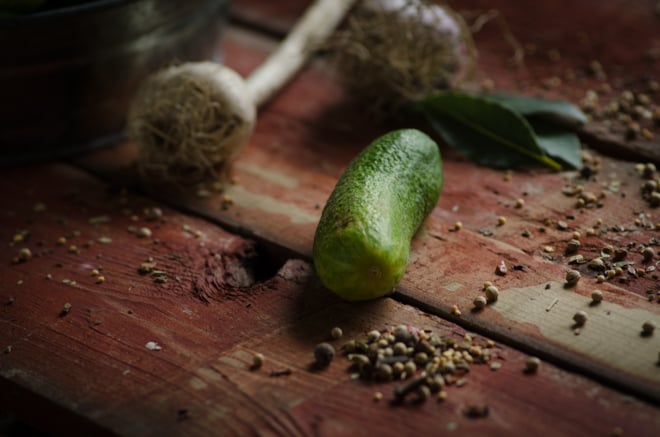
Naturally fermented pickles, carrots, and beets are less intimidating than sauerkraut or kimchi because they maintain recognizable vegetable forms. Start by offering them as side dishes alongside meals they already enjoy, or dice them finely into salads or grain bowls where they blend seamlessly. The crunch factor appeals to many kids who enjoy texture variety in their meals.
Incorporate Miso and Fermented Pastes Invisibly
Miso paste dissolves into soups, gravies, and sauces without visible signs of fermentation, making it perfect for covert nutrition. A teaspoon of miso in chicken broth or mixed into salad dressing delivers probiotics without kids noticing the flavor shift. This invisible introduction builds acceptance before you ever mention fermentation.
Offer Fermented Grains and Bread as Staple Swaps
Sourdough bread and fermented oats look identical to their non-fermented counterparts, making them effortless to incorporate. Simply serve sourdough toast with breakfast or swap regular oatmeal for fermented oat porridge without calling attention to the change. The gut health benefits work whether children know about fermentation or not.
Build Taste Acceptance Through Repeated Exposure
Research shows children need 10-15 exposures to new foods before accepting them. Serve small portions of fermented foods consistently without pressure or praise, allowing natural familiarization to develop. Avoid labeling foods as ‘healthy’ or ‘good for you,’ which creates resistance in kids who are naturally skeptical of adult motives.
Pair Tangy Ferments with Familiar Favorites
Mix fermented vegetables into mac and cheese, combine kefir with smoothies, or serve miso-flavored crackers alongside regular snacks. This pairing strategy prevents fermented foods from feeling ‘weird’ or isolated on the plate. Kids learn to enjoy the tangy notes as supporting flavors rather than the main event.
- Never force fermented foods or make them a ‘health battle’—kids who feel pressured develop lifelong aversions to these nutritious foods
- Temperature matters: serve fermented foods cold or room temperature depending on the food, as heating can damage beneficial bacteria
- Keep portions small (1-2 tablespoons) in early introduction phases to prevent digestive adjustment issues like bloating or gas
What to Look For in Fermented Food Products for Kids
- Live and Active Cultures: Check labels for ‘live and active cultures’ or ‘contains probiotics’—these indicate the beneficial bacteria are still alive. Pasteurized products kill the beneficial organisms, defeating the purpose of fermented foods for gut health.
- Low Added Sugar: Many kid-friendly fermented products contain added sugars to improve taste. Look for products with less than 5g sugar per serving, or choose unsweetened versions you can sweeten at home with fruit.
- Simple, Recognizable Ingredients: Quality fermented foods contain just the base ingredient, salt, and sometimes starter cultures. Avoid products with additives, artificial flavors, or stabilizers that complicate the ingredient list.
- Organic and Non-GMO Certification: Since kids’ digestive systems are still developing, choosing organic reduces pesticide exposure and supports fermentation using traditional methods without synthetic inputs.
Redmond Real Salt Himalayan Salt Shaker
Best for: Families fermenting vegetables at home
High-quality, mineral-rich salt is essential for home fermentation projects. This Himalayan salt contains no additives or anti-caking agents that interfere with fermentation chemistry. The shaker makes portion control easy when preparing fermented vegetables like pickles and carrots that kids enjoy. Using proper salt ensures successful fermentation and optimal probiotic development.
Check Current Price on Amazon →Lifeway Organic Plain Kefir
Best for: Kids new to fermented foods
Lifeway kefir offers a creamy, mild-flavored introduction to fermented dairy that feels like a treat rather than medicine. Organic certification ensures quality, while the plain version lets you control sweetness at home. Kefir contains over 10 probiotic strains, making it nutritionally superior to yogurt. Most kids accept kefir within days because it tastes closer to regular milk than fermented foods typically do.
Check Current Price on Amazon →Straus Family Creamery Organic Whole Milk Yogurt
Best for: Cost-conscious families buying in bulk
Straus offers organic, live-culture yogurt at supermarket prices without sacrificing quality. The whole milk version appeals to kids more than low-fat alternatives, and the mild flavor profile won’t overwhelm young palates. Large containers cost less per ounce than individual cups. Live cultures remain abundant at purchase, ensuring optimal probiotic benefit.
Check Current Price on Amazon →Eden Foods Organic Miso Paste Red
Best for: Parents looking for invisible fermented nutrition
Eden Foods produces traditionally fermented miso using time-honored methods without additives or alcohol. Red miso offers a milder flavor than darker varieties, making it ideal for introducing miso to kids through soups and sauces. The glass jar keeps miso fresh longer than plastic, and a small amount goes far in cooking. This product delivers fermented nutrition without kids detecting ‘healthy food’ flavors.
Check Current Price on Amazon →Farmhouse Culture Organic Gut Shots
Best for: Families wanting concentrated probiotic doses
These small-format fermented vegetable shots deliver intensive probiotic doses in kid-friendly portions. Made from organic vegetables and traditional fermentation, they offer a convenient alternative to daily yogurt or kefir. The concentrated format appeals to kids who resist eating large quantities of fermented foods. Farmhouse Culture uses time-tested fermentation without shortcuts or additives.
Check Current Price on Amazon →Real Pickles Naturally Fermented Dill Pickles
Best for: Kids who love crunchy textures
Real Pickles uses traditional salt-brine fermentation without vinegar or heat processing, preserving live cultures throughout. The crisp, crunchy texture appeals to kids who need tactile satisfaction from their foods. Dill flavor is familiar without being overpowering, making these the ideal gateway fermented vegetable. Available in most natural food stores and online marketplaces.
Check Current Price on Amazon →Cultures for Health Fermentation Starter Culture
Best for: Families making fermented vegetables regularly
This starter culture simplifies home fermentation by providing proven beneficial bacteria strains. One packet cultures multiple batches of fermented vegetables, making it economical for families who ferment weekly. Success rates improve with starter cultures, reducing waste from failed ferments. Perfect for parents wanting to involve kids in the fermentation process from start to finish.
Check Current Price on Amazon →Kilner Wide Mouth Fermentation Jar
Best for: Small-space fermentation projects
This one-liter jar accommodates fermentation batches perfect for family portions without requiring large counter space. The wide mouth makes filling and removal of vegetables easy, and the traditional jar design appeals to families who enjoy the fermentation ritual. Glass construction won’t leach chemicals, and the size suits fermented pickles, carrots, and small-batch vegetables beautifully.
Check Current Price on Amazon →Building Lifelong Healthy Eating Habits Through Fermented Foods
The goal of introducing fermented foods to kids isn’t creating tiny nutritional perfectionists—it’s building a foundation of microbial diversity that supports health for decades. When kids grow up eating fermented foods naturally, they develop taste preferences that favor gut-healthy choices without internal resistance. Start with the gentlest options like kefir and yogurt, move to invisible ferments like miso, and gradually introduce tangy vegetables as their palates mature. Most importantly, keep the tone light and pressure-free; kids who see fermented foods as normal parts of family meals integrate them effortlessly into lifelong eating patterns.
Your job as a parent is simply to make fermented foods available, flavorful, and part of regular meals without fanfare. Skip the health lectures, avoid forced consumption, and trust that repeated exposure builds acceptance naturally. Within weeks, you’ll notice kids requesting yogurt at breakfast or asking for pickles as snacks—the exact opposite of the resistance you expected. That shift from reluctance to genuine preference is when you know fermented foods have become part of your family’s eating culture, supporting digestive health and immunity for years to come.
Frequently Asked Questions
Are fermented foods safe for babies and toddlers?
Yes, fermented foods are safe for babies over 6 months, though you should introduce them slowly in tiny amounts. Plain yogurt and miso-flavored broths are excellent starting points. Always check with your pediatrician before introducing new foods, and watch for any digestive changes during the adjustment period.
How much fermented food should kids eat daily?
Start with 1-2 tablespoons daily and gradually increase to 1/4 cup as kids’ digestive systems adapt. There’s no fixed requirement—even small amounts of fermented foods provide probiotic benefits. More isn’t necessarily better; consistency matters more than quantity.
Will fermented foods make my kid’s gut adjustments uncomfortable?
Some kids experience temporary bloating or gas when introducing fermented foods because their microbiome adjusts to new beneficial bacteria. Start with very small portions and increase gradually over weeks to minimize discomfort. If symptoms persist beyond one week, reduce portions and increase the introduction timeline.
Do I need to refrigerate fermented foods after opening?
Yes, refrigeration slows fermentation and preserves live cultures. Most fermented foods last 2-4 weeks after opening when properly refrigerated. Some products like miso paste last longer and can tolerate room temperature storage, so check individual product instructions.
Can heating fermented foods destroy the probiotics?
High heat above 115°F (46°C) kills most beneficial bacteria, so avoid boiling fermented foods or adding them to hot dishes. Instead, stir fermented foods into lukewarm soups or serve them cold alongside warm meals to preserve probiotic benefits.
As an Amazon Associate, Build & Bloom earns from qualifying purchases. We only recommend products we genuinely think are useful. Prices and availability vary; check Amazon for the latest.
Leave a Reply