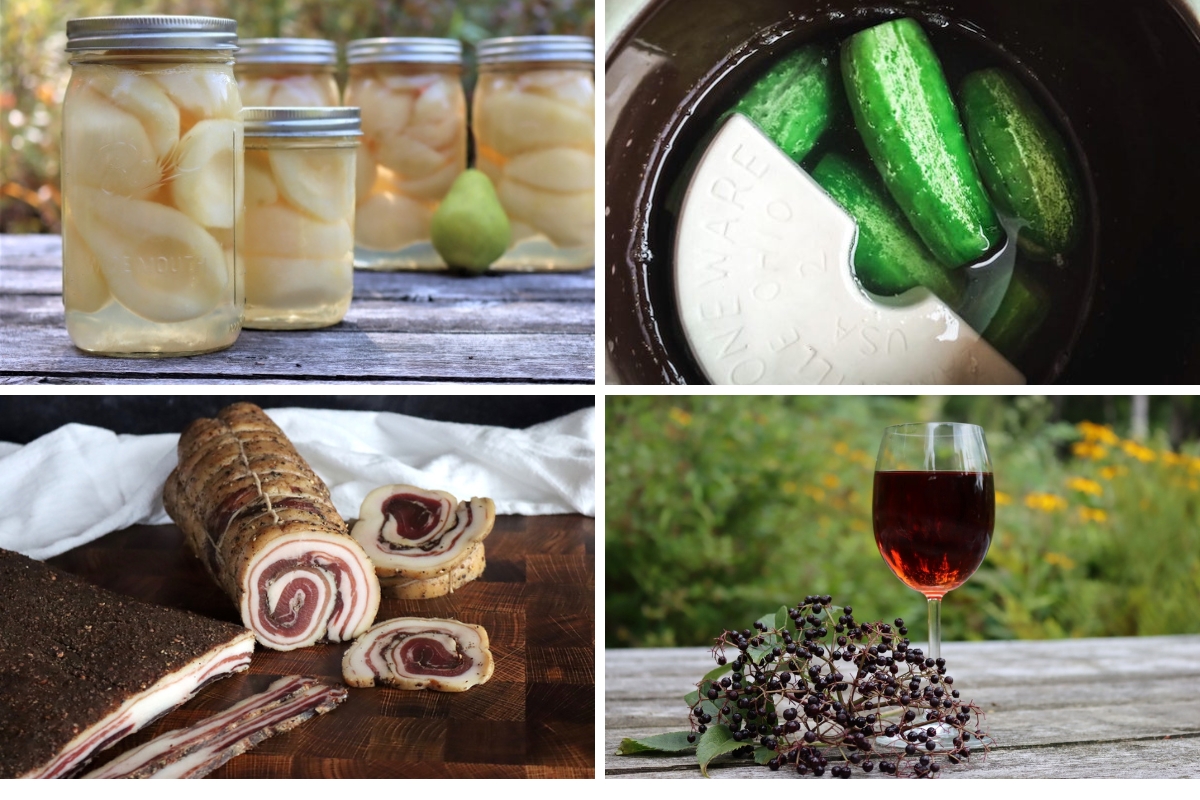

You’ve grown or foraged more food than you can eat this week. Store-bought options feel expensive and laden with additives. Learning to preserve food yourself isn’t just a homesteading skill—it’s reclaiming control over your food supply, reducing waste, and building resilience for your family. Whether you have a full cellar or just a freezer, there’s a preservation method that fits your situation.
The 11 Essential Food Preservation Methods Explained
These preservation methods have sustained families for generations. Each works by removing moisture, lowering pH, reducing oxygen, or controlling temperature to prevent spoilage.
Key Concepts
- Water-bath canning: Uses boiling water immersion to seal jars and kill microorganisms through heat
- Pressure canning: Uses steam pressure to reach higher temperatures for low-acid foods
- Freezing: Halts bacterial growth by lowering temperature below reproduction zones
- Fermentation: Uses salt and beneficial bacteria to create acidic environments hostile to pathogens
- Root cellar/cool storage: Maintains steady cold temperature and humidity for dormant produce
- Dehydration: Removes moisture that microorganisms need to survive and multiply
The 11 Methods
Water-Bath Canning
Submerge filled jars in boiling water for a set time based on food type and jar size. The heat creates a vacuum seal as jars cool. This method works for high-acid foods like fruits, pickles, jams, and tomatoes. Requires proper jars, lids, and attention to processing times.
Pressure Canning
Use a specialized pressure vessel to heat jars to 240°F or higher, killing heat-resistant bacteria. Essential for low-acid foods like vegetables, meats, and soups. More complex than water-bath canning but necessary for safe preservation of non-acidic foods.
Freezing
Store prepared food in airtight containers at 0°F or below. Bacteria enter dormancy but don’t die, so thawing requires care. Best for vegetables, fruits, soups, and prepared dishes. Requires reliable electricity and freezer space but demands minimal skill.
Fermentation
Submerge vegetables in salt brine, allowing beneficial lactobacillus bacteria to create lactic acid naturally. No heat required. Results in living foods rich in probiotics. Works for cabbage, carrots, beans, and other vegetables over 2-4 weeks.
Dehydration
Remove moisture from food using low heat (130-160°F) over hours or days. Moisture content drops below 20%, making it inhospitable to mold and bacteria. Can use a dehydrator, oven, or sun-drying depending on climate and food type.
Cold Storage and Root Cellar
Store produce in a cool, dark, humid space (50-60°F, 85-95% humidity). Works for apples, potatoes, onions, squash, and root vegetables that go dormant. Requires no equipment beyond proper ventilation and temperature control.
Oil Immersion
Preserve herbs, garlic, or vegetables by submerging them in olive oil in glass jars. Creates anaerobic conditions that slow decomposition. Store in a cool place. This method adds flavor but requires careful handling to avoid botulism with garlic or low-acid foods.
Vinegar Pickling, Salt Curing, and Smoking
Pickling uses acidic vinegar to preserve vegetables (quick method, no canning required). Salt curing draws out moisture and creates hostile conditions for bacteria. Smoking adds flavor while heat and smoke act as preservatives. Each adds distinct flavors while extending shelf life.
- Start with freezing or fermentation if new to food preservation—both forgive mistakes and require minimal equipment investment.
- Match the preservation method to your food: acidic fruits prefer water-bath canning, low-acid vegetables need pressure canning, and root crops thrive in cool storage.
- Keep detailed records of what you preserve, the date, processing time, and how long it actually lasts—this builds your personal preservation knowledge base faster than any book.
What to Look For in Food Preservation Equipment
- Canning Vessels (Pressure or Water-Bath Canners): Choose pressure canners for low-acid foods and water-bath canners for high-acid items. Pressure canners must reach accurate PSI; water-bath canners simply need depth for jar immersion. Stainless steel lasts longer than aluminum and won’t react with acidic foods.
- Mason Jars and Lids: Quality jars with consistent threading prevent seal failures. Traditional two-piece lids (flat + screw band) are cheapest but disposable. Reusable lids cost more upfront but eliminate per-batch lid expense. Always use new flat lids; screw bands can be reused indefinitely.
- Food Dehydrator or Drying Method: Electric dehydrators offer temperature control and consistent results but consume counter space and electricity. Sun-drying works in dry climates but requires protection from insects. Oven-drying is free but ties up your oven for 8+ hours.
- Temperature and Storage Control: Root cellar storage needs reliable cool temperatures and humidity monitoring. Freezer preservation requires consistent 0°F temperatures. Fermentation jars need darkness and steady room temperature. Invest in a reliable thermometer to verify your storage conditions.
Presto 23-Quart Pressure Canner
Best for: Home canners preserving vegetables, meats, and soups
This stainless steel pressure canner reaches precise PSI settings needed for safe low-acid food preservation. Holds seven quart jars or 20 pint jars per batch, making it efficient for medium-scale preserving. The weighted gauge and safety lock ensure consistent pressure, and stainless steel construction prevents corrosion from acidic foods. Works on gas and electric stovetops.
Check Current Price on Amazon →Ball Mason Jars Variety Pack (32 oz and 16 oz)
Best for: Beginners starting their first preservation project
This mixed jar pack includes both wide-mouth and regular-mouth sizes with lids and bands, covering most beginner preservation needs without oversupplying. Ball jars feature consistent threading that works reliably across canning methods. The variety of sizes means you have appropriate containers for everything from small batches of jam to full quarts of soup.
Check Current Price on Amazon →Nesco Snackmaster Food Dehydrator
Best for: First-time dehydrator users making jerky and dried fruits
This budget-friendly dehydrator features simple temperature controls (110-160°F) and expandable trays, letting you start with four trays and add more as needed. The adjustable thermostat handles most home preservation needs without overwhelming complexity. Quieter and more compact than commercial models, making it ideal for apartment dwellers or those testing the method before investing more.
Check Current Price on Amazon →Excalibur 3926TB 9-Tray Food Dehydrator
Best for: Serious homesteaders processing large harvests
This commercial-grade dehydrator features precise temperature control, horizontal airflow for even drying, and nine full-size trays (15 square feet of drying space). Stainless steel construction withstands years of heavy use. The timer and digital controls remove guesswork, while consistent results make it worth the investment for anyone preserving large quantities annually.
Check Current Price on Amazon →Start Preserving Food Today
Food preservation isn’t complicated—it’s simply choosing the right method for your food, climate, and available equipment. If you’re completely new, begin with freezing or fermentation because they’re nearly impossible to fail and require minimal gear. As you gain confidence, expand to water-bath canning for jams and pickles, then pressure canning for vegetables. Each method builds on the last, and soon you’ll naturally rotate between all of them depending on what you’re harvesting.
The real skill isn’t in following a single perfect recipe—it’s in understanding why each method works and adapting it to your specific situation. You might preserve the same zucchini by freezing it in summer when your freezer has space, fermenting it in fall, or dehydrating it in winter when you need shelf-stable options. That flexibility, built by learning these 11 methods, is what separates homesteaders who never waste a harvest from those who find themselves throwing away food in autumn. Start today with the method that feels most approachable, and watch your preserving confidence grow.
Frequently Asked Questions
How long does home-preserved food actually last?
Properly canned foods last 1-5 years (sometimes longer). Frozen food stays safe indefinitely but quality declines after 8-12 months. Fermented foods last months to years in cool storage. Root cellar storage typically lasts until spring. Always label with preservation date and check for signs of spoilage before consuming.
Is home food preservation actually safe from botulism?
Yes, when following tested recipes and proper methods. Botulism risk comes from improper low-acid canning or anaerobic storage of low-acid foods. Water-bath canning high-acid foods, pressure canning low-acid foods, freezing, and fermentation are all safe when procedures are followed. Use recipes from USDA or University Extension offices, never from unvetted internet sources.
What’s the difference between water-bath and pressure canning?
Water-bath canning reaches 212°F and works for high-acid foods (pH below 4.6) like fruits, pickles, and jams. Pressure canning reaches 240°F and is required for low-acid foods like vegetables, meats, and soups to kill heat-resistant botulism spores. Use the wrong method and your food becomes unsafe.
Can I reuse mason jar lids after canning?
The flat metal lids are single-use only—they lose their sealing compound after first use. Screw bands and jars can be reused indefinitely. Some companies now make reusable flat lids (like Tattler), which cost more upfront but eliminate per-batch lid expenses if canning regularly.
Do I need a root cellar to store root vegetables long-term?
No, but you need cool storage (50-60°F) and moderate humidity (85-95%). A basement corner, unheated garage, buried cooler, or even a buried trash can works if temperatures stay consistent. Monitor with a thermometer to ensure you’re in the safe zone for long-term storage.
As an Amazon Associate, Build & Bloom earns from qualifying purchases. We only recommend products we genuinely think are useful. Prices and availability vary; check Amazon for the latest.
Leave a Reply