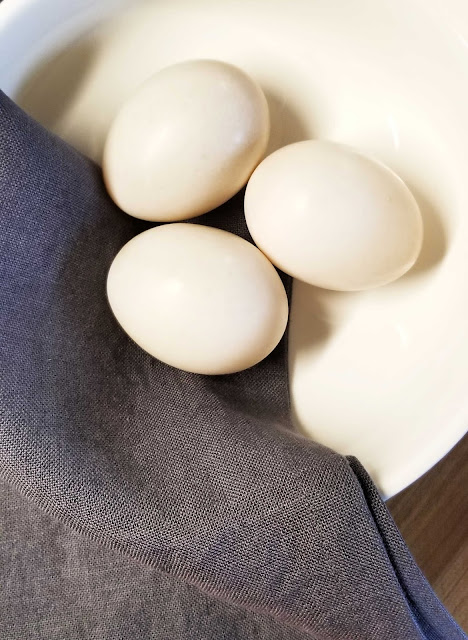

If you’re considering raising ducks or switching to duck eggs at the market, you’ve probably wondered whether they’re actually better than the chicken eggs you’ve been using. The reality is more nuanced than marketing claims. Duck eggs do offer genuine advantages in nutrition, cooking performance, and flavor, but they also come with different considerations around availability and price. This guide breaks down the real differences so you can decide if duck eggs fit your homestead or kitchen.
12 Key Differences Between Duck and Chicken Eggs
Duck and chicken eggs differ significantly in composition, size, flavor profile, and culinary performance. Understanding these differences helps you choose the right egg for your needs and expectations.
Key Concepts
- Nutritional composition differences including protein, fat, and micronutrient content
- Physical characteristics such as shell thickness, yolk-to-white ratio, and size
- Flavor profiles ranging from subtle to rich and gamey
- Cooking and baking performance in various applications
- Sourcing availability and cost considerations for different regions
Principles
Protein Content and Amino Acid Profile
Duck eggs contain approximately 9-10 grams of protein per egg compared to 6-7 grams in chicken eggs. More importantly, duck eggs have a complete amino acid profile with higher concentrations of essential amino acids. This makes them superior for muscle recovery, hormone production, and overall cellular function, especially valuable for anyone following a protein-focused diet or recovering from intense physical activity.
Fat Quality and Yolk Size
Duck eggs feature significantly larger yolks with higher fat content, containing roughly 50% more fat than chicken eggs. The yolk comprises about 40% of a duck egg’s weight versus 33% for chicken eggs. This larger yolk means richer flavor, better emulsification for sauces, and superior baking results, particularly in cakes, custards, and pastries that depend on yolk richness.
Micronutrient Density
Duck eggs contain substantially more choline, an essential nutrient for brain health and liver function, providing roughly 50% more than chicken eggs. They also exceed chicken eggs in selenium, iron, vitamin B12, and folate. For anyone focused on cognitive performance, immune support, or addressing nutritional deficiencies, duck eggs offer a more nutrient-dense option per serving.
Flavor Complexity and Taste
Duck eggs possess a richer, slightly more pronounced flavor than mild chicken eggs, described by many as buttery or creamy when fresh from pastured ducks. Some detect subtle gamey notes, though this depends entirely on the duck’s diet and water access. This deeper flavor profile enhances omelets, quiches, and custard-based dishes, though some prefer the neutral profile of chicken eggs for subtle recipes.
Shell Structure and Storage
Duck eggshells are noticeably thicker and harder than chicken eggshells, making them more durable during transport and storage. This thicker shell extends shelf life, allowing duck eggs to remain fresh up to 5-6 weeks when properly stored, compared to 3-4 weeks for chicken eggs. The robust packaging reduces cracking during collection and handling, which matters significantly for homesteaders.
Baking Performance and Leavening
The larger yolk and higher fat content in duck eggs create superior lift and structure in baked goods, particularly cakes and souffles that depend on emulsification. Bakers often find that duck eggs produce fluffier results, better browning, and improved moisture retention in finished baked items. One duck egg typically replaces 1.5 chicken eggs in recipes due to size and composition differences.
Allergen Considerations
Duck eggs have different protein structures than chicken eggs, making them a viable alternative for people with chicken egg allergies. However, cross-reactivity can occur with some individuals, so this should not be assumed without medical consultation. Those with egg allergies should test duck eggs carefully or consult with an allergist before incorporating them into regular meals.
Cost, Availability, and Practical Considerations
Duck eggs typically cost 2-3 times more than chicken eggs due to lower production volume and smaller raising operations. Sourcing requires farmers markets, specialty food stores, or homestead production, making them less convenient than ubiquitous chicken eggs. For budget-conscious homesteaders, raising your own ducks offsets cost; for occasional buyers, the premium may limit regular use.
- When substituting duck eggs for chicken eggs in recipes, use one duck egg for every 1.5 chicken eggs to maintain proper ratios, especially important in baking where precision matters.
- Duck eggs boil differently than chicken eggs due to thicker shells and larger yolks; add 2-3 minutes to standard boiling times for the yolk to cook through completely.
- Store duck eggs pointed-end-down in cool conditions to maximize freshness and prevent air pocket contact with the yolk, extending storage life beyond typical chicken eggs.
What to Look For When Buying or Raising Ducks for Eggs
- Duck Breed Selection: Khaki Campbells, Indian Runners, and Pekins are top egg-producing breeds, with Khaki Campbells laying up to 300 eggs annually. Choose heritage breeds if you also want meat production; select lightweight breeds like Runners for egg-focused operations with minimal space needs.
- Water Access and Housing: Ducks require consistent water for drinking and dabbling to maintain health and feather condition, though backyard ponds are optional for egg production. Provide secure housing protecting from predators, adequate ventilation, and dry nesting areas; ducks need less space than chickens but benefit from water sources.
- Feed Quality and Nutrition: Layer feed formulated specifically for ducks ensures proper calcium, protein, and micronutrient levels for consistent egg production and quality. Quality varies significantly between brands; premium formulas with added greens and minerals produce higher-nutrient eggs compared to basic grain mixes.
- Sourcing from Trusted Farmers: When buying from producers, ask about duck diet, water access, housing conditions, and egg handling practices. Pastured ducks with access to natural vegetation produce richer-colored yolks and more complex flavor; factory-farmed duck eggs lack these qualities despite similar nutrition.
Grandpa’s Feeders Automatic Poultry Waterer
Best for: Backyard duck keepers needing reliable daily water access
This gravity-fed automatic waterer provides consistent fresh water for ducks without daily refilling, reducing disease risk and improving feather quality essential for healthy egg production. The 5-gallon capacity suits small flocks of 3-6 ducks for several days, with sturdy construction that withstands outdoor conditions. The durable design encourages proper hydration, directly supporting nutrient-rich egg quality and consistent laying patterns throughout seasons.
Check Current Price on Amazon →Kencove Garden Raised Bed Kit 4×4
Best for: New homesteaders building dedicated duck housing or nesting areas
This modular raised bed frame works excellently as a nesting structure for ducks when topped with roofing and straw, providing safe egg-laying areas elevated from moisture and predators. The galvanized steel construction resists rust in wet duck environments while the spacious interior accommodates 3-4 nesting ducks comfortably. Perfect for beginners who want a customizable housing solution without complex carpentry skills.
Check Current Price on Amazon →HARRIS Poultry Feed Pan Galvanized Steel
Best for: Budget-conscious homesteaders managing multiple ducks
This large galvanized steel feed pan holds substantial portions of layer feed, reducing daily refilling and encouraging organized feeding schedules for optimal egg production. The wide, shallow design accommodates multiple ducks feeding simultaneously while the sturdy construction withstands outdoor weather and duck activity. Galvanized coating prevents rust in wet environments, ensuring years of reliable use.
Check Current Price on Amazon →Manna Pro Layer Feed 50 lb Bag
Best for: Duck owners seeking quality nutrition at reasonable cost
Specifically formulated for laying poultry with balanced protein, calcium, and essential nutrients supporting consistent duck egg production and quality. The 50-pound bag provides several weeks of feeding for small flocks while the complete formulation eliminates need for supplements. Manna Pro’s reputation for quality ensures healthier ducks and nutrient-dense eggs without premium pricing.
Check Current Price on Amazon →Making Your Duck Egg Decision
Duck eggs genuinely outperform chicken eggs in protein content, micronutrient density, yolk quality, and baking performance. The richer flavor, larger yolk-to-white ratio, and superior shelf life create measurable advantages for cooking, baking, and nutrition. If you prioritize egg quality and are willing to invest in sourcing or raising ducks, the difference in your kitchen results will be immediately noticeable. Cakes rise higher, sauces emulsify better, and the nutritional profile supports your health goals more completely.
The practical trade-off involves cost and availability. Duck eggs typically cost 2-3 times more than chicken eggs through retail channels, and sourcing them requires farmers markets, specialty stores, or home production. For homesteaders with space and inclination, raising 3-4 ducks eliminates the cost premium while providing the satisfaction of complete egg self-sufficiency. For occasional buyers, the premium may limit regular use to special cooking projects. Evaluate your budget, cooking frequency, and yard space realistically before committing to duck keeping. Whether you’re raising ducks or buying from producers, understanding these differences empowers you to choose the right egg for each culinary purpose.
Frequently Asked Questions
Can I substitute duck eggs directly for chicken eggs in recipes?
Duck eggs are larger with bigger yolks, so one duck egg typically replaces 1.5 chicken eggs. For baking, reduce liquid slightly since the extra yolk adds moisture. For cooking omelets or scrambled eggs, use one duck egg per person instead of two chicken eggs.
How long do duck eggs stay fresh compared to chicken eggs?
Duck eggs last 5-6 weeks when refrigerated due to thicker shells, compared to 3-4 weeks for chicken eggs. Store them pointed-end-down in a cool location. Always perform a float test if uncertain about age before using.
Do duck eggs taste gamey or different from chicken eggs?
Fresh duck eggs from well-fed ducks taste buttery and rich, not gamey. Flavor depends entirely on the duck’s diet and living conditions. Pastured ducks produce eggs with noticeably richer flavor; confined ducks produce more neutral-tasting eggs similar to chicken eggs.
How many ducks do I need to produce eggs for a family?
Three to four laying ducks produce 15-20 eggs weekly, sufficient for an average family. Khaki Campbells and Indian Runners are prolific layers. Plan for one extra duck as insurance against illness or laying interruption during molt cycles.
Can people with chicken egg allergies eat duck eggs safely?
Some people with chicken egg allergies tolerate duck eggs due to different protein structures, but cross-reactivity occurs frequently. Consult an allergist before consuming and perform a small test serving if cleared by medical professionals. Never assume safety without professional guidance.
As an Amazon Associate, Build & Bloom earns from qualifying purchases. We only recommend products we genuinely think are useful. Prices and availability vary; check Amazon for the latest.
Leave a Reply