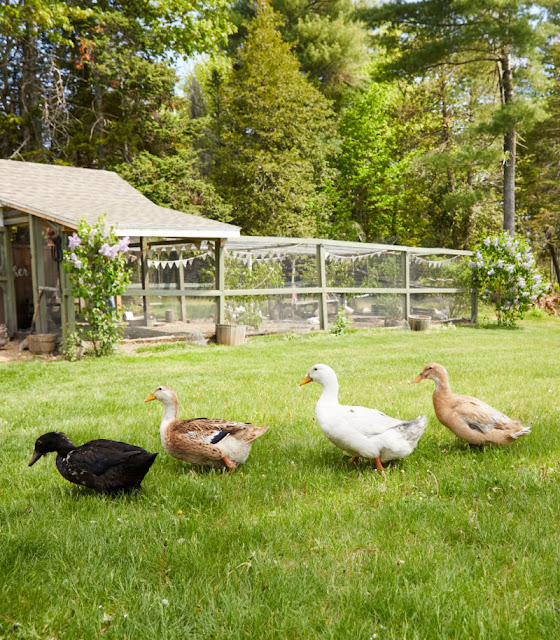

You’re standing at the fence line trying to decide: chickens or ducks? Everyone talks about backyard chickens, but ducks might actually be the better choice for your homestead. They’re hardier, more productive in certain conditions, and frankly, more entertaining to watch. Let’s break down the real differences so you can choose the right bird for your specific situation and climate.
8 Key Differences Between Ducks and Chickens
Understanding how ducks and chickens differ across practical homesteading categories helps you make an informed decision based on your property, climate, and goals.
Comparison Criteria
- Egg production rates and quality (volume, shell strength, nutritional content)
- Water requirements and wetland/pond access (essential vs. optional)
- Cold hardiness and winter survival in freezing temperatures
- Predator defense capabilities and natural protective behaviors
- Pest control effectiveness (slugs, snails, insects vs. ticks and larger pests)
- Noise levels and neighbor-friendliness in suburban settings
Principles
Egg Production Excellence
Ducks consistently outproduce chickens in egg-laying, with many breeds delivering 300+ eggs annually compared to 250-300 from hens. Duck eggs contain higher protein and omega-3 content, making them superior for baking and nutrition. Once started, duck hens lay reliably through winter months when chicken production drops significantly.
Superior Cold Weather Performance
Duck breeds evolved in frigid climates and possess natural oil glands that waterproof their feathers, allowing them to thrive in temperatures where chickens struggle. Their webbed feet don’t suffer frostbite like chicken feet, and they maintain body heat more efficiently. This makes ducks ideal for northern homesteads or regions with harsh winters.
Advanced Pest Management Capability
Ducks demolish garden slugs, snails, and aquatic insects that chickens ignore, making them exceptional for wet gardens and marshy areas. Their foraging behavior targets soft-bodied invertebrates without scratching soil as aggressively as chickens. This natural pest control reduces chemical inputs and protects vegetable crops more effectively.
Predator Resistance and Defense
Ducks’ aquatic nature provides natural protection since most mammalian predators hesitate to enter water. Their alertness and aggressive pecking response to threats surpasses chickens’ defensive abilities. A duck flock can successfully defend itself and territory better than equivalent chicken numbers.
Water Dependency Considerations
Unlike chickens, ducks require regular water access for health and happiness, whether a natural pond, livestock tank, or kiddie pool. Without water, they suffer feather problems, stress, and reduced productivity. This is a genuine commitment that demands consistent water management and regular tank cleaning.
Noise and Neighborhood Relations
Duck vocalizations differ from chicken sounds but can be equally loud, with hens producing loud quacking that travels farther than rooster crowing. Some municipalities restrict ducks specifically due to noise concerns. Research local ordinances before committing, as duck keeping may face more regulation than chickens in suburban areas.
Space and Foraging Requirements
Ducks need more outdoor space and benefit significantly from pasture grazing areas to express natural behaviors and reduce feed costs. They’re messier around water sources, creating muddy zones that benefit from hardy landscaping. Chickens adapt better to confined spaces, though free-range conditions suit both species.
Meat Production and Processing Differences
Duck meat commands higher prices and appeals to specialty markets, making ducks potentially more profitable for small-scale meat production. Processing differs significantly from chickens due to feather density and anatomy. Consider your market access before choosing ducks primarily for meat income.
- Start with just 3-4 ducks to test their suitability for your property before expanding to a full flock, since water management is the biggest variable.
- Mix duck breeds for complementary traits: hardy foragers like Khaki Campbells for egg production alongside heavier Muscovies for meat and predator defense.
- Install a simple shallow water system (stock tank with ramp) if you lack a natural pond, rotating tanks monthly to prevent mosquito breeding and parasites.
What to Look for When Choosing Between Ducks and Chickens
- Climate and Winter Conditions: Ducks are superior in cold, wet climates where chickens struggle. If you experience freezing temperatures and want reliable winter egg production, ducks are the better choice. In warm climates, chickens may be more practical.
- Water Access and Management Capability: Assess whether you can reliably provide water access daily. Ducks genuinely need it; chickens want it. Without water commitment capacity, chickens are more realistic. A pond is excellent; a kiddie pool requires daily management.
- Garden Environment and Pest Challenges: Slug and snail problems? Choose ducks. Tick and larger insect issues? Chickens are better. Consider your garden’s specific pest pressures and which bird species naturally targets those pests most effectively.
- Local Regulations and Neighbor Proximity: Check municipal codes for duck-specific restrictions, noise ordinances, and flock size limits. Suburban settings often favor quieter chickens. Rural properties with distance to neighbors can accommodate either species more comfortably.
Stock Tank with Automatic Waterer Kit
Best for: Duck and chicken owners needing reliable water management
A 100-gallon galvanized stock tank with integrated float valve system provides ducks consistent water access while preventing overflow and waste. The heavy-duty construction withstands pecking and paddling, and the automatic refill reduces daily labor. This is essential infrastructure for duck keeping, transforming water management from chore to background system. Available with mounting stands and drainage plugs for seasonal cleaning.
Check Current Price on Amazon →Rubbermaid Stock Tank (50-gallon)
Best for: Beginners or small flocks testing duck viability
The Rubbermaid 50-gallon tank offers an affordable entry point for duck water systems without metal corrosion issues. Lightweight polyethylene resists rust and dents while remaining durable enough for pecking waterfowl. Easy to drain and clean, it’s ideal for rotating fresh water multiple times weekly. Perfect for small starter flocks before investing in larger permanent systems.
Check Current Price on Amazon →Kiddies Pool with Drain Plug
Best for: Duck owners wanting affordable, simple water solutions
A 5-foot diameter rigid plastic kiddie pool provides shallow swimming space for ducks and chickens while remaining budget-friendly. The drain plug enables complete water changes without lifting, critical for hygiene maintenance. Durable UV-resistant plastic lasts multiple seasons, and the shallow design prevents drowning while allowing natural water behaviors. Ideal for small flocks or testing before larger investment.
Check Current Price on Amazon →100-Gallon Agricultural Poly Tank with Livestock Trough
Best for: Serious homesteaders managing large mixed flocks
This premium system combines a 100-gallon polyethylene tank with an integrated livestock feed trough, serving dual purposes for water and dry grain storage. Heavy-duty construction includes UV stabilizers for desert or high-sun environments, and the trough design allows chickens access while ducks paddle safely. Includes mounting hardware and accessories for permanent installation.
Check Current Price on Amazon →Making Your Duck vs Chicken Decision
The choice between ducks and chickens isn’t about one being universally better—it’s about matching bird species to your specific homestead conditions. If you have reliable water access, experience cold winters, struggle with slugs, or want superior egg production, ducks deliver measurable advantages. They’re genuinely hardier, more productive in challenging climates, and provide pest control chickens can’t match. However, they demand consistent water management, more space, and potentially different local zoning approval than chickens.
Start by honestly assessing your property: Do you have water you can manage daily? Will your neighbors accept duck noise? Is winter production important to you? How severe are your garden pest problems? The answers reveal whether ducks are a perfect fit or whether traditional chickens better match your capacity and situation. Many successful homesteaders keep both species, dividing responsibilities—chickens for basic egg reliability and chickens for specialized benefits ducks provide. Your unique homestead conditions determine which bird (or combination) generates the greatest return on your time and resources.
Frequently Asked Questions
Can I keep ducks and chickens together in the same coop?
Yes, they can coexist, but ducks’ water requirements and muddy habits create wet conditions that increase disease risk for chickens. Separate roosting areas work best, with ducks having distinct water zones. Ensure adequate space so chickens can retreat to dry bedding while ducks enjoy their preferred wet environment.
How much water do ducks actually need daily?
Ducks need access to drinking water throughout the day (minimum 1-2 hours) and ideally some wading water for feather maintenance. A simple kiddie pool changed every other day suffices for small flocks, while larger operations benefit from automatic systems. Without water, ducks develop stressed behavior and health problems within days.
Which duck breed is best for egg production?
Khaki Campbell ducks consistently produce 300+ eggs annually, outperforming other breeds. They’re smaller, efficient foragers, and relatively quiet compared to other layers. Pekin ducks produce 200-300 eggs yearly but are larger and heavier, making them better suited for meat production alongside eggs.
Do ducks really control slugs better than chickens?
Yes, dramatically. Ducks actively hunt and consume slugs, snails, and aquatic insects that chickens ignore. They’re particularly effective in wet gardens and around irrigation systems. This makes ducks superior for vegetable gardens struggling with slug damage, though they’ll also eat desirable insects and tender plants.
Are duck eggs safe to eat raw like chicken eggs?
Duck eggs have thicker shells and lower pathogenic bacteria rates than chicken eggs, making them relatively safe for raw consumption. However, standard food safety guidelines recommend cooking all eggs thoroughly. Duck eggs’ higher protein content makes them exceptional for baking and custards compared to chicken eggs.
As an Amazon Associate, Build & Bloom earns from qualifying purchases. We only recommend products we genuinely think are useful. Prices and availability vary; check Amazon for the latest.
Leave a Reply