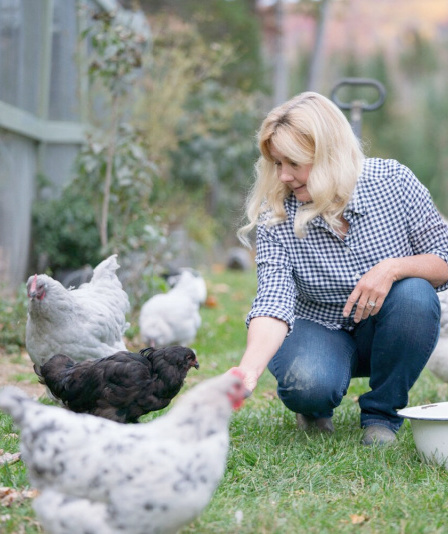

Raising backyard chickens is rewarding, but feed costs can quickly become your biggest monthly expense. If you’re spending $40-60+ per month on commercial layer pellets for a small flock, there’s real opportunity to cut that number significantly. The key is strategic supplementation and smarter purchasing, not starving your birds. This guide walks through proven methods that homesteaders use to slash feed bills while keeping their flocks healthy and productive.
How to Reduce Your Chicken Feed Costs
Reducing feed expenses requires a multi-pronged approach. You won’t implement all these strategies at once, but combining 4-5 of them can easily cut your costs by half.
What You Will Need
- A storage container with lid to collect kitchen scraps safely
- A sprouting vessel or tray for growing grain fodder
- An insect farm setup (optional but cost-effective)
- A bulk grain source or feed co-op membership
- Pasture space or movable run for supplemental foraging
- A chicken tractor or mobile coop (optional for rotational grazing)
Money-Saving Methods
Supplement with Kitchen Scraps
Collect vegetable trimmings, fruit scraps, stale bread, and cooked leftovers throughout the week. Feed these to your flock as supplements to their regular ration, not replacements. Raw or cooked vegetable matter, grains, and most fruits are safe. Avoid avocado, salt, and moldy food. This can replace 15-20% of purchased feed.
Grow Sprouted Grain Fodder
Sprout whole grains like barley, oats, or wheat in shallow trays over 7-10 days. The sprouting process increases nutritional density and digestibility while using less total grain. A single pound of grain yields several pounds of fresh green fodder. This reduces your need for commercial pellets by 10-15% and provides fresh greens year-round.
Establish a Protein Farm with Mealworms or Black Soldier Fly
Insects are cheap to raise and provide excellent protein supplementation. Mealworms or black soldier fly larvae convert food scraps into high-protein feed. A small insect farm takes minimal space and investment but dramatically reduces commercial feed costs while using scraps as input.
Buy Feed in Bulk or Through Co-ops
Organize with neighbors to buy whole grains or pellets directly from feed mills or agricultural co-ops. Bulk purchasing saves 20-30% compared to bagged feed from retail stores. Store properly in sealed containers with tight-fitting lids to keep feed fresh and pest-free.
Maximize Pasture and Free-Range Time
Let chickens forage on grass and insects daily during warm months. Pasture-raised birds eat less commercial feed because they’re supplementing with natural vegetation and bugs. Rotate them through different areas to prevent overgrazing and maximize what they find.
Substitute Cheaper Grains for Layer Pellets
Instead of relying solely on commercial layer pellets, create a mix of whole grains (cracked corn, oats, barley, wheat) with a smaller amount of supplement pellets. This balanced approach costs less while still providing complete nutrition when combined with kitchen scraps and foraging.
Raise Your Own Greens in Winter
Grow winter greens in cold frames or indoors (lettuce, kale, sprouted seeds) to provide fresh vegetables when pasture isn’t available. Fresh greens replace some pellet consumption and keep birds active and healthy during confinement.
Process Whole Grains Yourself
Purchase whole grains at agricultural prices and crack or mill them with a small grain mill. Whole grains cost 30-40% less than pre-cracked versions. A hand-crank or electric grain mill pays for itself quickly with a medium flock.
- Start by implementing just 2-3 methods in month one. Add more strategies gradually as you develop routines and systems.
- Keep detailed feed purchase records for 2-3 months before changes and after changes to quantify your actual savings.
- Never skip nutritional balance in pursuit of cheap feed. Use a feed calculator to ensure supplemental strategies still deliver adequate protein, calcium, and essential nutrients.
What to Look For When Buying Feed Cost-Reduction Equipment
- Grain Storage Containers: Look for food-grade buckets or bins with tight-sealing lids that keep moisture and pests out. Capacity should match your flock size and bulk-buying frequency (typically 25-50 lb containers).
- Sprouting Trays or Fodder Growing Systems: Choose shallow trays (2-3 inches deep) with drainage. Systems can be as simple as stacked screens or purpose-built vertical fodder racks. Look for food-grade materials that won’t leach chemicals.
- Grain Mills or Crackers: Hand-crank mills work for small flocks; electric models suit larger operations. Look for adjustable settings to crack or mill grains to your preferred consistency. Capacity of 1-5 pounds per minute is standard.
- Insect Farming Bins: Purpose-built mealworm or black soldier fly bins should have ventilation, drainage, and easy harvesting access. Standard plastic storage bins work if you drill and screen drainage holes.
Rubbermaid Brilliance Airtight Food Storage Containers (Set of 3)
Best for: Bulk grain and feed storage
Heavy-duty plastic containers with dual-latch, airtight lids keep grain fresh and protected from pests and moisture. BPA-free, stackable design, and modular sizes let you store different grain types or supplements together. This 3-piece set covers basic storage needs for a small flock. Dishwasher safe and built to last years of daily use.
Check Current Price on Amazon →5 Gallon Food Grade Buckets with Lids (Pack of 2)
Best for: Large-volume grain and bulk feed storage
Industrial-grade plastic buckets rated for food storage, with secure lids to keep contents dry and rodent-proof. Five-gallon capacity holds approximately 35-40 pounds of grain depending on density. Affordable in bulk quantities and become invaluable for co-op bulk purchases. Stackable and durable for long-term outdoor or barn storage.
Check Current Price on Amazon →Handy Pantry Seed Sprouting Jar Kit with Lids (3 Quart)
Best for: Small-scale grain sprouting and fodder growing
Glass sprouting jars with stainless steel mesh lids make sprouting whole grains foolproof. Kit includes three jars for continuous sprouting rotation. Ideal for small backyard flocks wanting to start fodder production without large equipment investment. Simple daily rinsing process produces fresh green fodder in 7-10 days.
Check Current Price on Amazon →Country Living Grain Mill (Manual)
Best for: Processing whole grains into cracked or ground feed
Hand-powered grain mill processes wheat, barley, oats, and corn into cracked or finely milled flour for chicken feed. Adjustable burr settings let you control grind size. Cast iron construction withstands years of use. Affordable entry point for homesteaders buying bulk whole grains at half the cost of commercial pellets.
Check Current Price on Amazon →Start Saving on Chicken Feed Today
Cutting your chicken feed bill in half is completely achievable with thoughtful planning and incremental implementation. You don’t need to overhaul your entire system overnight. Start with kitchen scrap supplementation this week, add sprouted fodder next month, and investigate local bulk grain sources the following month. Each layer of savings compounds, and within three months you’ll notice a meaningful reduction in your monthly feed expenses while your flock remains healthy and productive.
The equipment investment is minimal compared to the ongoing savings. A few sturdy storage containers, a sprouting tray, and perhaps a grain mill pay for themselves within 2-3 months of reduced pellet purchases. Many homesteaders report that their favorite part isn’t just the lower costs, but the satisfaction of raising self-sufficient chickens that supplement their own diet through foraging and home-grown feed. Start small, track your progress, and enjoy both the financial wins and the deeper connection to your flock.
Frequently Asked Questions
Is it safe to feed chickens kitchen scraps?
Most kitchen scraps are safe and nutritious for chickens. Avoid avocado, salt, chocolate, and moldy food. Raw or cooked vegetables, fruit scraps, grains, and plain leftovers are excellent. Never feed spoiled food or anything with unknown ingredients.
Will my chickens stop laying eggs if I reduce commercial pellets?
Not if you maintain balanced nutrition. The key is ensuring adequate protein (16-18% for layers), calcium for shells, and other essential nutrients through your supplementation mix. Monitor egg production as you adjust and tweak your formula accordingly.
How much can I realistically save per month?
Most homesteaders report 30-50% savings when implementing 4-5 strategies consistently. A flock of 5-6 birds costs roughly $40-60 monthly in feed. Realistic savings are $15-30 monthly depending on which methods you use and how much time you invest.
Can I use fodder year-round or just in summer?
Fodder grows year-round indoors or in unheated spaces. Winter growing requires a bit more attention to moisture management, but it’s entirely feasible. Many homesteaders run fodder systems in sheds or garages for consistent winter supplementation.
Do I need special equipment to start, or can I use what I have?
You can start with almost no equipment. Use old containers for scraps, simple kitchen trays for sprouting, and standard grain storage buckets. Purpose-built equipment makes things easier and more efficient, but it’s not required to see significant savings.
As an Amazon Associate, Build & Bloom earns from qualifying purchases. We only recommend products we genuinely think are useful. Prices and availability vary; check Amazon for the latest.
Leave a Reply