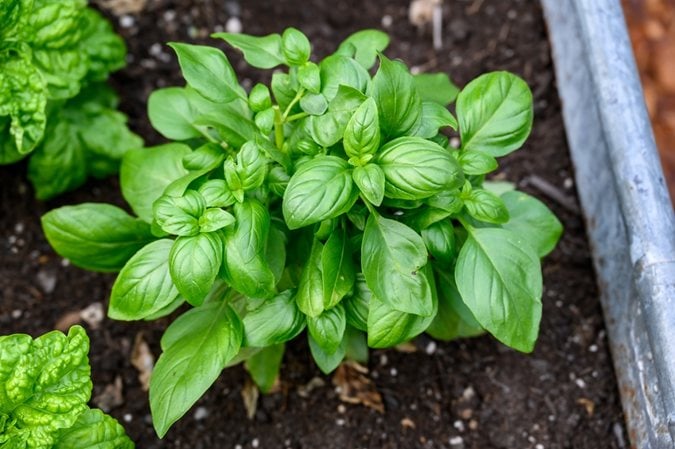

You clicked on 15 herbs to grow, but you’re probably wondering: which ones actually matter? Which will survive neglect? Which will give you the biggest return on a small space? This guide cuts through the noise and shows you the herbs that belong in every home garden—the ones that solve real kitchen problems, boost your health, and practically grow themselves.
15 Essential Herbs for Home Growing: Culinary & Medicinal Guide
Growing herbs at home transforms your cooking and wellness routine. Here are the herbs that deliver the most value with the least effort.
Key Concepts
- Culinary herbs: plants grown primarily for cooking flavors and food preparation
- Medicinal herbs: plants with traditional wellness properties, steeped as teas or used in remedies
- Perennial herbs: return year after year with minimal replanting effort
- Annual herbs: replanted each season but often faster-growing and more flavorful
- Container tolerance: ability to thrive in pots indoors or on patios, not just garden beds
Principles
Identify Your Primary Use
Decide whether you cook frequently (culinary focus), manage health concerns (medicinal focus), or want both. Basil, oregano, thyme, and rosemary dominate culinary gardens. Chamomile, peppermint, sage, and lemon balm excel as medicinal teas. Many herbs serve dual purposes, maximizing your garden’s value.
Choose Perennial Over Annual When Possible
Perennial herbs like rosemary, thyme, oregano, and sage survive multiple years, reducing replanting work. Annuals like basil need replanting but deliver intense flavor for one season. Mix both types: perennials for reliability, annuals for peak flavor windows.
Start with Low-Maintenance Varieties
Mint, oregano, thyme, and sage tolerate neglect, poor soil, and inconsistent watering. Basil demands warmth and consistent moisture but rewards you with abundant leaves. Begin with hardy varieties before expanding to finicky herbs.
Assess Your Light and Space Constraints
Most culinary herbs need six to eight hours of direct sunlight daily. Mint and lemon balm tolerate partial shade. If you lack garden space, all of these herbs grow aggressively in containers on windowsills, patios, or balconies—many even thrive indoors under grow lights.
Understand Harvest Timing and Plant Care
Pinch off flower buds on basil to extend leaf production through summer. Harvest thyme and oregano by cutting the top third of stems, which triggers bushier growth. Medicinal herbs like chamomile and sage reach peak potency at flowering; dry them for year-round use.
Plan for Seasonal Succession
Basil and cilantro bolt in summer heat; plant them in spring and fall. Rosemary, thyme, and sage perform year-round in mild climates. In cold regions, grow tender herbs in pots you move indoors before frost. This rotation ensures fresh herbs across all seasons.
Create a Medicinal Drying and Storage System
Harvest medicinal herbs like chamomile, sage, peppermint, and oregano just before flowering. Dry them in bundles hung upside-down in a warm, airy space for two to three weeks. Store dried herbs in airtight containers away from light to preserve potency for months.
- Start with a single basil plant in a sunny window—it’s the fastest way to prove herbs are worth growing, delivering harvestable leaves within weeks.
- Mint spreads aggressively; always grow it in contained pots separate from other herbs or it will overtake your entire garden.
- Deadhead flowers on culinary herbs (basil, oregano, thyme) to force energy into leaf production; let medicinal herbs flower for peak bioactive compounds.
What to Look For When Building Your Herb Garden
- Container Drainage: Herbs despise sitting water. Choose containers with drainage holes to prevent root rot. Size matters too—most herbs thrive in containers five to eight inches deep, except rosemary and lavender which prefer deeper pots.
- Soil Quality: Standard potting soil works fine for annual culinary herbs. Perennial herbs like thyme, rosemary, and oregano prefer gritty, well-draining mixes with added perlite to mimic their native Mediterranean conditions.
- Light Availability: Six to eight hours of direct sun produces the strongest flavors in basil, oregano, and thyme. South or west-facing windows work best. If natural light is limited, supplemental grow lights extend your growing season indoors.
- Watering Consistency: Basil and mint tolerate moist soil; rosemary and thyme prefer drying out between waterings. Choose herbs that match your watering habits, or invest in self-watering containers or drip systems if you travel frequently.
Self-Watering Herb Garden Planter by AeroGarden
Best for: Beginners and busy growers
This hydroponic planter automates watering and light, making it impossible to kill herbs. It grows basil, mint, parsley, oregano, and thyme simultaneously with integrated LED grow lights. Harvest-ready within weeks. Perfect for kitchen countertops, windowsills, and apartments where space is limited. Includes seed pods and nutrient solution. Ideal for establishing a reliable daily herb supply without soil mess or outdoor space.
Check Current Price on Amazon →Terracotta Herb Pot Set by Bloem
Best for: Cost-conscious gardeners
This set includes six terracotta pots with saucers in varied sizes, perfect for basil, mint, thyme, oregano, rosemary, and sage. Terracotta naturally breathes, promoting healthy root systems and preventing overwatering. Lightweight and stackable for compact storage. Each pot includes a pre-drilled drainage hole. Affordable entry point for growing multiple herbs simultaneously. Works indoors on windowsills or outdoors on patios, balconies, and garden beds.
Check Current Price on Amazon →Windowsill Herb Garden Kit by Cole & Mason
Best for: Serious culinary enthusiasts
This elegant stainless steel and ceramic herb planter set holds six individual growing compartments, each with individual watering reservoirs and ceramic markers. Designed to sit on windowsills while maximizing light exposure. Includes premium potting soil and seeds for basil, mint, parsley, thyme, oregano, and rosemary. Contemporary design complements any kitchen. Durable construction lasts for years of continuous growing.
Check Current Price on Amazon →Herb Starter Kit by Johnny’s Selected Seeds
Best for: First-time growers
This comprehensive kit includes seeds for eight essential culinary herbs: basil, oregano, thyme, rosemary, mint, parsley, chives, and sage. Accompanied by detailed growing guides for each variety, including light requirements, watering schedules, and harvest timing. Seeds are pre-selected for reliability and germination rates exceeding ninety percent. Includes biodegradable seed starter pots and potting mix. Perfect for learning which herbs thrive in your specific climate and conditions.
Check Current Price on Amazon →Start Your Herb Garden Today
Growing herbs at home is the single easiest way to upgrade your cooking, wellness, and self-sufficiency. Whether you choose a simple terracotta pot setup or invest in a smart hydroponic system, the satisfaction of harvesting basil for pasta, mint for tea, or oregano for soup is immediate and life-changing. Start with one or two herbs this month—mint, basil, or oregano—and expand from there.
The best herb garden is the one you’ll actually use. Choose equipment and plants that match your lifestyle, space, and commitment level. Kill a few herbs along the way—every gardener does. Then learn from it and try again. Within months, you’ll have fresh herbs at your fingertips year-round, and you’ll wonder why you ever bought them from the supermarket.
Frequently Asked Questions
Can I grow herbs indoors without sunlight?
Yes, but you’ll need supplemental LED grow lights providing fourteen to sixteen hours daily. Basil, mint, oregano, and thyme adjust well to indoor growing under lights. Hydroponic systems like AeroGarden and Click and Grow include built-in lights designed specifically for herbs and eliminate the guesswork.
How often should I harvest herbs to encourage growth?
Harvest regularly by pinching off the top one-third of stems. This triggers bushier, denser growth and delays flowering. For basil, harvest every three to five days during the growing season. For perennial herbs like thyme and oregano, you can harvest more aggressively once plants are established.
Which herbs are easiest for complete beginners?
Start with mint, oregano, and basil. Mint and oregano tolerate neglect and poor conditions. Basil grows rapidly in warmth and sunlight, rewarding you with abundant leaves within weeks. These three build confidence before attempting fussier herbs like cilantro or dill.
Can I grow medicinal and culinary herbs together?
Absolutely. Many herbs serve both purposes—oregano, thyme, sage, and mint are excellent for cooking and tea-making. Group plants by water and light needs rather than function. Keep mint separate in its own container to prevent it from crowding out neighbors.
How do I preserve fresh herbs for winter use?
Drying works best for hardy herbs like thyme, oregano, rosemary, and sage. Hang bundles upside-down in warm, airy spaces for two to three weeks, then store in airtight jars. Basil, mint, and parsley freeze better in ice cube trays with water or oil. Medicinal herbs retain potency dried for six to twelve months when stored properly.
As an Amazon Associate, Build & Bloom earns from qualifying purchases. We only recommend products we genuinely think are useful. Prices and availability vary; check Amazon for the latest.
Leave a Reply