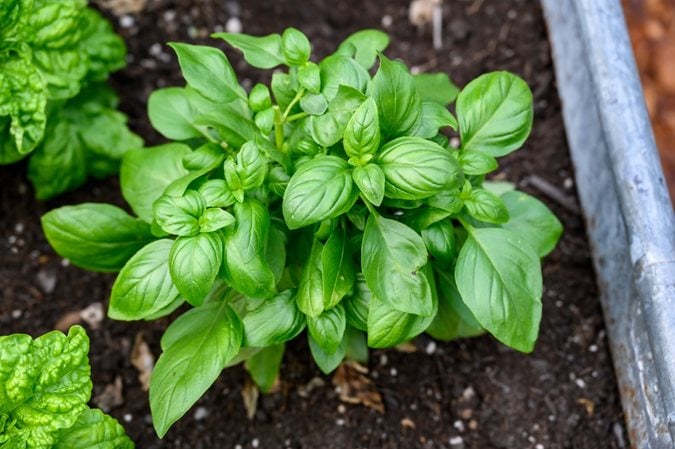

You’ve seen the herb garden pins and dreamed about snipping fresh basil for pasta or mint for tea. But which herbs are actually worth your time and space? Growing herbs at home seems simple, yet many beginners struggle with choosing the right varieties, understanding their specific needs, and creating conditions where they’ll actually thrive. This guide breaks down the 15 best herbs for home gardeners, explains what makes each one special, and shows you exactly how to set yourself up for success.
The 5 Key Principles for Growing Herbs Successfully at Home
Herbs are generally forgiving plants, but they do have specific needs. Master these five foundational principles, and you’ll have a thriving herb garden whether you’re working with a sunny windowsill, a backyard bed, or a raised planter.
Key Concepts
- Sunlight requirements: Most culinary herbs need 6-8 hours of direct sunlight daily to develop strong flavor and robust growth
- Soil drainage: Herbs require soil that drains well to prevent root rot; heavy clay or waterlogged conditions are the primary cause of herb failure
- Watering frequency: Herbs prefer soil that’s moist but not soggy; let the top inch dry between waterings
- Container or bed size: Individual herbs need at least 6-12 inches of soil depth and adequate space for root development
- Hardiness zones: Some herbs are perennial (return yearly) while others are annuals (replant each season) depending on your climate
Principles
Assess Your Available Light
Before purchasing any herbs, observe where sunlight hits your growing space throughout the day. Most culinary herbs—basil, rosemary, thyme, oregano—need full sun. If your best space gets 4-6 hours of direct sun, you can still succeed with shade-tolerant herbs like mint, parsley, and chives. South or west-facing windowsills and uncovered outdoor areas typically provide the most consistent light.
Prepare Soil with Proper Drainage
Whether planting in containers or garden beds, use soil specifically formulated for herbs or mix regular potting soil with perlite at a 3:1 ratio. Herbs despise standing water. Ensure containers have drainage holes and consider adding a layer of gravel at the bottom. If planting in ground, amend clay-heavy soil with compost and sand to improve drainage.
Start with the Hardiest Varieties
Rosemary, thyme, sage, and oregano are nearly impossible to kill once established. These woody perennials tolerate drought better than tender annuals and will often survive frost. Beginning with these confidence-builders lets you learn watering and light requirements before experimenting with more temperamental herbs like basil or cilantro.
Establish a Consistent Watering Schedule
Water when the top inch of soil feels dry to your touch—usually every 2-3 days for container herbs in warm weather, less frequently in cool seasons. Morning watering is ideal. Avoid wetting the foliage if possible, as this can encourage fungal issues. Use room-temperature water and water until it drains from the bottom of containers.
Pinch and Harvest Regularly
The best way to encourage bushy, productive herb growth is to harvest frequently. Pinch off the top 1-2 inches of stems regularly, especially before flowers appear. This removes apical dominance, forcing the plant to branch sideways rather than growing tall and leggy. Regular harvesting also gives you fresh herbs for cooking.
Understand Perennial vs. Annual Herbs
Perennial herbs like rosemary, thyme, sage, and oregano return year after year in most climates and actually improve with age. Annual herbs like basil, cilantro, and dill complete their life cycle in one season and must be replanted. Planning your garden with both types ensures continuous harvests and reduced replanting labor.
- Group herbs by water needs: pair drought-tolerant Mediterranean herbs (rosemary, thyme, oregano) together and keep moisture-loving herbs (mint, basil, parsley) separate
- Start seeds indoors 6-8 weeks before your last frost date for herbs like basil and cilantro, or buy established transplants from a nursery for faster results
- Fertilize container herbs monthly during growing season with balanced liquid fertilizer at half strength, since nutrients leach from frequent watering
What to Look For When Setting Up Your Herb Garden
- Container Material and Size: Herb containers should be at least 6-8 inches deep with drainage holes. Terracotta breathes well but dries quickly; plastic retains moisture longer; fabric pots offer the best drainage. Choose size based on herb maturity—basil needs 6-inch pots, while rosemary may need 12 inches.
- Soil Quality and Composition: Don’t use regular garden soil, which compacts in containers. Look for peat-free potting mixes formulated for herbs or vegetables, ideally containing compost, perlite, and coconut coir. Verify it has added nutrients and beneficial microbes to reduce fertilizer dependency.
- Light Solutions: If natural sunlight is limited, a grow light can extend your herb-growing season year-round. Look for full-spectrum LED grow lights rated for herbs, positioned 6-12 inches above plants. Timers let you automate 14-16 hour daily light cycles without constant adjustment.
- Seed Quality and Starting Supplies: Purchase seeds from reputable suppliers with current-year harvest dates. Herb seeds remain viable 2-4 years if stored cool and dry. Include seed-starting heat mats for basil and oregano, which germinate better at 70-75F, and grow trays with humidity domes for consistent moisture.
Gardman R687 3-Tier Herb and Vegetable Planter
Best for: Space-conscious gardeners wanting multiple herbs
This tiered wooden planter lets you grow 12+ individual herbs in vertical space, perfect for patios, decks, or small gardens. Pre-assembled with natural cedar construction, it includes three levels of growing space without requiring a large footprint. Drainage holes prevent waterlogging, and the open-air design ensures herbs receive adequate light from all angles. Ideal for organizing herbs by water needs and creating a focal point while maximizing productivity.
Check Current Price on Amazon →Miracle-Gro Indoor Grow Light Garden
Best for: First-time growers in low-light conditions
This all-in-one indoor system includes LED grow lights, water reservoir, and nutrient packets—everything needed to start growing herbs indoors. Simply plug it in, add water, and place seed pods in the designated spaces. Automatic watering reduces guesswork, and the timer-controlled light runs 16 hours daily. Perfect for apartment dwellers, winter gardeners, or anyone without reliable outdoor sunlight.
Check Current Price on Amazon →Bloem Eartheasy Resin Planters (Set of 3)
Best for: Budget-conscious gardeners needing multiple containers
These lightweight, weather-resistant resin pots come in three sizes perfect for different herb types. Built-in drainage holes and a neutral finish complement any garden style. The material doesn’t crack in freezing temps, retains moisture better than terracotta, and won’t deteriorate over seasons. At this price point, you can set up multiple herb stations without significant investment.
Check Current Price on Amazon →Potting Soil Supreme (10 Qt Bag)
Best for: Container herb gardeners needing reliable base soil
This premium potting mix combines coconut coir, compost, and perlite in balanced proportions for optimal herb drainage and nutrient retention. Includes mycorrhizae and beneficial bacteria to support root development. One 10-quart bag fills multiple 6-8 inch herb containers, and the formula prevents compaction over the growing season. Peat-free formulation appeals to eco-conscious gardeners.
Check Current Price on Amazon →Start Your Herb Garden Today
Growing herbs at home transforms how you cook, saves money, and connects you to gardening’s fundamentals. Whether you choose a simple windowsill arrangement with three pots or invest in a sophisticated indoor grow system, the principles remain the same: provide adequate light, use well-draining soil, water consistently, and harvest frequently. Start with forgiving perennials like rosemary and thyme, then expand to more temperamental annuals as you gain confidence.
The beauty of herb gardening is its accessibility—you don’t need expensive equipment or vast space. A sunny window, a few containers, and quality soil are enough to begin. Many gardeners find that starting small and expanding gradually leads to the most sustainable success. Within weeks, you’ll be snipping fresh basil for caprese salad, mint for tea, and oregano for pizza night. That’s when you’ll understand why herb gardening has captivated gardeners for thousands of years.
Frequently Asked Questions
Can I grow herbs indoors year-round without sunlight?
Yes, with grow lights. While natural sunlight is ideal, full-spectrum LED or fluorescent lights can provide the 14-16 hours of light herbs need daily. Position lights 6-12 inches above plants and maintain consistent schedules. Indoor growth is slower than outdoor sun-grown herbs, but completely viable.
Why do my herbs always get leggy and fall over?
Leggy growth happens when herbs don’t receive enough light—they stretch toward light sources. Increase light exposure, move plants closer to south-facing windows, or add grow lights. Also pinch off stem tips regularly to force bushier branching rather than vertical growth.
Should I water herbs every day?
Not necessarily. Check soil moisture first; water only when the top inch feels dry. Overwatering is the top cause of herb failure, especially for rosemary and thyme. Most herbs need watering every 2-4 days depending on temperature, humidity, and container size.
Can I grow herbs together in one large container?
Carefully. Only combine herbs with similar water needs—group rosemary, thyme, and oregano together, or mint, basil, and parsley separately. Use a container at least 12 inches deep and space plants 6 inches apart so roots don’t compete for nutrients.
When should I harvest herbs to encourage growth?
Start harvesting once plants develop 3-4 sets of true leaves, usually 4-6 weeks after planting. Pinch off the top inch regularly before flowers appear. This stimulates side branching, creating fuller plants. You can harvest up to one-third of the plant at once without damage.
As an Amazon Associate, Build & Bloom earns from qualifying purchases. We only recommend products we genuinely think are useful. Prices and availability vary; check Amazon for the latest.
Leave a Reply