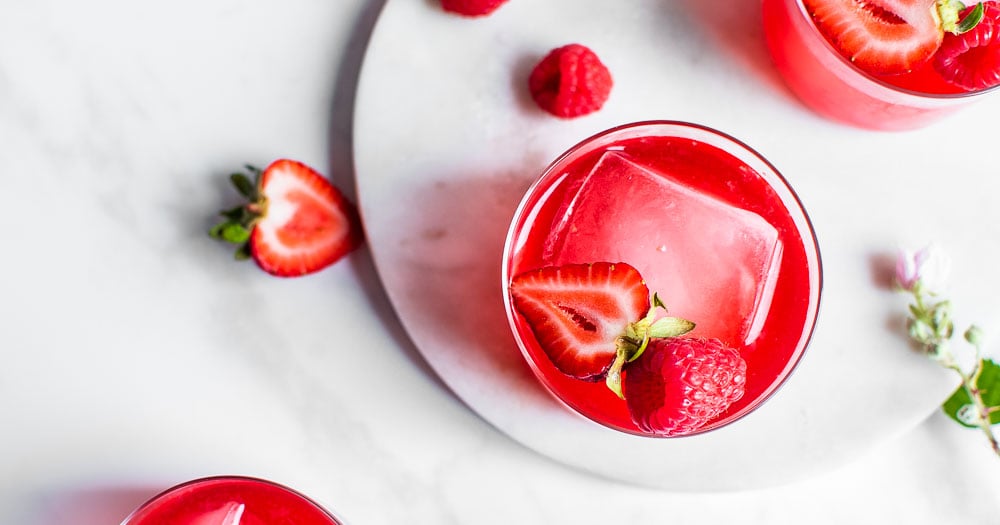

If you’ve been curious about fermented foods but intimidated by the process, fermented fruit is your perfect entry point. Unlike complex fermented vegetable projects, fruit fermentation is forgiving, takes just days instead of weeks, and creates delicious condiments and probiotic-rich treats that boost gut health. You probably have most supplies already in your kitchen—let’s turn them into living food that your digestive system will love.
How to Make Simple Fermented Fruit at Home
This foundational fermented fruit recipe works with almost any fruit and produces a tangy, probiotic-rich product in 3-7 days. The salt creates the right environment for beneficial bacteria to thrive while keeping harmful microbes at bay.
Ingredients
- Fresh fruit (berries, stone fruit, apples, or pears), about 2-3 cups, cleaned and chopped
- Non-iodized salt, 2-3 tablespoons (roughly 3-5% of fruit weight)
- Sugar or honey (optional), 1-2 tablespoons for additional fermentation food
- Filtered or dechlorinated water, enough to cover fruit by 1 inch
- A clean glass jar, wide-mouth quart size or larger
Method
Prepare Your Fruit and Jar
Wash your fruit thoroughly under cool running water and pat dry with a clean cloth. Chop larger fruits into bite-sized pieces while leaving small berries whole. Wash your glass jar with hot soapy water, rinse well, and allow to air-dry completely. Any residual chlorine from tap water can inhibit fermentation, so use filtered water if possible.
Create the Brine Solution
In a separate bowl or measuring cup, dissolve your salt in filtered water at a ratio of about 3-5% salt by weight of fruit. This typically means 2-3 tablespoons of salt per quart of water. Stir until the salt fully dissolves. If using sugar or honey, add it now and stir to combine.
Pack the Jar
Place your prepared fruit into the clean glass jar, packing it down gently but firmly without bruising. Pour the brine solution over the fruit until everything is submerged by at least one inch. The fruit must stay below the liquid line to prevent mold growth on exposed surfaces.
Weigh Down the Fruit
Use a fermentation weight, small glass jar, or even a clean cabbage leaf to keep fruit submerged beneath the brine. Fruit naturally floats as gases are produced during fermentation. Without proper weighting, exposed portions will develop mold. Ensure your weight is clean and food-safe.
Cover and Label
Place a breathable cover over your jar—coffee filters, cloth, or proper fermentation lids work well. This allows gases to escape while preventing dust and insects from entering. Label your jar with the date and fruit type so you know exactly when fermentation began.
Ferment at Room Temperature
Store your jar at room temperature, away from direct sunlight, for 3-7 days depending on your preferences and ambient temperature. Warmer conditions speed fermentation, while cooler temperatures slow it down. Taste the fruit daily after day 2 to monitor tanginess and decide when it’s ready for your palate.
Transfer to Storage
Once fermented to your liking, strain out the fruit and reserve the probiotic-rich liquid. Store the fermented fruit in clean glass jars with the liquid in your refrigerator, which halts fermentation. Properly stored fermented fruit lasts 2-3 months refrigerated and develops deeper flavor over time.
- Start with sweeter fruits like berries, stone fruits, or apples—they ferment reliably and taste delicious within 3-5 days, making them perfect for beginners building confidence.
- Save the fermented fruit liquid (called ‘lacto-fermented juice’) as a gut-health tonic, salad dressing base, or cooking liquid; it’s packed with beneficial bacteria even after the fruit is consumed.
- If white mold (kahm yeast) appears on the surface, skim it off with a clean spoon—it’s harmless and common, unlike fuzzy mold which indicates contamination and requires discarding the batch.
What to Look For in Fermentation Equipment
- Jar Size and Material: Glass is essential for fermentation because it won’t interact with salt and acids. Wide-mouth quart or half-gallon jars work best—they’re large enough for batch fermentation but manageable for monitoring. Avoid plastic, which can leach chemicals into acidic ferments.
- Fermentation Weights: Dedicated weights keep fruit submerged and prevent mold. Options include glass weights, ceramic weights, or simple solutions like smaller glass jars. This single tool is crucial for success and worth the small investment to avoid failed batches.
- Breathable Covers: Allow CO2 to escape while blocking dust and insects. Coffee filters, cloth secured with rubber bands, or purpose-made fermentation lids all work. Avoid metal lids sealed tightly, which can trap pressure and damage jars.
- Non-Iodized Salt: Essential for proper fermentation chemistry. Iodized salt inhibits beneficial bacteria growth and creates murky brine. Sea salt or kosher salt work well; avoid pickling salt which contains anti-caking agents that cloud your ferment.
Bormioli Rocco Fido Wide Mouth Mason Jar (2 Quart)
Best for: Home fermenters of all levels
The gold standard for fermentation projects, these Italian-made glass jars feature a wide mouth for easy packing and monitoring, thick durable glass that handles temperature changes, and classic design that looks appealing on your kitchen counter. The 2-quart size is ideal for fruit fermentation, yielding multiple servings while remaining easy to store in a standard refrigerator. Food-grade glass ensures no flavor transfer, and the wide opening accommodates fermentation weights perfectly.
Check Current Price on Amazon →Ball Wide Mouth Quart Mason Jars (Set of 6)
Best for: Budget-conscious home gardeners starting fermentation
America’s trusted canning brand offers reliable wide-mouth quart jars at an exceptional value, especially when purchased in sets. While slightly less decorative than European imports, Ball jars perform identically for fermentation and are readily available at every grocery store. The familiar design and widespread availability make replacements simple if a jar breaks, and many homesteaders already have these on hand for canning projects.
Check Current Price on Amazon →Fermentationculture.eu Glass Fermentation Weights (Set of 4)
Best for: First-time fermenters who want guaranteed success
Precision-designed glass weights specifically engineered for fermentation keep fruit completely submerged, eliminating the most common cause of mold failure. This four-piece set includes different sizes for various jars, so you’re equipped for multiple projects simultaneously. The smooth glass won’t scratch jar interiors, is completely food-safe, dishwasher-safe, and will last indefinitely with no wear or chemical leaching.
Check Current Price on Amazon →Kilner Wide Mouth Fermentation Jar Kit
Best for: Serious fermenters wanting premium all-in-one solutions
British heritage brand Kilner offers a complete fermentation ecosystem in one package: a beautiful wide-mouth glass jar, matched glass fermentation weights, a breathable seal, and detailed instructions. The aesthetic design makes your ferment a kitchen display piece rather than hidden in a cabinet. Premium glass and engineering justify the higher investment for dedicated fermentation enthusiasts who will use equipment repeatedly.
Check Current Price on Amazon →Start Your Fermentation Journey Today
Fermented fruit represents one of the easiest, most rewarding entries into home fermentation. With just five basic ingredients and a clean jar, you’ll create living food packed with beneficial probiotics that support digestive health—and the process takes just days, not weeks. The simplicity is deceptive; you’re harnessing ancient food preservation wisdom refined over millennia, transforming ordinary fruit into something genuinely nutritious and delicious.
Whether you’re a budget-conscious gardener making use of abundant harvests or a health-focused homesteader seeking natural probiotics without expensive supplements, fermented fruit belongs in your kitchen routine. Start with one batch of berries or stone fruit, monitor the daily transformation, and taste the exact moment it reaches perfection. Within a week, you’ll understand why fermentation is experiencing a modern renaissance—and you’ll be planning your next batch before the first one is finished.
Frequently Asked Questions
How do I know if my fermented fruit is ready to eat?
Taste a small sample daily starting on day 2—you’re looking for a pleasant tanginess and slightly softened texture. The fruit is ready when it matches your preferred sourness level, typically 3-7 days depending on room temperature. Cooler kitchens take longer; warmer spaces ferment faster.
What’s the white fuzzy stuff on my ferment, and is it safe?
White kahm yeast is harmless and commonly appears on ferments; simply skim it off with a clean spoon and discard. However, fuzzy mold in colors like green, black, or pink indicates contamination and means the batch should be discarded. The difference: kahm yeast sits on the surface like a film, while mold has visible fuzz.
Can I use tap water for fermentation, or must I use filtered water?
Filtered or dechlorinated water is strongly preferred because chlorine in tap water can inhibit beneficial bacteria growth and slow fermentation. If you must use tap water, let it sit uncovered for 24 hours to allow chlorine to evaporate, or simply boil and cool it before using in your brine.
How long do fermented fruits stay good in the refrigerator?
Properly stored fermented fruit lasts 2-3 months in the refrigerator, and flavor actually deepens and improves over time. The cold halts fermentation, preserving the probiotic content. Discard only if you notice off smells, unusual colors, or visible mold growth.
Do fermented fruits need special equipment, or can I use tools I already have?
You can absolutely start with basic kitchen items: any clean glass jar, a small glass to hold fruit down, and filtered water. However, dedicated fermentation weights and purpose-made jars eliminate common problems like mold and broken containers, making the small investment worthwhile if you plan to ferment regularly.
As an Amazon Associate, Build & Bloom earns from qualifying purchases. We only recommend products we genuinely think are useful. Prices and availability vary; check Amazon for the latest.
Leave a Reply