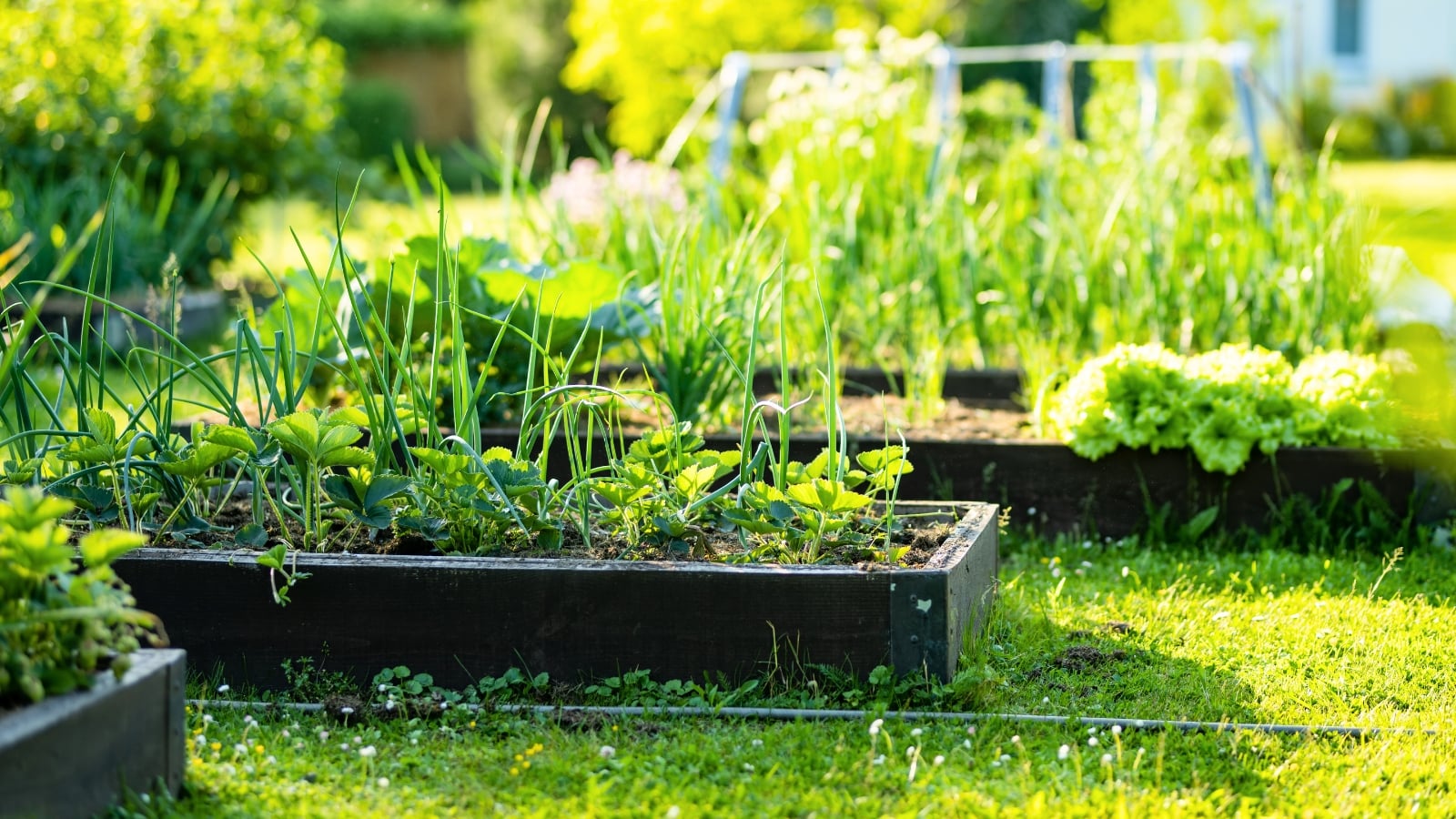

You’ve built your raised beds and filled them with fresh soil—now comes the critical question: what should you actually plant? Not all plants thrive equally in raised beds. Some need deeper root space, others attract more pests in contained environments, and some simply don’t produce well when crowded. The good news? Certain plants absolutely love raised beds because they prefer the improved drainage, warmer soil, and protection from ground pests that these structures naturally provide. Understanding which plants are raised-bed champions will help you maximize your yield, minimize maintenance headaches, and build genuine confidence in your gardening success.
Key Concepts for Choosing Raised Bed Plants
Raised beds create unique growing conditions that favor certain plants over others. Learn the principles that determine whether a plant will thrive in your elevated garden.
Key Concepts
- Root depth requirements – different plants need different vertical space, from shallow roots (6-8 inches) to deep roots (12+ inches)
- Soil warming – raised beds warm faster in spring because the entire soil mass heats through, favoring heat-loving plants
- Drainage preferences – plants that dislike wet feet excel in raised beds, while moisture-loving plants may struggle
- Companion planting potential – raised beds allow you to plant compatible species together, improving yield and pest management
- Pest exposure patterns – contained spaces can concentrate pests, making some plants more vulnerable than others
Principles
Match Plants to Your Raised Bed Depth
Measure your raised bed’s depth and match it to plant root requirements. Shallow beds (6-8 inches) work perfectly for lettuce, spinach, radishes, and shallow herbs. Standard beds (10-12 inches) accommodate peppers, bush beans, and most herbs. Deep beds (12+ inches) support tomatoes, carrots, parsnips, and root vegetables. This prevents plants from becoming rootbound and ensures they access moisture and nutrients throughout the growing season.
Prioritize Plants That Love Improved Drainage
Raised beds drain faster than ground soil, which benefits plants susceptible to root rot and fungal diseases. Tomatoes, peppers, onions, garlic, and herbs like basil and rosemary thrive in this environment. These plants struggle in heavy, compacted ground soil but excel when given the quick-draining, fluffy soil that raised beds naturally provide. This is one of the biggest advantages of raised bed gardening.
Exploit the Microclimate Advantage
Because raised beds warm faster in spring and retain heat longer in fall, they’re ideal for heat-loving plants like eggplant, cucumbers, melons, and peppers. The elevated structure allows air to circulate under the bed, warming the soil from below while the sun warms from above. This extended growing season means earlier harvests and the ability to grow warm-season crops in zones that would otherwise be borderline.
Select Vegetables with Compatible Spacing Needs
Raised beds work best when you choose plants with similar spacing requirements that complement each other. Group plants needing 3-4 inches apart (lettuce, spinach, chard) separately from plants needing 8-12 inches apart (peppers, cabbage). This organization maximizes your growing space and makes succession planting straightforward—when you harvest early greens, you have clear space to add heat-loving crops in mid-summer.
Avoid Plants That Struggle in Contained Spaces
Some plants simply underperform in raised beds. Sprawling plants like watermelon and winter squash need extensive horizontal space that raised beds can’t provide. Similarly, tall crops that need staking (like indeterminate tomatoes) can shade smaller neighbors. Plan your layout with vertical growth in mind, using trellises for vining plants and placing tall plants on the north side of your bed so they don’t shade shorter plants.
Consider Season and Succession Planning
Raised beds excel at succession planting because you can plant cool-season crops (lettuce, peas, kale) in spring and fall, then switch to warm-season crops (tomatoes, peppers, basil) in summer. Plan your layout so you can remove spring crops cleanly and replant the space without disrupting neighboring plants. This approach can give you three harvests per season from a single bed.
- Plant taller crops on the north side of your bed to prevent them from shading shorter vegetables that need direct sun.
- Combine shallow-rooted plants (lettuce, chard, radishes) with deep-rooted plants (tomatoes, carrots) in the same bed to use vertical space efficiently.
- Reserve at least one dedicated herb bed—basil, parsley, cilantro, and chives are prolific in raised beds and mature quickly for continuous harvests.
What to Look For When Setting Up Raised Beds
- Raised Bed Material Quality: Choose untreated wood (cedar, composite, or galvanized steel) that won’t leach chemicals into your soil. Avoid pressure-treated lumber. Your bed will last 5-10 years with proper materials, making quality worth the upfront investment.
- Soil Depth and Volume: Standard beds are 4×8 feet with 12 inches of depth, requiring roughly 32 cubic feet of soil. Calculate your bed dimensions before purchasing soil to avoid multiple trips or leftover material. Proper depth directly impacts which plants you can successfully grow.
- Drainage System Design: Ensure your bed has adequate drainage holes or sits on a permeable base. Poor drainage undermines the primary advantage of raised beds. Some designs include bottom screens to prevent burrowing pests while maintaining water infiltration.
- Location and Sun Exposure: Position beds in locations receiving 6-8 hours of direct sunlight daily for vegetables. Check for shade patterns from trees or structures throughout the growing season, as sun angle changes significantly from spring to summer.
Suncast B32X16 Raised Garden Bed
Best for: Most gardeners seeking durable, low-maintenance raised beds
This resin composite raised bed delivers 32 cubic feet of growing space without the maintenance concerns of wood. The reinforced design holds 425 pounds of soil, making it ideal for growing tomatoes, peppers, and root vegetables. Weather-resistant material eliminates rot and splintering while providing excellent drainage. The neutral brown color complements any landscape, and assembly takes under 15 minutes without tools.
Check Current Price on Amazon →Greensprotect Galvanized Steel Raised Garden Bed Kit
Best for: Budget-conscious gardeners wanting durability
Galvanized steel construction provides affordability without sacrificing longevity. This 4x8x12 bed resists rust and lasts significantly longer than untreated wood while costing less than premium materials. The clean geometric lines work well for formal garden layouts, and the metal sides warm quickly in spring. Includes corner brackets and hardware for straightforward assembly.
Check Current Price on Amazon →Cedar Raised Garden Bed by Frame It All
Best for: First-time gardeners wanting classic appeal
Untreated cedar offers the traditional aesthetic beginners prefer while providing natural rot resistance. This 4x4x11 configuration suits mixed plantings and fits most small spaces. Cedar naturally warms soil for heat-loving plants while maintaining appropriate moisture. The smaller footprint makes filling manageable for new gardeners, and the wood construction allows easy customization with added height boards.
Check Current Price on Amazon →Vego Garden Tall Raised Bed Planter Box
Best for: Gardeners wanting extra depth for root vegetables
Premium galvanized steel with 17-inch depth accommodates deep-rooted plants like carrots, parsnips, and larger tomato varieties. The reinforced panels handle 500+ pounds of soil without bowing. Powder-coated finish resists rust in humid climates, and the sophisticated appearance elevates small-space gardens. Includes ground spikes for additional stability and a 10-year warranty.
Check Current Price on Amazon →Start Growing Your Ideal Raised Bed Garden Today
Growing plants in raised beds succeeds when you match your selections to the unique advantages these structures provide. The improved drainage, warmer soil, and pest protection make raised beds perfect for vegetables like tomatoes, peppers, lettuce, and root crops that struggle in heavy ground soil. By understanding which plants prefer these conditions and planning your layout strategically, you’ll harvest abundantly with less maintenance and fewer disease problems than traditional gardens.
Your raised bed success begins with choosing the right structure for your space and climate, then selecting proven performers that thrive in elevated, well-draining environments. Whether you invest in premium cedar, durable composite, or affordable galvanized steel, the best raised bed is the one you’ll actually maintain consistently. Start small if you’re new to raised bed gardening, build confidence with easy crops like basil and lettuce, then expand to more demanding varieties once you understand your local growing conditions. Your future harvest begins with smart plant selection today.
Frequently Asked Questions
Can I grow potatoes in a raised bed?
Yes, potatoes excel in raised beds when given 8-10 inches of loose, well-draining soil. The improved drainage prevents rot, and you can easily harvest by tipping the bed rather than digging. Start with seed potatoes in spring and hill soil around plants as they grow for maximum yield.
How often should I water plants in raised beds?
Raised beds drain faster than ground gardens, so they typically need watering every 2-3 days during hot weather, or when the top inch of soil feels dry. Early morning watering before temperature peaks reduces evaporation and prevents fungal issues. Add 1-2 inches of mulch to retain moisture and moderate soil temperature.
What’s the best soil mix for raised beds?
Use a blend of 40% topsoil, 40% compost, and 20% coconut coir or peat moss for optimal drainage and nutrient retention. This mixture provides immediate nutrients while maintaining the excellent drainage that raised beds provide. Amend yearly with 1-2 inches of compost to replenish nutrients.
Should I use a landscape fabric in my raised bed?
Yes, landscape fabric prevents burrowing pests while allowing water drainage. Lay it on the ground before filling with soil to block gophers, voles, and root damage from ground insects. This is particularly important in areas with active pest populations.
Can I grow fruit in raised beds?
Compact fruit varieties like strawberries, dwarf blueberries, and alpine raspberries thrive in raised beds. However, full-size fruit trees need deeper beds (18+ inches) and more space than typical vegetable gardens. Strawberries are the easiest fruit for beginners using standard-depth raised beds.
As an Amazon Associate, Build & Bloom earns from qualifying purchases. We only recommend products we genuinely think are useful. Prices and availability vary; check Amazon for the latest.
Leave a Reply