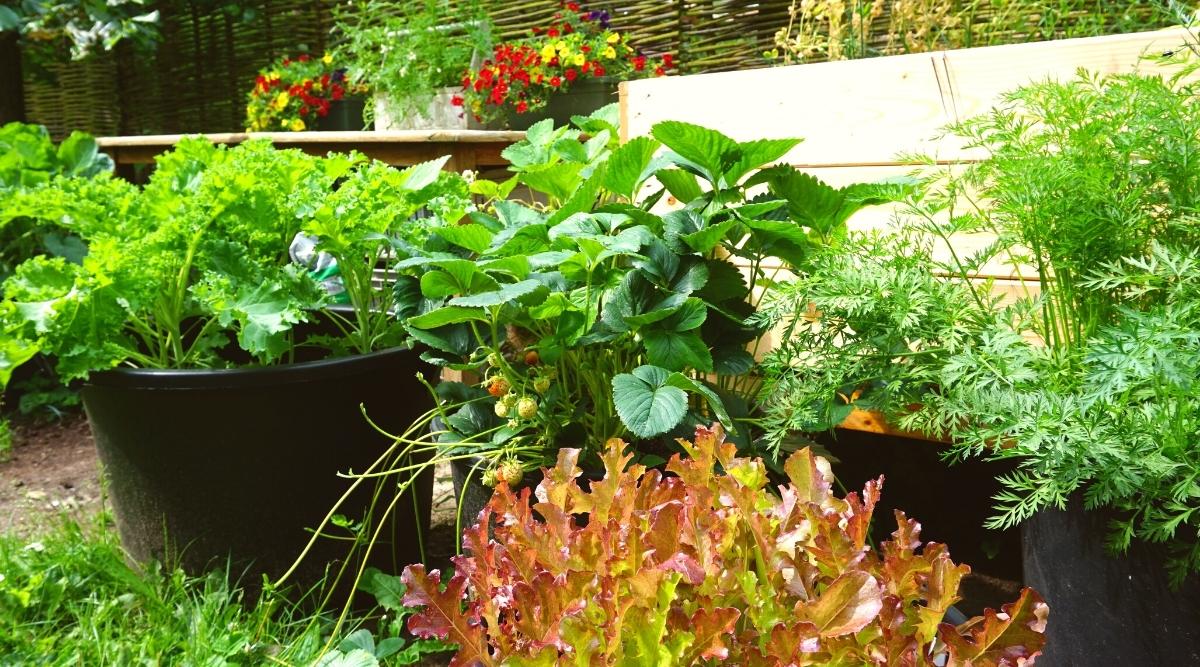

If you have a tiny apartment balcony, a small backyard, or just a few square feet to work with, you might think a vegetable garden is out of reach. The truth is, space constraints don’t mean you can’t grow fresh vegetables at home. With smart planning and the right techniques, you can cultivate a productive garden in almost any small area and harvest vegetables all season long.
How to Grow Vegetables Successfully in Small Spaces
These proven strategies help you maximize your growing area, increase yields, and make the most of limited gardening space.
What You Will Need
- Containers of varying sizes (5-gallon buckets, grow bags, or raised beds)
- Quality potting soil or garden soil blend
- Vertical growing structure (trellis, stakes, or wall-mounted frame)
- Seeds or seedlings suited to compact growing
- Drip irrigation system or watering can with fine nozzle
- Fertilizer formulated for container gardens
Steps
Choose Vertical Growing Methods
Install a sturdy frame or trellis system against a wall, fence, or in a corner to grow vining crops like beans, peas, cucumbers, and tomatoes upward instead of outward. This dramatically increases your growing surface area without expanding your footprint. Train plants to climb by gently tying stems to the support structure as they grow.
Select High-Yield, Compact Varieties
Choose vegetable varieties bred for container growing and compact spaces. Look for bush varieties, dwarf cultivars, and compact peppers or tomatoes rather than sprawling heirloom types. These plants produce abundant harvests while taking up minimal space, allowing you to grow more types of vegetables in your limited area.
Use Proper Container Sizing
Match container depth to root depth requirements: lettuce needs 6-8 inches, peppers need 10-12 inches, and tomatoes need 18-24 inches. Use containers with drainage holes and fill with quality potting soil. Proper sizing prevents root-bound plants and ensures consistent moisture, which is critical for container vegetable success.
Implement Succession Planting
Rather than planting everything at once, stagger your planting every 2-3 weeks throughout the season. As you harvest cool-season crops like lettuce and peas, replant those containers with warm-season vegetables. This continuous cycle ensures fresh vegetables all season from the same growing space.
Space Plants Densely but Strategically
Plant closer together than traditional gardens, but avoid crowding that creates poor air circulation. Reduce spacing by 25-30% from package recommendations. Monitor plant health closely and thin seedlings promptly if they touch leaves. Proper spacing prevents disease while maximizing your yield per square foot.
Install Drip Irrigation or Self-Watering Systems
Containers dry out faster than ground gardens, especially in heat. Set up a simple drip system or use self-watering containers to maintain consistent soil moisture without daily manual watering. Consistent moisture prevents blossom-end rot, splitting, and other stress-related problems common in small-space gardens.
Fertilize Regularly and Appropriately
Container vegetables deplete nutrients faster than ground gardens because frequent watering leaches minerals. Feed with a balanced, water-soluble fertilizer every 2-3 weeks, or use a slow-release formulation mixed into potting soil at planting. Proper nutrition sustains heavy yields from limited space.
Position for Maximum Sunlight
Place your growing containers in the sunniest available location, aiming for at least 6-8 hours of direct sunlight daily for fruiting crops like tomatoes and peppers. If full sun isn’t available, choose shade-tolerant vegetables like lettuce, spinach, and kale. Sunlight exposure directly impacts productivity in small-space gardens.
- Use reflective surfaces like white walls or mirrors behind containers to bounce additional light onto plants, effectively increasing available sunlight in shaded areas.
- Layer containers at different heights using shelves or tiered stands to triple your growing surface area in the same footprint.
- Interplant fast-growing crops (radishes, lettuce) with slower varieties (tomatoes, peppers) to maximize harvest timing and space efficiency.
What to Look For in Small-Space Gardening Equipment
- Container Material and Size: Look for food-safe containers with adequate drainage holes and appropriate depth for your crops. Fabric grow bags offer excellent drainage and aeration, while ceramic or plastic pots provide durability and aesthetics. Size matters: ensure containers match root depth requirements for your specific vegetables.
- Trellis and Support Structure: Choose sturdy, weather-resistant frames that can support the weight of mature vining vegetables. Options range from bamboo stakes to heavy-duty metal trellises. Consider mounting options (wall brackets, stakes, or freestanding) based on your available space and surface type.
- Soil Quality and Composition: Select potting mixes formulated for containers, not garden soil, which compacts in pots. Look for blends containing peat moss or coco coir, perlite, and compost. Avoid garden soil that drains poorly and can harbor soil-borne diseases in the confined container environment.
- Watering and Irrigation System: Evaluate manual watering cans with fine nozzles for small setups, or invest in drip irrigation kits for hands-free consistency. Self-watering containers with built-in reservoirs reduce daily maintenance. Choose systems that deliver water to soil, not foliage, to prevent fungal diseases.
Solo Stove Bonfire Elevated Garden Bed Kit
Best for: All small-space gardeners seeking a complete system
This elevated container garden system combines a sturdy rectangular planter bed with proper drainage and depth for multiple vegetables. The elevated design improves accessibility and visibility while the modern aesthetic complements patios and small yards. Pre-filled with quality soil amendments, it’s ready for immediate planting. Works perfectly for succession planting multiple crop types simultaneously.
Check Current Price on Amazon →Bloem Dura Cotta Large Planter Pot 16 Inch
Best for: Budget-conscious gardeners needing multiple containers
These lightweight, durable containers are affordable enough to buy multiple sizes for different crops. The terracotta appearance provides aesthetic appeal without fragility of real clay. Built-in drainage and adequate depth accommodate tomatoes, peppers, and herbs. Stack them vertically or arrange at different heights for maximum small-space efficiency.
Check Current Price on Amazon →AeroGarden Harvest with Seed Pod Kit
Best for: Beginners with no outdoor space or those new to gardening
This hydroponic indoor growing system eliminates soil, guesswork, and complex watering schedules. An integrated grow light and automated nutrient system produce fresh herbs, peppers, and leafy greens year-round on a countertop. The included seed pods mean no propagation skills required. Perfect for apartment dwellers or those wanting guaranteed success.
Check Current Price on Amazon →Gardman 7 Tier Vertical Garden Planter Tower
Best for: Serious small-space gardeners maximizing vertical space
This impressive seven-tier tower system grows 49 plants in a compact vertical footprint, ideal for balconies or patios. Each tier holds multiple small plants, supporting herbs, lettuce, strawberries, and compact vegetables. The sturdy metal frame withstands weather while the integrated watering system reaches all levels. Achieves commercial-scale productivity in residential spaces.
Check Current Price on Amazon →Root Pouch Fabric Grow Bags 10 Pack Mixed Sizes
Best for: Gardeners wanting flexibility and reusability across seasons
These high-quality fabric grow bags come in multiple sizes for different crop needs. The breathable material ensures excellent drainage and air pruning of roots, promoting healthier plants. Inexpensive enough to buy multiple packs for succession planting, yet durable enough to last several seasons. Compact storage when not in use makes them ideal for small apartments.
Check Current Price on Amazon →Lechuza Windowsill Self-Watering Planter Box
Best for: Apartment dwellers with minimal space like narrow windowsills
This sleek self-watering planter fits on narrow windowsills or small ledges while managing moisture automatically. The integrated water reservoir eliminates daily watering, perfect for busy gardeners or extended absences. Grow herbs, lettuce, or compact vegetables in a footprint that requires just a few inches of depth. Contemporary design suits indoor or outdoor placement.
Check Current Price on Amazon →Wall Blox Modular Vertical Wall Planter System
Best for: Maximizing blank wall space for completely vertical gardens
This modular system mounts directly to walls, converting dead space into productive garden area. Individual pockets hold plants while an irrigation system waters from the top, cascading moisture down. Customize patterns and plant densities to fit your specific wall dimensions. Transforms balconies, patios, and fence lines into lush growing zones.
Check Current Price on Amazon →Click and Grow Smart Garden 9 Pro Indoor Hydroponics
Best for: Tech-savvy gardeners wanting app-controlled indoor farming
This premium indoor hydroponic system uses WiFi-connected technology to monitor plant health via smartphone app. The built-in grow light optimizes for each plant type while the automated nutrient system ensures perfect conditions. Grow 9 plants simultaneously in any room. High success rates make this investment worthwhile for consistent, chemical-free harvests.
Check Current Price on Amazon →Start Your Small-Space Vegetable Garden Today
Growing vegetables in limited spaces is entirely achievable with proper planning, appropriate equipment, and proven techniques. Whether you have a balcony, small yard, or just a sunny window, the strategies outlined here work for any size constraint. Start with one or two simple containers of your favorite vegetables, then expand your system as you gain confidence. The fresh produce you harvest will quickly convince you that small-space gardening delivers remarkable results.
The key to success is choosing the right tools and containers for your specific situation, then implementing consistent care practices like proper watering, regular fertilizing, and strategic plant selection. With the equipment recommendations in this guide, you can build a productive garden that fits perfectly into your limited space. Your homegrown vegetables will taste infinitely better than store-bought alternatives, and you’ll save money while reducing your carbon footprint. Begin planning your vertical garden layout today and prepare for an abundant harvest from your small but mighty growing space.
Frequently Asked Questions
What vegetables grow best in small spaces?
Leafy greens like lettuce and spinach, herbs, peppers, compact tomatoes, beans, peas, radishes, and carrots thrive in containers. Avoid sprawling varieties like full-sized watermelons or corn. Choose compact or dwarf cultivars specifically bred for small-space gardening.
How much sunlight do container vegetables need?
Most fruiting vegetables (tomatoes, peppers) require 6-8 hours of direct sunlight daily. Leafy greens tolerate 4-6 hours. If full sun isn’t available, use reflective surfaces or grow lights to supplement natural light.
How often should I water container vegetables?
Container plants need more frequent watering than ground gardens because soil dries faster. Check soil moisture daily by inserting your finger 1 inch deep. Water when dry at that depth, typically every 1-3 days depending on temperature and container size. Self-watering systems or drip irrigation maintain consistency.
Can I grow vegetables indoors without soil?
Yes, hydroponic and aeroponic systems grow vegetables without soil, using nutrient-enriched water instead. These methods work well for herbs and leafy greens, require less water overall, and eliminate soil-borne diseases. They do require initial equipment investment and some monitoring.
How do I prevent my containers from drying out during vacation?
Use self-watering containers with built-in reservoirs, set up a simple drip irrigation system with a timer, or group containers together in shade to reduce evaporation. Mulching container soil also slows moisture loss significantly during your absence.
As an Amazon Associate, Build & Bloom earns from qualifying purchases. We only recommend products we genuinely think are useful. Prices and availability vary; check Amazon for the latest.
Leave a Reply