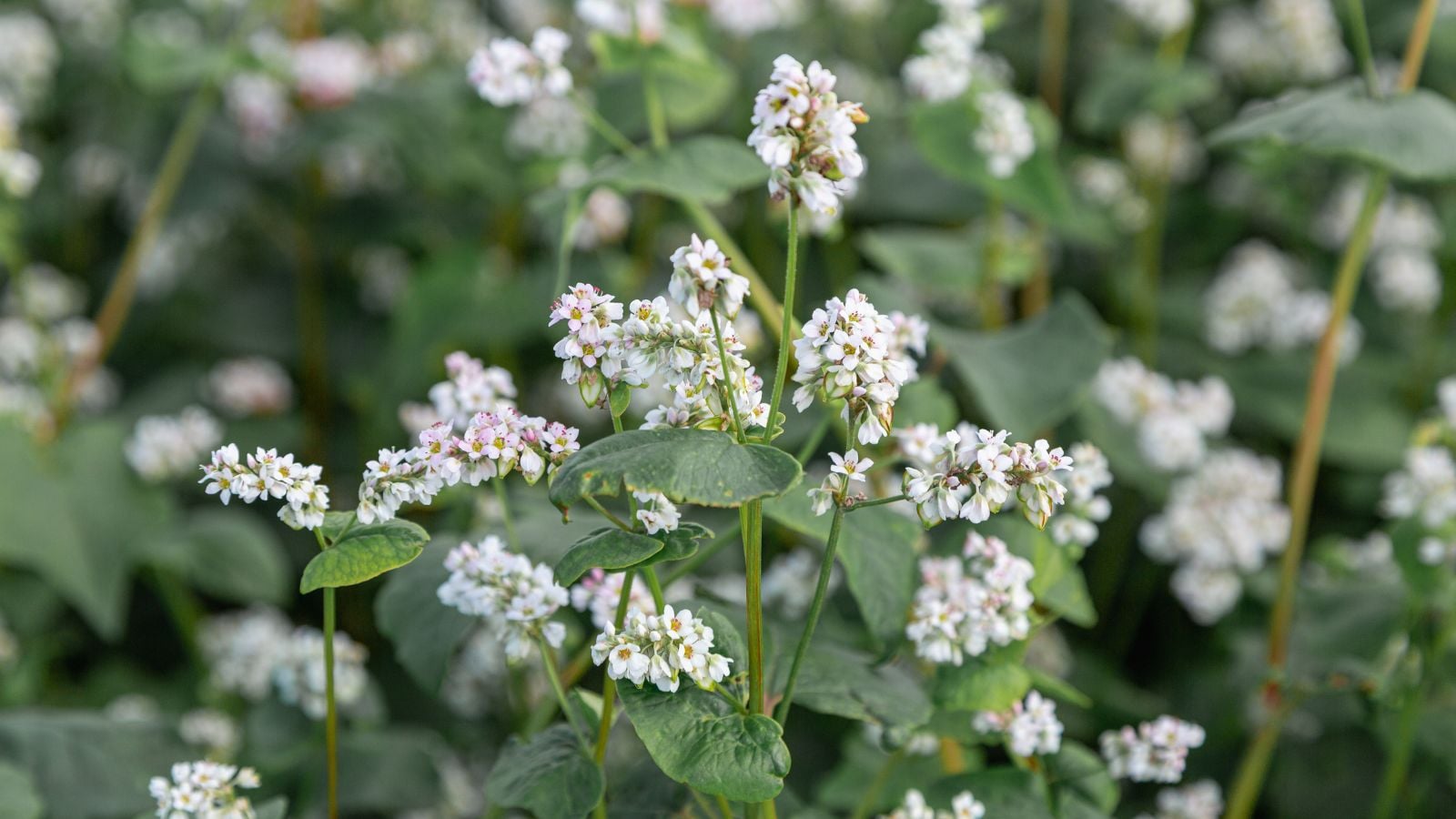

Winter is when most gardeners abandon their raised beds, watching months of soil preparation work get depleted by wind, rain, and weeds. But leaving your beds bare during the cold season is a missed opportunity. Cover crops—fast-growing plants you plant in fall and till in during spring—rebuild soil fertility, eliminate winter weeds, and prevent erosion without synthetic fertilizers. If you’re serious about long-term soil health and want to garden more sustainably, understanding cover crops transforms your entire approach to raised bed management.
Understanding Cover Crops and Their Soil-Building Benefits
Cover crops work by different mechanisms depending on the species you choose. Each type brings specific advantages to your winter raised bed strategy.
Key Concepts to Know
- Legume cover crops (clover, vetch, field peas) – Fix atmospheric nitrogen into soil through symbiotic relationships with beneficial bacteria, adding 40-150 pounds of nitrogen per acre naturally
- Grass cover crops (rye, oats, wheat) – Build soil structure, suppress winter weeds through allelopathy, prevent erosion with extensive root systems, and add carbon-rich organic matter
- Brassica cover crops (rapeseed, mustard) – Break disease cycles, suppress pathogenic organisms, improve soil porosity, and provide pest management benefits
- Combination mixes – Blend legumes and grasses to gain nitrogen fixation plus soil structure benefits simultaneously, reducing need for multiple plantings
Principles of Effective Cover Cropping
1. Plant timing matters for your climate zone
In northern regions (zones 5-6), sow cover crops by early September so they establish before first frost. In moderate climates (zones 7-8), you can plant through late October. In warm regions (zones 9+), plant November through December. The goal is 4-6 weeks of active growth before dormancy to develop a strong root system.
2. Choose crops based on your primary goal
If nitrogen deficiency is your biggest issue, prioritize legumes like hairy vetch or field peas. If weed suppression and erosion prevention are critical, winter rye excels. If you’ve had pest problems, choose mustard varieties. Many gardeners use legume-grass blends to address multiple needs simultaneously.
3. Prepare your raised beds before planting
Remove old crop debris and level the soil surface. You don’t need to dig—simply broadcast seeds directly onto the prepared bed, rake lightly to ensure seed contact with soil, and water gently. Avoid over-tilling, which destroys existing soil structure you’re trying to preserve.
4. Allow adequate growth during dormancy
Winter cover crops typically enter dormancy rather than dying completely. This dormant biomass continues protecting soil from erosion and preventing weeds from establishing. Don’t be alarmed by slow growth—this is normal and necessary for spring decomposition.
5. Turn in cover crops 2-4 weeks before planting
As soil temperatures warm in spring (March-April depending on location), cut down cover crops with a sharp spade or garden scissors. Let the cut material dry for 1-2 days, then incorporate it into the top 4-6 inches of soil using a garden fork. This timing gives microbes opportunity to begin decomposition before you plant vegetables.
6. Monitor decomposition to avoid planting conflicts
Fast-decomposing crops like clover are ready for planting 2 weeks after incorporation. Slower crops like rye may need 3-4 weeks for adequate breakdown. You’ll know decomposition is progressing when the material becomes unrecognizable and smells like rich earth rather than fresh plant matter.
- Mix legume and grass seed at a 30-70 ratio to get nitrogen benefits without the grass overwhelming the nitrogen-fixing plants. Aim for about 20 pounds of seed per 1,000 square feet total.
- In very wet winters, avoid heavy foot traffic on cover-cropped beds. Walking on waterlogged soil compacts it and undoes your soil-building work—wait until spring when the bed dries out.
- Save money by buying bulk seed from agricultural suppliers rather than retail garden centers. A 50-pound bag of winter rye costs a fraction of small retail packets and covers much more area.
What to Look For When Selecting Cover Crop Seeds
- Germination rate and purity: Look for seeds with 85%+ germination rates and high purity (few weed seeds). Bulk agricultural suppliers provide tested seed with guaranteed germination percentages, ensuring better establishment than cheaper retail options.
- Regional suitability and hardiness: Choose varieties rated for your specific USDA zone. Winter rye thrives in zones 3-8, while hairy vetch performs best in zones 4-9. Cold-hardy varieties survive harsh winters; warm-climate types won’t establish in northern regions.
- Single-species versus blended mixes: Single-species seeds offer maximum soil benefits specific to that crop’s strengths. Premade mixes offer convenience and balanced benefits but typically cost more per pound. Calculate which serves your budget and goals better.
- Organic certification if applicable: If you follow organic gardening principles, purchase OMRI-certified seeds to ensure no synthetic treatments. Untreated seeds work identically but may have undergone fungicide or pesticide treatments during storage.
Johnny’s Selected Seeds Winter Rye Cover Crop
Best for: Gardeners seeking reliable winter soil protection and erosion prevention
Johnny’s winter rye is a premium cold-hardy variety that establishes quickly in fall and overwinters reliably through zone 3 winters. It produces extensive root systems that prevent erosion, suppress winter weeds through allelopathy, and add substantial organic matter when tilled in spring. A one-pound bag covers approximately 500-1000 square feet, making it cost-effective for multiple raised beds. Users consistently report excellent germination and vigorous spring growth.
Check Current Price on Amazon →Burpee Hairy Vetch Cover Crop Seed
Best for: Gardeners with nitrogen-depleted soil seeking natural nutrient restoration
Hairy vetch is a legume that forms symbiotic relationships with soil bacteria to fix atmospheric nitrogen, adding 100-150 pounds per acre naturally. Burpee’s variety is extremely cold-hardy and establishes in early fall even in short-season regions. The fuzzy seed coat improves germination rates compared to smooth vetch varieties. One pound covers 200-300 square feet when broadcast properly.
Check Current Price on Amazon →Outsidepride Winter Cover Crop Seed Mix
Best for: Budget-conscious gardeners wanting balanced nitrogen and soil structure benefits
This affordable premade blend combines winter rye and hairy vetch in proportions optimized for both nitrogen fixation and soil protection. At a lower per-pound cost than buying species separately, it eliminates guesswork about proper mixing ratios. The 5-pound bag covers approximately 5,000 square feet, making it economical for large garden areas. Germination rates are reliable and consistent.
Check Current Price on Amazon →Southern Exposure Seed Exchange Crimson Clover
Best for: First-time cover crop gardeners seeking fast visible results
Crimson clover establishes rapidly with noticeable growth even in cool fall weather, giving beginners confidence that their investment is working. It fixes significant nitrogen while producing attractive red flowers that benefit pollinators. The seed is larger and easier to handle than tiny vetch seeds, making sowing less frustrating for newcomers. One pound covers 200-250 square feet.
Check Current Price on Amazon →Start Building Better Soil Today
Cover cropping transforms raised beds from seasonal production spaces into living soil systems that improve year after year. By dedicating your winter beds to nitrogen-fixing legumes and structure-building grasses, you eliminate the need for expensive amendments while preventing erosion, suppressing weeds, and breaking disease cycles. The initial investment in cover crop seeds pays dividends through reduced fertilizer costs and consistently better vegetable performance season after season.
Begin this fall by selecting one or two raised beds for a cover crop experiment. Start with winter rye if erosion and weeds are your primary concerns, or hairy vetch if your soil is nitrogen-depleted. Watch how these plants transform your beds throughout winter dormancy, then experience the tangible difference when you plant spring vegetables into soil rebuilt by cover crops. Once you see the results, you’ll understand why experienced gardeners consider cover cropping non-negotiable for long-term garden success.
Frequently Asked Questions
Do I need to kill cover crops before spring planting, or can I just plant through them?
You must terminate cover crops before planting vegetables. Simply planting over living cover crops stresses both the vegetable transplants and the cover crop biomass, reducing benefits. Cut them down and incorporate into soil 2-4 weeks before planting to allow decomposition and nutrient availability for your vegetables.
Can cover crops take over my garden and become a weed problem?
No, not if you terminate them properly in spring. Cover crops are intentional plantings under your control. Winter termination through freezing naturally stops most varieties. In spring, cutting them down and tilling them in ends their growth cycle. They won’t reseed because you remove them before flowering.
What’s the cheapest way to get cover crop seeds for large areas?
Buy bulk seed from agricultural suppliers like Johnny’s Selected Seeds or local farm co-ops rather than retail garden centers. Agricultural suppliers sell 25-50 pound bags at per-pound costs 60-80% cheaper than retail packets. You’ll have excess seed to share with fellow gardeners or use for multiple seasons.
Should I fertilize my cover crops or just let them grow on their own?
Legume cover crops (clover, vetch) require no added nitrogen since they produce their own. Grass crops benefit slightly from existing soil nutrients but don’t typically need supplemental fertilizer. Water them if fall is exceptionally dry, but otherwise let them establish naturally without additional inputs.
Can I use cover crops in raised beds that have poor soil, or should I improve it first?
Cover crops actually improve poor soil, so starting with degraded beds is when they’re most valuable. Plant them even in poor conditions—legumes add nitrogen and grasses add organic matter, both addressing core deficiencies. After one full season of cover cropping, soil quality improves dramatically.
As an Amazon Associate, Build & Bloom earns from qualifying purchases. We only recommend products we genuinely think are useful. Prices and availability vary; check Amazon for the latest.
Leave a Reply