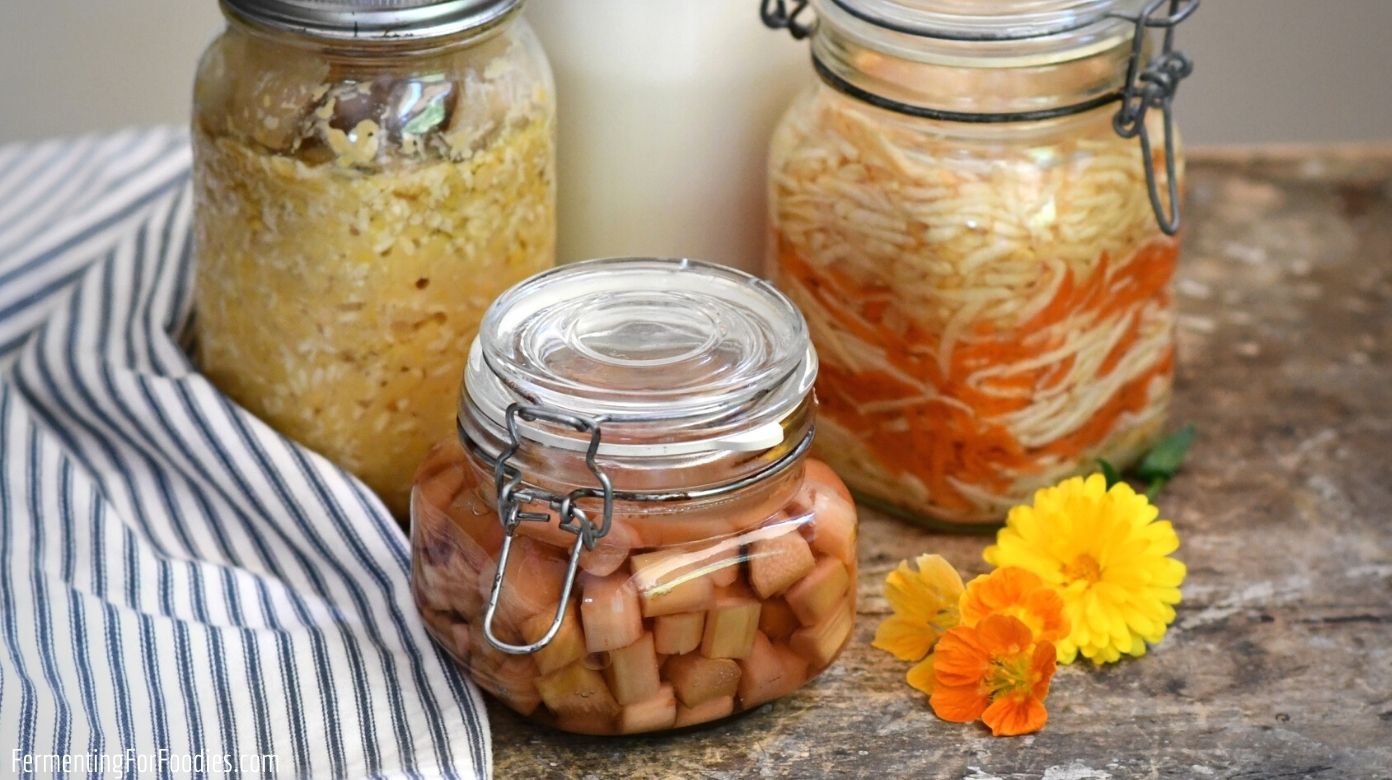

You’ve seen fermented foods everywhere—from gut-health supplements to fancy grocery store shelves—but you think making them at home sounds complicated. The truth is, fermentation is one of the easiest preservation methods available. With just salt, water, vegetables, and a jar, you can create probiotic-rich foods that transform your digestion and flavor profile. This guide walks you through nine beginner recipes that take minutes to prep and handle themselves while you go about your life.
How to Make Your First Fermented Vegetables
All vegetable ferments follow the same basic principle: salt inhibits harmful bacteria while encouraging lactobacillus to thrive. Here’s the foundational method that works for cabbage, carrots, cucumbers, or mixed vegetables.
Ingredients
- Fresh vegetables (cabbage, carrots, cucumbers, green beans, or mixed), 2-3 pounds
- Sea salt or pickling salt, 2-3 tablespoons (approximately 2% of vegetable weight)
- Filtered water, 2-3 cups (chlorine can inhibit fermentation)
- Optional aromatics: garlic cloves, fresh dill, peppercorns, turmeric, ginger, or chili peppers
- Optional spices: caraway seeds, coriander, mustard seeds, or fresh herbs
Method
Prepare your vegetables
Wash vegetables thoroughly under running water and pat dry. Remove any damaged outer leaves from cabbage or tough stems. Slice, chop, or leave whole depending on your recipe—thinner pieces ferment faster (3-5 days), while whole vegetables take longer (1-2 weeks). Keep pieces roughly uniform in size for even fermentation.
Mix salt with vegetables
Place chopped vegetables in a large bowl and sprinkle salt evenly over them. Using clean hands, massage the vegetables for 5-10 minutes until they release their own liquid (brine). This process breaks down cell walls and draws water out through osmosis, creating the brine that will preserve your ferment.
Add aromatics and seasonings
Now is the time to add garlic, fresh herbs, spices, or other flavorings. Mix them through the vegetables gently but thoroughly. Avoid dried herbs initially—they can introduce unwanted mold spores; save those for adding at the end if desired.
Pack the jar tightly
Transfer vegetables and accumulated brine into a clean glass jar using clean utensils. Pack them down firmly so the vegetables are submerged beneath the liquid surface. This is critical: any vegetable exposed to air can develop mold. Use a weight, smaller jar, or clean cabbage leaf tucked under the jar rim to keep everything underwater.
Cover loosely and place in a cool location
Cover the jar with a breathable cloth, coffee filter, or loose lid that allows gas to escape but prevents dust and insects from entering. Fermentation produces carbon dioxide, which needs to escape. Keep the jar away from direct sunlight at room temperature (ideally 60-75 degrees Fahrenheit).
Monitor daily and taste after 3-5 days
Starting day three, open the jar and press vegetables back down if they’ve risen above the brine. Take a small taste with a clean fork. You’ll notice a pleasant tangy flavor developing. When it reaches your preferred sourness level, transfer to refrigeration to dramatically slow fermentation.
Store in the refrigerator long-term
Once your ferment tastes right, seal the jar and move it to cold storage. Fermentation slows dramatically in the fridge but never completely stops, so flavor will continue developing subtly over months. Most ferments keep for 4-6 months refrigerated.
- Start with cabbage-based ferments (sauerkraut, kimchi) because cabbage naturally produces abundant brine and is very forgiving for beginners
- Always keep vegetables fully submerged—white surface growth (kahm yeast) is harmless but indicates exposure to air; pink or fuzzy mold means discard the batch
- Create a fermentation calendar: label jars with the start date so you remember when to taste and transition to the fridge
What to Look For in Fermentation Equipment
- Glass jar quality and size: Choose borosilicate glass (food-grade, thermal shock resistant) in quart or half-gallon sizes. Avoid plastic, which can leach chemicals and is difficult to keep bacteria-free. Wide-mouth jars make packing and removing vegetables much easier than narrow designs.
- Weight system functionality: Weights keep vegetables submerged by pressing them below the brine surface. Options include glass weights, ceramic pieces, or folded cabbage leaves. The best weights are removable and easy to clean, allowing vegetables to float naturally while staying beneath liquid.
- Airlock or breathable cover design: Fermentation produces gas that must escape without allowing oxygen and contaminants in. Airlocks, cloth covers, or loose lids all work. Avoid sealed lids initially—pressure buildup can crack jars. Consider an airlock lid if you want zero monitoring during fermentation.
- Salt purity and type: Use sea salt or pickling salt without iodine or anti-caking agents, which inhibit fermentation. Himalayan pink salt works but may discolor lighter vegetables. Measure by weight (2% of vegetable weight) rather than volume for consistency.
Fido Glass Jar with Lid and Rubber Gasket
Best for: Fermentation beginners seeking reliability
The Fido jar is a European-style fermentation vessel with an airtight rubber gasket and metal clamp that creates the perfect environment for fermentation. The wide mouth accommodates vegetables easily, and the clear glass lets you monitor progress. The clamp allows slight gas escape while preventing contamination. Sizes from 1 liter to 3 liters accommodate any recipe. Many fermenting experts recommend this as the gold standard for hands-off fermentation.
Check Current Price on Amazon →Ball Wide Mouth Quart Mason Jar (12-pack)
Best for: Cost-conscious beginners making small batches
The affordable classic: Ball quart mason jars are available everywhere and cost mere dollars per jar. The wide mouth opening simplifies packing and removal. While not specifically designed for fermentation, they work perfectly when used with proper weights and breathable covers. This 12-pack lets you simultaneously ferment multiple recipes. Many home fermenters start here and upgrade later.
Check Current Price on Amazon →Fermentation Crock Kit by Earthenware (2-Liter)
Best for: Hands-off fermenters wanting foolproof design
This ceramic fermentation crock features an integrated water-seal moat that creates an airlock automatically—gas escapes through water while preventing oxygen entry. Simply fill the moat with water and forget about it. The weight sits inside to keep vegetables submerged. At 2 liters, it’s ideal for 2-3 pounds of vegetables. The traditional German design has worked for centuries and requires zero monitoring.
Check Current Price on Amazon →Buon Vino Better Bottle Carboy Fermentation Kit
Best for: Serious fermenters scaling up production
This 5-liter PET plastic carboy (food-grade, unlike typical plastic) includes an airlock valve system designed for winemaking but perfect for large vegetable ferments. The included thermometer strip helps maintain optimal fermentation temperature. The size accommodates 8-10 pounds of vegetables. PET plastic is more durable than glass for bulk fermentation, though glass remains ideal for monitoring.
Check Current Price on Amazon →Mortier Pilon Glass Fermenting Jar Set (2 x 1-Liter)
Best for: Minimalist fermenters wanting everything included
This Canadian-made set includes two 1-liter borosilicate glass jars with custom silicone lids that allow CO2 escape while creating a partial seal. Glass weights and breathable cloth covers are included. The matching pair lets you ferment two recipes simultaneously. Superior glass quality and thoughtful design make this an excellent all-in-one solution.
Check Current Price on Amazon →The Kitchy Fermentation Kit with Weights and Lids
Best for: Budget fermenters wanting a complete starter set
This comprehensive kit bundles two wide-mouth quart jars, glass weights, breathable lids, and written instructions into one affordable package. The glass weights are specifically designed to fit inside jars and keep vegetables submerged. The kit removes guesswork for complete beginners. Multiple reviews praise the quality-to-price ratio and thoroughness of included instructions.
Check Current Price on Amazon →Weck Glass Jar with Glass Lid and Rubber Seal (1-Liter)
Best for: Minimalist kitchens and single-person households
The elegant German Weck jar is a compact 1-liter vessel with a smooth glass lid and rubber gasket. Perfect for small 1-2 pound batches, it looks beautiful on any shelf. The simple design—no clamps or complicated lids—makes it intuitive for beginners. Weck jars are designed for preserving but work excellently for fermentation with proper weighting.
Check Current Price on Amazon →Harsch German Fermentation Crock (5-Liter)
Best for: Serious fermenters wanting heirloom-quality equipment
The premium German Harsch crock is handmade ceramic with a sophisticated water-seal design that maintains perfect fermentation conditions passively. The 5-liter capacity handles substantial harvests. The weight system keeps all vegetables submerged. This heirloom piece will last decades and improve with use. Professional fermenteries and serious home enthusiasts choose Harsch for reliability and beauty.
Check Current Price on Amazon →Start Your Fermentation Journey Today
Fermentation is genuinely one of the most forgiving food preservation methods available. Unlike canning (which requires precise temperature control and special equipment) or dehydrating (which needs specific conditions), fermentation works with minimal intervention. Salt, time, and anaerobic conditions do virtually all the work. Your first batch takes perhaps 15 minutes of hands-on time, then you simply wait while beneficial bacteria transform ordinary vegetables into probiotic powerhouses.
Begin with simple cabbage-based ferments because cabbage’s natural abundance of liquid makes success nearly guaranteed. Invest in one good glass jar with a weight system—the Fido or a mason jar with supplementary weights—and you’ll have everything needed. As your confidence grows, explore kimchi, pickled cucumbers, fermented hot sauces, and complex vegetable blends. Within weeks, you’ll transition from “I thought fermentation was complicated” to “I’m fermenting multiple jars simultaneously.” That’s when you’ll discover why fermentation cultures have thrived for thousands of years: it’s simple, reliable, and creates genuinely delicious food that nourishes your gut.
Frequently Asked Questions
How do I know if my ferment has gone bad?
Good ferments smell tangy and pleasantly sour. Discard the batch if you see pink or fuzzy mold (not the white kahm yeast), smell rotten eggs or vinegar-gone-wrong, or notice slimy texture. A cloudy appearance or white surface film is normal and harmless—just press it down and continue fermenting.
Can I ferment in plastic containers instead of glass?
Glass is preferable because it’s inert and lets you monitor progress visually. Food-grade plastic works (check recycling number 2 or 5), but avoid regular plastic containers. Plastic can absorb flavors and harbor bacteria in microscopic scratches. If using plastic, sterilize it thoroughly before each use.
What temperature is best for fermentation?
Ideal fermentation happens between 60-75 degrees Fahrenheit. Warmer temperatures (75-85F) speed up fermentation but can produce softer vegetables. Cooler temperatures (55-60F) slow fermentation, creating crunchier results but taking 2-3 weeks. Avoid temperatures below 50F or above 85F, which inhibit or kill beneficial bacteria.
Can I reuse the brine from a finished ferment for a new batch?
Yes, starter cultures (used brine) from successful ferments can inoculate new batches, reducing fermentation time by 2-3 days. Strain out solids and use 2-3 tablespoons of liquid per new batch. This technique accelerates fermentation but isn’t necessary for beginners starting fresh.
How long do homemade ferments stay fresh in the refrigerator?
Properly fermented and refrigerated vegetables typically keep 4-6 months. Some last longer depending on salt content and storage conditions. Always use clean utensils when removing portions, and if the jar is kept sealed between uses, fermentation continues slowly, gradually intensifying flavor.
As an Amazon Associate, Build & Bloom earns from qualifying purchases. We only recommend products we genuinely think are useful. Prices and availability vary; check Amazon for the latest.
Leave a Reply