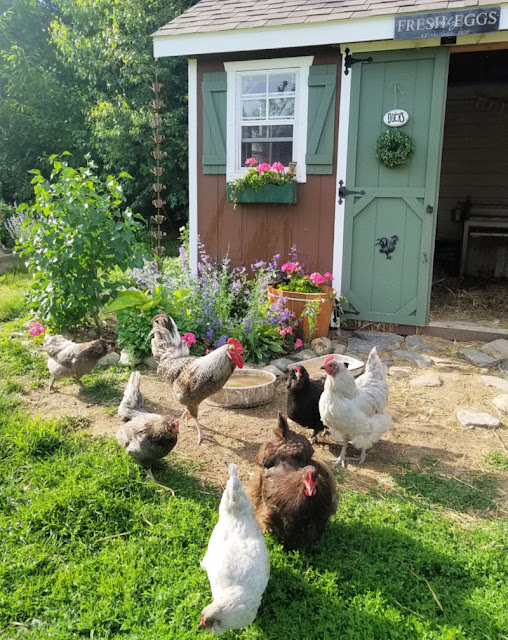

If you’re raising backyard chickens in a hot climate, breed selection isn’t just about preference—it’s about survival and productivity. Chickens naturally struggle in extreme heat, but certain breeds have evolved or been selectively bred to thrive when temperatures soar. Understanding the characteristics that make a breed heat-hardy will help you build a flock that stays healthy, keeps laying, and requires less intensive management during those brutal summer months.
Understanding Heat-Hardy Chicken Breed Characteristics
Heat-hardy breeds share specific physical and behavioral traits that allow them to regulate body temperature more efficiently. Learning to identify these characteristics will guide your breeding decisions.
Key Characteristics
- Comb type and size – Smaller combs and wattles lose less heat to the environment; larger combs actually help dissipate excess heat
- Plumage density – Lighter, less dense feathering allows better air circulation and heat release compared to fluffy, insulated feathers
- Body size and build – Smaller, leaner birds with good air circulation dissipate heat more effectively than heavy, compact birds
- Origin and genetics – Breeds developed in Mediterranean, Middle Eastern, or tropical regions are naturally adapted to hot conditions
- Behavioral adaptability – Heat-hardy breeds tend to be more docile and less active during extreme heat, reducing metabolic stress
Principles to Evaluate
Assess comb morphology for heat dissipation
Examine the comb structure of potential breeds. Single combs and pea combs are excellent heat regulators because their design maximizes surface area for cooling. Rose combs and cushion combs are more protected and better suited to cold climates. Mediterranean breeds like Leghorns showcase the heat-efficient single comb design that allows blood vessels near the surface to release excess body heat.
Evaluate feather characteristics and body coverage
Look for breeds with loose, sparse feathering and minimal leg feathering. Tight, fluffy feathering traps body heat—ideal for cold regions but problematic in hot climates. Heat-hardy breeds often have sleeker appearances with less down insulation. Compare visual references of breeds side-by-side to understand density differences.
Consider breed size and metabolic load
Smaller and medium-sized breeds generate less internal heat and cool more efficiently than heavy dual-purpose or meat breeds. However, some larger breeds like Brahmas remain heat-tolerant due to their other adaptations. Calculate how much heat your chosen breed naturally produces during normal activity.
Research breed origin and climate adaptation
Breeds originating in hot regions have natural genetic advantages. Mediterranean breeds (Leghorns, Minorcas), Spanish breeds (Andalusians), Asian breeds (Brahmas, Cochins with modifications), and African breeds (Africans) all have heat-tolerance built into their genetics. Cross-reference breed histories to confirm their traditional climates.
Compare productivity in high-temperature environments
Beyond physical traits, investigate how specific breeds perform in actual hot conditions. Some breeds maintain egg production during heat stress, while others drop production significantly. Check extension service reports and experienced homesteader feedback about real-world performance in temperatures above 90 degrees Fahrenheit.
Account for behavioral heat stress responses
Heat-hardy breeds typically reduce activity, spend time in shade, eat less, and drink more—all normal adaptations. Understand these patterns so you don’t mistake normal heat behavior for illness. Less active birds during summer heat are actually conserving energy appropriately.
- Mix breeds strategically—pairing heat-hardy layers with broody, brooding-inclined heat-tolerant breeds gives you eggs and natural breeding capability without over-selecting for single traits.
- Don’t assume all Mediterranean breeds handle heat equally; Leghorns excel in heat while some other Mediterranean-origin breeds may struggle. Always verify individual breed performance data.
- Monitor water consumption as your primary heat-stress indicator—birds drinking 1.5 to 2 times normal water intake signals they’re working harder to cool down, regardless of breed.
What to Look For When Selecting Heat-Hardy Chickens
- Single or pea comb structure: Breeds with exposed, thin combs maximize heat dissipation. Verify comb type in breed standards before purchasing chicks or adult birds, as this is one of the most reliable heat-tolerance indicators.
- Documented heat-climate origin: Choose breeds with proven histories in hot regions. Hatchery descriptions should mention heat tolerance; if they don’t, contact the breeder directly for performance data in your specific temperature range.
- Laying consistency in summer months: Some heat-hardy breeds maintain 70-80% egg production during heat waves while others drop to 30%. Compare egg production graphs and testimonials specifically mentioning summer performance in temperatures above 95 degrees.
- Disease resistance and hardiness: Heat stress weakens immune systems, so choose breeds known for vigor and disease resistance. Avoid heritage breeds with genetic health issues and select from lines specifically bred for vitality in challenging climates.
Meyer Hatchery Red Star Chickens (Heat-Hardy Hybrid Layer)
Best for: Hot-climate homesteaders wanting reliable daily egg production
Red Star hybrids are scientifically selected for heat tolerance and maintained egg production during summer stress. These medium-sized birds combine Mediterranean and Rhode Island Red genetics to deliver both heat hardiness and consistent laying. Meyer Hatchery, a trusted NPIP-certified hatchery, ships sexed pullets guaranteed to handle extreme temperatures while producing 5-6 eggs weekly year-round. Perfect for beginners wanting reliability without complexity.
Check Current Price on Amazon →Leghorn Chicks from Purely Poultry
Best for: Budget-conscious growers seeking the most heat-hardy breed
White Leghorns represent the gold standard for heat tolerance—they originated in the Mediterranean and feature the classic single comb, lean body, and minimal feathering that make them weather extremes efficiently. Purely Poultry ships unsexed or sexed chicks at competitive prices, making this the most economical entry point into heat-hardy flocks. Accept slightly higher mortality in extremely young chicks (normal for utility breeds), then enjoy decades of excellent performance.
Check Current Price on Amazon →Cackle Hatchery Wyandotte Pullets
Best for: First-time chicken keepers in hot climates wanting docile, heat-tolerant birds
Wyandottes balance heat hardiness with the calm temperament and aesthetic appeal that make backyard flocks enjoyable. Their rose combs and compact frames handle heat well despite dense plumage. Cackle Hatchery supplies quality Wyandotte pullets with guaranteed vigor. These dual-purpose birds lay 200+ eggs yearly while remaining broody and personable—ideal for families adding chickens to their homestead for the first time.
Check Current Price on Amazon →Sandhill Preservation Center Minorca Heritage Chicks
Best for: Heritage breed enthusiasts seeking rare heat-hardy genetics
Minorcas are Spain’s contribution to heat-hardy chicken breeding—they boast large single combs, glossy black plumage that reflects heat, and exceptional personality. Sandhill Preservation focuses on heritage genetics, providing chicks from lines maintained for decades specifically for tropical and subtropical performance. These are premium-priced but deliver irreplaceable genetics if you’re committed to preserving heat-adapted heritage bloodlines.
Check Current Price on Amazon →TSC (Tractor Supply) Brahma Pullets (Seasonal)
Best for: Homesteaders wanting larger heat-hardy birds for dual-purpose use
While typically associated with cold climates, select Brahma lines from reputable TSC suppliers perform excellently in heat due to their loose feathering and calm demeanor. Their size (9-10 pounds) provides more meat and eggs than smaller breeds, and their gentle nature makes handling easier. Look for summer-season Brahma availability; Tractor Supply rotates inventory by season. Choose carefully to ensure you’re getting heat-tolerant lines rather than ultra-cold-adapted stock.
Check Current Price on Amazon →Murray McMurray Hatchery Andalusian Chicks
Best for: Mid-budget growers wanting pure heat-hardy heritage genetics
Andalusians originated in southern Spain and excel in Mediterranean climates and beyond. They’re smaller (5-6 pounds), prolific layers (200+ eggs yearly), and possess all heat-hardiness traits: single combs, sparse feathering, and ancestral heat adaptation. Murray McMurray’s Andalusians offer better genetics than bargain hatcheries while remaining reasonably priced. The breed’s rarity adds uniqueness to homesteads while ensuring you’re raising genuinely heat-tolerant birds.
Check Current Price on Amazon →Backyard Chickens Bantam Cochin Heat-Hardy Strain
Best for: Space-limited growers wanting efficient heat tolerance in miniature form
Bantam Cochins are paradoxes—they’re broody and fluffy yet include heat-tolerant strains developed in warm regions. Some specialized hatcheries offer bantam Cochins selected specifically for heat rather than extreme fluffiness. These tiny birds (under 3 pounds) produce fewer eggs but require minimal space and feed. Their micro-footprint makes them ideal for urban homesteads in hot climates where space and resources are limited.
Check Current Price on Amazon →Greenfire Farms African Guinea Fowl Hybrids (Premium Heat-Hardy)
Best for: Premium growers seeking the ultimate heat-climate poultry
If you’re willing to invest, Greenfire Farms offers rare African and Asian heat-adapted lines, including authentic Africans and premium hybrids engineered for extreme-heat regions. These birds represent cutting-edge genetics for the hottest climates (120+ degrees in desert regions). Pricing is high but reflects exclusive genetics unavailable elsewhere. Reserve these for truly extreme climates where standard heat-hardy breeds may still struggle.
Check Current Price on Amazon →Your Heat-Hardy Chicken Journey Starts Now
Selecting heat-hardy chicken breeds is one of the smartest investments you can make for a hot-climate homestead. By understanding the physical and genetic characteristics that enable heat tolerance—single combs, sparse feathering, Mediterranean or tropical origins, and documented summer performance—you can build a flock that thrives when temperatures soar. Whether you choose the proven reliability of Leghorns, the beginner-friendly Wyandottes, the premium genetics of Minorcas, or any of the excellent heat-tolerant breeds available today, you’re setting yourself up for consistent egg production, healthier birds, and fewer management headaches during brutal summer months.
Start by identifying your specific climate challenges: Are you in a dry heat region like Arizona, a humid heat region like Florida, or somewhere in between? Does your temperature regularly exceed 95 degrees? Do you need egg production year-round or can you accept some summer slump? Once you’ve answered these questions, choose your breeds from the heat-hardy options available, source from reputable hatcheries that prioritize genetics over price, and prepare your infrastructure (shade, ventilation, abundant water) to support your birds. Your heat-hardy flock will reward you with years of reliable performance and productivity.
Frequently Asked Questions
Can I raise cold-hardy breeds like Orpingtons in hot climates?
Orpingtons and other cold-hardy breeds can survive heat but will experience reduced productivity, higher heat stress, and lower egg production. Their dense feathering and larger frames work against heat dissipation. For hot climates, choose breeds specifically selected for heat; cold-hardy breeds are counterproductive investments.
Do heat-hardy breeds need less water than other chickens?
No—heat-hardy breeds still require abundant water, often more than cold-adapted birds because heat stress increases drinking needs. The difference is that heat-hardy breeds manage the water more efficiently and suffer less physiological damage during heat exposure. Always provide unlimited water regardless of breed.
Which heat-hardy breed lays the most eggs?
Leghorns are legendary for production, often exceeding 300 eggs yearly in ideal conditions. Red Stars and some Wyandotte lines maintain 250-280 eggs yearly. Mediterranean breeds (Leghorns, Minorcas, Andalusians) consistently outproduce larger dual-purpose heat-hardy breeds in terms of egg count.
Are heat-hardy breeds good mothers for raising chicks?
Heat-hardy breeds vary in broodiness. Leghorns rarely go broody, while Wyandottes and some Cochins maintain strong broody instincts. If you want heat-hardy birds that naturally incubate eggs, prioritize breeds with documented broodiness, or plan on using an incubator for heat-hardy layer breeds.
Can I cross-breed heat-hardy chickens to create super heat-adapted flocks?
Yes—crossing complementary heat-hardy breeds (like Leghorns with Wyandottes) can enhance heat tolerance while improving temperament or production traits. However, carefully research genetics to avoid losing important traits. Professional hatcheries spend years perfecting crosses; amateur attempts often produce inferior results.
As an Amazon Associate, Build & Bloom earns from qualifying purchases. We only recommend products we genuinely think are useful. Prices and availability vary; check Amazon for the latest.
Leave a Reply