
Moving off-grid means saying goodbye to municipal services and ready-made solutions. Without electricity, running water, and convenient stores just down the road, you’ll need a curated toolkit that handles everything from daily survival to seasonal maintenance. Many people stockpile hundreds of dollars in tools they’ll never use, while missing the dozen that actually matter. This guide breaks down the essential off-grid toolkit into categories that genuinely support self-sufficiency, so you can invest wisely and build confidence in your ability to handle whatever your homestead throws at you.
The 5 Core Categories of Off-Grid Tools
Effective off-grid living depends on tools organized around five critical functions. Understanding these categories helps you prioritize purchases and recognize gaps in your toolkit.
Key Concepts
- Water management tools – for collection, storage, filtering, and distribution without municipal infrastructure
- Food production tools – for growing, harvesting, and preserving food year-round
- Fire and heat tools – for cooking, warmth, and emergency heating when power is unavailable
- Repair and maintenance tools – for fixing structures, equipment, and systems without professional services
- Energy independence tools – for generating, storing, and managing alternative power sources
Principles
Prioritize Water Independence First
Water is your most critical resource off-grid. Invest in collection systems (rain barrels or cisterns), filtration equipment to remove contaminants, and storage containers for dry seasons. A simple hand pump or gravity-fed system ensures water access even during power outages. Most off-gridders spend 30-40% of their tool budget on water infrastructure because it directly impacts health and daily living.
Build Your Food Production Arsenal
Gardening and preservation tools are non-negotiable for food security. You’ll need digging implements, cutting tools for harvest, and equipment for food processing and storage. A quality spade, hoe, pruning saw, and canning supplies form your foundation. These tools multiply your land’s productivity and extend your growing season’s benefits throughout the year.
Master Fire-Based Cooking and Heat
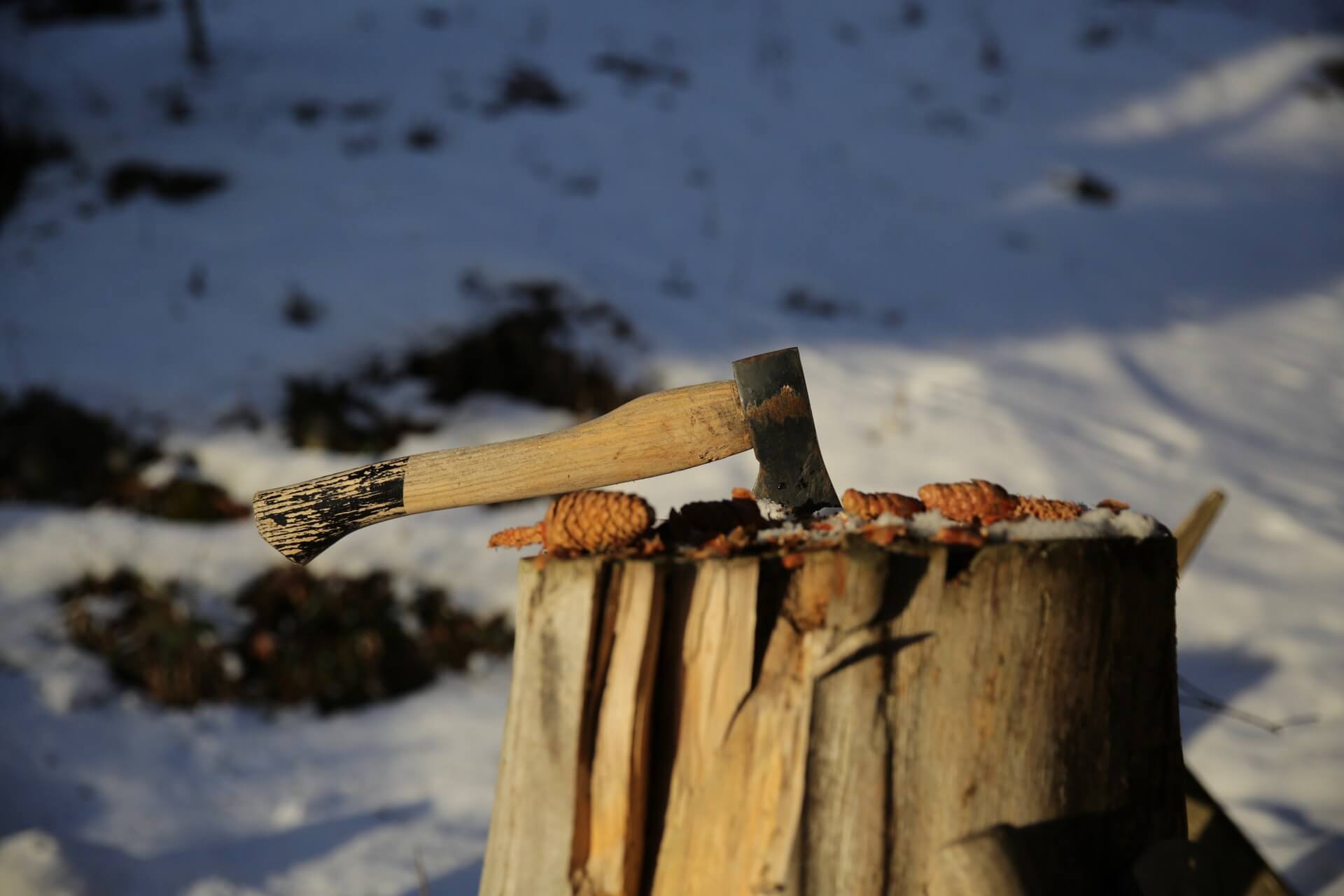
Without reliable electricity, fire becomes your primary cooking and heating method. Essential tools include axes for wood processing, grates for cooking over open flame, and cast iron cookware that distributes heat evenly. Learn to safely manage these tools because they’re used daily in off-grid living. Your comfort and nutrition depend on reliable fire management.
Assemble Basic Repair Capabilities
Professional repairs are expensive or impossible off-grid, so basic maintenance skills and tools are essential. A quality multi-tool, adjustable wrench set, hammer, saw, and level handle 80% of common repairs. Store these in an accessible location and spend time learning proper techniques. Prevention through regular maintenance saves money and reduces emergencies.
Develop Renewable Energy Knowledge
Whether using solar panels, wind turbines, or micro-hydro systems, specialized tools help with installation and maintenance. Voltmeters, wire strippers, and basic electrical tools let you monitor system health and troubleshoot problems. Start with simple systems and understand their operation before expanding your setup.
- Buy quality hand tools first – batteries die, but a well-made shovel or axe lasts decades and improves your efficiency daily
- Learn to sharpen blades and maintain tools immediately after purchase; dull tools require more effort and cause injuries
- Join local homesteading groups to borrow specialty tools before buying (fencing tools, large equipment) since they’re used seasonally
What to Look For in Off-Grid Tools
- Durability and Material Quality: Off-grid tools must survive heavy use without access to quick replacements. Look for forged steel construction, hardwood handles (not plastic), and minimal plastic components. Quality tools cost more upfront but last decades with proper maintenance.
- Hand-Powered or Mechanical Operation: Avoid battery-dependent tools when possible. Hand tools and mechanical implements work regardless of power availability and don’t require charging infrastructure. They’re slower but infinitely more reliable in off-grid situations.
- Repairability and Spare Parts Availability: Choose tools from established brands where handles, blades, and components can be replaced. Proprietary tools that require manufacturer repairs become expensive dead weight off-grid. Universal sizes and standard parts mean longevity.
- Versatility and Multi-Purpose Design: Off-gridders have limited storage, so tools serving multiple functions reduce clutter and cost. A quality multi-tool handles dozens of small tasks; a spade works for digging, edging, and cutting. Each tool should earn its shelf space.
Fiskars X27 Super Splitting Maul
Best for: Off-grid wood processing and daily heating
This 6-pound splitting maul is the cornerstone tool for off-grid living with wood heating or cooking. The beveled blade design reduces splitting force needed by 30%, making it accessible even for smaller-framed users. With a reinforced fiberglass handle and lifetime warranty, this tool handles cord after cord of wood. Every off-grid homesteader ranks the splitting maul as their most-used tool because processed firewood is non-negotiable.
Check Current Price on Amazon →Leatherworking Tool Kit by Craftsman 12-Piece
Best for: Basic repair work and maintenance
This affordable toolkit includes hammer, wrench, screwdriver set, and utility knife – the baseline tools every off-grid homestead needs. The Craftsman brand ensures replacement parts are available at hardware stores. While not professional-grade, this set handles 90% of routine repairs and costs under $30, making it perfect for those just starting their off-grid journey.
Check Current Price on Amazon →Rubbermaid Roughneck 50-Gallon Water Storage Barrel
Best for: Off-grid water collection and storage
Water independence starts with reliable storage. This food-grade barrel resists UV damage and includes a removable top for easy filling and cleaning. At under $50, it’s affordable enough to buy multiple barrels for redundancy. Off-grid homesteaders often connect several of these with simple tubing to create functional water systems that work with gravity alone.
Check Current Price on Amazon →Spear & Jackson Traditional Garden Spade
Best for: Food production and soil work
This British-made spade features a carbon steel blade and wooden handle designed to last generations. The flat blade cuts through soil, clay, and roots efficiently without requiring electricity or ongoing maintenance. At around $35-40, it’s one of the few tools that improves with age as the wood handle becomes more seasoned. Essential for establishing gardens and maintaining off-grid food systems.
Check Current Price on Amazon →Victorinox SwissChamp XLT Multi-Tool
Best for: Everyday repairs and quick fixes
This 39-function multi-tool combines pliers, screwdrivers, saw, file, can opener, and scissors in a single pocket-sized package. Victorinox’s Swiss engineering means each function works reliably without jamming. Off-gridders keep one on their belt at all times for quick repairs, food preparation, and emergency solutions. The compact design saves space while solving dozens of small problems daily.
Check Current Price on Amazon →Bahco Laplander Folding Saw
Best for: Pruning, cutting, and firewood processing
This Swedish folding saw folds into a compact 8-inch package yet cuts through branches and small logs with minimal effort. The curved blade design works for push and pull strokes, adapting to various cutting angles. Off-gridders appreciate that it requires no power, sharpening tools, or fuel while outperforming electric saws on many tasks. Perfect for maintaining fruit trees and processing kindling.
Check Current Price on Amazon →LE CREUSET Enameled Cast Iron Pot 7.25 Quart
Best for: Cooking over fire and long-term food preparation
Quality cast iron is essential off-grid cookware because it distributes heat evenly, lasts forever with basic maintenance, and works over open flame. Le Creuset’s enameled coating eliminates seasoning requirements while the thick base ensures consistent cooking. At $200+, it’s a significant investment, but it will cook for your grandchildren. Heating water, stewing, bread baking – this single pot handles major off-grid cooking tasks.
Check Current Price on Amazon →Berkey Water Filter System with 2 Black Filters
Best for: Water filtration and purification
This gravity-fed water filter requires no electricity or plumbing connections, purifying 6,000+ gallons per filter pair. Simply pour collected rainwater into the upper chamber and clean water flows into the lower chamber without chemicals or ongoing costs. The stainless steel construction lasts indefinitely, and replacement filters are readily available. Essential for converting collected water into safe drinking water consistently.
Check Current Price on Amazon →Start Smart with Essential Off-Grid Tools
Off-grid living succeeds when you invest in the right tools rather than the most tools. Your foundation should include water management equipment, food production implements, fire management tools, basic repair supplies, and energy monitoring equipment. These five categories cover 95% of daily off-grid tasks and create the infrastructure for long-term self-sufficiency. Quality matters more than quantity because each tool must survive heavy use without replacement options.
Begin with hand-powered and mechanical tools that don’t depend on electricity or batteries. The splitting maul, garden spade, multi-tool, and water storage containers form your core toolkit. As you settle into off-grid living, you’ll discover specific needs and expand strategically. Many experienced off-gridders still rely on the same basic tools they purchased five or ten years ago, meaning your initial investments become trusted companions for decades. Focus on durability, repairability, and versatility, and your toolkit will support every goal your homestead demands.
Frequently Asked Questions
How many tools do I actually need to start off-grid living?
Start with 15-20 quality hand tools: splitting maul, spade, axe, shovel, saw, hammer, wrench set, multi-tool, water containers, and basic gardening implements. Most beginners spend $300-500 on this foundation. Specialize and expand your toolkit as you identify specific needs on your property.
Should I buy battery-powered tools for off-grid use?
Battery tools require charging infrastructure and eventual replacement when batteries degrade. Hand tools are more reliable long-term, though battery tools can supplement for occasional tasks. Prioritize hand-powered tools for essential jobs and batteries for convenience when power is available.
What’s the best way to maintain off-grid tools?
Keep tools clean and dry to prevent rust, sharpen blades regularly for efficiency and safety, and oil wooden handles seasonally to prevent cracking. Store in a dry location protected from moisture. Proper maintenance extends tool life indefinitely and ensures they work when you need them.
Can I use regular home improvement tools for off-grid homesteading?
Basic home tools work fine, but off-grid use is much harder on equipment. Invest in quality professional-grade or traditional tools rated for heavy daily use. The extra cost upfront saves frustration when tools break during critical tasks.
Where should I store off-grid tools to prevent damage?
Use a dry shed or weatherproof storage box with good air circulation to prevent rust. Store tools vertically or hung on walls to maximize space and prevent handle warping. Keep frequently used items accessible and create an inventory system so you know what you own.
As an Amazon Associate, Build & Bloom earns from qualifying purchases. We only recommend products we genuinely think are useful. Prices and availability vary; check Amazon for the latest.
Leave a Reply