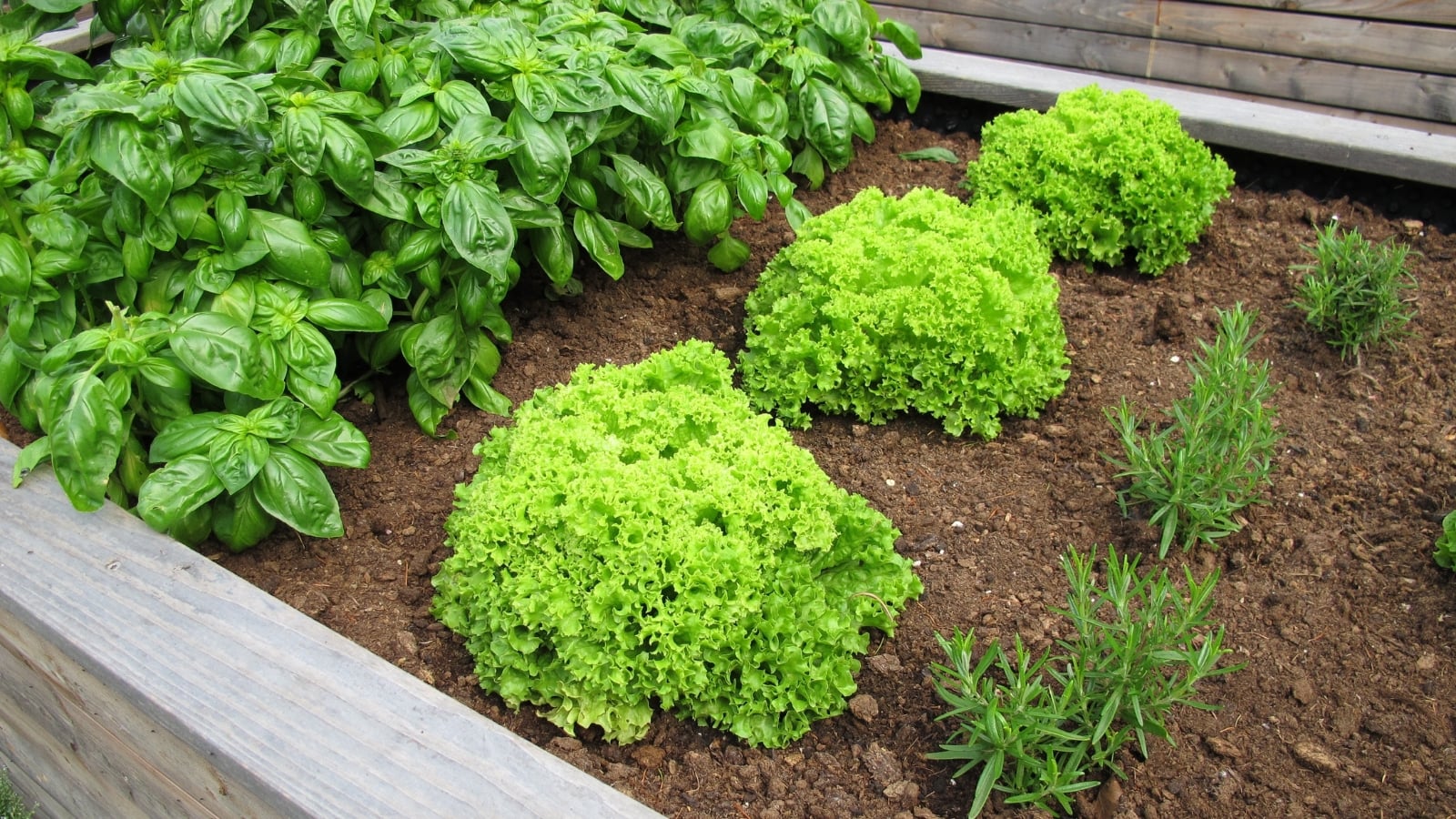

If you’re considering a raised bed garden but aren’t sure what to plant or how to set it up for success, you’re not alone. Many new gardeners worry about soil quality, spacing, and whether their chosen vegetables will actually produce. The good news: raised beds eliminate most common gardening headaches and open the door to growing 27+ vegetables that reward beginners and experienced growers alike. Let’s walk through the essentials so you can plant with confidence.
How to Set Up and Plant Your Raised Bed Garden
A successful raised bed garden starts with proper preparation and thoughtful plant selection. Follow these steps to create an environment where your vegetables thrive from day one.
What You Will Need
- A raised bed frame (4×8 feet or 4×4 feet is standard)
- High-quality garden soil mixed with compost (50/50 ratio)
- Seeds or seedlings for your chosen vegetables
- A garden spade or shovel for filling and amending
- A watering can or drip irrigation system
- Garden stakes or trellising for climbing crops
Steps
Position Your Raised Bed in the Right Location
Choose a spot that receives at least 6-8 hours of direct sunlight daily. Most vegetables require full sun to produce abundantly. Ensure the location is relatively level and has access to water. Avoid areas under trees where root competition and excessive shade limit growth potential.
Fill Your Bed With Quality Soil and Compost
Fill the raised bed frame with a blend of 50% garden soil and 50% compost or aged organic matter. This mixture provides excellent drainage while retaining nutrients and moisture. Avoid using lawn clippings or unfinished compost, which can attract pests and create compacted layers that restrict root growth.
Plan Your Layout Based on Plant Mature Size
Sketch your garden layout on paper before planting. Group vegetables by water and nutrient needs. Taller crops like tomatoes and beans should go on the north side so they don’t shade shorter plants. Space according to seed packet instructions—crowding plants leads to disease and poor air circulation.
Start With Easy, Fast-Growing Vegetables
Begin with proven performers: lettuce and leafy greens (3-4 weeks), radishes (4 weeks), zucchini and squash (6-8 weeks), cherry tomatoes (8-10 weeks), and snap beans (7-9 weeks). These crops build confidence and produce visible results quickly, motivating you to expand your garden in future seasons.
Install Support Systems Before Planting
Add stakes, cages, or trellises for crops that will need support, such as tomatoes, peas, and cucumbers. Installing these structures after planting risks damaging roots. Sturdy supports prevent disease by improving air circulation and keeping fruit off the soil where rot and pest damage occur.
Water Deeply and Consistently
Water your raised bed deeply 2-3 times per week, or when the top inch of soil feels dry. Consistent moisture prevents blossom end rot (common in tomatoes) and bitter lettuce. Drip irrigation or soaker hoses deliver water directly to roots, reducing disease pressure compared to overhead watering.
Monitor for Pests and Disease Weekly
Walk through your garden once or twice weekly, checking leaf undersides and stems for insects or spotted leaves. Caught early, most problems are manageable with organic methods like hand-picking or neem oil spray. Raised beds contain pests better than in-ground gardens when surrounded by proper barriers.
Harvest Regularly to Encourage Continued Production
Pick vegetables at peak ripeness rather than waiting for full maturity. Regular harvesting signals the plant to produce more flowers and fruit, extending your season. Remove yellowed leaves and spent plants promptly to redirect energy and reduce disease harbor spots.
- Add a 2-3 inch layer of organic mulch (straw or shredded leaves) to suppress weeds, regulate soil temperature, and reduce watering frequency by up to 30%.
- Rotate crop families annually to prevent soil depletion and break pest cycles. Follow heavy feeders like tomatoes with nitrogen-fixing beans the next season.
- Keep a simple garden journal tracking planting dates, varieties, and yields. This data becomes invaluable for planning improvements and choosing proven performers year after year.
What to Look For in Raised Bed Garden Equipment
- Raised Bed Frame Material and Durability: Cedar and composite materials resist rot better than treated wood and last 10+ years. Avoid pressure-treated lumber with chemical preservatives. Frame depth should be at least 12 inches for shallow-rooted crops, but 18-24 inches accommodates deep-rooting vegetables like tomatoes and carrots.
- Soil Quality and Composition: Premium garden soils combine topsoil, compost, and organic matter in balanced ratios. Avoid bagged soils with peat moss if possible (unsustainable); seek brands using coco coir or composted bark instead. Quality soil saves money long-term by reducing fertilizer needs and supporting robust plant growth.
- Garden Tools: Spades, Shovels, and Cultivators: Invest in stainless steel tools that resist rust and last decades. Ergonomic handles reduce strain during repeated use. A long-handled shovel works for filling beds, while a shorter spade handles in-bed planting and amendment work more precisely.
- Watering Systems: Hoses and Irrigation: Drip irrigation or soaker hoses deliver consistent moisture with 50% less water waste than hand watering. Timers enable automated watering during travel or hot spells. Choose kink-resistant hoses and drip lines rated for garden use to avoid leaks and frustration.
Elevated Garden Bed Planter Box Kit – 4×8 Feet Cedar
Best for: Gardeners wanting an easy-assemble, durable raised bed frame
This cedar raised bed frame comes pre-cut with all hardware included for assembly in under 30 minutes. The 4×8 foot dimensions provide ample space for 20+ plants while remaining manageable. Cedar naturally resists rot without chemical treatment, lasting 10+ years. The 12-inch depth suits most common vegetables. Customers report excellent durability and straightforward setup, making it ideal for beginners launching their first serious garden.
Check Current Price on Amazon →Suncast 4×4 Resin Raised Garden Bed Planter
Best for: Budget-conscious gardeners in smaller spaces
This resin-based raised bed costs half the price of cedar options while offering durability without rotting. The 4×4 foot size fits patios, small yards, and balconies. At 12 inches deep, it accommodates lettuce, greens, and shallow-rooted herbs effectively. The dark brown finish blends naturally with landscapes. Assembly takes minutes with no tools required, making it perfect for renters or those testing the raised bed concept before investing heavily.
Check Current Price on Amazon →Miracle-Gro Potting Mix with Moisture Control – 2 Cubic Feet Bag
Best for: First-time gardeners needing reliable, ready-to-use soil
This all-in-one potting mix combines topsoil, peat moss alternatives, and perlite for excellent drainage and moisture retention. No additional amendments needed for planting seedlings or starting seeds. The moisture control formula reduces watering frequency by retaining water longer. Each bag covers approximately 4-6 square feet at 4 inches deep. Multiple bags easily fill a standard raised bed when combined with compost, giving beginners a foolproof foundation for vegetable success.
Check Current Price on Amazon →Dr. Earth Organic Potting Soil – 6 Quart Bag
Best for: Environmentally conscious gardeners prioritizing organic ingredients
This certified organic potting mix contains no synthetic fertilizers, pesticides, or peat moss. Instead, it uses sustainable coco coir and aged forest products with added mycorrhizae and beneficial bacteria that enhance plant health. Plants in premium organic soil typically yield more vigorously than conventional mixes. The investment pays dividends through healthier root systems and better pest resistance. Perfect for gardeners committed to organic vegetable production from soil up.
Check Current Price on Amazon →Fiskars Stainless Steel Garden Spade – 48 Inch
Best for: Gardeners needing a reliable multi-purpose digging and planting tool
This long-handled spade combines a sharp, durable stainless steel blade with an ergonomic fiberglass handle that resists breaking. The 48-inch length provides ideal leverage for filling raised beds and reaching deep into the garden without excessive bending. Stainless steel never rusts and cleans easily after use. Fiskars’ lifetime warranty reflects their confidence in durability. One reviewer noted using the same spade for 12+ years across multiple gardens, making it a genuine long-term investment.
Check Current Price on Amazon →Drip Irrigation Soaker Hose Kit – 50 Feet with Timer
Best for: Gardeners wanting consistent watering with minimal effort
This complete drip system includes 50 feet of perforated soaker hose, connectors, and a battery-operated timer that waters automatically for 15-120 minutes at set intervals. Drip irrigation delivers water directly to roots, reducing waste by 50% compared to overhead watering while preventing foliar diseases. Installation takes minutes without tools. The timer ensures consistent moisture during vacations or hot spells when plants are most vulnerable. Customers report improved yields and healthier foliage within the first season.
Check Current Price on Amazon →Gardman Heavy-Duty Tomato Cage and Plant Support Stakes – 5 Pack
Best for: Gardeners growing tomatoes, peppers, and other tall vegetables
This five-pack of sturdy tomato cages provides support for indeterminate varieties and heavy-yielding plants. The coated steel construction resists rust and lasts multiple seasons. At 47 inches tall, cages accommodate vigorous growing plants without tipping over when laden with fruit. The three-leg base spreads wide for excellent stability in windy conditions. Installing cages before planting prevents root damage. Customers consistently praise their durability and capacity to contain sprawling plants, making harvest easier and reducing ground rot.
Check Current Price on Amazon →Gardena Automatic Garden Watering System – Smart Controller
Best for: Tech-savvy gardeners wanting app-controlled watering precision
This WiFi-enabled watering controller connects to your smartphone and adjusts watering schedules based on real-time weather data. Skip watering if rain is forecast; increase frequency during heat waves automatically. Moisture sensors detect soil saturation and prevent overwatering that causes root disease. Installation integrates with existing hoses and timers seamlessly. The app provides plant-specific recommendations based on your selected crops. Premium pricing reflects the convenience of garden management from your phone, making it ideal for busy professionals or those managing multiple beds simultaneously.
Check Current Price on Amazon →Start Your Raised Bed Garden This Season
Raised beds eliminate the guesswork from vegetable gardening while accommodating 27+ easy-growing crops suitable for any skill level. By following proper setup procedures, choosing proven varieties, and maintaining consistent care through watering and monitoring, even first-time gardeners harvest abundant vegetables within weeks. The combination of quality soil, sturdy support structures, and reliable irrigation transforms raised beds into high-yielding gardens that reward you season after season.
Invest in one well-built raised bed frame paired with quality soil and essential tools rather than multiple cheap options that disappoint. Your garden’s success depends more on consistent care and smart plant selection than expensive equipment. Start small with 4×4 or 4×8 feet, master the basics with easy crops, then expand with confidence once you understand your specific growing conditions. Before summer ends, you’ll wonder why you waited so long to grow your own vegetables.
Frequently Asked Questions
What soil depth do I need for growing vegetables in raised beds?
Most vegetables require 12-18 inches of soil depth. Shallow-rooted crops like lettuce and radishes succeed in 12 inches, while tomatoes, carrots, and root vegetables need 18-24 inches for optimal development. Fill your frame to at least 12 inches minimum to avoid severe root restriction and nutrient depletion.
Can I grow vegetables in raised beds during winter?
Yes, cool-season crops like kale, spinach, arugula, and garlic thrive in fall and winter gardens when temperatures remain above freezing. Many regions experience extended harvests by using cold frames or row covers. Check your USDA hardiness zone to determine which crops survive your winter temperatures.
How often should I replace the soil in my raised bed?
Most gardeners top-dress with 2-3 inches of compost annually rather than replacing entire beds. Complete soil replacement becomes necessary only after 5-7 years if soil becomes compacted or depleted. Good soil management with regular compost additions extends soil life indefinitely.
What vegetables should I avoid planting together in raised beds?
Avoid planting fennel near most vegetables as it inhibits their growth. Keep brassicas (cabbage, broccoli) separated from tomatoes to reduce disease pressure. Beans and onions compete for nutrients when crowded. Reference companion planting charts for optimal pairings that enhance growth and pest management.
Do I need to line the bottom of my raised bed to prevent weeds?
Lining with cardboard or landscape fabric suppresses perennial weeds and grass underneath. Cardboard decomposes within 12-18 months, naturally integrating into the soil. Skip lining if weeds aren’t problematic in your area; weed pressure from airborne seeds dominates most established gardens regardless of bottom barriers.
As an Amazon Associate, Build & Bloom earns from qualifying purchases. We only recommend products we genuinely think are useful. Prices and availability vary; check Amazon for the latest.
Leave a Reply