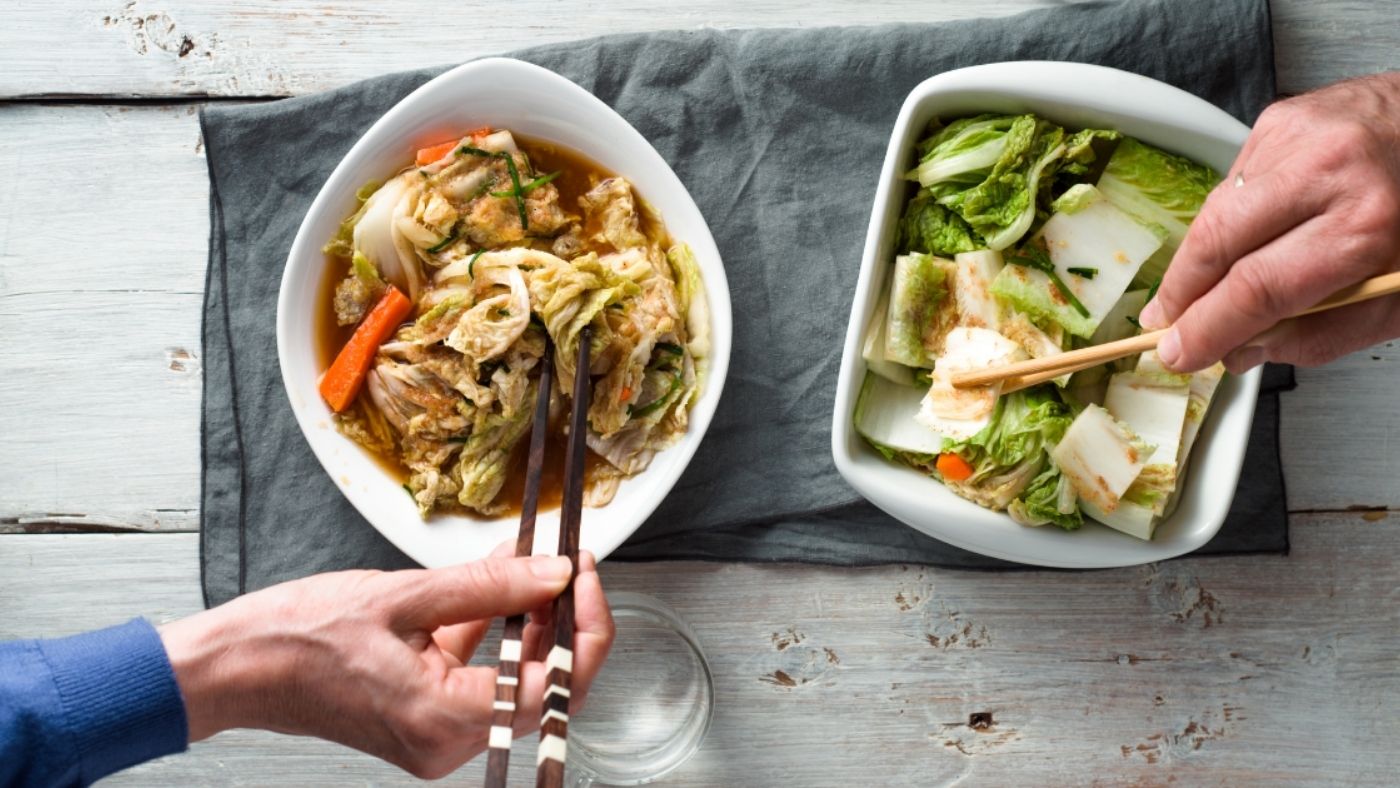

You’ve made a batch of fermented vegetables and now you’re staring at the jar wondering: what’s next? Many home fermenters struggle with monotony, eating the same sauerkraut on the same bratwurst night after night. But fermented vegetables are far more versatile than that. They belong in grain bowls, soups, tacos, salads, sandwiches, and even unexpected places like hummus and salad dressings. This guide unlocks 44 practical ways to use your fermented vegetables so they become a daily habit, not a forgotten jar.
Core Techniques for Eating Fermented Vegetables
Fermented vegetables shine when paired thoughtfully with other ingredients. Here are the five foundational ways to build them into meals.
What You Will Need
- Fermented vegetables (sauerkraut, kimchi, pickled carrots, or any lacto-fermented vegetable)
- A clean glass bowl or serving dish for composition
- A fork or small spoon for measuring portions
- Fresh herbs (cilantro, dill, or parsley for garnish)
- A kitchen scale or measuring spoons for consistent portions
Method
Serve as a Side Plate Accent
Place a small spoonful (about 1-2 tablespoons) of fermented vegetables directly on your dinner plate alongside your main protein and starch. The bright, tangy flavor cuts through rich foods like roasted meats, fatty fish, or creamy grains. This method requires zero preparation and immediately adds digestive enzymes to your meal.
Layer Into Grain and Protein Bowls
Build a bowl with a base of cooked grains (rice, quinoa, or farro), add roasted or raw vegetables, a protein source, and crown with 2-3 tablespoons of fermented vegetables plus a drizzle of oil. The fermented layer acts as both flavor booster and probiotic punch. Mix gently or keep separate for textural contrast.
Blend Into Dressings and Sauces
Chop fermented vegetables finely and combine with oil, vinegar, and mustard to create a tangy vinaigrette, or fold into mayo-based dressings. Use about 1/4 cup fermented vegetables per cup of base dressing. This transforms ordinary salads into probiotic-rich meals and works especially well on leafy greens or roasted vegetables.
Fold Into Sandwiches and Wraps
Add 2-3 tablespoons of fermented vegetables to sandwiches, wraps, or lettuce cups for crunch and tang. They pair beautifully with deli meats, cheeses, hummus, and fresh greens. The fermented flavor complements both classic combinations (pastrami on rye) and global cuisines (Vietnamese banh mi).
Mix Into Soups and Broths Just Before Serving
Stir fermented vegetables into finished soups, stews, or broths as a final step. Add them after cooking is complete to preserve the live cultures. About 1-2 tablespoons per bowl works well. They add visual appeal, brightness, and probiotics without overwhelming delicate soup flavors.
Create Fermented Vegetable Tacos and Wraps
Build tacos with your protein of choice (beans, meat, or tofu) and top with fermented vegetables as a condiment alongside sour cream, salsa, and cilantro. This creates a multi-layered taco with both heat and probiotic benefits. Works beautifully in Korean, Mexican, or fusion applications.
Add to Breakfast Eggs and Hash Bowls
Combine chopped fermented vegetables with scrambled eggs, omelets, or hash bowls containing roasted potatoes and vegetables. Use about 1/4 cup chopped fermented vegetables per egg dish. The funky umami flavors elevate breakfast from ordinary to memorable.
Serve Alongside Cheese and Charcuterie Boards
Include a small bowl or scattered pile of fermented vegetables as part of a cheese board or charcuterie platter. They cleanse the palate between rich foods and add visual color. Serve at room temperature for best flavor intensity.
- Start with small portions (1-2 tablespoons) if you’re new to fermented foods. Your digestive system will adjust quickly, usually within a week of daily consumption.
- Reserve the brine from your fermented vegetable jar and use it as a salad dressing base, soup seasoning, or cocktail ingredient. It’s just as probiotic as the vegetables themselves.
- Make a ‘fermented vegetable bar’ in your fridge with 3-4 different varieties (sauerkraut, kimchi, pickled onions, fermented carrots). This creates variety and keeps the habit interesting throughout the week.
What to Look For in Fermentation Supplies
- Fermentation Jar Size and Material: Choose glass jars in 1-quart or 2-quart sizes for home fermentation. Glass is inert and won’t leach chemicals, and these sizes are practical for household consumption. Avoid metal lids; they corrode from acidic brines. Look for jars with wide mouths for easy packing and removal.
- Weight Systems and Airlocks: Quality fermentation requires keeping vegetables submerged under brine to prevent mold. Glass weights, silicone weights, or airlock lids all work well. Airlocks allow gases to escape while preventing oxygen entry. This prevents surface mold and white film (kahm yeast) that ruins batches.
- Quality Sea Salt and Fresh Vegetables: Use non-iodized sea salt (iodine inhibits fermentation) at roughly 2-5% of vegetable weight. Source organic, unwaxed vegetables when possible. The fresher the produce, the more beneficial bacteria present to start fermentation naturally.
- Storage and Temperature Control: Store ferments in a cool, dark place (60-70F is ideal) away from direct sunlight. Room temperature fermentation typically takes 3-7 days. Cooler temperatures slow fermentation but develop deeper flavors. A small thermometer helps track conditions and time fermentation accurately.
Bormioli Rocco Fido Jar 2L (Glass Fermentation Jar)
Best for: All skill levels seeking reliable fermentation
This classic Italian glass jar features an airtight rubber gasket seal and hinged wire closure that allows gentle gas release while protecting from contamination. The 2-liter capacity is ideal for household fermentation, and the clear glass lets you monitor progress daily. The wide mouth accommodates whole vegetables easily, and the durable construction withstands years of use. Superior to basic mason jars for fermentation-specific design.
Check Current Price on Amazon →Ball Wide Mouth Quart Mason Jars (Set of 12)
Best for: Budget-conscious beginners making multiple batches
The classic mason jar works well for fermentation when paired with proper weights and techniques. This 12-pack provides value and allows simultaneous fermentation of different vegetables. While less specialized than airlock jars, proper technique yields excellent results. Lids need replacement annually, but jars last indefinitely. An affordable entry point into fermentation.
Check Current Price on Amazon →Mortier Pilon Fermentation Kit (3-Piece)
Best for: First-time fermenters wanting guided results
This Canadian-made kit includes a glass jar, glass weights, and detailed instructions making fermentation foolproof for newcomers. The heavy glass weight sits inside the jar keeping vegetables submerged, and the simple design eliminates guessing. Perfect for establishing the habit before investing in more equipment. Includes reference cards for salt ratios and fermentation timelines.
Check Current Price on Amazon →Kahm Yeast Prevention Airlock Lids (Pack of 2)
Best for: Serious fermenters avoiding mold and surface film
These specialized lids with one-way airlocks fit standard wide-mouth mason jars and prevent kahm yeast (white fuzzy film) that ruins batches. Gases escape passively while oxygen cannot enter, creating ideal fermentation conditions. Eliminates daily monitoring and results in cleaner, better-flavored ferments. Premium protection for those who ferment regularly.
Check Current Price on Amazon →Start Your Fermented Vegetable Habit Today
Fermented vegetables transform from a mysterious jar into a daily staple when you understand their versatility. Whether you’re building grain bowls, elevating sandwiches, or adding umami to soups, these 44 methods give you endless inspiration. The key is keeping them visible and accessible in your refrigerator, treating them like any other condiment. Start with one jar and one method, establish the habit, then expand your repertoire.
The equipment investment is minimal compared to the nutritional return. A single quality glass jar, proper weights, and good salt give you years of fermentation success. Begin this week with vegetables you already love, taste them at the 3-day and 7-day marks, and discover your ideal fermentation window. Within a month, eating fermented vegetables becomes automatic, your gut health improves, and you’ll wonder how you ever ate without them.
Frequently Asked Questions
Is store-bought fermented vegetables as healthy as homemade?
Store-bought fermented vegetables are pasteurized for shelf stability, which kills most beneficial bacteria. Homemade ferments retain live probiotics provided you don’t heat them after fermentation. For maximum probiotic benefit, ferment at home. Store-bought varieties still offer enzymes and nutrients, just fewer living cultures.
How long do homemade fermented vegetables last in the refrigerator?
Properly fermented vegetables in sealed jars last 4-6 months in the refrigerator, sometimes longer. The cold slows bacterial activity preserving flavor and texture. Always use clean utensils when removing portions, and keep vegetables submerged under brine to prevent mold.
Can I heat fermented vegetables without killing the probiotics?
Heating above 115F kills most live cultures. For maximum probiotic benefit, add fermented vegetables to finished dishes just before serving. You can include them in warm soups and stews if you consume them quickly while still warm, though some cultures will survive.
What’s the difference between fermented and pickled vegetables?
Fermented vegetables use salt and time to develop beneficial bacteria naturally (lacto-fermentation). Pickled vegetables use vinegar for preservation and don’t develop probiotics. Ferments are tangier and more complex; pickles are sharper and more acidic. Ferments offer digestive benefits; pickles offer flavor.
How much fermented vegetable should I eat daily?
Start with 1-2 tablespoons daily and increase to 1/4 cup as your digestive system adjusts. Most people tolerate 1/4 to 1/2 cup daily without issues. Listen to your body; some people experience temporary digestive changes (bloating) as beneficial bacteria establish, which typically resolves within days.
As an Amazon Associate, Build & Bloom earns from qualifying purchases. We only recommend products we genuinely think are useful. Prices and availability vary; check Amazon for the latest.
Leave a Reply