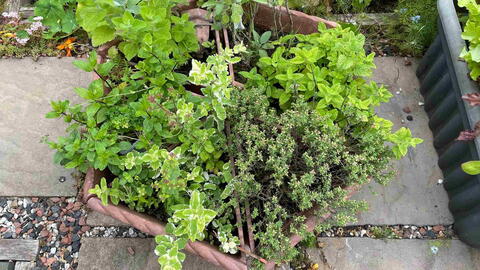

You want to grow fresh herbs at home, but you’re not sure how to arrange them. Should you use raised beds, containers, or squeeze them into a tiny corner? The right layout design makes the difference between a thriving herb garden and one that fights for space and light. Whether you have a sprawling backyard or just a sunny windowsill, we’ll walk you through five practical herb garden layouts you can start this week.
How to Design Your Herb Garden Layout
A well-planned herb garden starts with understanding your space, sunlight, and the plants you want to grow. Follow these steps to create a layout that actually works.
What You Will Need
- Measuring tape or ruler to determine your available space and dimensions
- Graph paper and pencil for sketching your design to scale
- Sunlight assessment (observe your space for 3-5 days to track sun patterns)
- List of herbs you want to grow with their light and water requirements
- Soil, containers, or raised bed materials appropriate to your chosen layout
Steps
Assess Your Available Space
Measure the area where you plan to grow herbs, whether it’s a garden bed, patio, balcony, or windowsill. Note the dimensions in feet or meters. Identify any physical constraints like walls, foot traffic paths, or structures that will limit your layout options.
Track Sunlight Patterns Throughout the Day
Observe your chosen location at morning, midday, and evening to determine how many hours of direct sunlight it receives. Most culinary herbs need 6-8 hours of sun daily. Mark areas that get full sun, partial shade, and full shade on your measurements so you know where to place sun-loving versus shade-tolerant herbs.
Sketch Your Layout to Scale on Paper
Use graph paper and draw your space accurately, marking sunlight zones. Sketch bed shapes, container positions, or shelf arrangements that fit your space and light patterns. This visual planning prevents costly mistakes and helps you visualize drainage, accessibility, and plant spacing before breaking ground.
Group Herbs by Watering and Light Needs
Organize your plant list into categories based on shared requirements. Mediterranean herbs like rosemary and thyme prefer dry soil and full sun, while basil and mint prefer consistent moisture. Placing similar plants together simplifies watering and prevents overwatering sensitive varieties.
Plan for Easy Access and Harvesting
Position your most-used herbs (basil, parsley, chives) near your kitchen door or in the most convenient location. Arrange plants so you can reach all sides without stepping on soil or damaging nearby plants. Leave adequate spacing between herbs based on their mature size.
Choose Your Layout Style and Finalize Dimensions
Select one of the five proven layouts: raised beds (12×4 feet is standard), container clusters (use pots of varying heights for visual appeal), in-ground beds, tiered shelving for small spaces, or spiral gardens for compact yards. Confirm exact measurements and material quantities needed for your chosen design.
Create a Planting Schedule
Note which herbs are perennial (return yearly) and which are annual (replant each season). Plan when to start seeds indoors versus direct sow. A simple calendar prevents overcrowding and ensures continuous harvests throughout the growing season.
- Use a soil pH testing kit before filling beds or containers to ensure your herbs thrive, as pH affects nutrient availability. Most culinary herbs prefer slightly acidic to neutral soil.
- Leave 12-18 inches between herb plants at maturity to allow air circulation, which reduces disease and pest problems while making harvesting easier.
- Place taller herbs (dill, fennel) on the north side of beds or containers and shorter herbs on the south to prevent shade from blocking sunlight to smaller plants.
What to Look For in Herb Garden Layout Tools & Materials
- Measurement Tools: Accurate measuring is essential for scaling your design. Choose between a standard measuring tape (25-50 feet) for large spaces or a ruler for tabletop planning. A tool that extends smoothly and retracts easily reduces frustration and measurement errors.
- Graph Paper Quality: Use graph paper with clearly marked grids (1/4 inch or metric) so your sketches scale accurately to reality. Heavier weight paper resists tearing and holds up to pencil revisions better than thin notebook paper.
- Container or Bed Materials: If building raised beds, cedar and composite materials resist rot longer than pine. For containers, choose sizes appropriate to your plants (6-8 inches for herbs, larger for perennials) with drainage holes. Material affects temperature regulation and durability.
- Soil Testing and Preparation: Test your soil’s pH, nitrogen, phosphorus, and potassium levels before planting. This prevents nutrient imbalances that stunt growth. Quality potting or garden soil specifically formulated for herbs ensures proper drainage and nutrition from day one.
Stanley 25-Foot Tape Measure
Best for: Accurate garden space measurement
The Stanley 25-foot tape measure is the industry standard for garden planning and layout work. Its bright yellow case is easy to locate in your garden shed, and the auto-lock feature prevents the blade from retracting mid-measurement. Accurate to within 1/8 inch, this tool ensures your sketch-to-reality dimensions stay precise. The belt clip keeps it accessible, and the impact-resistant housing survives drops and rough handling.
Check Current Price on Amazon →Strathmore 400 Series Graph Paper Pad
Best for: Sketching herb garden layouts
Strathmore’s 400 Series graph paper features a quarter-inch grid that scales perfectly for garden plans. The 50-sheet pad provides plenty of space for multiple design iterations and refinements. The medium-weight paper stands up to pencil shading and erasing without tearing, making it forgiving for first-time planners. The 8.5×11 size fits standard folders and clipboards for outdoor reference while you work.
Check Current Price on Amazon →AmazonBasics Raised Garden Bed Kit (4×8 feet)
Best for: Building a simple herb bed on a budget
This corrugated metal raised bed kit arrives pre-cut and assembles in under 30 minutes with just a rubber mallet. The galvanized steel resists rust and lasts 5-7 years with minimal maintenance. At four feet wide by eight feet long, it accommodates 12-15 herb plants comfortably. The kit includes corner posts and hardware, requiring only garden soil and drainage liner to become production-ready.
Check Current Price on Amazon →Bloem 15-Inch Round Planters (Set of 4)
Best for: Container herb gardens and flexible layouts
Bloem’s durable resin planters work individually or clustered for flexible herb garden designs. The 15-inch diameter accommodates 3-4 herbs per pot, and the pre-drilled drainage holes prevent waterlogging. Available in terracotta, black, or stone finishes to match your decor. The lightweight material makes repositioning your layout easy if sunlight patterns change or you want to refresh your design.
Check Current Price on Amazon →Cedarcraft Cedar Raised Garden Bed (4×8 feet)
Best for: Long-lasting, attractive herb gardens
Hand-constructed from naturally rot-resistant Western red cedar, this premium raised bed lasts 15+ years without chemical treatments. The 12-inch depth suits deep-rooted perennials like rosemary, while the open bottom improves drainage and root penetration into native soil. Cedar’s natural appearance blends seamlessly into landscaped gardens, and the wood insulates soil temperature better than metal alternatives.
Check Current Price on Amazon →Luster Leaf Soil Testing Kit
Best for: Confirming soil pH and nutrient levels before planting
This comprehensive soil test kit measures pH, nitrogen, phosphorus, and potassium levels in minutes using color-coded capsules and a comparison chart. Simply add soil and water, wait 10 minutes, and compare your results. The kit includes 10 complete tests, enough to sample multiple garden beds and containers. Knowing your soil’s exact composition prevents overfertilizing and guides amendment choices.
Check Current Price on Amazon →Sunforce 3-Tier Herb Stand with Wheels
Best for: Small spaces and balcony herb gardens
This vertical tiered stand maximizes growing space in compact areas by stacking three shelves of pots in just two square feet of floor space. The heavy-duty steel frame holds up to 75 pounds and includes locking wheels for easy repositioning as you track seasonal sun patterns. Each tier accommodates 6-8 small pots, allowing 18-24 herbs per stand. Perfect for apartments, patios, and sunrooms.
Check Current Price on Amazon →Gardman Spiral Herb Tower (Terracotta)
Best for: Statement-piece herb gardens in small yards
This sculptural spiral planter fits 13 plants vertically in a single tower, creating an eye-catching focal point while saving horizontal space. The terracotta construction breathes, regulating soil moisture naturally. Pre-drilled pocket holes guide seedling placement, and the design’s spiral shape ensures all plants receive balanced sunlight throughout the day. A beautiful solution for gardeners prioritizing aesthetics alongside functionality.
Check Current Price on Amazon →Start Your Herb Garden Layout This Week
A thoughtfully planned herb garden layout is the foundation of a bountiful harvest. By measuring your space, tracking sunlight, and grouping plants by their needs, you eliminate guesswork and create an environment where herbs flourish. The five proven layouts we’ve discussed—raised beds, containers, in-ground plantings, tiered shelving, and spiral towers—each offer distinct advantages depending on your space, climate, and aesthetic goals. Spend an afternoon with graph paper and a measuring tape, and you’ll have a professional-quality plan that guides your planting for years to come.
Remember, your layout isn’t set in stone. Successful gardeners adjust designs based on what they learn each season. If a herb struggles in one spot, move it. If a layout feels cramped, thin plantings or expand to a second bed. Start with one of our five designs, customize it to your specific space and sunlight patterns, and you’ll be harvesting fresh basil, rosemary, and chives within weeks. The best time to plan your herb garden was yesterday; the second-best time is right now.
Frequently Asked Questions
How much sunlight do most culinary herbs need?
Most culinary herbs (basil, parsley, chives, dill) thrive with 6-8 hours of direct sunlight daily. Mediterranean herbs like rosemary, thyme, and oregano prefer 8+ hours. Only mint and parsley tolerate partial shade (4-6 hours). Track your garden’s sun exposure over several days before finalizing your layout.
What’s the best size for a raised herb bed?
A standard 4×8-foot bed is ideal because it’s large enough to grow 12-16 herbs comfortably while remaining accessible from all sides without stepping on soil. If you have less space, a 2×4-foot or 3×6-foot bed works well. The key is ensuring you can reach the center without stretching awkwardly.
Can I grow herbs in containers on a balcony?
Yes, container gardens are perfect for balconies. Use 6-8 inch pots for individual herbs or 12-14 inch containers for 2-3 plants together. Ensure pots have drainage holes, use quality potting soil, and place them where they receive at least 6 hours of direct sunlight. Group containers together to create humidity and maximize visual impact.
Should I group all my herbs together or separate them by type?
Group herbs by their water and sunlight needs, not by culinary type. Mediterranean herbs (rosemary, thyme, oregano) need less water and more sun, while basil and mint prefer consistent moisture. Separating by care requirements prevents overwatering sensitive plants and simplifies maintenance.
How do I know if my herb garden layout is working?
After four weeks, check for signs of thriving plants: vibrant leaf color, steady growth, and no yellowing or wilting. If plants in certain zones consistently underperform, adjust your layout by moving them to different light conditions or adjusting watering frequency. A successful layout adapts to real-world results, not just theory.
As an Amazon Associate, Build & Bloom earns from qualifying purchases. We only recommend products we genuinely think are useful. Prices and availability vary; check Amazon for the latest.
Leave a Reply