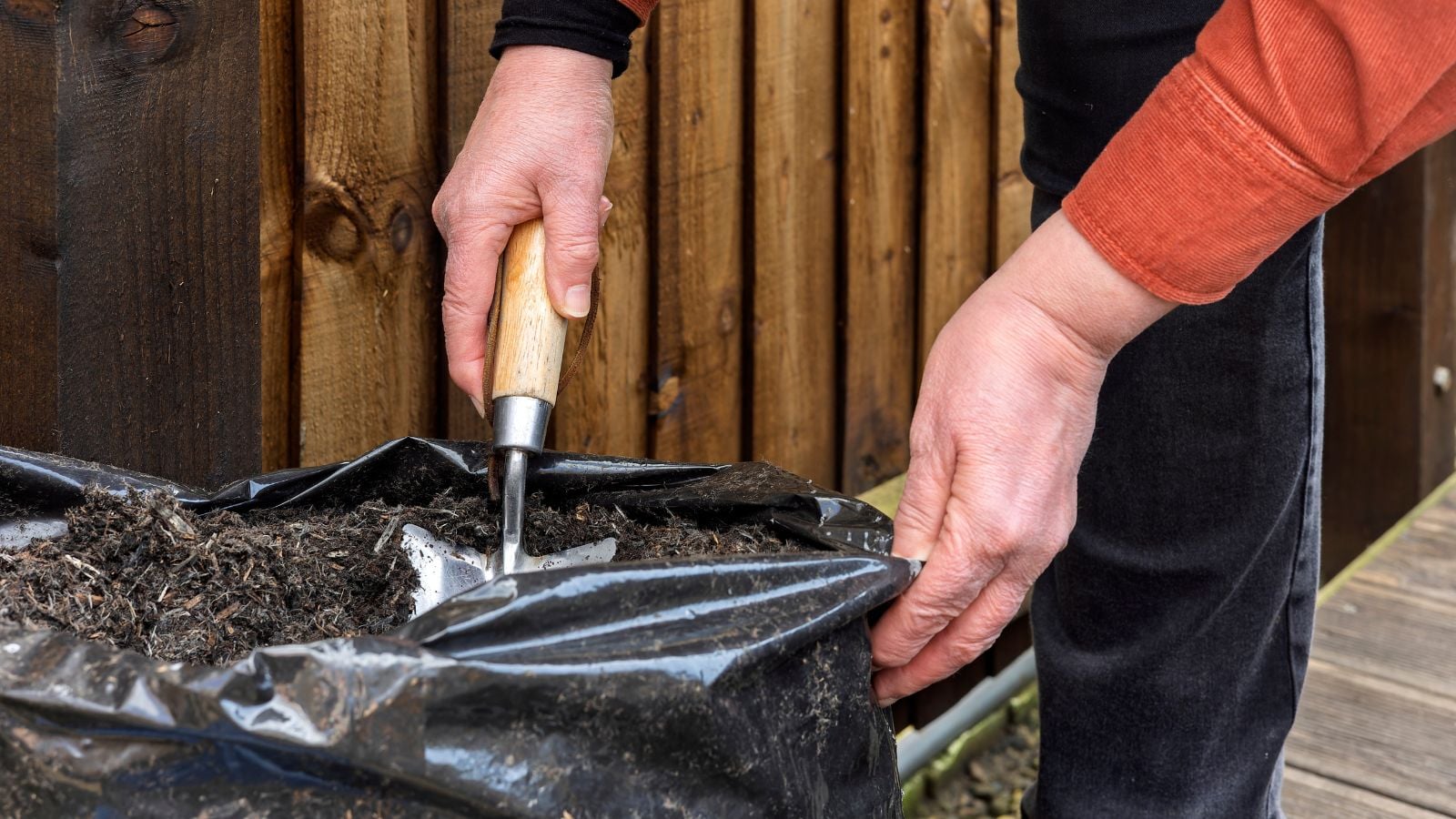

You’ve seen them stacked at every garden center–bags of soil promising perfect growing conditions. But before you load your cart, it’s worth understanding what you’re actually getting. Many gardeners discover too late that bagged soil can introduce unexpected problems, from compacted growing mediums that suffocate roots to hidden contaminants that harm plants. This guide breaks down the real risks of bagged soil and shows you what to watch for before making your purchase.
5 Key Risks of Bagged Soil & What They Mean for Your Garden
Understanding these five risks will help you evaluate whether bagged soil is right for your situation and what warning signs to look for before buying.
Key Concepts
- Soil density and compaction issues – how bagging and storage affects soil structure
- Contamination sources – pesticides, heavy metals, and disease pathogens in commercial mixes
- Quality inconsistency – variation between brands and even bags from the same company
- Cost analysis – comparing price per cubic yard of bagged versus bulk soil
- Moisture content variability – how water retention differs in commercial blends
The 5 Major Risks
Risk #1: Severe Compaction During Storage and Transport
Bagged soil becomes progressively compacted as bags stack on top of one another during storage and transport. Once in your garden, this dense, brick-like soil prevents proper root penetration and water drainage. Plants struggle to establish themselves because roots cannot easily spread through the compacted material. This is especially problematic in raised beds where you have limited soil volume for root expansion.
Risk #2: Hidden Chemical Contaminants
Some bagged soils contain residual pesticides, herbicides, or fungicides from the manufacturing process or source material. Heavy metals like lead and cadmium can accumulate in commercial soil blends, particularly those made from recycled materials. These contaminants persist in your soil for years and can be absorbed by vegetables and herbs you’re growing for consumption, creating a potential health hazard for your family.
Risk #3: Inconsistent Quality Between Batches and Brands
Unlike commercially managed bulk soil operations, bagged soil quality varies significantly. One bag may contain excellent, fluffy loam while the next bag from the same brand feels heavy and clay-like. This inconsistency makes it difficult to build a predictable growing environment, and you won’t know what you’re working with until after purchase and installation.
Risk #4: Poor Long-Term Soil Structure Development
Bagged soil typically lacks the living organisms–beneficial bacteria, fungi, and microbes–that build healthy soil structure over time. Commercial sterilization kills these microbes, leaving you with dead soil that requires ongoing amendment and fertilization. Your garden won’t develop the self-sustaining fertility of naturally built soil.
Risk #5: Unrealistic Cost for Large Garden Projects
Bagged soil costs between 30 to 60 dollars per cubic yard when you calculate the per-bag expense. For a 4-by-8-foot raised bed needing 8 cubic feet of soil, you’re spending 45 to 75 dollars. A large garden renovation requiring 20 cubic yards becomes prohibitively expensive at 600 to 1200 dollars, while the same volume of bulk soil costs 150 to 300 dollars delivered.
Better Alternatives to Consider
Bulk soil delivery from local suppliers offers better quality at lower cost, though you should test the material first. Composting your own garden waste and food scraps builds rich, living soil tailored to your specific plants. Some municipalities offer free compost made from yard waste. Building your own soil blend using compost, peat or coco coir, and perlite gives you complete control over ingredients.
When Bagged Soil Makes Sense
Bagged soil is appropriate for small container gardens, potted houseplants, or seed-starting mixes where volume needs are minimal. It’s also useful as an amendment to existing garden soil rather than a complete growing medium. If you must use bagged soil, buy from reputable brands that provide ingredient transparency and test results for contaminants.
- Always request a soil test report from the manufacturer showing heavy metal content and pH levels before committing to large purchases
- Feel the bagged soil weight in the store–heavier bags indicate compaction, while lighter bags suggest better structure
- Mix bagged soil with compost and aged manure at a 1:1:1 ratio to reintroduce microbial life and improve structure
What to Look For When Evaluating Bagged Soil Products
- Ingredient Transparency: Quality bagged soils list exact percentages of compost, peat or coco coir, perlite, and other amendments. Avoid products that simply say ‘soil mix’ without breakdown. Third-party testing certifications indicate safer products.
- Bag Weight and Density: A 2-cubic-foot bag should weigh 35 to 50 pounds when properly aerated. Bags significantly heavier indicate over-compaction. Lighter bags might indicate they’ve settled during transport but have potential for fluffing.
- Microbial Content: Some premium bagged soils include beneficial mycorrhizae and bacterial cultures. These products state ‘living soil’ or list CFU counts, and cost more but provide better long-term structure development.
- Brand Reputation and Testing: Research brands through gardening forums and check for published test results for heavy metals, pathogens, and pH levels. Local regional brands often have better quality control than mass-market national products.
Espoma Organic Potting Mix
Best for: Gardeners prioritizing soil quality and microbial health
This premium bagged soil includes Espoma’s proprietary mycorrhizae blend and beneficial bacteria that establish soil ecosystem function from day one. Made from sphagnum peat moss, perlite, and aged bark compost, it provides excellent drainage while retaining nutrients. Each bag includes over 100 beneficial fungi species. The lightweight texture indicates proper aeration, and Espoma’s 80-year reputation ensures consistent quality control across batches.
Check Current Price on Amazon →Miracle-Gro Moisture Control Potting Mix
Best for: Cost-conscious gardeners with container plants and raised beds
A widely available and affordable option that performs well for most gardening applications. Contains water-retaining crystals that reduce watering frequency, making it practical for busy gardeners. While it lacks added microbial cultures, it provides adequate drainage and nutrient content for annuals and vegetables. Available at virtually every garden center, making it convenient for spontaneous garden projects.
Check Current Price on Amazon →Black Gold All Organic Potting Soil
Best for: New gardeners wanting certified organic ingredients without complexity
Made from Canadian sphagnum peat moss, aged bark, and compost, Black Gold is OMRI-certified organic and requires no additional amendments for most projects. The formula is straightforward and consistent batch-to-batch, reducing the guesswork for beginners. It drains well while maintaining adequate moisture and nutrient availability. Neutral pH makes it suitable for nearly any plant type.
Check Current Price on Amazon →Foxfarm Ocean Forest Potting Soil
Best for: Serious gardeners and vegetable growers seeking nutrient-rich mixes
Premium bagged soil loaded with aged forest products, sphagnum peat moss, earthworm castings, and bat guano. Unlike most bagged options, Ocean Forest contains significant natural nutrient content, reducing fertilizer needs during the growing season. The complex ingredient profile supports healthy microbial populations. Best suited for raised beds and container gardens rather than amending large landscape areas due to cost.
Check Current Price on Amazon →Kellogg Garden Organics Raised Bed Soil
Best for: Raised bed gardeners and those building new garden spaces
Specifically formulated for raised bed applications with a blend of organic matter, compost, and forest products. Contains mycorrhizae and beneficial microbes for establishment. The product is designed to work immediately without settling issues that plague some bagged soils. Third-party tested for quality and safety. Represents good value when purchasing multiple bags for larger projects.
Check Current Price on Amazon →Coco for Cannabis Professional Potting Mix
Best for: Container gardeners and those preferring sustainable coco coir alternatives
Coco coir-based mix providing sustainable alternative to peat moss, with added perlite and compost for structure and nutrition. Lighter weight than peat-based mixes, reducing shipping emissions and handling strain. Retains moisture longer than peat equivalents while maintaining better aeration. Buffered to remove excess sodium that raw coco coir contains, making it immediately usable.
Check Current Price on Amazon →Dr. Earth Natural Wonder Soil Mix
Best for: Organic gardeners wanting certified organic with diverse microbial cultures
Features beneficial mycorrhizae, soil microbes, and endo/ectomycorrhizae in an OMRI-certified organic base. Includes kelp meal and fish emulsion residue providing slow-release nutrients. The formula emphasizes living soil biology more than most competitors, supporting long-term soil health. Works well in containers and raised beds, though cost is higher than conventional options.
Check Current Price on Amazon →Burpee Premium Natural & Organic Potting Mix
Best for: Small-scale gardeners and apartment dwellers with limited storage space
Compressed bagged option taking up less shelf space at garden centers and in storage. Designed to fluff up after watering, revealing good aeration once established in containers. Contains peat moss, compost, and perlite in a balanced formula suitable for vegetables and ornamentals. Light enough for apartment balcony gardening while providing adequate nutrient content.
Check Current Price on Amazon →Making the Best Choice for Your Garden’s Soil
Bagged soil offers convenience for small projects and container gardening, but understanding its risks helps you avoid expensive mistakes on larger garden beds. The five major risks–compaction, contamination, inconsistency, poor microbial life, and high cost–can be mitigated by choosing reputable brands with published testing results, mixing bagged soil with compost, and considering bulk soil alternatives for projects exceeding 10 cubic yards. For most serious gardeners, bulk soil delivery or building your own compost-based mix delivers better results at significantly lower cost.
If you do purchase bagged soil, prioritize products that list detailed ingredients, provide third-party testing certifications, and include beneficial microbes. Avoid the heaviest bags (which indicate severe compaction) and remember that bagged soil works best as a supplement to your existing soil ecosystem rather than as a complete growing medium replacement. Start small with a reputable premium brand like Espoma or Foxfarm to establish what healthy bagged soil looks and feels like, then make larger purchasing decisions based on that experience.
Frequently Asked Questions
Can I improve heavily compacted bagged soil after purchase?
Yes. Mix compacted bagged soil at a 1:1 ratio with finished compost or aged bark mulch, then work it into your beds and let it settle for 2-3 weeks before planting. Water thoroughly to help the mixture integrate and begin reestablishing soil structure.
What’s the difference between bagged potting mix and bagged garden soil?
Garden soil is heavier, denser, and designed for in-ground beds, while potting mix is lighter and airier for containers. Never use garden soil in pots–it compacts excessively. Potting mix works fine for raised beds but is more expensive per volume than loose bulk soil.
How can I test bagged soil for contamination before using it?
Request testing from the manufacturer if available, or send a sample to your local university extension office for heavy metal analysis (typically 30-50 dollars). For a quick home check, grow a sensitive plant like lettuce in a small container first–if it grows normally without discoloration, the soil is likely safe.
Is it worth buying premium bagged soil brands with added microbes?
For small containers and raised beds, yes–the added mycorrhizae and bacteria establish soil biology faster. For large areas or budget constraints, standard bagged soil amended with 20-30 percent finished compost provides similar long-term benefits at lower cost.
Can I make my own potting mix instead of buying bagged?
Absolutely. Mix equal parts finished compost, peat moss or coco coir, and perlite or pumice. Add a handful of worm castings and mycorrhizae powder per 5 gallons. This approach costs 40-50 percent less than premium bagged options while giving you complete ingredient control.
As an Amazon Associate, Build & Bloom earns from qualifying purchases. We only recommend products we genuinely think are useful. Prices and availability vary; check Amazon for the latest.
Leave a Reply