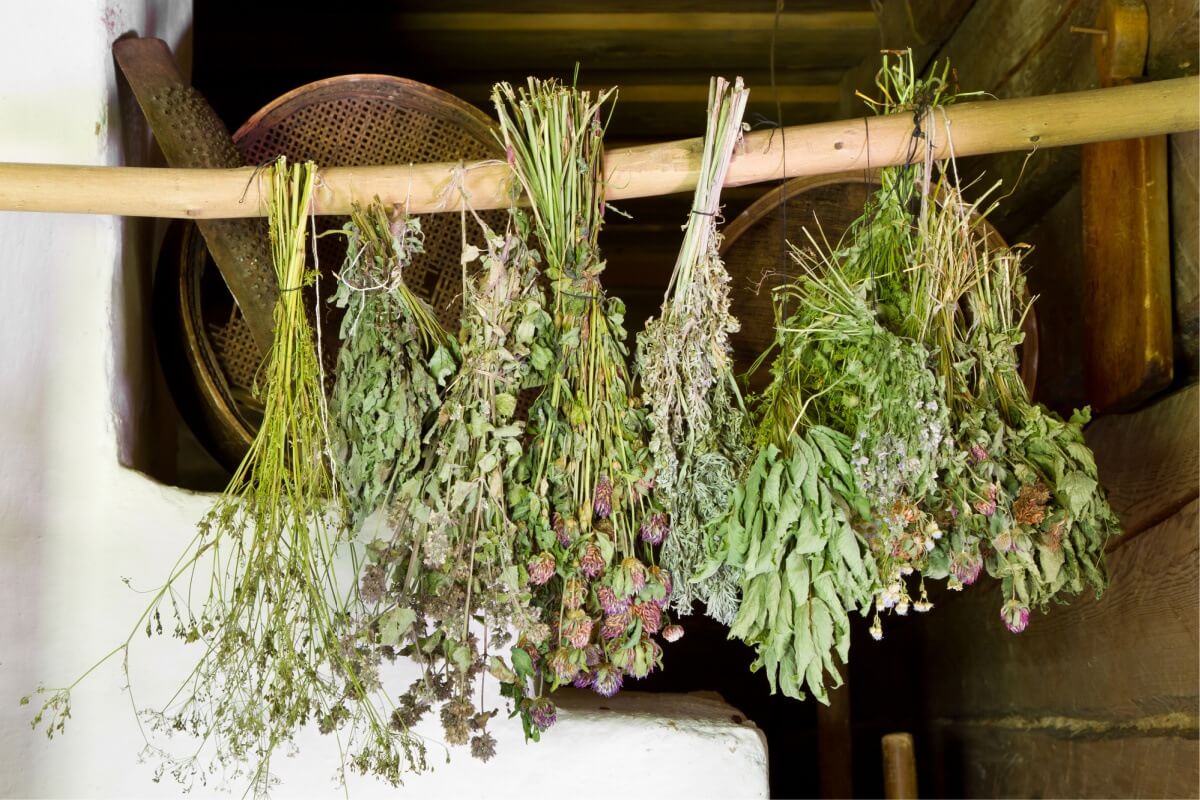

If you’re building a homestead garden, you want every plant to earn its place. The most rewarding herbs are the ones that pull double duty–nourishing your dinner table while also supporting your family’s wellness routine. Whether you’re making pesto tonight or brewing tea for a scratchy throat tomorrow, these six herbs are kitchen staples that have been used medicinally for centuries. Learning to grow and use them transforms your garden into a practical resource rather than just a pretty feature.
6 Medicinal Kitchen Herbs to Grow and Use
These six herbs thrive in most home gardens and offer significant nutritional and therapeutic properties beyond their culinary uses. Each one is easy to propagate, requires minimal care, and provides year-round harvesting opportunities.
Key Concepts
- Basil – A warming digestive herb and anti-inflammatory culinary staple rich in antioxidants and antimicrobial compounds
- Ginger – A rhizome used fresh in cooking and dried for tea; supports digestion, reduces nausea, and contains powerful anti-inflammatory gingerols
- Turmeric – Another rhizome containing curcumin, a compound studied for joint health and inflammation management; earthy and bitter
- Oregano – An intensely aromatic leaf herb packed with antioxidants; traditionally used for respiratory support and immune function
- Thyme – A tiny-leafed herb with antimicrobial properties; used in cooking and as a tea for throat and respiratory comfort
- Sage – A silvery-green leaf herb with astringent properties; supports digestion and throat health while adding depth to savory dishes
Principles
Understand Growing Requirements by Herb Type
Leafy herbs like basil, oregano, thyme, and sage prefer well-draining soil and 6-8 hours of direct sunlight daily. Rhizomes like ginger and turmeric need consistently moist (not waterlogged) soil with partial shade in hot climates. Most leafy herbs tolerate container growing, while rhizomes benefit from deeper soil or pots at least 12 inches deep. Start seeds indoors 6-8 weeks before your last frost, or purchase transplants from a nursery.
Harvest Leaves at Peak Potency
For medicinal and culinary potency, harvest leafy herbs just before flowering when essential oil content is highest. Pinch off the top 1/4 to 1/3 of stems regularly to encourage bushier growth and continuous harvesting. Early morning after dew dries is ideal. For rhizomes like ginger and turmeric, wait 8-10 months before harvesting; dig carefully to avoid damaging the roots and save smaller pieces for replanting.
Dry Herbs for Long-Term Medicinal Use
Bundle stems together with twine and hang them upside-down in a warm, dark, well-ventilated space for 2-3 weeks until completely dry and brittle. Alternatively, spread individual leaves on a screen or cloth. Once fully dry, strip leaves from stems and store in airtight glass jars away from light and heat. Properly dried herbs maintain potency for 6-12 months and are concentrated in flavor and therapeutic compounds.
Create Simple Infusions and Teas
For a basic medicinal tea, steep 1 teaspoon of dried herb or fresh leaves in 8 ounces of hot (not boiling) water for 5-10 minutes, then strain. Ginger and turmeric benefit from simmering for 15-20 minutes to extract maximum compounds. Start with small amounts to test tolerance, especially if using herbs medicinally for the first time. Store prepared tea in the refrigerator for up to 48 hours.
Rotate Plantings for Year-Round Supply
Succession plant basil every 3-4 weeks from late spring through summer to ensure continuous fresh harvests. Oregano, thyme, and sage are perennials in most climates and return year after year with minimal care. Ginger and turmeric are tropical plants that produce best when started fresh each season in cooler climates, or grown in containers you can bring indoors. Plan your garden layout to include both cold-hardy perennials and seasonal warm-season growers.
Combine Herbs for Enhanced Benefits
Kitchen and medicinal uses overlap beautifully in blends. A simple throat-soothing tea combines dried thyme, sage, and ginger. A digestive blend pairs basil with ginger. An anti-inflammatory ‘golden milk’ combines turmeric with ginger and black pepper. These same herbs work together in savory soups, roasted vegetables, and grain dishes, allowing you to build wellness into everyday meals rather than treating medicine as separate from food.
Document Your Garden and Results
Keep simple notes on planting dates, harvest dates, drying methods, and potency observations. Record which herbs perform best in your specific climate and soil conditions. Note any medicinal uses you try and personal results. Over time, this becomes a personalized herb growing and using guide tailored to your homestead’s unique conditions and your family’s wellness needs.
- Pinch off flower buds on basil to extend leaf production through the season–once it flowers, the plant redirects energy away from foliage
- Ginger and turmeric plants can share a container since they have similar water and light needs; this saves garden space and makes harvesting easier
- Dry extra herbs during peak harvest season and store in glass jars; this gives you a medicinal herb ‘pantry’ to draw from during winter illness season
What to Look For When Growing Medicinal Herbs
- Container Size and Drainage: Leafy herbs need pots at least 6-8 inches wide with drainage holes; rhizomes like ginger and turmeric need deeper containers (12+ inches) to expand underground. Proper drainage prevents root rot, the primary killer of home herb gardens.
- Soil Quality: Use potting soil or garden soil amended with compost rather than garden soil alone, which compacts in containers. Medicinal herbs concentrate their therapeutic compounds better in rich, well-draining soil with balanced nutrition.
- Plant Viability and Certification: Buy from reputable nurseries offering disease-free, non-GMO transplants or seeds. For rhizomes like ginger and turmeric, verify they are certified pest-free and viable before planting to avoid introducing problems into your garden.
- Hardiness and Climate Appropriateness: Verify whether varieties suit your USDA hardiness zone. Some oregano and thyme cultivars tolerate freezing; basil and ginger are frost-sensitive. Choose accordingly to avoid replanting annually unless you prefer to.
Gardman 7-Piece Garden Tool Set with Storage Bag
Best for: Herb gardeners starting or expanding their collection
This comprehensive set includes a trowel, cultivator, weeder, pruner, and other essential hand tools in durable stainless steel with ergonomic handles. The included canvas storage bag keeps tools organized and portable. Whether you’re planting seeds, harvesting herbs at their peak potency, or maintaining your medicinal garden beds, these tools perform reliably year after year and handle both delicate leafy herbs and deeper rhizome digging.
Check Current Price on Amazon →Bonnie Plants Herb Variety Pack – 6 Count
Best for: First-time herb gardeners wanting established plants
This pack includes six healthy herb transplants ready to transplant into containers or garden beds. The selection typically features fast-growing, forgiving varieties perfect for beginners. Skip the seed-starting phase and begin harvesting fresh herbs within weeks. Bonnie Plants are widely available and come with basic care instructions, making them ideal for someone new to growing medicinal herbs.
Check Current Price on Amazon →Burpee Medicinal Herb Seeds Starter Collection
Best for: Budget-conscious gardeners willing to start from seed
Burpee’s seed collection includes multiple medicinal herb varieties at a fraction of transplant costs. Each seed packet contains enough seeds to plant multiple locations or succession plantings. Growing from seed requires more patience but yields higher quantities and costs significantly less. Includes detailed planting and use instructions on each packet for both culinary and medicinal applications.
Check Current Price on Amazon →Sungrow 12-Inch Extra Deep Planter Pot with Drainage
Best for: Growing rhizomes that need deeper root space
At 12 inches deep with excellent drainage holes, this terracotta pot provides the depth ginger and turmeric rhizomes need to expand and develop properly. The breathable terracotta material prevents waterlogging while allowing air circulation around roots. Perfect size for a single rhizome or pair of plants. Terracotta naturally regulates moisture and keeps root zones from becoming oversaturated.
Check Current Price on Amazon →Kamenstein Glass Herb Storage Jars – Set of 4
Best for: Organizing and preserving dried medicinal herbs
These airtight glass jars with stainless steel lids preserve dried herbs’ potency by blocking light and sealing out air. The clear glass allows you to see contents at a glance and monitor supply levels. Labels and a marking pen are included. Four jars provide space for your most-used medicinal herbs. Glass doesn’t absorb odors or flavors like plastic, keeping each herb’s characteristics distinct.
Check Current Price on Amazon →Lee Valley Herb Drying Rack with Stand
Best for: Efficient bulk drying of fresh-harvested herbs
This vertical drying rack with adjustable shelves holds large quantities of herbs while taking minimal counter or shelf space. The stand keeps herbs elevated for optimal air circulation, reducing drying time from 3 weeks to 10-14 days. Stainless steel frame resists rust and handles the moisture from fresh herb bundles. Perfect for managing peak-season harvests when you’re drying basil, oregano, thyme, and sage simultaneously.
Check Current Price on Amazon →Gilmour Precision Watering Wand with 8-Pattern Nozzle
Best for: Careful watering of delicate medicinal herb containers
This brass watering wand with adjustable nozzle delivers precise water flow suited to different plant needs. The mist setting gently moistens seedlings and delicate new growth, while the solid stream fills deep containers efficiently. The 30-inch length reaches pots on elevated shelves or hanging baskets. Brass construction resists corrosion and lasts decades, making it a worthwhile investment for serious herb gardeners.
Check Current Price on Amazon →Espoma Organic Herb & Vegetable Plant Food
Best for: Supporting healthy growth of culinary and medicinal herbs
This certified organic fertilizer provides balanced nutrition without synthetic chemicals, supporting vigorous leaf and rhizome development. The formula enhances the concentration of beneficial compounds in your herbs. Use every 4-6 weeks during growing season on container and garden herbs. A single bag lasts an entire season for multiple plants, offering excellent value and producing healthier, more potent medicinal herbs.
Check Current Price on Amazon →Start Your Medicinal Herb Garden Today
Growing medicinal herbs transforms your homestead from a consumer of wellness products into a producer of your own remedies and nourishment. These six herbs prove that practical doesn’t have to mean boring–basil brings flavor and digestive support, ginger and turmeric offer warming properties and anti-inflammatory benefits, while oregano, thyme, and sage support respiratory health and immunity. Each herb earns its place in your garden by delivering both on the dinner table and in your medicine cabinet.
Start small if you’re new to herb growing. Choose one or two plants from this list, master their care, and expand from there. Within a single growing season, you’ll understand your microclimate, your garden’s rhythms, and which herbs thrive best in your conditions. By year two, you’ll be harvesting, drying, and storing enough medicinal herbs to support your family’s wellness through the entire year. That’s the power of growing what you use and using what you grow.
Frequently Asked Questions
Can I use fresh herbs medicinally, or do they have to be dried?
Both work, but dried herbs contain more concentrated compounds since water has been removed. Fresh herbs are excellent for culinary use and can be made into infusions or teas immediately. For serious medicinal application, drying extends shelf life and potency, though some volatile compounds are lost during drying. Experiment with both to find what works for your needs.
How do I know if my dried herbs are still potent?
Check color, aroma, and texture. Properly dried herbs retain vibrant color (not faded brown) and have strong, recognizable scent when crushed. If herbs smell musty, look dull, or crumble to dust, they’ve lost potency and should be replaced. Store in cool, dark places and use within 6-12 months for best results. Label jars with harvest dates to track age.
Are there any herbs I shouldn’t use medicinally without consulting a doctor?
Yes. If you’re pregnant, nursing, taking medications, or have existing health conditions, consult a healthcare provider before using herbs medicinally. Some herbs interact with medications or aren’t appropriate for certain conditions. This is especially true for concentrated herbal preparations or if using herbs regularly as medicine rather than as food seasoning.
Can I grow all six of these herbs together in one garden space?
Mostly yes, with some caveats. Leafy herbs (basil, oregano, thyme, sage) grow well together in similar conditions. Ginger and turmeric prefer more moisture and shade than the others, so group them separately or plant them in containers where you can control soil moisture. With intentional spacing and microclimate planning, you can grow all six in a dedicated medicinal herb garden.
What’s the best time to start growing medicinal herbs?
Spring is ideal for starting most herbs from seed or transplants, giving them a full growing season before cold arrives. You can also start seeds indoors 6-8 weeks before your last frost date. Rhizomes like ginger and turmeric should be planted after all frost danger has passed. Container herbs can technically start anytime indoors under grow lights, making year-round herb gardening possible.
As an Amazon Associate, Build & Bloom earns from qualifying purchases. We only recommend products we genuinely think are useful. Prices and availability vary; check Amazon for the latest.
Leave a Reply