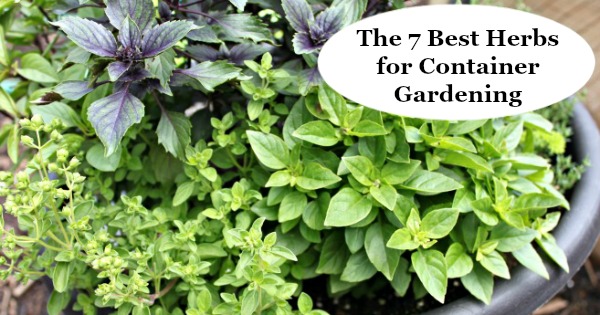

Growing herbs in containers solves a real problem: you don’t need garden space, ideal soil conditions, or advanced gardening skills to have fresh herbs year-round. Whether you’re starting on a sunny windowsill, balcony, or patio, container herb gardening lets you harvest what you need within arm’s reach of your kitchen. The key is choosing herbs that actually tolerate container life and understanding the specific care each one needs.
7 Best Herbs for Container Gardening + Care Requirements
These seven herbs consistently outperform others in containers because they adapt well to restricted root space, tolerate inconsistent watering better than most, and reward frequent harvesting with bushier growth.
Key Concepts
- Container drainage: Every herb pot needs drainage holes to prevent root rot; this is non-negotiable regardless of herb type
- Pot size matters: Most herbs thrive in 6-8 inch pots individually, though vigorous growers like mint need 10+ inches to prevent root binding
- Soil quality: Use potting mix, not garden soil; potting mix drains faster and contains fewer pathogens that damage container roots
- Sunlight access: Herbs need 4-6 hours of direct sun daily; south or west-facing locations work best for most varieties
- Water consistency: Container soil dries faster than ground soil; check moisture daily during warm months and water when top inch feels dry
The 7 Best Container Herbs
Basil – The Prolific Producer
Basil is the container gardening MVP because it grows explosively fast and produces leaves continuously when harvested correctly. Plant in a 6-inch pot with good drainage, place in the sunniest location available (6+ hours daily), and water when the surface soil dries. Pinch off the top leaves regularly to encourage bushier growth rather than a single stem reaching for light. Basil hates cold, so bring containers indoors if temperatures drop below 50°F.
Mint – The Aggressive Grower
Mint deserves its own large container (at least 10 inches) because it spreads aggressively and will overtake neighboring herbs. It tolerates partial shade better than most herbs, making it ideal for east or north-facing spots. Water frequently since mint prefers consistently moist (not waterlogged) soil. Harvest regularly by pinching stems above leaf nodes; this prevents flowering and keeps the plant compact and flavorful.
Parsley – The Shade-Tolerant Option
Flat-leaf and curly parsley both handle 3-4 hours of sunlight, making them perfect for less-than-ideal locations. They develop deep roots, so use a deeper pot (8 inches minimum) rather than a shallow one. Parsley takes 3-4 weeks to germinate from seed, so start with seedlings for faster results. Harvest outer stems first, allowing the center to continue growing and producing new leaves for weeks.
Chives – The Reliable Perennial
Chives are nearly indestructible and return year after year from the same pot, making them a one-time investment. They tolerate partial shade, need minimal fertilizer, and handle neglect better than any other herb on this list. Plant in a 6-inch pot and water moderately; they prefer not to dry out completely but aren’t fussy about perfection. Harvest outer leaves first, cutting about 1-2 inches above soil level to encourage new growth from the center.
Oregano and Marjoram – The Mediterranean Pair
Both oregano and marjoram thrive in containers and actually prefer drier conditions than other herbs, making them excellent for gardeners who forget to water. Plant in a 6-inch pot with excellent drainage and water only when soil is noticeably dry. These herbs need full sun (6+ hours daily) to develop their strongest flavor. Harvest by cutting stems above leaf nodes, and don’t fertilize heavily or growth becomes weak and sprawling.
Thyme – The Low-Maintenance Spreader
Thyme grows as a spreading, creeping plant, so give it a shallow but wide container rather than a deep pot. It requires excellent drainage and prefers to dry out between waterings; this is one herb that actually suffers from too much moisture and attention. Place in full sun for the best flavor development and most compact growth. Trim regularly to maintain a bushy shape, and expect the same plant to produce for multiple years.
Rosemary – The Woody Long-Term Investment
Rosemary grows slowly but eventually becomes a woody plant that produces for years in the same container. It demands full sun and excellent drainage; failure to provide either results in leggy, weak growth or root rot. Water thoroughly then let the soil dry significantly between waterings. Bring containers indoors or protect from frost in winter unless you live in USDA zones 8+, as most rosemary varieties are not cold-hardy.
- Create a rotation system by grouping herbs with similar water needs: basil and parsley together (more frequent watering), oregano and thyme together (drier conditions), and mint alone to prevent it from spreading into other pots
- Fertilize containers monthly with a balanced, diluted liquid fertilizer during growing season; container soil depletes faster than ground soil and lacks the nutrient replenishment that happens naturally outdoors
- Harvest ruthlessly and often—pinching leaves and stems encourages bushier growth, prevents early flowering that reduces leaf quality, and ensures a continuous supply rather than sporadic production
What to Look For in Container Herb Growing Supplies
- Drainage capability: Non-negotiable for herb health. Choose containers with drainage holes on the bottom and consider using pot feet or risers to elevate pots and improve air circulation underneath. Poor drainage causes root rot, which kills herbs faster than any other factor.
- Material durability: Ceramic, terracotta, and food-grade plastic all work well. Terracotta breathes and dries quickly (better for Mediterranean herbs), while plastic retains moisture longer (better for basil and mint). Choose based on your climate and watering habits.
- Size appropriateness: Oversized pots stay wet too long and cause root rot, while undersized pots dry out too quickly and stress plants. Match pot size to the herb: most need 6-8 inches, but mint and aggressive growers need 10+ inches to reach mature size.
- Potting mix quality: Use commercial potting mix formulated for containers, never garden soil. Good potting mix includes perlite or vermiculite for drainage, peat or coco coir for water retention, and nutrients that support 2-3 months of growth before fertilizer becomes necessary.
Gardman Terracotta Herb Pot Set with Saucers
Best for: Gardeners wanting an affordable, attractive, complete setup
This five-piece terracotta set includes matching pots in graduated sizes (6-8 inches) with coordinated saucers for indoor or outdoor placement. Terracotta’s natural breathability makes it ideal for Mediterranean herbs like oregano, thyme, and rosemary. The neutral color complements any decor, and the saucers protect surfaces while still allowing drainage. Affordable enough to purchase multiple sets for a full herb garden without breaking budget.
Check Current Price on Amazon →Bloem Self-Watering Planter Pots 6-inch
Best for: First-time gardeners who struggle with watering schedules
Self-watering containers feature a reservoir system that keeps soil consistently moist without daily attention, perfect for basil and mint. The resin material is lightweight, durable, and available in neutral colors. Built-in drainage prevents root rot even if you accidentally overwater, making these forgiving for learning gardeners. Works indoors on windowsills or outdoors on patios.
Check Current Price on Amazon →Solo Plastic Nursery Pots 8-inch
Best for: Budget-conscious gardeners with multiple herbs to grow
These lightweight plastic nursery pots cost pennies per unit, allowing you to start dozens of herb containers without significant investment. They feature multiple drainage holes and work well for any herb type. The clear sides let you monitor soil moisture and root development. Downside: less aesthetically refined than ceramic options, but functionality is excellent for serious growers focused on production over appearance.
Check Current Price on Amazon →Lechuza Cube Planter with Automatic Watering System
Best for: Style-conscious gardeners wanting hassle-free care
These modern geometric planters combine sleek design with built-in self-watering technology and water-level indicators. The interior mechanism wicks water from a reservoir for consistent moisture without guesswork. Premium resin material resists fading and lasts for years indoors or in protected outdoor spaces. Higher price point justified by durability, design, and the elimination of watering guesswork.
Check Current Price on Amazon →Espoma Organic Potting Mix 8-Quart Bag
Best for: Gardeners starting multiple containers and refilling throughout the season
Quality potting mix is essential for herb success, and this organic blend contains peat moss, perlite, and earthworm castings for immediate nutrients. Eight quarts fills approximately 4-5 standard herb pots. Organic certification means no synthetic chemicals, making harvested herbs safer for culinary use. More economical than buying pre-potted herbs and superior to garden soil for container drainage.
Check Current Price on Amazon →Moisture Meter Digital Soil Probe Analyzer
Best for: Gardeners wanting to eliminate watering guesswork
This simple digital meter removes the guesswork from watering by displaying soil moisture percentage and light levels on an easy-to-read display. Takes moisture readings in seconds by inserting the probe into soil. Especially valuable for herbs like oregano and thyme that prefer drier conditions and fail if overwatered. Accurate feedback prevents both underwatering and root rot from excessive moisture.
Check Current Price on Amazon →Raindrip Adjustable Drip Watering Wand
Best for: Gardeners with multiple containers who want precision watering
This watering wand attaches to standard outdoor faucets and features an adjustable trigger that controls water flow from a gentle mist to steady stream. The wand design lets you water container soil directly without splashing foliage, which reduces disease risk. Aluminum construction lasts for years of daily use. Perfect for watering mint, basil, and parsley that need consistent moisture without waterlogging.
Check Current Price on Amazon →Bonide Herb Garden Liquid Fertilizer Concentrate
Best for: Container gardeners extending plant life and productivity
This concentrated liquid fertilizer dilutes for multiple applications, making one bottle last through an entire growing season of multiple containers. Specifically formulated for herbs with a balanced 3-1-2 NPK ratio that encourages leaf production over flowering. Easy to mix at half-strength for water-sensitive herbs or full strength for vigorous basil. One bottle is compact enough to store in any kitchen cabinet.
Check Current Price on Amazon →Start Your Container Herb Garden Today
Container herb gardening isn’t complicated—it’s actually one of the most forgiving ways to grow food because you control every variable. Pick one or two herbs from the seven listed above, get a pot with drainage, fill it with potting mix, and start harvesting fresh herbs within weeks. The investment is minimal (often under $20 to get started), the space requirements are zero, and the reward is fresh, homegrown flavor that tastes objectively better than grocery store alternatives. Even if you’ve killed plants before, herbs like mint and chives are nearly impossible to fail with.
Start with basil if you want fast gratification and prolific harvests. Choose mint if you want to be hands-off and still have abundant herbs. Pick oregano or thyme if you have limited light or forget to water. There’s genuinely a container herb for every situation and skill level, and once you harvest your first homegrown basil leaf or snip fresh chives for dinner, you’ll understand why gardeners become obsessed with growing their own. The only real risk is discovering you’re better at herb gardening than you expected and ending up with more containers than counter space.
Frequently Asked Questions
Can I grow all seven herbs in the same large pot together?
Not recommended. Mint aggressively spreads and will overwhelm other herbs, and the seven herbs have different watering needs—basil loves consistent moisture while oregano and thyme prefer drier soil. Individual 6-8 inch pots give each herb optimal conditions and make harvesting and care easier.
How often should I water container herbs?
Check soil daily by touching the top inch; water thoroughly when dry. Basil and parsley need more frequent watering (every 1-2 days in warm weather), while oregano and thyme need water only when soil is noticeably dry (every 3-4 days). Self-watering containers handle the guesswork automatically.
Do container herbs need fertilizer?
Yes, monthly diluted fertilizer during growing season is essential since potting soil lacks the nutrient replenishment of garden soil. Use balanced, diluted liquid fertilizer and apply at half-strength every 4-6 weeks, or full-strength monthly. Over-fertilizing actually reduces flavor quality.
Can I keep rosemary and basil containers outside year-round?
Basil dies at temperatures below 50°F and must be brought indoors in fall or grown as an annual. Most rosemary varieties aren’t cold-hardy and need protection below 20°F, though some cultivars survive zones 8+. Check your USDA hardiness zone and bring tender varieties indoors before first frost.
What’s the difference between growing from seeds versus seedlings?
Seedlings give faster results (harvest within 2-3 weeks) and work well for parsley and basil, which germinate slowly from seed. Seeds are cheaper per plant and better for mint and thyme, which germinate quickly. For fastest results and easiest experience, start with healthy seedlings from a nursery.
As an Amazon Associate, Build & Bloom earns from qualifying purchases. We only recommend products we genuinely think are useful. Prices and availability vary; check Amazon for the latest.
Leave a Reply