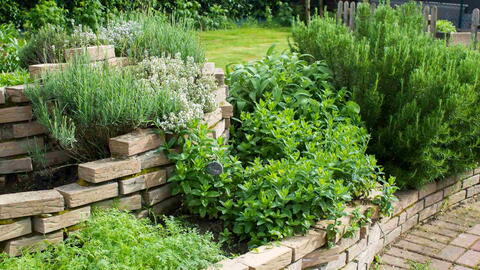

You’ve seen those gorgeous herb gardens on Pinterest and wondered how to create one at home. The good news: you don’t need a sprawling backyard or professional gardening skills. Whether you have a sunny windowsill, a small patio, or just a corner of your kitchen counter, there’s an herb garden setup that fits your space and lifestyle. Let’s walk through seven proven methods that home gardeners use to grow fresh basil, rosemary, mint, and thyme year-round.
7 Herb Garden Setup Methods You Can Build This Weekend
Each of these methods works with common materials and can be set up in under an hour. Choose the one that matches your available space and sunlight.
Materials You’ll Need
- Container or raised bed (5+ gallon capacity minimum for most herbs)
- Quality potting soil (not garden soil)
- Herb seedlings or seeds appropriate to your climate zone
- Drainage holes or drill to create them
- Sunny location with 4-6 hours of direct sunlight daily
- Watering can or spray bottle for consistent moisture
Seven Setup Methods
Container Garden on a Sunny Windowsill
Select individual containers with drainage holes and fill with moist potting soil. Arrange them on a south or west-facing windowsill where herbs receive 4-6 hours of direct sunlight. Plant one herb type per container to allow for different watering needs. This method works best for basil, parsley, and chives indoors.
Vertical Wall Garden Using Pocket Planters
Mount a fabric pocket planter or wooden ladder shelf against a sunny wall. Fill each pocket with potting soil and plant shallow-rooted herbs like thyme, oregano, and mint. This space-saving approach works on balconies, patios, or interior walls near windows. Water from the top and let moisture drip through the pockets.
Repurposed Wooden Crate Herb Box
Line a wooden crate with landscape fabric and fill with potting soil. Group herbs by water needs within the same crate to simplify watering. Position the crate on a deck, patio, or garden bed that receives adequate light. This rustic setup works particularly well for Mediterranean herbs like rosemary and lavender.
Tiered Herb Stand for Maximum Sunlight
Arrange pots on a tiered plant stand or shelving unit to expose each herb to optimal sunlight while using minimal footprint. Position in your brightest interior or exterior location. Rotate plants weekly so all sides receive equal light exposure. This method prevents crowding and reduces disease from poor air circulation.
Raised Bed Herb Garden for Long-Term Growing
Build or purchase a raised garden bed at least 12 inches deep and position it in full sun. Fill with quality potting soil mixed with compost. Arrange herbs in clusters by watering frequency and mature size. Raised beds maintain consistent soil temperature and drainage better than ground-level plantings.
Hanging Basket Herb Cascade
Plant trailing herbs like oregano and thyme in hanging baskets suspended from an eave, pergola, or interior hook near a light source. Ensure baskets have drainage holes and consistent moisture without waterlogging. This vertical approach maximizes air circulation and keeps herbs off the ground where they’re prone to pests.
Hydroponic Herb System for Year-Round Indoor Growing
Set up a compact hydroponic system with nutrient solution and growing medium instead of soil. Plant herb seedlings and monitor water levels weekly. This method produces faster growth and cleaner herbs but requires electrical power. Perfect for growing basil and leafy herbs continuously indoors regardless of season.
- Group herbs by water needs: thyme and rosemary need less frequent watering than basil and mint, so separate them into different containers or zones
- Start with just three types of herbs (basil, parsley, and thyme) before expanding to avoid overwhelm and setup complexity
- Use a moisture meter to check soil wetness before watering rather than guessing, which prevents both drought and root rot
What to Look For in Herb Garden Setup Equipment
- Container Drainage: Proper drainage prevents root rot, the leading cause of herb plant death. Look for containers with multiple drainage holes in the bottom and never use decorative pots without drainage unless you insert a draining pot inside them.
- Soil Quality: Standard potting soil is lighter and drains better than garden soil, which compacts in containers. Choose potting mixes specifically labeled for container gardening or herbs rather than generic soil to ensure proper aeration.
- Sunlight Access: Most culinary herbs need 4-6 hours of direct sunlight daily to develop strong flavor and healthy growth. Position your setup on a south or west-facing window, or supplement with a grow light if you’re growing indoors away from windows.
- Container Size: Herb containers should hold at least 5 gallons of soil for most varieties, with 12 inches of minimum depth. Larger containers retain moisture longer and provide room for root development, reducing transplant shock and watering frequency.
Gardman Tiered Plant Stand with Metal Frame
Best for: Gardeners wanting to grow multiple herbs in minimal space
This sturdy three-tier metal plant stand holds up to 12 containers while organizing them for maximum sunlight exposure. The compact footprint fits on patios, balconies, or indoors near windows. Each tier supports weight up to 30 pounds, making it ideal for larger containers. The open design allows air circulation between plants and prevents disease. Adjustable feet keep it level on uneven surfaces. Perfect for creating a tiered herb garden display that’s both functional and attractive.
Check Current Price on Amazon →Miracle-Gro Indoor Potting Mix
Best for: New gardeners starting their first herb containers
This ready-to-use potting soil is pre-mixed with peat moss, perlite, and fertilizer to support healthy herb growth without additional amendments. The lightweight formula drains well while retaining adequate moisture for container plants. It comes in compact bags (from 8 to 40 quarts) so beginners don’t waste money on excess soil. The built-in nutrients feed plants for up to six months, reducing fertilizing frequency. Available at virtually every garden center and hardware store, making it convenient for first-time gardeners.
Check Current Price on Amazon →Bloem Terrapot Plastic Planter with Drainage
Best for: Cost-conscious gardeners starting multiple containers
These lightweight plastic pots come in sizes from 6 to 16 inches and feature built-in drainage holes and integrated saucers. At roughly $3-8 per pot depending on size, they’re affordable for setting up a full herb garden. The neutral colors complement both indoor and outdoor spaces. UV-resistant plastic won’t crack in sunlight, and they’re lightweight enough to move frequently if needed. Sell individually or in multi-packs to reduce per-unit costs even further.
Check Current Price on Amazon →Copper Watering Can with Long Spout
Best for: Gardeners who want precision watering for delicate herbs
This 1-gallon copper watering can features a long spout that delivers water directly to soil without wetting herb foliage, which prevents fungal disease. The long handle and balanced design reduce strain during frequent watering sessions. Copper naturally resists bacteria and won’t rust like steel versions. The rose head attachment can be removed for faster filling or kept on for gentle sprinkling. Durable construction lasts for decades with minimal maintenance, making it a worthwhile investment.
Check Current Price on Amazon →AeroGarden Harvest Indoor Hydroponic System
Best for: Urban dwellers and those wanting year-round indoor herbs
This countertop hydroponic system grows six herbs simultaneously without soil using nutrient-rich water and LED grow lights. The compact size (14 by 10 inches) fits on kitchen counters, windowsills, or small tables. Pre-seeded herb pods eliminate the guesswork of starting from seed, with fresh basil, parsley, and mint available. The built-in light cycles automatically, and water level indicators show when to refill. Perfect for growing basil and leafy herbs in apartments or homes without garden space.
Check Current Price on Amazon →Raised Garden Bed Kit by Greenes Fence (4x8x12)
Best for: Gardeners wanting a permanent outdoor herb garden
This cedar raised bed kit comes pre-cut and requires no tools to assemble, with boards simply slotting together. The 4-by-8-foot footprint accommodates 12-15 herb plants with adequate spacing. Natural cedar resists rot and weathers beautifully over time. The 12-inch depth suits most herb root systems and improves drainage compared to ground-level planting. Includes landscape fabric to prevent weeds and allow drainage. Ideal for creating a permanent kitchen garden that produces for multiple years.
Check Current Price on Amazon →IKEA Socker Hanging Planter with Bracket System
Best for: Gardeners optimizing vertical space on balconies or patios
This modular hanging planter system includes brackets and hooks that attach to railings, walls, or eaves without permanent damage. Each unit holds multiple small pots for trailing herbs like oregano, thyme, and creeping rosemary. The weather-resistant plastic withstands sun and rain while remaining lightweight. Stackable design lets you add additional units as your herb collection grows. The contemporary aesthetic works well in modern spaces and complements both industrial and minimalist decor.
Check Current Price on Amazon →Dr. Meter Soil Moisture Meter with Sunlight Function
Best for: Gardeners wanting to eliminate guesswork in herb care
This dual-function meter measures soil moisture and sunlight intensity with a single probe, eliminating over- and under-watering mistakes. The easy-to-read analog dial gives immediate feedback without batteries or apps. Affordable at around $15-20, it pays for itself by preventing plant loss from improper watering. Works in containers and raised beds. Helps beginners understand their specific microclimate and adjust herb placement accordingly. Durable stainless steel probe won’t rust or break easily.
Check Current Price on Amazon →Start Your Herb Garden This Weekend
You now have seven proven methods to grow fresh herbs at home, whether you’re working with a sunny windowsill, a spacious patio, or limited indoor space. The key to success is matching the method to your lifestyle and available light. Container gardens offer flexibility and mobility, raised beds provide permanent production, and hydroponic systems enable year-round growing. Start with just three herbs you actually cook with–basil, parsley, and thyme are foolproof choices–then expand as your confidence grows.
The beauty of growing your own herbs is that you’ll use them more often, save money compared to store-bought bundles, and enjoy peak flavor that grocery store herbs can’t match. Most of the equipment needed costs under $100 total, and several methods require materials you already have at home. Pick one setup method that excites you, gather your supplies this weekend, and plant your first seedlings. Within three weeks, you’ll be harvesting fresh herbs from your own garden and wondering why you didn’t start sooner.
Frequently Asked Questions
How often should I water my potted herbs?
Check soil moisture with your finger before watering. Most herbs prefer soil that’s moist but not waterlogged. In warm weather, daily watering is typical, but in cool seasons, every 2-3 days may suffice. Use a moisture meter to remove guesswork.
Can I grow herbs indoors without a grow light?
Yes, if you have a south or west-facing window with 4-6 hours of direct sunlight daily. Basil, parsley, and chives thrive in bright windowsill conditions. For less-sunny windows, a supplemental LED grow light dramatically improves results and growth speed.
What’s the difference between starting from seed versus seedlings?
Seedlings (small starter plants) produce harvestable herbs in 2-3 weeks, making them ideal for beginners. Seeds take 6-8 weeks to grow large enough to harvest and require more consistent care. For first-time gardeners, seedlings offer faster gratification and higher success rates.
Do all herbs need the same amount of sunlight?
Most culinary herbs need 4-6 hours of direct sunlight, but mint and parsley tolerate partial shade better than basil and rosemary. Grouping herbs by light requirements helps you position them optimally and prevents shading issues in container setups.
How do I prevent common herb garden pests and diseases?
Ensure good air circulation by spacing containers properly and not overcrowding. Water soil directly rather than wetting leaves to prevent fungal disease. Inspect plants weekly for spider mites or aphids and remove affected leaves immediately. Neem oil spray handles most common pests effectively.
As an Amazon Associate, Build & Bloom earns from qualifying purchases. We only recommend products we genuinely think are useful. Prices and availability vary; check Amazon for the latest.
Leave a Reply