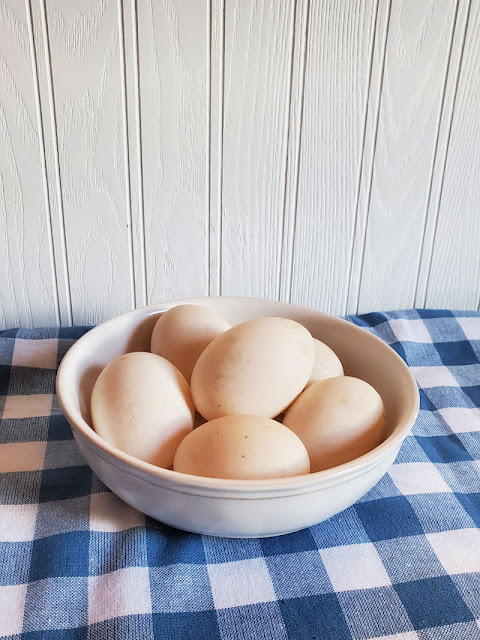

If you raise backyard poultry or shop at farmers markets, you’ve likely noticed duck eggs sitting alongside chicken eggs–but at a higher price. Most home cooks don’t realize that duck eggs aren’t just a premium alternative; they’re nutritionally dense powerhouses that transform baking results. Understanding what makes them different helps you decide whether they’re worth the investment for your kitchen and homestead.
Duck Eggs vs Chicken Eggs: Key Nutritional & Culinary Differences
Duck eggs outperform chicken eggs in several measurable ways. Here’s what you need to know about their composition and how those differences affect your cooking and baking.
Key Concepts
- Protein content: Duck eggs contain approximately 9 grams per egg versus 6 grams in chicken eggs
- Yolk-to-white ratio: Duck eggs have proportionally larger yolks with higher fat content, creating richer emulsions
- Nutritional density: Duck eggs provide more choline, selenium, and B vitamins per serving than chicken eggs
- Allergen profile: Many people sensitive to chicken eggs tolerate duck eggs due to different protein structures
- Flavor intensity: The larger yolk delivers deeper, creamier taste in both sweet and savory applications
- Cooking behavior: Higher fat content means duck eggs cook differently–yolks set slower, requiring adjusted heat and timing
Principles
Recognize the Size and Yolk Difference
A duck egg typically weighs 70 grams compared to a 50-gram chicken egg. The yolk is noticeably larger and darker golden-orange in color. This visual difference reflects a higher fat and nutrient concentration that directly impacts baking structure and flavor development.
Understand Protein Composition for Baking
Duck egg whites contain different protein molecules than chicken eggs, which affects how they whip and stabilize. When baking cakes, cookies, or meringues, duck eggs create denser crumbs and more stable foams. Recipes developed for chicken eggs may need slight adjustments in mixing time and baking temperature.
Apply the Nutritional Advantage to Your Diet
One duck egg provides roughly 50% more protein and choline than a chicken egg, making it superior for muscle maintenance, brain health, and nutrient density. If you’re counting macronutrients or following nutrient-dense eating patterns, duck eggs deliver more bang per serving.
Account for Higher Fat Content in Recipes
The larger yolk means duck eggs contribute more fat to batters and doughs. When substituting duck eggs for chicken eggs in recipes, expect richer, more moist final products. You may reduce added butter or oil slightly, or increase dry ingredients to maintain proper ratios.
Test for Freshness and Quality
Duck eggs from healthy backyard birds have darker, creamier yolks and thicker shells than stressed commercial birds. Fresh eggs have cloudy whites and centered yolks when cracked. Older eggs develop flatter yolks and clearer whites, affecting baking performance.
Leverage Superior Emulsification in Custards and Sauces
The higher yolk fat content makes duck eggs ideal for hollandaise, mayonnaise, and custard sauces. They create smoother, more stable emulsions with less risk of breaking. Custard-based desserts and cream fillings achieve silkier textures with duck eggs.
Consider Cost-Benefit for Regular Cooking
Duck eggs typically cost 50-100% more than chicken eggs. Reserve them for applications where their advantages matter most: baking, custards, and nutrient-dense breakfast meals. Use chicken eggs for everyday scrambles unless nutrition density is your priority.
- When substituting duck eggs in recipes, use one duck egg per 1.5 chicken eggs to account for size difference and higher fat content
- Store duck eggs pointy-end down like chicken eggs, but they keep longer–up to 5 weeks refrigerated versus 3-4 weeks for chicken eggs
- Bake cakes with duck eggs at 25 degrees lower temperature than your recipe specifies to prevent over-browning from the higher yolk fat content
What to Look For When Sourcing Quality Duck Eggs
- Shell Color and Integrity: Quality duck eggs have thick, waxy shells in white, green, or speckled patterns depending on breed. Avoid cracked or thin-shelled eggs. Darker, thicker shells indicate healthier birds and better storage life.
- Yolk Color and Size: Deep golden-orange yolks signal nutrient density and proper bird diet. Large yolks relative to egg size indicate premium quality. Pale yolks suggest poor nutrition or stressed birds; these won’t perform as well in baking.
- Source and Bird Health: Backyard and pasture-raised ducks produce superior eggs to confined operations. Ask farmers about diet, water access, and living conditions. Healthy ducks on varied forage produce eggs with better flavor and nutrition.
- Freshness Date: The fresher the egg, the better the baking performance. Egg white proteins denature over time, affecting whipping and structure. Purchase eggs within 1-2 weeks of collection whenever possible.
OXO Good Grips 3-Cup Angled Measuring Cup
Best for: Measuring duck eggs and liquid ingredients accurately
When working with duck eggs and larger portions, precise measurement matters. This angled measuring cup displays markings clearly whether you’re viewing from above or pouring. The handle is comfortable for prolonged kitchen use, and the spout pours cleanly without drips. Essential for baking conversions when substituting duck eggs in recipes.
Check Current Price on Amazon →Oxo Good Grips Egg Separator
Best for: Separating duck egg whites from yolks
Duck egg yolks are larger and trickier to separate than chicken eggs. This simple silicone separator sits over a bowl and catches the yolk while whites drain through. It removes the guesswork and hand coordination required for traditional separation, making it ideal for home bakers new to duck eggs.
Check Current Price on Amazon →Instant Read Meat Thermometer by ThermoPro
Best for: Checking baked goods and custards made with duck eggs
Duck eggs have different cooking rates due to higher fat content. This digital thermometer gives instant readings, helping you determine doneness without guessing. Critical for custards, quiches, and baked goods where temperature precision prevents overcooking the richer yolks.
Check Current Price on Amazon →KitchenAid Stainless Steel Mixing Bowl Set
Best for: Whipping duck egg whites for meringues and cakes
Duck egg whites whip to higher peaks than chicken egg whites due to different protein structure. These stainless steel bowls are non-reactive and provide stable platforms for electric mixer use. The set includes multiple sizes for separating whites, whipping, and mixing batter.
Check Current Price on Amazon →Investing in Duck Eggs for Your Kitchen
Duck eggs represent a premium choice that pays dividends in specific applications. If you bake regularly, maintain a nutrient-focused diet, or raise backyard poultry, the investment in quality duck eggs is worthwhile. They transform custards, cakes, and pastries into richer, more stable creations while delivering substantially more protein and micronutrients per serving. The key is using them strategically–reserve them for baking and special breakfast dishes where their superior fat content and size create measurable improvement.
Start by sourcing fresh duck eggs from a local farm or farmers market rather than industrial suppliers. Examine them for thick shells, deep golden yolks, and signs of bird health. Invest in a few measurement and preparation tools to handle their larger size and different cooking behavior. Then experiment with simple applications like custards and quiches before tackling complex baking projects. Over time, you’ll develop intuition for how duck eggs transform your recipes, and the premium cost becomes justified by the superior results and nutritional density they deliver.
Frequently Asked Questions
Can I substitute duck eggs directly for chicken eggs in any recipe?
Not one-to-one. Use one duck egg for every 1.5 chicken eggs due to size and fat content. For recipes heavily dependent on egg structure (like souffles or angel food cakes), test small batches first. Custards and cookies tolerate substitution more forgivingly.
Why do duck egg yolks taste richer and creamier?
Duck egg yolks contain 50% more fat than chicken egg yolks and higher concentrations of omega-3 fatty acids. They also have more carotenoid pigments, which create the deeper orange color and contribute to richer flavor perception.
Are duck eggs safe for people allergic to chicken eggs?
Many people with chicken egg allergies can eat duck eggs because the proteins are structurally different. However, this is not guaranteed, and severe egg allergies may still be triggered. Always consult a doctor or perform a small test under medical supervision before fully incorporating them.
How should I store duck eggs at home?
Store them pointed-end down in the refrigerator, just like chicken eggs. Duck eggs last 4-5 weeks refrigerated compared to 3-4 weeks for chicken eggs, thanks to their thicker shells. Keep them away from strong-smelling foods to prevent odor absorption.
What’s the best way to cook duck eggs for breakfast?
Use medium-low heat in a cast iron or non-stick skillet to prevent breaking the larger yolk. Duck eggs take slightly longer to cook due to higher fat content–plan on 4-5 minutes for sunny side up versus 3 minutes for chicken eggs. They’re also excellent soft-boiled or poached.
As an Amazon Associate, Build & Bloom earns from qualifying purchases. We only recommend products we genuinely think are useful. Prices and availability vary; check Amazon for the latest.
Leave a Reply