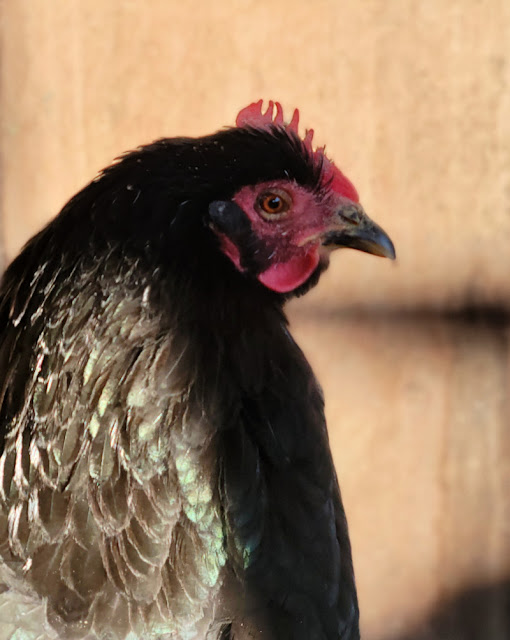

If you’re planning a backyard flock and want hens that consistently deliver fresh eggs while being docile and easy to handle, Australorp chickens might be exactly what you’re looking for. These striking black birds with green iridescent feathers have earned their reputation as some of the most reliable layers in homestead flocks. But before you order chicks, it helps to understand what makes them tick—their egg production rates, space requirements, temperament quirks, and how they perform across different climates and management styles.
Understanding the Australorp Chicken Breed
Australorp chickens bring several distinct characteristics to a homestead flock. Here’s what you need to know about this breed before deciding if they’re right for you.
Key Characteristics
- Egg production capacity: 250-300 medium to large brown eggs annually (5-6 eggs per week)
- Body size and weight: Large birds weighing 6-8 pounds, making them dual-purpose for meat and eggs
- Temperament and sociability: Calm, broody, friendly birds that bond with their keepers and are gentle with children
- Cold hardiness: Excellent cold-weather tolerance with dense plumage and smaller combs, thriving in northern climates
- Space requirements: Need 3-4 square feet per bird inside the coop and 8-10 square feet in outdoor run areas
Breed Profile Principles
Evaluate Egg Production Demands
Australorps are prolific layers, producing approximately 5-6 eggs per week when given proper nutrition, light cycles, and care. Their eggs are medium to large, with brown shells, and they maintain consistent production from first lay (around 16-20 weeks) through their second and third years. If you need a reliable, consistent supply of eggs for your family or small-scale selling, this breed delivers far better than many ornamental or slower-laying varieties. Plan for a 2-3 year productive period before egg production naturally declines.
Consider Their Broody Nature
Unlike some modern layer breeds bred specifically to suppress broodiness, Australorps retain a strong maternal instinct. This means they’ll go broody multiple times per year—sitting on eggs to hatch them rather than laying. If you want maximum egg production without interruption, you’ll need to break broody hens regularly or separate them temporarily. Conversely, if you want to hatch chicks naturally, Australorps are outstanding mothers who protect and raise their offspring with dedication. Understand your goals before committing to the breed.
Assess Temperament for Your Situation
Australorps are known for calm, docile personalities that make them excellent for families with children, beginner keepers, or anyone who wants birds that can be handled and interacted with regularly. They’re curious and personable, often following their owners around the yard and responding to their names. This trait makes daily care enjoyable, though it also means they become bored in confined spaces without environmental enrichment like perches, dust baths, and foraging areas. Their calm nature also makes them vulnerable to predators, so secure housing is essential.
Plan for Climate Compatibility
The dense, glossy black plumage and smaller combs of Australorps make them exceptionally cold-hardy, performing well in northern regions where other breeds struggle through winter. They don’t require specialized cold-weather housing beyond standard windproof coops with adequate ventilation. However, their dark coloring means they can overheat in extremely hot climates—provide shade, cool water, and adequate ventilation in summer months. They’re most naturally suited to temperate to cool climates but can adapt to heat with proper management.
Calculate Space and Housing Needs
As large birds, Australorps need more coop space than smaller breeds: plan for 3-4 square feet per bird inside the henhouse, plus 8-10 square feet per bird in outdoor runs or pasture areas. Their size means they produce more waste, requiring adequate ventilation and regular bedding changes to prevent respiratory issues. Make sure your coop has roosts rated for their weight, elevated nesting boxes, and predator-proof construction. Insufficient space leads to behavioral problems like feather picking and cannibalism, even in naturally calm birds.
Prepare Nutrition for Peak Performance
To achieve the high egg production rates Australorps are capable of, provide a quality layer feed with 16-18 percent protein, supplemented with oyster shell, calcium, and grit. Fresh water must be available constantly—dehydration immediately reduces egg production. Kitchen scraps, garden vegetables, and protein-rich treats support both productivity and bird health. Avoid overfeeding treats, which can lead to obesity and reduced laying. Consistent, quality nutrition is the difference between average egg production and the 250-300 eggs annually these birds are bred to deliver.
Monitor Health and Predation Risks
Despite their calm nature making them wonderful pets, Australorps’ lack of flightiness makes them vulnerable to predators like hawks, foxes, and raccoons. They won’t flee aggressively or roost high to escape threats, so secure fencing, covered runs, and nighttime coop locking are non-negotiable. Watch for common chicken health issues including parasites, respiratory infections, and broodiness-related complications. Annual wellness checks and maintaining a clean coop environment prevent most problems. Their larger size makes them susceptible to leg problems if not given adequate exercise.
- If you don’t want broody hens interrupting egg production, collect eggs daily and remove them from nesting boxes quickly—broodiness triggers when hens accumulate a clutch to sit on.
- Australorp chicks can be sexed reliably through down color: males have lighter, more uniform down while females show darker barring—important for ordering the right ratio of hens to roosters.
- Because they’re broody and maternal, Australorps make excellent ‘broody backup’ birds—use their willingness to sit on eggs to hatch chicks from other, less reliable broody breeds.
Essential Supplies for Australorp Care
- Coop Size and Construction: Australorps need substantial housing due to their large size. Plan for coops with minimum 3-4 square feet per bird inside, with sturdy frames to support their weight and predator-proof construction including hardware cloth (not chicken wire). Well-ventilated design prevents respiratory issues from their increased waste production.
- Feeding and Watering Systems: Layer feed with 16-18 percent protein is essential for peak egg production. Use feeders and waterers sized appropriately for larger birds, and provide multiple stations to prevent competition and waste. Automatic or deep waterers help maintain freshness and reduce bacterial contamination in water supplies.
- Nesting and Roosting Equipment: Provide elevated nesting boxes (12×12 inches minimum) with sturdy support, and roosts rated for the weight of large birds. Australorps need comfortable elevated sleeping areas; undersized or weak roosts lead to leg problems and injuries that reduce productivity.
- Predator Protection and Run Fencing: Secure outdoor runs with buried fencing to prevent digging predators and overhead netting or roofing to stop aerial attacks. Australorps’ calm nature makes them easy prey, so layered predator defenses (electric fencing, motion sensors, nighttime locking) are necessary investments in protecting your investment.
Rubbermaid Feeding System with Poultry Trough
Best for: All Australorp flock sizes
This durable poultry feeding system provides gravity-fed access to layer feed while minimizing waste and contamination. The large capacity handles feeding multiple Australorps without constant refilling, and the weather-resistant construction withstands coop conditions. The trough design accommodates larger birds comfortably, preventing competition and spillage that wastes expensive feed.
Check Current Price on Amazon →Brinsea TLC 50 Automatic Chicken Waterer
Best for: First-time flock owners
This automatic waterer ensures constant fresh water availability critical for Australorp egg production, while the nipple-feed design reduces bacterial growth compared to open-water systems. The 5-gallon capacity handles multiple large birds, and the reliable mechanism prevents leaks and overflow. Perfect for beginners who want worry-free water management that supports optimal laying performance.
Check Current Price on Amazon →Little Giant Chicken Nesting Box (3-Hole Wooden)
Best for: Budget-conscious keepers
This compact wooden nesting box unit provides three separate laying spaces ideal for a small Australorp flock without excessive expense. The sturdy construction supports the weight of larger birds, and the sloped roof prevents roosting and waste accumulation. Easy to mount inside coops and simple to clean for maintaining hygiene that prevents disease in broody birds.
Check Current Price on Amazon →Premium Layer Feed by Purina ProPlan Poultry
Best for: Maximum egg production results
This scientifically formulated layer feed contains 16 percent protein, essential amino acids, and balanced calcium levels specifically designed to support consistent egg production in breeds like Australorps. The premium ingredient list supports feather quality, immune health, and nutritional density. Results in larger, stronger-shelled brown eggs and extends the productive laying period, making it worth the investment.
Check Current Price on Amazon →Hardware Cloth Predator Protection Roll (1/2 inch)
Best for: Securing runs and coops
This essential hardware cloth provides the secure fencing needed to protect calm, vulnerable Australorps from predators. The 1/2-inch mesh size stops rats, weasels, and smaller predators while remaining visible enough for safety. Heavy-gauge construction withstands weather and animal pressure better than lighter alternatives, making it the single most important investment in protecting your flock.
Check Current Price on Amazon →Deep Litter Box System by Coop & Run Company
Best for: Easy coop maintenance
This bedding management system simplifies the handling of increased waste produced by large Australorp flocks. The removable deep litter trays make daily cleaning effortless while the aerating design maintains coop air quality. Regular bedding changes prevent respiratory issues and parasites, directly supporting flock health and productivity.
Check Current Price on Amazon →Portable Electric Poultry Netting Fence Kit
Best for: Rotational grazing systems
This portable electric fence allows safe outdoor time for Australorps while protecting them from ground predators. The lightweight netting is easy to move for rotational grazing, reducing parasites and providing fresh forage that supplements feed costs. Battery-powered operation works reliably without permanent installation, ideal for medium-sized flocks exploring pasture management.
Check Current Price on Amazon →Automatic Chicken Coop Door with Motion Sensor by Stealth Pet Door
Best for: Peace of mind and security
This automated coop door opens at dawn and closes at dusk, protecting Australorps from nighttime predators without manual intervention. The sturdy metal construction handles large birds, and the adjustable motion sensor works reliably in varied light conditions. Worth the investment for protecting your productive flock from foxes and raccoons while reducing daily labor.
Check Current Price on Amazon →Is an Australorp Right for Your Homestead?
Australorp chickens represent an outstanding choice for homesteaders seeking reliable egg production combined with calm, personable birds. Their combination of 250-300 annual eggs, cold-weather hardiness, and docile temperament makes them suitable for beginners and experienced keepers alike. If you have the space to accommodate their larger size, can secure them against predators given their trusting nature, and want birds you’ll genuinely enjoy interacting with daily, Australorps consistently deliver. Their broody tendencies aren’t a flaw—they’re a feature if you want natural chick hatching or simply understand how to manage them.
Before bringing home Australorp chicks or pullets, ensure you have adequate coop space (3-4 square feet per bird), quality layer feed, secure predator-proof housing, and a realistic understanding that while they’re easy to care for, their calm nature requires you to provide the protection they won’t seek themselves. Many homesteaders who start with one Australorp flock expand rather than replace them—a reliable indicator of breed satisfaction. Whether you’re building your first backyard flock or adding to an existing one, Australorps earn their reputation as the egg-laying powerhouse.
Frequently Asked Questions
How many eggs will a single Australorp hen lay in a year?
A healthy Australorp hen typically lays 250-300 brown eggs annually, approximately 5-6 eggs per week. This production rate varies based on age (peak in year one and two), nutrition, light exposure, and health status. First-year pullets often exceed 300 eggs with excellent management.
Are Australorp chickens good for families with small children?
Yes, Australorps are excellent family birds. They’re naturally calm, docile, and enjoy human interaction, making them safe and fun for children to handle. Their gentle nature and willingness to be held make them ideal for families, though supervision is always recommended and children should be taught proper gentle handling.
Can Australorp chickens survive in cold winters?
Absolutely. Australorps are exceptional cold-weather birds with dense plumage and small combs that resist frostbite. They maintain excellent egg production through winter compared to lighter breeds, though supplemental lighting in the coop helps maintain year-round laying by extending daylight hours.
What’s the difference between Australorp and Rhode Island Red chickens?
Both are excellent layers, but Australorps are slightly larger, more broody, and calmer in temperament. Rhode Island Reds are more flighty, less broody, and produce slightly fewer eggs annually. Australorps excel in cold climates; Rhode Island Reds handle heat better. Choose based on your climate and whether you want natural broody birds.
How long do Australorp chickens live and stay productive?
Australorp hens typically live 6-8 years in a backyard flock. Peak egg production occurs in years one and two, with gradual decline in year three. Many keepers replace hens after 3-4 years when productivity drops significantly, though some keep older birds for pest control, companionship, or natural brooding duties.
As an Amazon Associate, Build & Bloom earns from qualifying purchases. We only recommend products we genuinely think are useful. Prices and availability vary; check Amazon for the latest.
Leave a Reply