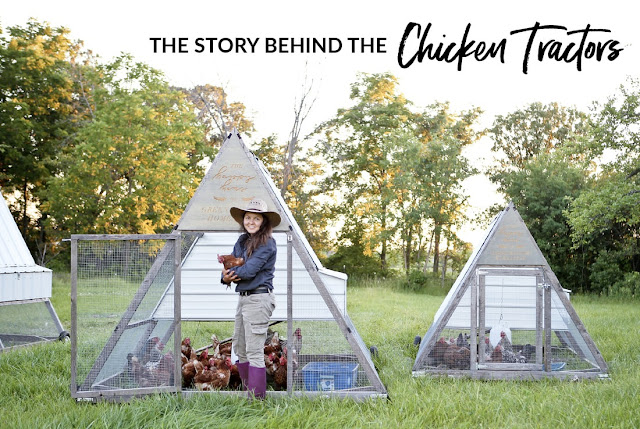
If you’re raising backyard chickens, you’ve probably noticed they tear up grass, create dust baths, and leave droppings in one spot. A chicken tractor solves this problem by giving your flock fresh pasture daily while protecting them from predators and letting you rotate grazing areas. Unlike a stationary coop, this mobile design rolls or slides across your yard, distributing manure naturally and preventing overgrazing. Whether you have three hens or a dozen, building your own chicken tractor is a rewarding weekend project that saves money and gives your birds a healthier lifestyle.
How to Build a Basic Mobile Chicken Tractor
This design creates a lightweight, movable coop that’s easy to reposition daily. The project takes one to two weekends and requires basic carpentry skills.
What You Will Need
- Lumber framing (2x2s and 2x4s for the structural frame and corners)
- Wire mesh or hardware cloth (1/2-inch mesh for predator protection)
- Wooden panels or plywood sheets (for roof and covered shelter sections)
- Heavy-duty hinges (for roof access and ventilation doors)
- Caster wheels or skids (for movement across the ground)
- Fasteners (galvanized screws, nails, and U-shaped fencing staples)
Steps
Build the Frame Foundation
Cut and assemble the base frame using sturdy lumber, creating a rectangular box approximately 4 feet by 8 feet. Ensure corners are square and all joints are tightly fastened. This frame serves as the foundation and bears the weight of the entire structure, so reinforce corners with diagonal bracing if needed.
Attach Wheels or Skids
Mount caster wheels to the bottom corners, or fashion drag skids from treated wood. Wheels work best on flat ground and allow one-person movement, while skids suit rougher terrain but require more effort to move. Test the mobility before proceeding further.
Construct the Frame Walls
Build vertical wall frames using 2×2 lumber, spacing uprights every 2-3 feet. Keep one end fully enclosed for roosting and nesting shelter; leave the other more open for daytime grazing access. The enclosed end should stand 2-3 feet tall, while the open end can slope lower for weather protection.
Install Wire Mesh Enclosure
Stretch and staple wire mesh tightly across all exposed wall sections and the open floor perimeter. Ensure the mesh is secure with no gaps where predators could enter or chicken heads could get caught. Run mesh along the bottom edges into the ground slightly for additional predator protection.
Create the Roof System
Build roof panels using plywood sheets and lightweight lumber frames. Make the roof hinged on one side to allow easy access for collecting eggs and managing the flock. Roof pitch should shed water away from the roosting shelter, and ventilation gaps near the top prevent moisture buildup.
Add Access Door and Ramp
Cut and hang a hinged door on the open end that allows chickens to enter and exit while keeping predators out. Install a removable ramp so birds can safely access ground level. Some designs include a sliding door that can be closed at night for extra security.
Sand and Weatherproof
Sand any rough lumber edges to prevent injury to your flock. Apply non-toxic wood stain or leave untreated; avoid paint and sealers that could be pecked off and ingested. This step extends the life of your structure against weather and prevents splinters.
Test and Position on Pasture
Do a final inspection of all fasteners, mesh seams, and door closures. Position the tractor on level ground with grass access, then allow your flock to explore safely before closing them in for the first night. Move daily to a fresh patch of pasture for optimal grazing and manure distribution.
- Keep your tractor lightweight by using 2x2s instead of 2x4s where possible, making daily movement easier for one person.
- Install a hinged roof panel that runs the full length for quick access to clean bedding and collect eggs without crawling inside.
- Use treated lumber only for ground contact; untreated wood works for exposed framing to avoid toxin concerns with curious birds.
What to Look For in Chicken Tractor Materials
- Wheel Quality: Heavy-duty swivel casters rated for at least 200 pounds per wheel provide smooth movement and durability. Look for sealed bearings that resist dirt and moisture buildup from outdoor use.
- Wire Mesh Gauge: Thicker gauge wire (smaller gauge numbers like 16 or 18) resists predator penetration better than thin mesh. Hardware cloth is superior to chicken wire for protecting against raccoons and snakes.
- Lumber Grade: Untreated or minimally treated softwood lumber is safe for chickens and weathers naturally. Avoid pressure-treated lumber in roosting areas where birds may peck and ingest treatment chemicals.
- Hinge Durability: Stainless steel or galvanized hinges resist rust and provide smooth operation season after season. Look for hinges rated for outdoor use with at least 1/2-inch bolts for strength.
Shepherd Hardware 9838 Zinc Plated Heavy Duty Caster Wheels
Best for: Building mobile chicken tractors with smooth daily movement
These heavy-duty swivel casters are the backbone of any chicken tractor project. Each wheel locks securely and handles up to 200 pounds, making them perfect for moving a fully populated coop across pasture. The 2-inch diameter wheels roll smoothly over grass and uneven terrain, and the zinc plating resists rust. A 4-pack provides enough casters for most backyard designs and costs significantly less than purchasing individual wheels.
Check Current Price on Amazon →Zareba Hardware Cloth 1/2-Inch 48-Inch x 50-Foot
Best for: Complete mesh enclosure protection against predators
This heavy-gauge hardware cloth is essential for predator-proof chicken tractors, offering superior protection compared to standard chicken wire. The 1/2-inch openings prevent raccoons, snakes, and other predators from accessing your flock while allowing visibility and ventilation. The 50-foot roll provides enough material for multiple projects, and galvanized steel resists rust and weathering. Installation is straightforward with U-shaped staples and a standard staple gun.
Check Current Price on Amazon →Grip-Rite 16D Common Galvanized Nails 1 Lb Box
Best for: Secure fastening of frame and panels without special tools
Galvanized nails are essential for assembling chicken tractor frames, offering excellent corrosion resistance in outdoor conditions. These 3.5-inch 16D nails penetrate softwood lumber easily and hold firmly without requiring pre-drilling. A 1-pound box contains roughly 75 nails, sufficient for most tractor projects. Galvanization prevents rust stains and structural weakening over multiple seasons of outdoor exposure.
Check Current Price on Amazon →Kreg Pocket Hole Jig 320 Micro
Best for: Creating strong corner joints without visible fasteners
This compact pocket hole jig simplifies frame construction by creating hidden, incredibly strong joints at corners. The jig guides drilling at the correct angle, and included screws create mechanical bonds stronger than nails. The micro size is perfect for 2×2 lumber, and the system eliminates the need for additional bracing or reinforcement. Results look cleaner and last longer against repeated movement stress.
Check Current Price on Amazon →Everbilt 3-1/2-Inch Galvanized Stainless Steel Hinges 2 Pack
Best for: Durable roof and access door operation in outdoor conditions
Heavy-duty hinges are critical for roof panels and access doors that get opened and closed daily. These 3.5-inch hinges feature stainless steel construction for maximum rust resistance and smooth operation year-round. The 2-pack provides hinges for one major access point or multiple smaller doors. Ball bearings in the hinges ensure decades of reliable opening and closing without sagging or binding.
Check Current Price on Amazon →Spax PowerLag 3/8-Inch x 5-Inch Galvanized Lag Bolts
Best for: Reinforcing heavy-duty corner connections and wheel mounts
For maximum structural integrity, these lag bolts create unshakeable connections at critical stress points. The 5-inch length penetrates deep into multiple lumber layers, distributing load across larger areas. Galvanized coating prevents corrosion even in wet conditions, and the hex head design accommodates wrenches for tight fastening. Use these at wheel mount points and major frame corners for a tractor that withstands years of movement.
Check Current Price on Amazon →Arrow Fastener T50 Staple Gun with Staple Remover
Best for: Quick and efficient hardware cloth installation
A quality staple gun makes mesh installation dramatically faster and more secure than hand-stapling. This Arrow T50 fires U-shaped staples quickly with minimal effort, and the included remover simplifies corrections if staples misfire. The lightweight design reduces fatigue during extended stapling sessions, and the jaw opens wide enough for thick wire mesh. Staples hold firmly without requiring additional fasteners.
Check Current Price on Amazon →DeWalt DCS391D1 20V Compact Circular Saw with Battery
Best for: Professional-quality cutting of lumber framing pieces
A cordless circular saw makes lumber cutting precise, fast, and safe compared to hand saws. This DeWalt model is compact enough for detailed work yet powerful enough for 2×4 framing lumber. The 20V battery charges quickly, providing plenty of runtime for a complete tractor project. The laser guide ensures straight cuts, resulting in better-fitting frame corners and reduced waste from measurement errors.
Check Current Price on Amazon →Start Building Your Chicken Tractor Today
A DIY chicken tractor is one of the most rewarding projects for backyard farmers. It costs less than pre-built models, lets you customize the design for your specific needs, and creates a healthier lifestyle for your flock. Whether you build a simple skid-based model or a wheeled design with multiple access doors, the basic construction method remains straightforward. With quality materials like durable hinges, heavy-gauge hardware cloth, and smooth-rolling casters, your tractor will function reliably for years.
The beauty of this project is that you’ll learn valuable skills while creating something useful. As your confidence grows, you can experiment with refinements like integrated nesting boxes, automatic door openers, or specialized ventilation. Start with a basic design, move your birds to fresh pasture daily, and watch your lawn improve while your chickens thrive. Your backyard farming journey begins with a single tractor.
Frequently Asked Questions
How often should I move my chicken tractor?
Move your tractor daily or every other day, depending on flock size and pasture density. Daily movement provides fresh forage, prevents overgrazing, and naturally distributes manure across your yard. A smaller flock may need moving less frequently than a dozen birds.
What’s the ideal size for a chicken tractor?
A good rule of thumb is 3-4 square feet of floor space per chicken. A 4×8 foot tractor comfortably houses 8-10 birds with room for roosting, nesting, and daytime scratching. Smaller flocks can use 4×4 designs; larger operations might build 4×12 or multiple tractors.
Can I leave my tractor outside year-round?
Yes, but ensure proper weatherproofing and ventilation. The roof should shed snow and rain effectively, and ventilation prevents moisture buildup that leads to respiratory disease. In harsh winters, consider moving your flock to a permanent coop for protection.
Do I need a predator-proof enclosure if I move the tractor daily?
Absolutely. Even with daily movement, predators can attack at night or when you’re not watching. Hardware cloth prevents raccoons, foxes, and snakes from accessing your flock while allowing ventilation and visibility.
What’s the best flooring for a chicken tractor?
Many designs use open floor (just grass and soil) which provides natural foraging and helps with parasite control. Others add wire mesh flooring to prevent predator tunneling. Avoid solid flooring, which traps moisture and reduces the pasture benefits of mobile housing.
As an Amazon Associate, Build & Bloom earns from qualifying purchases. We only recommend products we genuinely think are useful. Prices and availability vary; check Amazon for the latest.
Leave a Reply