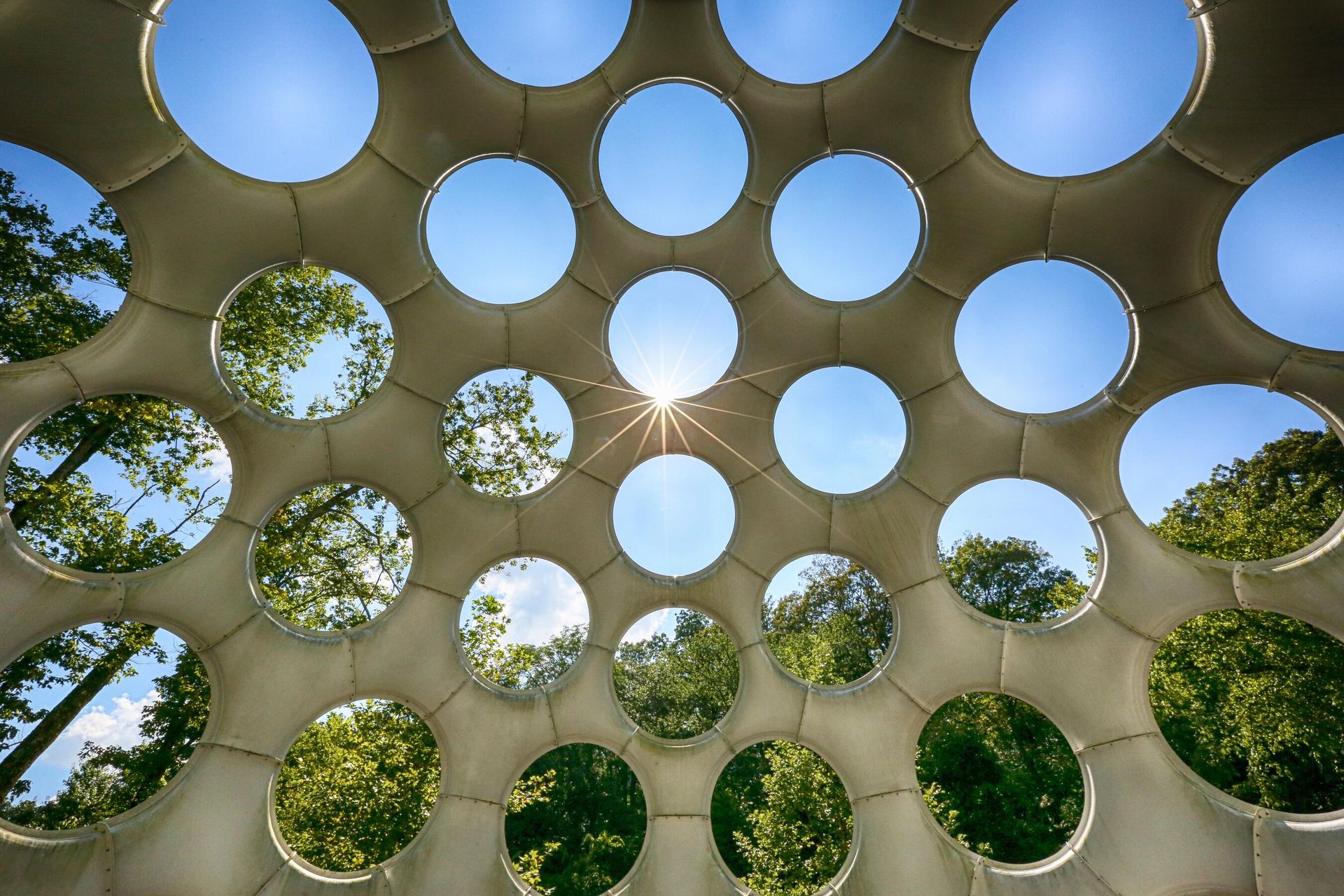

You’ve seen those stunning dome structures on Instagram and Pinterest, but now you’re wondering: which geodesic dome kit is actually right for me? Whether you’re dreaming of a backyard glamping retreat, a garden studio, or an off-grid home, the options can feel overwhelming. The difference between a $5,000 glamping dome and a $150,000 residential system goes far beyond price–it’s about materials, durability, assembly requirements, and long-term livability. This guide breaks down the key factors that separate geodesic dome kits so you can make a confident decision.
How to Evaluate and Compare Geodesic Dome Kits
Before shopping for a dome kit, you need to understand the critical differences that affect your purchase decision. Use this framework to evaluate options systematically.
Key Comparison Criteria
- Your intended use case (glamping, guest house, primary residence, studio, storage)
- Desired interior square footage and ceiling height requirements
- Your local climate zone and wind/snow load specifications
- Available foundation type and site preparation capacity
- Your construction skill level and available labor resources
- Total budget including kit, foundation, utilities, and interior finishing
Evaluation Process
Determine Your Dome’s Primary Purpose
Start by clearly defining what you’ll use the dome for. A seasonal glamping pod has completely different requirements than a year-round primary residence. Consider occupancy duration, number of people, and whether utilities like heating and plumbing are essential. This decision narrows your search significantly and prevents investing in features you don’t need.
Calculate Your Space Requirements
Measure the interior floor space you actually need in square feet. Account for furniture placement, movement, and any specific rooms or zones. Geodesic domes feel more spacious than rectangular buildings, but a 20-foot diameter dome (314 sq ft) feels very different from a 30-foot diameter dome (707 sq ft). Map out your layout on graph paper using the circular footprint to visualize realistically.
Assess Your Local Building Requirements
Contact your local building department and check zoning regulations before purchasing. Some jurisdictions restrict dome structures or require specific engineering certifications. Request snow load, wind speed, and seismic requirements for your area. This information is essential because kits must be engineered for your specific climate, and skipping this step can result in an unusable purchase.
Evaluate Material Quality and Durability
Compare what materials the dome frame and covering are made from. High-end kits use aerospace-grade aluminum or steel frames with durable polymer or composite panels. Budget kits may use plastic connectors and vinyl covering that degrades in UV exposure. Research expected lifespan–premium domes last 30+ years, while budget options may need recovering after 10-15 years.
Review Assembly Complexity and Support
Examine whether the kit comes with detailed instructions, video guides, and customer support. Some manufacturers offer assembly workshops or can recommend local contractors. Determine if you’re capable of DIY assembly or if you’ll need to hire help, as this significantly impacts total project cost. Complex kits requiring crane rental and specialized tools add thousands to implementation.
Compare Total Cost of Ownership
Don’t evaluate kit price alone. Calculate total expenses including foundation preparation, utilities installation, interior finishing, and ongoing maintenance. A budget glamping dome might cost $8,000 but need recovering in 12 years. A premium residential dome might cost $80,000 initially but maintain integrity for decades. Spreadsheet the lifetime cost per year to see true value.
Research Manufacturer Reputation and Warranty
Look for companies with established track records, customer reviews, and clear warranty terms. Visit completed dome projects if possible or request client references. Check how responsive manufacturers are to questions during your evaluation phase–this indicates the support you’ll receive post-purchase. A company offering 10-year structural warranties provides more security than one with none.
Assess Future Expandability and Modification
Consider whether the dome design allows for additions, interior modifications, or future upgrades. Some kits use modular systems that connect to additional domes or extensions. Others are fixed systems that can’t be altered. If you might expand later, prioritize manufacturers offering compatible components and design flexibility.
- Request kit quotes with itemized breakdowns showing frame, covering, hardware, and shipping costs separately–this reveals where you’re actually spending money and where to negotiate
- Join online dome owner communities and Facebook groups to ask real owners about their experiences with specific manufacturers, unexpected costs, and satisfaction after living in their domes
- Request CAD drawings or 3D renderings of your specific dome size and layout before purchasing to verify it meets your spatial and functional needs
What to Look For When Choosing a Geodesic Dome Kit
- Frame Material and Construction Method: Aerospace-grade aluminum frames offer the best combination of strength, corrosion resistance, and longevity. Steel frames are more affordable but require proper coating to prevent rust. Plastic connector systems work for temporary structures but fail under weather stress. Opt for bolt-together or welded construction over glued connections for durability.
- Covering Material and UV Protection: Premium ETFE plastic or polycarbonate panels resist UV degradation and last 20-30 years. Budget vinyl coverings look good initially but degrade within 10 years in sunny climates. Transparent panels work for studios and glamping but reduce privacy. Translucent options provide diffused light while maintaining some privacy and reducing heat gain.
- Engineering Certification and Local Compliance: Ensure the kit manufacturer provides engineering certifications for your specific climate zone and building code requirements. Different regions have different snow load, wind speed, and seismic requirements. Generic kits without engineering documentation may not be approvable by local inspectors, making them impossible to legally occupy.
- Assembly Support and Documentation: Superior kits include detailed printed manuals, video assembly guides, and responsive customer support during construction. Some manufacturers offer assembly workshops or certified installer networks. Poor documentation and unavailable support means you’ll struggle with problems when building, potentially leading to structural errors that compromise safety.
American Ingenuity Geodesic Dome Kit 30ft Premium
Best for: Homeowners seeking a durable primary residence or substantial guest house
The American Ingenuity 30-foot Premium kit delivers professional-grade construction with aerospace aluminum frames and engineered design for residential zones. Includes detailed engineering documentation, video assembly guides, and lifetime frame warranty. The transparent ETFE panels provide excellent natural light while maintaining structural integrity through extreme weather. Suitable for year-round living with proper foundation and utilities installation. Comes with all hardware, connectors, and comprehensive instructions.
Check Current Price on Amazon →Backyard Bliss Glamping Dome 20ft
Best for: Budget-conscious buyers wanting seasonal glamping retreats
The Backyard Bliss 20-foot glamping dome offers excellent value for temporary structures and short-season use. Features lightweight aluminum frame with durable vinyl covering and clear panels for stargazing. Assembly takes 2-3 days with 4-6 people. Includes foundation pad system and basic electrical outlet preparation. Best for customers prioritizing affordability over permanence, making it ideal for vacation rentals or weekend retreats. 5-year covering warranty covers manufacturing defects.
Check Current Price on Amazon →EZ Assembly Geometric Dome Studio 24ft
Best for: First-time dome builders without construction experience
EZ Assembly specializes in simplified construction with color-coded connectors, pre-cut struts, and step-by-step video guides for each assembly phase. The 24-foot size provides 452 square feet of usable space perfect for studios, offices, or guest houses. Includes smartphone app-based progress tracking and 24/7 customer support hotline during your build. Bolt-together assembly requires no welding or specialized tools. Transparent polycarbonate panels rated for most climates.
Check Current Price on Amazon →DomeLife Luxury Residential 35ft System
Best for: High-end buyers investing in permanent primary residences
DomeLife represents the pinnacle of geodesic dome engineering with titanium-aluminum composite frames, triple-panel ETFE glazing, and integrated structural insulation. Engineered for extreme climates and rated for 180+ mph winds and 8+ feet of snow load. Includes architectural consultation, custom interior layout planning, and certified installer network coordination. 25-year comprehensive warranty covers frame, panels, and sealing systems. Supports full integration of HVAC, plumbing, and electrical systems with pre-installed conduits.
Check Current Price on Amazon →Making Your Geodesic Dome Decision
Choosing the right geodesic dome kit requires balancing your intended use, climate requirements, budget, and building capacity. Start by honestly assessing whether you need a seasonal glamping retreat or a permanent residence–this single decision eliminates half your options immediately. Then systematically evaluate frame materials, covering durability, engineering documentation, and assembly support using the criteria outlined above. Don’t fall in love with dome aesthetics before confirming the kit meets your practical requirements and local building codes.
The geodesic dome market has matured significantly, offering options ranging from $5,000 weekend glamping domes to $150,000+ luxury residential systems. The most expensive kit isn’t always the best choice if you only need seasonal use, and the cheapest option often disappoints through inadequate support and durability issues. Research manufacturer reputation, contact existing dome owners, and request detailed quotes before committing. A premium kit properly installed provides decades of unique living space, while a budget system cut corners creates regrettable compromises. Take time with this decision–you’re investing in a fundamentally different living experience.
Frequently Asked Questions
Can I legally build a geodesic dome as my primary residence?
Yes, but you must verify local zoning and building codes first. Many jurisdictions now approve domes for residential use with proper engineering documentation. Contact your local building department before purchasing to confirm your dome kit manufacturer can provide required certifications. Some rural areas are more flexible, while urban zones may have restrictions on alternative structures.
How long does it take to assemble a geodesic dome kit?
Assembly time varies from 2-3 days for small glamping domes with experienced crews to 2-3 weeks for large residential domes requiring foundation work and utilities integration. Beginners should expect 25-50% longer timelines. Hiring certified installers reduces timeline but adds significant labor costs. Start with realistic expectations and budget time for unexpected complications.
Do geodesic domes need special foundations?
Yes, domes require proper foundation design to distribute their unique weight distribution patterns. Concrete ring foundations or reinforced concrete slabs are most common. Ensure your foundation engineer understands dome weight loads and pressure points. Poor foundation work can cause structural problems and voided warranties, so this is not an area to cut corners.
How much does heating and cooling a geodesic dome cost?
Domes are surprisingly efficient due to minimal wall area and good air circulation, typically costing 20-30% less to climate control than rectangular homes of equivalent size. Costs depend on your climate, insulation quality, and panel type. Passive design through proper window placement and thermal mass can reduce mechanical system needs significantly. Request efficiency estimates from manufacturers for your climate zone.
What’s the lifespan of a geodesic dome kit?
Premium dome kits with aluminum frames last 30-50 years with proper maintenance. Covering materials typically last 15-25 years depending on UV exposure and climate. Budget kits may need panel replacement after 10-15 years. Plan for periodic maintenance and eventual covering replacement when budgeting long-term ownership costs. Check manufacturer warranties for specific coverage details.
As an Amazon Associate, Build & Bloom earns from qualifying purchases. We only recommend products we genuinely think are useful. Prices and availability vary; check Amazon for the latest.
Leave a Reply