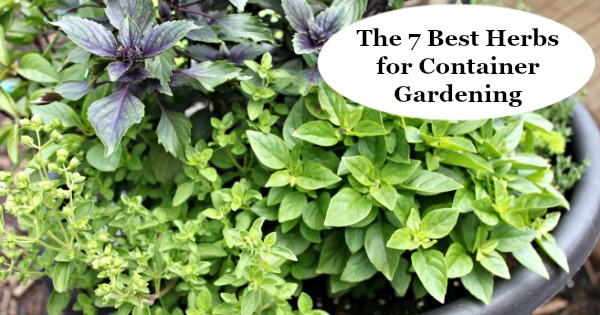

A balcony herb garden is one of the easiest ways to have fresh herbs at your fingertips without needing a yard or garden plot. If you’ve been intimidated by container gardening or worried your balcony lacks space, you’re about to discover that almost any sunny spot can become a thriving herb oasis. The good news: growing culinary herbs in containers requires minimal investment, no special skills, and yields fresh herbs for months.
How to Start a Balcony Container Herb Garden
Follow these steps to create a productive herb garden that fits on even the smallest balcony. With proper planning and consistent care, you’ll harvest fresh herbs within weeks.
What You Will Need
- Containers with drainage holes (at least 6-8 inches deep for most herbs)
- High-quality potting soil formulated for containers
- Herb seedlings or seeds suited to your climate zone
- A watering can or hose with a gentle spray nozzle
- Plant labels or markers to identify varieties
- Optional: plant saucers or trays to protect your balcony surface
Steps
Assess Your Balcony’s Light Conditions
Spend a few days observing how much direct sunlight your balcony receives. Most culinary herbs need 6-8 hours of direct sun daily to thrive. If your balcony gets less light, choose shade-tolerant varieties like mint, parsley, or chives. Mark the areas that receive the most consistent sunlight throughout the day.
Select and Prepare Your Containers
Choose containers that are at least 6-8 inches deep with drainage holes in the bottom. Larger containers retain moisture better and provide more root space. Clean used containers with a 10% bleach solution and rinse thoroughly. Place saucers or trays underneath to protect your balcony from water damage during watering.
Fill Containers with Quality Potting Soil
Use potting soil specifically formulated for containers, not garden soil. Container soil is lighter, drains better, and contains the right balance of nutrients for herbs. Fill each container to about one inch below the rim, leaving space for watering. Moisten the soil lightly before planting to help it settle and make transplanting easier.
Plant Your Herbs
If starting from seedlings, gently remove each plant from its nursery pot and loosen the root ball slightly before planting. Position the seedling at the same depth it was growing previously, then firm soil around the base. If sowing seeds directly, follow the depth and spacing instructions on your seed packet. Water gently after planting to settle the soil around the roots.
Establish a Consistent Watering Routine
Container herbs dry out faster than ground gardens because they have less soil to retain moisture. Check soil moisture by inserting your finger one inch into the soil; water when the top inch feels dry. In hot weather, this may mean daily watering. Aim for consistent moisture without waterlogging, which causes root rot.
Pinch and Harvest Regularly
Once your herbs are established and have 6-8 leaves, begin pinching off the top growth regularly. This encourages bushier, fuller plants and prevents them from becoming leggy. Harvest in the morning after the dew dries for the best flavor and aroma. Regular harvesting actually increases yields and keeps plants productive throughout the growing season.
Monitor for Pests and Disease
Check the undersides of leaves weekly for spider mites, aphids, or other common container garden pests. Balcony gardens often have fewer pest pressures than ground gardens due to elevation and air circulation. If pests appear, spray with insecticidal soap or neem oil according to product directions. Remove any yellowing or diseased leaves immediately to prevent spread.
Fertilize Throughout the Growing Season
Container herbs deplete nutrients faster than in-ground gardens since they’re watered frequently. Begin fertilizing once the plants are established (4-6 weeks after planting). Use a balanced, water-soluble fertilizer every 2-3 weeks during the active growing season. Reduce or stop fertilizing in fall and winter when growth naturally slows.
- Group containers with similar watering needs together on your balcony. This makes maintenance easier and reduces the chance of overwatering drought-tolerant herbs like rosemary and thyme.
- Use self-watering containers or add water-retention granules to potting soil if you travel frequently or forget to water regularly. These solutions reduce watering frequency significantly.
- Rotate container positions every few weeks so all sides of the plant receive adequate sunlight, resulting in more balanced, bushier growth.
What to Look For in Balcony Herb Garden Containers
- Drainage and Size: Select containers with adequate drainage holes and a minimum depth of 6-8 inches. Larger containers (12+ inches) hold moisture longer and provide more root space for mature plants, reducing watering frequency.
- Material and Durability: Choose between ceramic, plastic, fabric, or terracotta based on your balcony’s climate. Plastic and fabric containers are lightweight for high-rise balconies, while ceramic offers aesthetic appeal. Consider whether the material withstands freeze-thaw cycles in your region.
- Weight Considerations: Balconies have weight limits; wet soil is heavy. Lightweight plastic or fabric containers work better for small balconies, while ceramic or terracotta suits ground-level patios. Check your building’s guidelines before installing multiple large containers.
- UV and Weather Resistance: Balcony containers face intense sun exposure and temperature fluctuations. Select materials that resist fading, cracking, and degradation from UV rays. Quality containers maintain their integrity through multiple growing seasons.
Bloem Resin Planter with Drainage Holes (14 inches)
Best for: Most balcony gardeners seeking a reliable, affordable, durable workhorse
Bloem’s resin planters combine lightweight construction with professional durability. These containers feature integrated drainage holes, resist UV fading, and won’t crack in freezing temperatures. The 14-inch size accommodates most herbs comfortably while remaining light enough for balcony weight restrictions. Available in neutral colors that complement any outdoor decor, these containers last for years with minimal maintenance.
Check Current Price on Amazon →Pennington Black Plastic Nursery Pots (10-Pack, 6.5 inches)
Best for: Budget-conscious gardeners starting multiple herbs or containers
These practical plastic pots are ideal for balcony herb gardens. The 10-pack includes enough containers for a complete kitchen herb collection. Each pot features drainage holes and is lightweight for easy repositioning. Plastic material won’t crack or fade, and the economic price point makes them perfect for experimenting without financial risk. Replace yearly if desired, or keep them for years of dependable service.
Check Current Price on Amazon →Self Watering Planter by Mkono (10 inches, Ceramic)
Best for: Beginners and forgetful waterers who need reduced maintenance
Mkono’s self-watering planters remove the guesswork from balcony gardening. An internal water reservoir keeps soil consistently moist for up to two weeks, perfect for busy schedules or frequent travelers. The ceramic construction looks attractive on any balcony, while the clever design prevents overwatering and root rot. Available in multiple colors to match your outdoor aesthetic, these containers are ideal for learning herb cultivation without anxiety.
Check Current Price on Amazon →Campania International Cast Stone Planter (12 inches)
Best for: Design-conscious gardeners seeking elegant, heirloom-quality containers
Campania’s cast stone planters elevate balcony gardens into decorative focal points. These durable, lightweight containers offer classic aesthetics with genuine architectural appeal. Cast stone resists weather, UV fading, and freeze-thaw cycles while maintaining its elegant appearance for decades. Suitable for permanent installation, these premium containers transform a simple herb garden into an intentional outdoor room feature.
Check Current Price on Amazon →Get Started Growing Fresh Herbs Today
A balcony herb garden transforms your outdoor space into a productive, beautiful extension of your kitchen. Whether you’re cooking with basil tonight or harvesting mint for tea this weekend, homegrown herbs offer unmatched freshness and flavor. The investment is minimal, the learning curve is gentle, and the rewards are immediate and delicious.
Start with one or two favorite herbs and expand as you gain confidence. Choose containers sized appropriately for your balcony, place them in sunny locations, water consistently, and harvest generously. Within weeks, you’ll wonder why you waited so long to start container gardening. Your favorite recipes deserve fresh herbs grown with your own hands on your own balcony.
Frequently Asked Questions
Can I grow herbs in containers with no drainage holes?
No. Drainage holes are essential for preventing root rot and waterlogging. Even a small hole allows excess water to escape. If you love a particular container without drainage, use it as a decorative outer pot and place a draining pot inside it.
How often should I water my balcony herb containers?
Check soil moisture daily by inserting your finger one inch deep. Water when the top inch feels dry, which typically means daily watering in warm weather and every 2-3 days in cooler seasons. Overwatering is the most common cause of container herb failure.
Which herbs are easiest for balcony beginners?
Basil, mint, chives, rosemary, and parsley are the most forgiving container herbs. They tolerate various light conditions, require minimal fertilizing, and produce abundantly. Start with these before experimenting with fussier varieties like cilantro or dill.
Can I leave herb containers outside during winter?
This depends on your climate zone and container material. Tender herbs like basil won’t survive freezing temperatures. Hardy herbs like rosemary and thyme can overwinter outdoors in many zones, but they need well-draining containers that won’t crack from freeze-thaw cycles.
How do I prevent pests in my balcony herb garden?
Regular inspection catches infestations early. Remove affected leaves immediately and spray with insecticidal soap if needed. Balcony elevation often provides natural pest protection compared to ground gardens, and good air circulation discourages fungal issues.
As an Amazon Associate, Build & Bloom earns from qualifying purchases. We only recommend products we genuinely think are useful. Prices and availability vary; check Amazon for the latest.
Leave a Reply