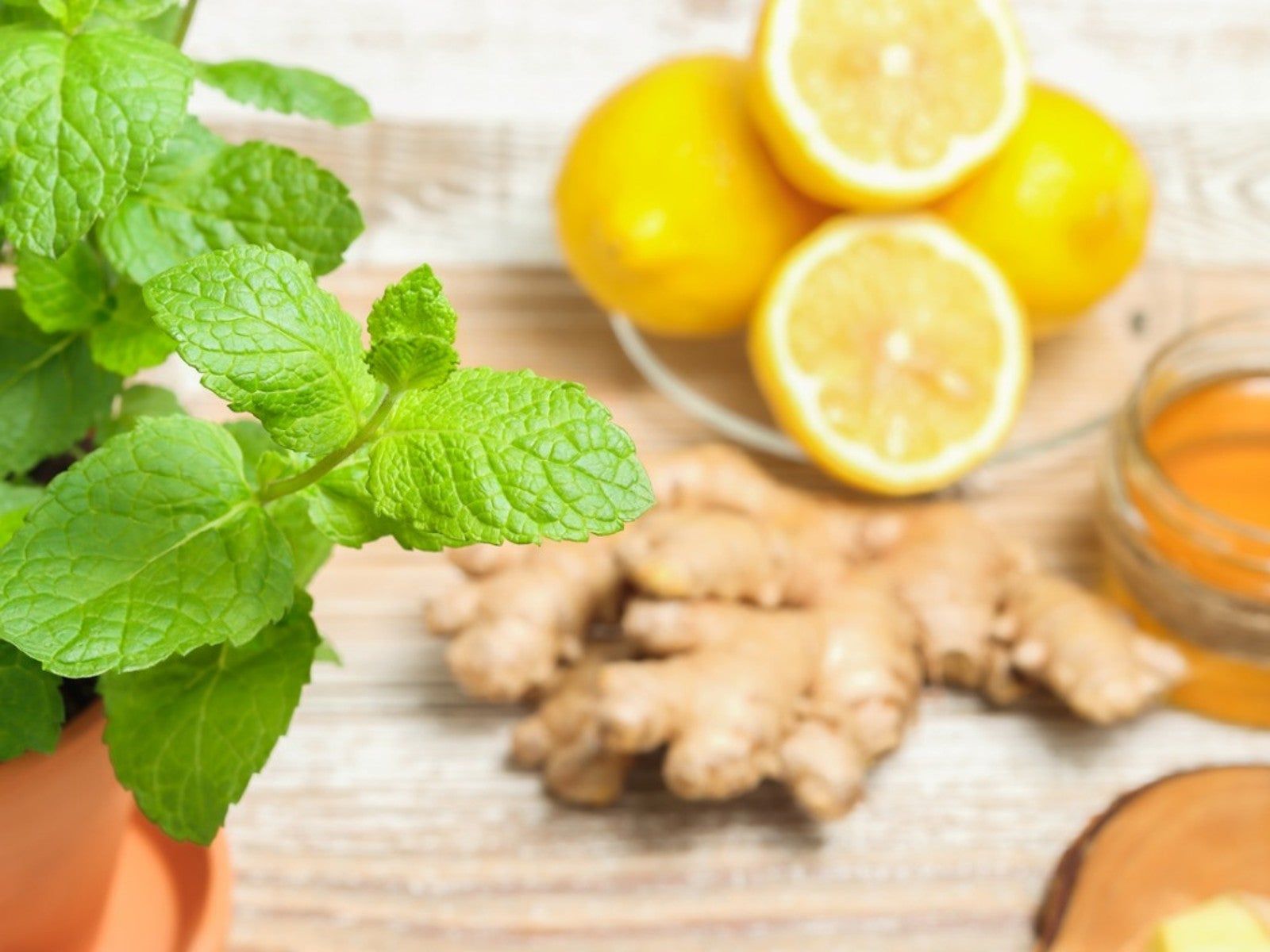

Growing fresh herbs indoors transforms your kitchen into a thriving garden, but not all herbs handle year-round windowsill conditions equally. The challenge isn’t just keeping them alive—it’s maintaining healthy, productive plants through short winter days and dry indoor heating while preventing the weak, stretched growth that happens when light is limited. Learning which herbs tolerate these conditions and what they actually need to thrive will save you from frustration and give you fresh herbs whenever you cook.
Best Herbs for Year-Round Windowsill Growing
These five herb categories represent the most reliable performers for indoor windowsill cultivation across all seasons. Each has specific light and moisture requirements that, when met, produce abundant harvests without special equipment.
Key Concepts
- Light requirements: Most windowsill herbs need 6-8 hours of direct or bright indirect sunlight daily; south and west-facing windows work best in winter
- Container drainage: Pots must have drainage holes to prevent root rot, with container size matching the mature plant (6-8 inches for basil and mint, 4-6 inches for smaller herbs)
- Soil composition: Use well-draining potting soil mixed with perlite or sand to ensure water moves through quickly without waterlogging roots
- Watering consistency: Indoor herbs need water when the top inch of soil feels dry, but overwatering causes more deaths than underwatering
- Humidity and air circulation: Indoor heating dries out herb foliage; misting or grouping plants together helps, and gentle air movement prevents fungal issues
- Temperature stability: Most herbs prefer 60-70 degrees Fahrenheit and struggle with sudden temperature swings from heating vents or cold windows
Principles
Select herbs suited to indoor conditions
Basil, parsley, chives, oregano, thyme, and mint are the most reliable year-round windowsill herbs. Avoid heat-loving herbs like cilantro and dill indoors—they bolt quickly and struggle in reduced winter light. Start with basil and mint if you’re new to indoor herb growing; they’re forgiving and produce abundant harvests.
Choose containers with proper drainage and size
Select pots with drainage holes that match your herb’s mature size—typically 6-8 inches wide for sprawling herbs like basil and mint, and 4-6 inches for compact herbs like thyme and oregano. Larger containers stay consistently moist longer, which reduces daily watering but risks root rot if drainage is poor. Ensure saucers catch excess water so it doesn’t damage windowsills.
Position plants in high-light windows
South and west-facing windows provide the strongest light throughout the year, which is critical during short winter days. East-facing windows work for spring through fall but may be insufficient in winter. Rotate plants weekly so all sides receive equal light, preventing the one-sided, leggy growth that happens when plants stretch toward windows.
Establish a consistent watering routine
Check soil moisture by inserting your finger one inch into the soil; water only when it feels dry at that depth. Most indoor herbs need watering every 2-3 days in growing season and every 4-5 days in winter when growth slows. Use room-temperature water and water thoroughly until it drains from the bottom, then empty the saucer after 15 minutes to prevent root rot.
Manage humidity and indoor air conditions
Group herb pots together to create a humid microclimate, or mist foliage lightly 2-3 times weekly. Keep plants away from heating vents and cold window drafts that cause stress and leaf drop. A small fan on low speed nearby improves air circulation and strengthens stems without drying plants excessively.
Prune regularly to encourage bushy growth
Pinch off flower buds and the top leaves weekly to redirect energy into foliage production rather than blooming. This prevents leggy, weak growth and extends the productive life of your plants through winter. Regular harvesting (cutting 1/3 of the plant at a time) also stimulates branching and fuller shape.
Supplement light during winter months
If your windowsill receives fewer than 6 hours of direct light November through February, supplement with a grow light positioned 6-12 inches above plants for 12-14 hours daily. This prevents the weak, pale growth that happens when natural light declines and keeps plants producing through winter.
- Start herbs from seed in late summer or early fall so they establish strong root systems before the demands of winter—transplants are more prone to stress and decline indoors
- Harvest frequently by cutting just above leaf nodes to promote branching; hesitation to harvest actually produces weaker, less productive plants over time
- Keep a small watering can near your windowsill herb garden so you’re more likely to check moisture daily—consistent care is the single most important factor for year-round success
What to Look For in Windowsill Herb Growing Supplies
- Drainage system: Pots must have multiple drainage holes and sit in saucers that catch water without allowing soil to reabsorb it. Clogged or insufficient drainage is the most common killer of indoor herbs.
- Light quality and positioning: South-facing windows are ideal, but if light is limited, grow lights positioned 6-12 inches above plants extend the growing season year-round. LED grow lights use minimal energy and produce less heat than older options.
- Soil composition: Standard potting soil often retains too much moisture for herbs indoors. Look for mixes designed for containers that include perlite or sand for improved drainage and aeration.
- Container size and material: Terra cotta breathes well and releases moisture, though it dries faster; plastic retains moisture longer. Match container width to mature plant spread—oversized pots lead to soggy soil and root issues.
Gardman Windowsill Herb Planter Set
Best for: Beginners wanting a complete ready-to-use windowsill system
This stainless steel planter set includes three individually draining pots with integrated saucers, eliminating the most common drainage mistakes. Pre-sized for basil, parsley, and chives, it fits standard windowsills and features modern design that complements kitchen decor. The built-in drainage and saucer system prevents water damage while maintaining consistent soil moisture for year-round herb success.
Check Current Price on Amazon →Bloem Terra Cotta Pot with Saucer, 6-Inch
Best for: Cost-conscious gardeners growing basil or mint
Classic terra cotta pots provide excellent drainage and breathability, allowing soil to dry appropriately between waterings. The 6-inch size suits basil, mint, and larger herbs perfectly. Included saucers catch excess water, and terra cotta’s natural material is both durable and attractive on any windowsill. At under $10 per pot, this is the most economical option for multiple herb plantings.
Check Current Price on Amazon →AeroGarden Harvest with Seed Pod Kit
Best for: Gardeners wanting foolproof hydroponic herb growing
This countertop hydroponic system removes guesswork from watering and soil management entirely. Includes pre-seeded basil, parsley, and dill pods; built-in LED grow lights ensure 6+ hours of light daily. The system automatically alerts when water needs adding, making it virtually impossible to underwater or overwater. Perfect for those who struggle with consistent watering discipline.
Check Current Price on Amazon →Lechuza Classico LS Self-Watering Planter, 10-Inch
Best for: Experienced gardeners wanting long-term convenience
This self-watering planter features a reservoir that keeps soil consistently moist for up to two weeks, eliminating daily watering stress. The 10-inch size accommodates sprawling herbs like basil and mint at mature size. High-quality plastic construction with modern styling suits upscale kitchens, and the water-level indicator removes all guessing about when to refill.
Check Current Price on Amazon →Growing Year-Round Windowsill Herbs: The Foundation for Success
The key to thriving year-round windowsill herbs isn’t exotic techniques or expensive equipment—it’s understanding that indoor conditions differ drastically from outdoor gardening. Light, water, humidity, and temperature stability are the four pillars that determine success or failure. Start with forgiving herbs like basil and mint, invest in proper drainage systems, and rotate your plants weekly to ensure even light exposure. The first few months will reveal which of your windowsills work best; once you identify your strongest light source, you’ve solved half the puzzle.
By selecting appropriate herbs, using well-draining containers, and establishing a consistent watering routine, you’ll have fresh herbs every season without the frustration of weak, leggy plants or root rot disasters. Many experienced indoor gardeners keep multiple batches at different growth stages so they’re constantly harvesting mature plants while younger ones develop—this approach ensures continuous supply through winter when grocery store herbs are most expensive. Start small with two or three herbs, master the fundamentals, and expand once you’ve developed the habit of regular care and observation.
Frequently Asked Questions
Can I grow herbs year-round on a north-facing windowsill?
North-facing windows provide insufficient light for consistent herb production, especially November through February when natural light declines sharply. If this is your only window option, supplement with LED grow lights positioned 6-12 inches above plants for 12-14 hours daily. Otherwise, rotate herbs to a south or west-facing window seasonally.
Why do my indoor herbs get leggy and weak?
Leggy growth happens when plants don’t receive enough light and stretch toward windows seeking more. Insufficient light combined with warmth from indoor heating exacerbates this. Solution: rotate plants weekly for even light exposure, pinch off growth tips weekly to force branching, and consider supplemental grow lights if natural light is under 6 hours daily.
How often should I water indoor windowsill herbs?
Check soil moisture by inserting your finger one inch deep—water only when it feels dry at that depth. Most indoor herbs need watering every 2-3 days during active growth (spring and fall) and every 4-5 days in winter when growth slows. Overwatering causes root rot more frequently than underwatering; when in doubt, wait another day.
Should I mist my indoor herbs?
Light misting 2-3 times weekly helps offset the dry air from indoor heating, which stresses herbs and makes them vulnerable to spider mites. However, misting alone isn’t sufficient—grouping pots together creates a humid microclimate more effectively. Avoid misting in evening or with poor air circulation, as excess moisture on foliage encourages fungal issues.
Can I grow herbs from seed indoors on a windowsill?
Yes, but seeds need consistent warmth (65-75 degrees) and moisture to germinate, then require supplemental light once sprouted to prevent leggy seedlings. Start seeds indoors in late summer or early fall so plants establish strong growth before winter’s reduced light. Transplants from a nursery are faster and require less attention if you’re new to indoor seed starting.
As an Amazon Associate, Build & Bloom earns from qualifying purchases. We only recommend products we genuinely think are useful. Prices and availability vary; check Amazon for the latest.
Leave a Reply