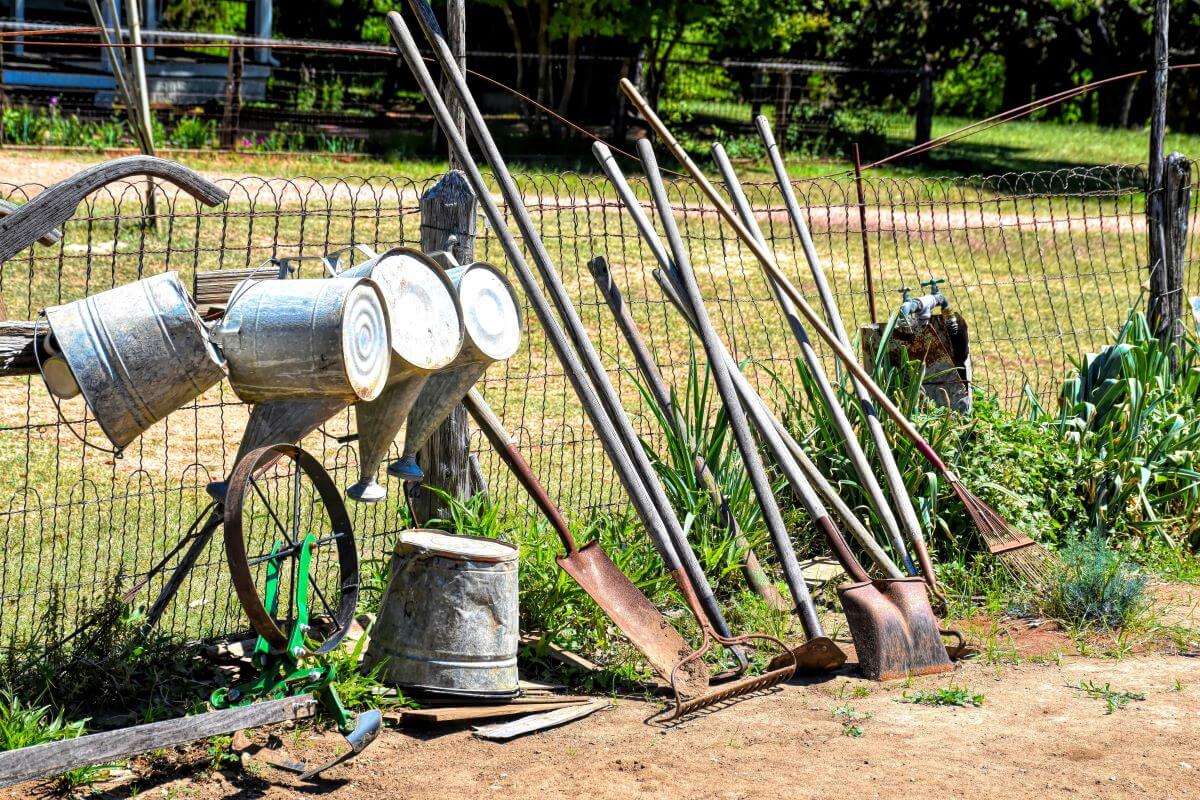

When you’re living off-grid, a power outage isn’t a disaster—it’s just Tuesday. But without electricity, you can’t rely on chainsaws, tillers, or electric pumps to handle the physical demands of homestead life. That’s where well-chosen manual tools become your lifeline. Building a core collection of hand-operated equipment takes thoughtful selection, but once you have the right tools, you’ll work more efficiently and develop the kind of self-reliance that off-grid living demands.
Building Your Off-Grid Manual Tool System
Creating an effective manual tool collection for off-grid living means understanding five core categories of work and choosing the right equipment for each. Here’s how to approach tool selection systematically.
Key Tool Categories
- Digging and soil tools – shovels, spades, and forks for garden preparation and land work
- Splitting and chopping tools – axes and mauls for firewood processing and land clearing
- Cutting implements – saws, pruning tools, and knives for harvesting and maintenance
- Food processing equipment – hand mills, grinders, and presses for harvest preparation
- Carrying and hauling tools – buckets, carts, and harnesses for material transport
- Fastening and driving tools – hammers, mallets, and wrenches for construction and repair
Principles
Prioritize tools that replace powered equipment
Start with tools that handle the most physically demanding tasks. A good splitting maul replaces a chainsaw for firewood processing. A hand auger replaces a powered drill. A digging fork replaces a tiller. These high-impact tools should form your foundation, as they address the biggest physical workload on your property.
Choose quality over quantity
A poorly made tool creates frustration and wasted effort. Off-grid work is already physically demanding—invest in tools with solid construction, replaceable handles, and proven durability. Tools you’ll use daily (like shovels and hoes) deserve premium selection. A quality tool might cost more upfront but will outlast three cheap versions.
Ensure tools serve multiple purposes
Space and storage are limited on most homesteads. Prioritize versatile tools that handle multiple tasks. A machete cuts vegetation, harvests crops, and clears brush. A hand saw works on firewood, pruning, and construction. Multi-use tools reduce the overall quantity you need to maintain.
Match tool weight to your physical capacity
A heavier tool moves more material per swing but requires sustained strength. Lighter tools demand more repetitions but reduce fatigue on longer jobs. Test tools before committing to them. Consider your age, build, and the specific tasks you’ll perform most frequently. A tool that’s too heavy becomes a storage decoration.
Develop a maintenance routine
Manual tools require care to remain functional. Keep cutting edges sharp, oil wooden handles, and store tools in dry conditions. A rusty or dull tool not only works poorly—it’s dangerous. Dedicate 30 minutes monthly to tool maintenance. This extends the life of your equipment and ensures reliability when you need it most.
Plan for tool redundancy on critical items
Have backup tools for tasks essential to survival or daily function. Two shovels, two axes, and two hoes mean that if one breaks or wears out, you can continue working. Redundancy isn’t wasteful—it’s insurance against the unavoidable breakage that happens in active homesteads.
- Test tools in-person before buying when possible. Handle weight, grip, and balance matter far more than specs. A tool that feels wrong in your hands will sit unused.
- Learn tool sharpening skills. A sharp spade moves soil twice as fast as a dull one. Invest in a sharpening steel, whetstone, and file—they cost less than replacing tools frequently.
- Store tools upright or hanging with handles protected from moisture. Wet soil and moisture degrade both metal and wood. A simple shed or covered storage area dramatically extends tool lifespan.
What to Look For in Off-Grid Manual Tools
- Material Quality: Seek forged steel heads and hardwood handles (ash or hickory). Stamped steel is cheaper but fractures under heavy use. Fiberglass handles are durable but don’t absorb impact shock like wood, making long work sessions more tiring.
- Handle Design and Grip: Look for balanced weight distribution where the head doesn’t feel front-heavy. Handles should have a textured or contoured grip to prevent slipping, especially when hands are muddy or wet. Replaceable handles add years of tool life.
- Versatility: Choose tools that serve multiple functions. A broadfork both loosens soil and removes rocks. A multi-tool saw handles pruning, limbing, and buck-saw work. Tools with multiple capabilities reduce storage needs and decision fatigue during work.
- Weight and Leverage: Heavier tools (4-6 lbs for splitting mauls) move material efficiently but demand sustained strength. Lighter tools (2-3 lbs for digging) reduce fatigue on repetitive tasks. Match weight to your build and the work—a 6 lb maul is useless if it exhausts you after five swings.
Fiskars X27 Super Splitting Axe
Best for: Off-grid homesteads requiring reliable firewood processing
The Fiskars X27 combines a 36-inch length with a 6-pound head to deliver splitting power without excessive weight. The blade geometry wedges wood apart rather than crushing it, reducing bounce-back and stuck blade issues. The composite handle is lightweight, durable, and requires minimal maintenance. This single tool replaces gas-powered equipment for 90% of firewood processing on typical homesteads. Trusted by off-grid users for decades, it’s the foundation tool for land management.
Check Current Price on Amazon →Bully Tools Round Point Shovel
Best for: First-time homesteaders building a tool collection
The Bully Tools round-point shovel features a fiberglass handle and carbon steel blade suited for digging, scooping, and moving loose material. The 9.5-inch blade width balances load capacity with control. At under 4 pounds, it’s light enough for sustained work without causing fatigue in newer gardeners. The reasonable price point makes it ideal for replacing worn tools or starting from scratch. Users report excellent durability for regular garden and property maintenance work.
Check Current Price on Amazon →Corona Classic Hand Pruner
Best for: Daily harvesting and plant maintenance on off-grid homesteads
Corona’s classic pruning shears deliver precision cutting for branches up to 3/4-inch diameter with minimal hand strain. The bypass blade design makes clean cuts that heal quickly on fruit and nut trees. The ergonomic handles reduce fatigue during hours of harvesting or maintenance work. At an affordable price point, these shears become an extension of your hand for daily property management. Replacement blades keep tools serviceable indefinitely.
Check Current Price on Amazon →Lehman’s Quern Hand Mill
Best for: Off-grid homesteads grinding grains and seeds
The Lehman’s Quern is a cast iron hand mill designed for grinding grains, seeds, and legumes without electricity. Two circular stones with adjustable spacing control grind fineness from coarse meal to flour. The hopper holds 2 cups of grain, and the crank handle operates smoothly with reasonable hand effort. This mill is essential for grain-based food independence, enabling fresh flour production from stored grains. Cast iron construction ensures decades of reliable use with minimal maintenance.
Check Current Price on Amazon →Building Your Manual Tool Foundation
Off-grid living demands reliable tools, but it doesn’t require owning everything at once. Start with the essentials—a shovel, spade, and axe—and add specialized equipment as your homestead develops and needs emerge. Invest in quality over quantity, prioritize tools that replace powered equipment, and maintain them consistently. The right manual tools transform challenging physical work into manageable tasks you can accomplish any day, regardless of weather or equipment availability.
Your tool collection tells the story of your homestead’s evolution. Begin with versatile, high-impact tools and let experience guide additions. Pay attention to which tools you reach for repeatedly—those are the ones deserving premium investment. Within a season or two of intentional selection and maintenance, you’ll develop a collection that feels like an extension of your hands, capable of handling whatever your off-grid property demands.
Frequently Asked Questions
How do I know if a manual tool is high enough quality to invest in?
Look for forged (not stamped) steel heads, solid hardwood handles, and brands with established reputations in agriculture or forestry. Check reviews from people using tools actively, not casually. If a tool costs significantly less than competitors, it’s likely made from inferior materials. Quality tools feel balanced in your hand and show clean welds or joinery.
Can I really split firewood by hand instead of using a gas splitter?
Yes, but it requires the right tool and technique. A quality splitting maul with proper wedge geometry does most of the work. The key is striking straight so the wedge action splits the wood rather than getting stuck. For high-volume firewood (5+ cords yearly), a splitter saves time, but many off-grid homesteads process 1-3 cords annually with hand tools effectively.
Which tools should I buy first when starting an off-grid homestead?
Prioritize based on your immediate needs: a shovel and spade for garden preparation, an axe for firewood, and pruning shears for harvesting and maintenance. These three categories address most fundamental tasks. Add specialized tools (grain mills, weeding tools, splitting wedges) as your system develops and needs become clear.
How often should I sharpen or maintain manual tools?
Keep cutting tools (axes, saws, pruning shears) sharp enough to easily cut material without forcing. Dull tools require more effort, increasing injury risk and fatigue. Sharpen digging edges every 2-3 months of regular use. Oil wooden handles quarterly and after rain. A monthly 30-minute maintenance session prevents rust and keeps everything functional.
Is there a learning curve to using unfamiliar manual tools?
Yes, but it’s usually short. Most tools require 20-30 minutes of practice to develop basic competence. Watch videos or ask experienced users to learn proper technique. Poor technique wastes energy and increases injury risk. Invest time learning before tackling major projects, and you’ll work more safely and efficiently.
As an Amazon Associate, Build & Bloom earns from qualifying purchases. We only recommend products we genuinely think are useful. Prices and availability vary; check Amazon for the latest.
Leave a Reply