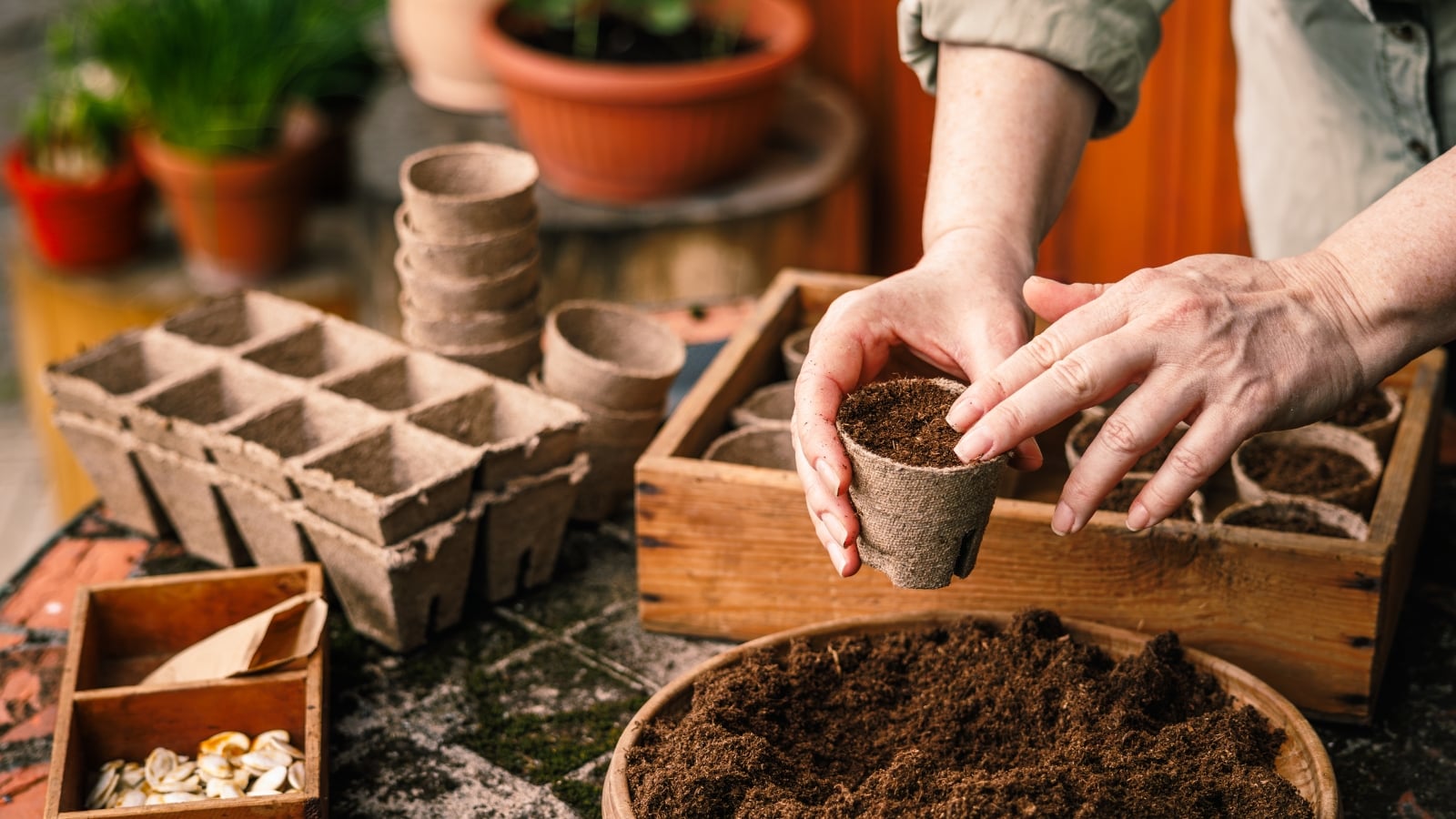

Starting seeds indoors is one of the most rewarding parts of gardening, but choosing the right growing medium can make or break your success rate. Many new gardeners feel overwhelmed by the options: do you mix your own from scratch and save money, or buy a pre-made formula? Both approaches have genuine advantages and drawbacks that are worth understanding before you invest time and money into your seed-starting operation.
Key Differences: DIY vs Store-Bought Seed Starting Mix
Understanding how these two approaches differ helps you make an informed decision based on your specific gardening goals and constraints.
Comparison Criteria
- Cost per volume – DIY typically costs 30-50% less but requires bulk purchases of individual ingredients
- Ingredient control – DIY allows you to customize ratios and source organic or specialty materials; store-bought is standardized
- Time investment – DIY requires mixing and measuring; store-bought is ready to use immediately
- Storage requirements – DIY demands space for peat moss, perlite, and vermiculite; store-bought uses minimal space
- Consistency and reliability – store-bought ensures uniform results; DIY depends on your measuring accuracy
- Shelf life – DIY ingredients last months to years; store-bought stays viable for 1-2 seasons if stored properly
Detailed Comparison Points
1. Cost Effectiveness Analysis
A homemade seed mix typically costs $0.50-$1.00 per gallon when buying ingredients in bulk, while commercial mixes range from $2-$5 per gallon. However, DIY requires purchasing large bags of peat moss (or coco coir), perlite, and vermiculite upfront, which means higher initial spending. For small-scale seed starters (under 100 seedlings), the cost savings may not justify the upfront investment, but gardeners starting hundreds of seeds annually will see significant savings with the DIY approach.
2. Quality and Ingredient Control
Store-bought seed starting mixes are engineered for optimal water retention, drainage, and nutrient balance, making them reliable for consistent germination rates. DIY mixes give you complete control over components and allow you to source organic, peat-free, or specialty ingredients if desired. This matters if you have specific preferences about sustainability, plant sensitivities, or want to optimize for particular seed types like orchids or carnivorous plants.
3. Labor and Time Investment
Mixing your own seed medium takes 20-45 minutes per batch, including measuring, combining, and moistening. This must be done before planting season arrives. Store-bought mixes eliminate this preparation entirely, allowing you to open a bag and plant immediately. For busy gardeners or those with mobility concerns, this convenience factor alone may justify the premium cost.
4. Storage and Space Demands
DIY ingredients require dedicated dry storage space for unopened bags and containers for mixed product. A single season’s supply of ingredients occupies 3-5 cubic feet of storage. Store-bought comes in compact bags that stack easily and require minimal space, making it ideal for apartment dwellers or those with limited garage or shed room.
5. Germination Success Rates
Well-made homemade mixes perform equally well as commercial products when properly formulated with correct ratios. However, slight variations in ingredient quality, moisture content, or mixing precision can reduce success rates. Commercial mixes are tested for germination performance and consistency, removing the guesswork and providing peace of mind for critical plantings.
6. Environmental and Sourcing Considerations
DIY allows you to choose peat-free alternatives like coconut coir or compost-based ingredients, supporting sustainable gardening practices. Most commercial seed mixes still use peat moss from harvested wetlands. If environmental impact matters to you, making your own with eco-friendly materials is the better choice, though it requires more research and planning.
- Start with store-bought mixes your first year to establish baseline expectations, then experiment with DIY recipes once you understand what your plants need.
- If making DIY mixes, prepare your ingredients in fall and store them dry so you’re ready to mix in early spring when seed-starting season begins.
- For the best of both worlds, buy commercial seed starting mix in bulk at wholesale clubs like Costco or through agricultural suppliers to get better pricing than garden centers.
What to Look For in Seed Starting Mixes
- Moisture Retention: Seeds need consistent moisture during germination. Good mixes retain water without becoming waterlogged. Look for ingredients like peat moss, coco coir, or sphagnum that hold moisture evenly.
- Drainage and Aeration: Despite needing moisture, excess water causes root rot and fungal problems. Perlite and vermiculite create air pockets that prevent compaction and allow oxygen to reach delicate roots.
- Sterility and Pathogen Control: Commercial mixes are heat-treated to eliminate fungal spores and pathogens that cause damping-off disease. DIY mixes should use pasteurized ingredients or be mixed with care to avoid introducing contamination.
- Nutrient Content and pH Balance: Seeds contain their own nutrients for germination, but seedlings benefit from balanced nutrients once they develop true leaves. pH should be neutral to slightly acidic (6.0-7.0) to support nutrient availability.
Espoma Organic Seed Starting Mix
Best for: Gardeners seeking organic, reliable germination without additives
This premium seed starting mix combines sphagnum peat moss, perlite, and humus to create an ideal medium for germinating vegetables, herbs, and flowers. It’s OMRI certified organic, pathogen-free from heat treatment, and maintains perfect moisture balance without compacting. The formula includes beneficial mycorrhizal fungi and archaea that promote root development, making it excellent for both beginners and experienced growers. At roughly $3 per quart, it’s competitively priced for organic quality.
Check Current Price on Amazon →Jiffy Seed Starting Mix
Best for: Cost-conscious gardeners starting large quantities of seeds
Jiffy offers reliable performance at the lowest price point, using sphagnum peat moss and perlite in a proven formula that has worked for decades. This mix is sterile, drains well, and germinates seeds consistently without premium pricing. It’s available in bulk quantities, making it ideal if you’re starting hundreds of seedlings. The downside is it’s not organic and contains peat, but for pure value and reliability, Jiffy remains a solid choice.
Check Current Price on Amazon →Burpee Premium Seed Starting Mix
Best for: First-time seed starters who want foolproof results
Burpee’s formula is specifically designed for first-time gardeners, with a moisture-retention profile that’s forgiving if you slightly over or under water. It contains a blend of sphagnum peat moss, perlite, and vermiculite, plus beneficial microbes to prevent damping-off disease. The consistent texture makes it easy to fill trays evenly, and the ready-to-use formula eliminates guesswork. It’s readily available at garden centers and hardware stores.
Check Current Price on Amazon →Coco for Cannabis Seed Starting Mix
Best for: Environmentally conscious gardeners avoiding peat moss
This peat-free alternative uses coconut coir as the primary ingredient, making it sustainable and better for wetland ecosystems. It performs identically to peat-based mixes for seed germination while offering superior water retention and microbial communities. The formula drains well and resists compaction even after repeated watering. It’s an excellent choice if you’re committed to sustainable gardening practices without sacrificing performance.
Check Current Price on Amazon →Sunshine Advanced Mix #4 (Perlite Component)
Best for: Gardeners making custom DIY seed starting mixes
Sunshine perlite is a premium ingredient for DIY mix makers, offering consistent particle size and lightweight drainage. Unlike lower-grade perlite that breaks down quickly, this horticultural-grade product maintains structure through multiple seasons. When blended with peat moss or coco coir at a 60-40 ratio, it creates an excellent seed starting medium. Professional growers trust this brand for its reliability and consistent quality batch to batch.
Check Current Price on Amazon →Pro-Mix BX High Porosity Seed Starting Mix
Best for: Serious gardeners and small-scale commercial growers
Pro-Mix BX is the gold standard for professional horticulturists and advanced home gardeners. The formula combines Canadian sphagnum peat moss, perlite, vermiculite, and mycorrhizae fungi for superior root colonization and disease resistance. It maintains perfect moisture and air balance, resulting in exceptionally high germination rates and vigorous seedlings. The premium price reflects the quality control and consistency that professionals demand.
Check Current Price on Amazon →Michigan Peat Seed Starting Mix (50-Quart Bale)
Best for: High-volume seed starters wanting DIY economics with commercial quality
Michigan Peat offers large bales of compressed seed starting mix at wholesale pricing, perfect for gardeners who start 500+ seedlings annually. The large format dramatically reduces per-unit cost compared to individual bags. The formula is consistent, well-draining, and proven by commercial growers nationwide. You’ll need storage space and a way to break apart the compressed bale, but the savings justify the effort.
Check Current Price on Amazon →Hoffman Vermiculite (Medium Grade)
Best for: DIY mix makers looking for the water-retention component
Hoffman vermiculite is a critical ingredient in homemade seed starting mixes, providing water retention and nutrient exchange. Medium grade works best for seeds and seedlings, holding moisture while allowing air penetration. This product is consistent, dust-free, and performs equally to commercial brands in custom blends. Mix at 20% by volume with peat moss and perlite for a high-performance DIY formula.
Check Current Price on Amazon →Making Your Choice
The right seed starting mix depends on your scale, budget, and values. Store-bought mixes are ideal if you’re starting seeds for the first time, beginning your season late, or growing fewer than 200 seedlings. They eliminate variables, require no storage space, and provide reliable results every single time. If consistency and convenience matter most, choose a trusted brand like Espoma or Burpee and enjoy the peace of mind.
Make your own seed starting mix if you’re a dedicated gardener starting hundreds of seeds annually, have storage capacity for bulk ingredients, or want complete control over what goes into your growing medium. The financial savings compound year after year, and the DIY approach opens possibilities for custom mixes tailored to specific plants or sustainable practices. Whichever path you choose, focus on the fundamentals: proper moisture balance, good drainage, and sterility. The mix itself is just one factor in successful seed starting—attention to light, temperature, and watering habits matters equally.
Frequently Asked Questions
Can I reuse seed starting mix from last year?
Yes, but with caution. Sterilize used mix by baking it at 350F for 30 minutes to kill pathogens, or simply discard the top inch where disease is most concentrated. Store-bought mixes are safer to reuse than DIY mixes. Many gardeners prefer fresh mix to eliminate damping-off disease risk.
What’s the difference between seed starting mix and potting soil?
Seed starting mix is finer, lighter, and free of fertilizer because seeds contain their own nutrients. Potting soil is heavier, contains slow-release fertilizer, and is designed for established plants needing regular feeding. Using potting soil for seeds can cause over-fertilization and poor germination.
How much seed starting mix do I need for a typical seed tray?
A standard 10×20-inch seed tray requires about 1.5-2 quarts of mix depending on depth. Most gardeners starting an average spring garden use 5-10 trays, requiring 8-20 quarts total. This equals roughly 2-5 bags of standard commercial mix or one budget-conscious DIY batch.
Is it worth making my own seed starting mix?
DIY saves money if you’re starting 300+ seedlings annually, but requires upfront bulk purchases and storage space. For casual gardeners starting 50-100 seeds, store-bought mixes are more economical. Consider DIY if you want ingredient control or grow sustainably.
Why do seedlings develop brown stems and fall over?
This is damping-off disease, caused by fungal pathogens in contaminated growing medium. Use sterile, store-bought mixes or pasteurize homemade mix by baking it. Ensure good air circulation with a fan, avoid overwatering, and use clean containers to prevent this common problem.
As an Amazon Associate, Build & Bloom earns from qualifying purchases. We only recommend products we genuinely think are useful. Prices and availability vary; check Amazon for the latest.
Leave a Reply