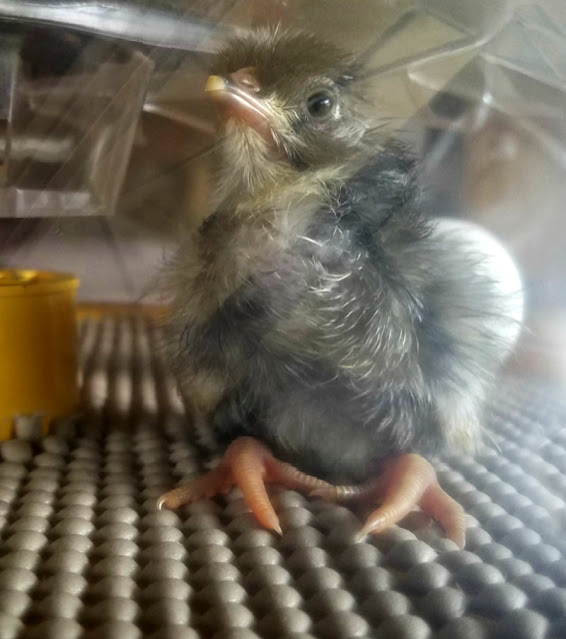

If you’re raising backyard chickens and want to hatch your own chicks, you face a fundamental decision: let a broody hen do the work naturally, or invest in an incubator for more control? Both methods have loyal advocates, but they differ dramatically in cost, labor, success rates, and the experience you’ll have. Understanding these differences will help you choose the right approach for your homestead’s specific needs and goals.
Broody Hen vs. Incubator: Key Comparison Criteria
Both methods can successfully hatch chicken eggs, but they excel in different situations. Here’s how to evaluate each approach across the factors that matter most.
Comparison Criteria
- Startup costs (equipment, electricity, housing)
- Ongoing labor and monitoring requirements
- Temperature and humidity control capabilities
- Hatch rate success percentages
- Space requirements and setup complexity
- Brooder care needs after hatching
Principles
1. Compare Initial Investment
A broody hen costs nothing extra if you already own hens–she’ll incubate naturally without equipment. An incubator requires upfront purchase plus an ongoing electricity cost. Calculate your total investment: broody hen method runs roughly $0-50 if you need to isolate her from the flock, while incubators range from $50 to $500+ depending on capacity and features. Factor in electricity costs over 21 days of operation.
2. Evaluate Temperature and Humidity Control
Broody hens maintain precise incubation conditions instinctively, rotating eggs constantly and adjusting body position to regulate warmth and moisture. Incubators give you digital control but require active monitoring and manual adjustments. A broody hen succeeds through biological instinct; an incubator succeeds through your diligent temperature management. Hens naturally handle humidity fluctuations better than most homesteaders do manually.
3. Assess Your Available Labor
Broody hens demand less daily attention once they’ve committed to incubation–check eggs once weekly for cleanliness and ensure she has food and water access. Incubators require checking temperature and humidity daily, sometimes twice daily, plus manual egg turning if yours isn’t automatic. If you travel frequently or have unpredictable availability, a broody hen is more forgiving than an incubator’s strict requirements.
4. Examine Hatch Rate Expectations
Broody hens typically achieve 80-95% hatch rates with fertile eggs, sometimes higher if the hen is dedicated and healthy. Incubators average 50-75% hatch rates for most homesteaders, with optimal results requiring significant experience. Experienced incubator operators can reach 85%+, but beginners often see lower success. This advantage favors broody hens for those new to hatching.
5. Consider Space and Setup Complexity
A broody hen needs a quiet, dark nesting area within your existing coop–minimal setup required. She’ll naturally create the optimal environment. An incubator requires a dedicated climate-controlled space, proper ventilation, and stable surfaces away from vibrations and direct sunlight. Setup complexity and space requirements favor the broody hen, especially for small backyard operations.
6. Plan for Post-Hatch Brooding
A broody hen becomes a mother immediately after hatch, brooding chicks naturally for 4-8 weeks while teaching them essential behaviors. With an incubator, you must transfer chicks to a separate brooder with heat lamps, manage temperature decline weekly, and provide constant supervision. The broody hen method simplifies post-hatch care dramatically, requiring less equipment and attention.
7. Account for Flock Dynamics
A broody hen temporarily removes herself from egg production and normal flock interaction during the 3-week incubation period. You lose her egg contribution but gain natural chick integration. An incubator doesn’t affect your hens’ laying cycles, so you continue normal production while hatching. If maximizing egg production matters, the incubator method preserves your productive layers.
- Broody hens are most reliable if you’ve selected for broody genetics in your flock–some breeds go broody reliably while others never do. Plan ahead by keeping broody-prone birds.
- Incubators shine when you want to hatch large batches or specific breeds not present in your current flock. They’re ideal for breeding projects requiring control over genetics.
- Hybrid approach: use an incubator for the 21-day hatch, then slip warm chicks under a broody hen at lockdown. She’ll raise them naturally while you avoid brooder labor and heat lamp costs.
What to Look For When Choosing a Hatching Method
- Hatch Rate Reliability: Broody hens consistently deliver higher success rates for beginners, while incubators require experience to match their performance. If this is your first hatch, a broody hen’s 80-95% rate beats most homesteaders’ incubator results.
- Time and Labor Investment: Broody hens demand minimal daily effort once settled, while incubators require daily monitoring and constant adjustments. Calculate your available time and choose accordingly–lazy homesteaders should choose broody hens.
- Scale of Operation: One broody hen hatches 12-15 chicks maximum; an incubator can hatch 100+. If you want numerous chicks or multiple hatches yearly, an incubator is more practical despite higher labor.
- Post-Hatch Support System: Broody hens eliminate the need for expensive brooders and heat lamps, while incubators require setting up a complete brooding facility. Factor the total cost including brooder equipment when comparing methods.
Brinsea Ovation 28 Advance Automatic Incubator
Best for: Homesteaders wanting reliable incubation with minimal daily work
The Brinsea Ovation combines user-friendly automatic features with reliable temperature stability, making it ideal for first-time incubator users. Its 28-egg capacity suits small homesteads, automatic egg turning reduces labor, and proven hatch rates of 80%+ give you confidence. The digital display provides clear temperature monitoring, and the built-in humidity system simplifies water management. Setup takes minutes, and its stable design sits safely on shelves without vibration concerns.
Check Current Price on Amazon →Hovabator 1588-2 Genesis Forced Air Incubator
Best for: Budget-conscious beginners wanting full-size capacity
The Hovabator Genesis delivers proven performance at an accessible price point, with 41-egg capacity and automatic turning included. This forced-air incubator has been a homesteading staple for decades, offering reliable temperature maintenance and solid hatch results for users who monitor it properly. The digital thermostat prevents guesswork, and replacement parts are widely available. While it requires more attention than premium models, it’s perfect for learning incubation basics without major investment.
Check Current Price on Amazon →Little Giant Still Air Incubator with Automatic Turner
Best for: First-time hatchers wanting simplicity and affordability
The Little Giant still-air design is straightforward and forgiving for newcomers to incubation. Its 41-egg capacity and included automatic turner handle the hardest part of hatching, while the simple controls and reliable heating make temperature management achievable. Still-air models are more temperature-sensitive than forced-air alternatives, but the trade-off is lower cost and fewer components that can fail. Its popularity in homesteading communities means abundant online support.
Check Current Price on Amazon →Rcom Max 20 Fully Automatic Incubator
Best for: Serious breeders and high-volume homestead operations
The Rcom Max represents premium incubation technology with fully automatic humidity and temperature control, requiring almost zero daily management. Its intelligent sensor system maintains precise conditions, and hatch rates consistently exceed 85%. The touchscreen interface provides detailed tracking, multiple alarm functions alert you to problems, and its compact 20-egg footprint fits tight spaces while delivering results matching units three times larger. Premium pricing reflects exceptional engineering.
Check Current Price on Amazon →Making Your Choice: Broody Hen or Incubator?
Your best choice depends on your specific homestead situation, not universal “better” advice. Choose a broody hen if you already have reliable broody hens in your flock, want minimal daily labor, value natural chick rearing, and can tolerate the 80-95% hatch rates of a healthy hen. This path costs almost nothing, requires less monitoring, and produces confident, well-socialized chicks. The downsides are limited scale (12-15 chicks maximum) and dependence on your hens’ biology.
Choose an incubator if you want to hatch large quantities, need to expand beyond your current flock’s genetics, prefer precise control over every variable, or simply enjoy the technical aspects of temperature and humidity management. Incubators scale from tiny hobbyist models to large capacity operations, and they let you hatch year-round regardless of your hens’ broodiness patterns. The trade-offs are upfront equipment costs, daily monitoring requirements, and needing to set up a separate brooder system. Beginners should expect learning curves and hatch rates below experienced operators’ results. Many successful homesteaders use both methods strategically, letting nature handle spring hatching while incubators fill seasonal demand later. Your ideal approach emerges from honestly assessing your available time, budget, hatching goals, and willingness to manage equipment.
Frequently Asked Questions
Can I use both a broody hen and an incubator in the same year?
Absolutely. Many homesteaders use a broody hen in spring for natural hatching, then an incubator later in the season when broodiness is scarce. Some even slip warm incubator-hatched chicks under a broody hen at lockdown for her to raise naturally. This hybrid approach combines the strengths of both methods.
What if my hens won’t go broody?
Some breeds rarely brood–modern laying breeds especially. If you want broody hens, select heritage or broody-prone breeds like Silkies, Cochins, or Orpingtons. If you already have non-broody birds, an incubator is your only option. Plan breeding carefully if natural brooding matters for your operation.
How much does it cost to run an incubator for 21 days?
Most incubators use 40-100 watts continuously. At average US electricity rates ($0.13 per kWh), running a typical 60-watt incubator costs roughly $2-4 for the entire 21-day hatch. This is trivial compared to equipment costs, making electricity expense a non-factor in your decision.
Do broody hens ever abandon their eggs before hatching?
Yes, occasionally. Health issues, stress, or too much human interference can break broodiness. Once a hen abandons eggs, they cool quickly and chicks die. This is the main risk of broody hen hatching, though it’s relatively rare with properly supported hens. Providing quiet isolation and minimal disturbance reduces abandonment risk significantly.
Can I hatch eggs from different chicken breeds in one incubator?
Yes. Different chicken breeds have identical incubation requirements–21 days at 99.5 degrees Fahrenheit with proper humidity. Mixing breeds in one incubator works perfectly. The only exception is non-chicken poultry like ducks (28 days) or turkeys (different temperature needs), which require separate incubators or careful scheduling.
As an Amazon Associate, Build & Bloom earns from qualifying purchases. We only recommend products we genuinely think are useful. Prices and availability vary; check Amazon for the latest.
Leave a Reply