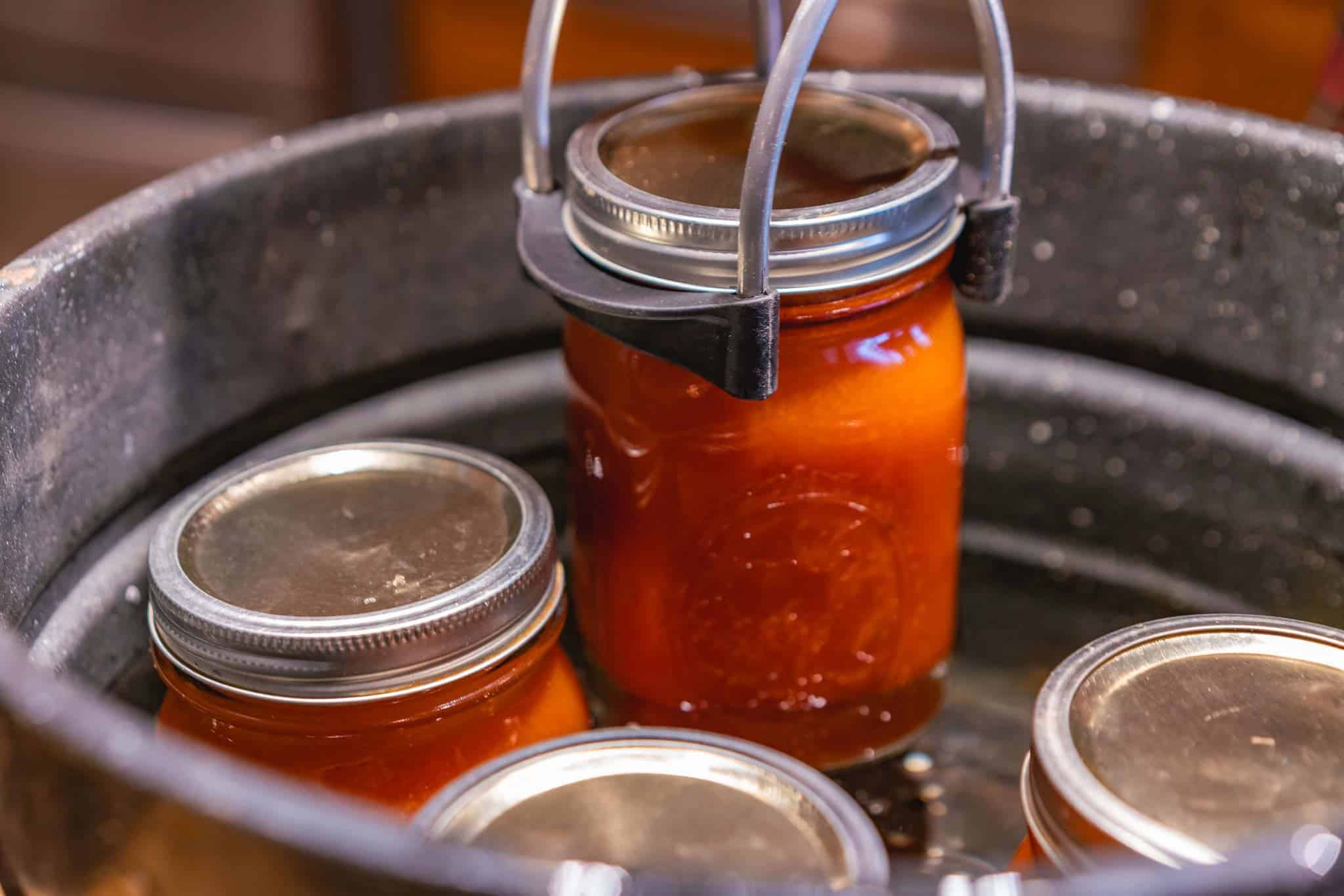

Canning at home is rewarding, but one mistake can introduce deadly botulism toxins into your preserve. Unlike mold or bad taste, botulism produces no warning signs–contaminated food looks, smells, and tastes perfectly normal. If you’re canning at home without understanding these critical safety principles, you’re putting your family’s health at serious risk. This guide walks you through the specific mistakes that cause botulism and foodborne illness, and how to prevent them.
7 Critical Canning Safety Principles
These principles protect against botulism and other pathogens by ensuring proper preservation conditions.
Key Concepts
- Pressure canner or boiling water canner depending on food acidity level
- Tested recipes from USDA or National Center for Home Food Preservation
- Temperature monitoring equipment to verify proper heat processing
- New, uncracked jars and properly fitted sealing discs for each batch
- Understanding of water bath vs. pressure canning requirements
Principles
Use Only Tested Recipes From Established Sources
Never improvise or modify canning recipes, especially for low-acid foods. Botulism spores require specific heat exposure to die. Tested recipes from the USDA and university extension services have been scientifically validated for safety. Internet recipes, family traditions, and altered instructions may not reach the necessary temperature for the required time, leaving spores alive.
Understand Pressure Canning vs. Water Bath Canning
Low-acid foods like vegetables, meats, and most soups require pressure canning to reach 240°F and kill botulism spores. Water bath canning only reaches 212°F and is safe only for high-acid foods like pickles, jams, and tomatoes with added acid. Using the wrong method is one of the most dangerous mistakes homesteaders make.
Monitor Processing Time and Temperature Accurately
Processing time must account for your altitude, jar size, and food type. Underfilling your canner, overcrowding jars, or stopping the timer too early leaves food dangerously underprocessed. Use an accurate thermometer and follow timing guidelines exactly as written in tested recipes.
Inspect All Jars and Sealing Components Before Use
Even tiny cracks, chips, or old residue on jar rims prevent proper sealing. Botulism can enter through compromised seals. Discard any jars with damage, wash rims thoroughly with hot soapy water, and use new sealing discs every batch–reused discs fail to seal reliably.
Cool Jars Undisturbed After Processing
Moving, tilting, or opening jars while they cool can break the seal and recontaminate food. Let sealed jars sit untouched on the counter for 12-24 hours. Only check seals after complete cooling, and remove the band if the lid is firmly sealed.
Store Canned Foods in Cool, Dark Conditions
Temperature fluctuations and light exposure degrade the seal and allow microbial growth. Store canned goods in a cool (50-70°F), dark location. Discard any jars with signs of leakage, spurting liquid, cloudiness, or unusual odors before consuming.
Know the Warning Signs of Contamination
Visible mold, cloudiness, leakage, or off odors indicate spoilage. However, botulism produces no visible signs. If a jar seems fine but was processed incorrectly or the seal failed, discard it. When in doubt, throw it out–no preserved food is worth risking your family’s life.
- Botulism toxin can be destroyed by boiling canned food for 10 minutes before serving, but this defeats the purpose of home preservation–prevention is essential
- High altitude changes safe processing times; verify your elevation and adjust heat processing accordingly using official USDA guidelines
- If you inherit old canned goods or find them in your pantry with unknown processing methods, discard them rather than risk botulism exposure
What to Look For in Canning Equipment
- Pressure Canner Type and Gauge Accuracy: Dial-gauge canners lose accuracy over time; weighted-gauge canners maintain reliability for decades. Verify your gauge annually (many extension offices test free) or choose a model with proven accuracy standards. This is your primary defense against underprocessing.
- Canner Capacity and Rack Design: Larger capacity lets you process more jars per batch, but only if you can maintain proper water circulation. A sturdy, elevated rack keeps jars off the bottom and allows even heat distribution. Look for canners that hold 7+ quarts comfortably.
- Jar Quality and Seal Reliability: Use only jars specifically manufactured for canning with uniform threading and properly designed rims. Regular food storage jars lack the precision needed for reliable sealing. Established canning jar brands have decades of safety testing behind their design.
- Sealing Disc Material and Consistency: Food-grade rubber compound seals more reliably than reused discs. Discs must be new for each batch. Check that the brand you choose maintains consistent quality and fits your jar type precisely without gaps.
All American 921 Pressure Canner
Best for: Serious home canners prioritizing safety
The All American 921 is a weighted-gauge pressure canner with a 21.5-quart capacity, holding up to 7 quart jars. Unlike dial gauges that drift out of calibration, the weighted gauge maintains accuracy indefinitely without testing or adjustment. Its heavy-duty aluminum construction distributes heat evenly, ensuring consistent processing temperatures. This model is the gold standard for reliability and has been trusted by home preservers for decades.
Check Current Price on Amazon →Presto 01755 23-Quart Pressure Canner
Best for: Budget-conscious beginners starting out
The Presto 01755 offers reliable pressure canning at an accessible price point. With 23-quart capacity and a dial gauge, it processes multiple jars efficiently. While dial gauges require annual testing, this model provides solid performance for home canners on a budget. It includes a rack, cover, and safety features that meet USDA standards for safe low-acid food preservation.
Check Current Price on Amazon →Ball FreshTech Automatic Home Canning System
Best for: First-time canners wanting precision
The FreshTech system automates water bath canning with digital temperature control and automatic timer. Ideal for safe high-acid foods like jams, pickles, and tomatoes, it removes guesswork from processing time and temperature. The app provides recipe guidance and alerts you when processing is complete. Perfect for learning proper technique before advancing to pressure canning.
Check Current Price on Amazon →Kerr Wide Mouth Mason Jars (12 Pack)
Best for: Reliable jars for consistent sealing
Kerr wide-mouth jars feature precise threading and a flat sealing surface that ensures reliable lid contact every time. The 12-pack includes quart-sized jars suitable for most home canning projects. Wide mouths make filling and cleanup easier while maintaining the safety standards required for proper seal formation. These jars are affordable, durable, and widely available.
Check Current Price on Amazon →Ball Canning Lids and Bands (24 Count)
Best for: Consistent seal performance
Ball lids use food-grade rubber compound designed specifically for reliable sealing during heat processing. Each 24-pack contains new lids for safe single-use application. The consistent quality and proven track record make these the most trusted sealing discs among home canners. Never reuse lids; new ones for each batch are essential for botulism prevention.
Check Current Price on Amazon →Taylor Precision Instant Read Meat Thermometer
Best for: Monitoring canning temperature accurately
The Taylor thermometer provides fast, accurate temperature readings critical for verifying proper heat processing in pressure canners. Its probe reads to 220°F with 1-degree accuracy, essential for confirming that water reaches rolling boil in water bath canners and pressure maintains consistency. Reliable temperature monitoring prevents underprocessing and the botulism risk that follows.
Check Current Price on Amazon →Victorio Stainless Steel Canning Rack
Best for: Even heat distribution and jar protection
The Victorio rack elevates jars above the canner bottom, allowing even water circulation and preventing scorching. Its stainless steel construction resists corrosion and lasts for years. A quality rack is often overlooked but critical for preventing hot spots and ensuring uniform processing across all jars in a batch.
Check Current Price on Amazon →Ball Canning Essentials Kit
Best for: Beginners with all basic tools included
This starter kit includes a boiling water canner, rack, lid lifter, funnel, bubble remover, and headspace measuring tool. It covers everything needed for safe high-acid food canning and is compact for storage. While not suitable for pressure canning low-acid foods, it’s an affordable introduction to proper technique and equipment quality standards.
Check Current Price on Amazon →Safe Canning Starts With Knowledge
Botulism is rare in home-canned food, but the consequences are catastrophic. The good news is that following tested recipes, using proper equipment, and understanding the science behind heat processing eliminates virtually all risk. Invest in a reliable pressure canner, use new jars and lids every time, monitor temperatures accurately, and never modify tested recipes. These non-negotiable practices have protected home canners for generations.
Your family’s safety depends on respecting the science of food preservation. If you’re unsure about any step in the process, consult the USDA Complete Guide to Home Canning or your local extension office before proceeding. Home canning is one of the most rewarding food preservation methods available–do it right, and you’ll enjoy safe, delicious preserved food for years to come.
Frequently Asked Questions
Can botulism toxin be killed by boiling canned food before eating?
Yes, boiling canned food for 10 minutes at sea level destroys botulism toxin. However, this defeats the purpose of home canning and indicates the food was processed unsafely. Prevention through proper technique is far better than trying to salvage suspect jars.
How do I know if my canned food has botulism?
You cannot see, smell, or taste botulism. Warning signs like leakage, spurting, cloudiness, or odor indicate spoilage but may not indicate botulism specifically. If processing was improper or the seal failed, discard the jar regardless of appearance to avoid the risk.
Can I reuse canning lids to save money?
No. Reused lids fail to seal reliably because the rubber compound is damaged. New lids must be used for every batch. This is a non-negotiable safety requirement, not a suggestion.
What’s the difference between water bath and pressure canning?
Water bath canning reaches 212°F and kills acid-loving pathogens, safe only for high-acid foods. Pressure canning reaches 240°F and kills botulism spores, required for low-acid foods like vegetables and meats. Using the wrong method leaves dangerous pathogens alive.
Do I need to test my pressure canner gauge yearly?
Only if you have a dial gauge. Weighted gauges maintain accuracy indefinitely. Many extension offices offer free gauge testing in spring. Inaccurate gauges lead to underprocessing and botulism risk, so testing is essential if you use a dial gauge.
As an Amazon Associate, Build & Bloom earns from qualifying purchases. We only recommend products we genuinely think are useful. Prices and availability vary; check Amazon for the latest.
Leave a Reply