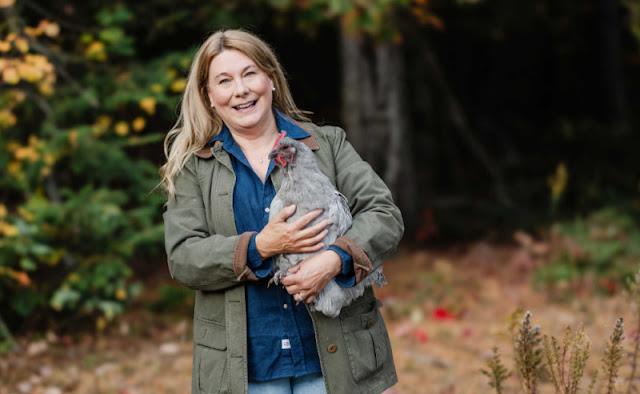

As your backyard chickens age, they transition from egg-producing machines to cherished flock members who need different care. Senior hens slow down their laying, become more susceptible to illness, and face mobility challenges that younger birds easily handle. Learning how to adjust their diet, housing, and daily routine ensures your aging flock stays healthy, comfortable, and happy for years to come.
How to Care for Your Senior Chicken Flock
Caring for aging chickens involves five key adjustments: modifying their living space, upgrading their nutrition, simplifying their routines, monitoring their health, and providing comfort. Follow these steps to support your hens through their golden years.
What You Will Need
- Specialized senior poultry feed with added calcium and nutrients
- Shallow feeding and watering stations (elevated from ground level)
- Soft bedding material for nesting and roosting areas
- Health monitoring supplies (first aid kit, thermometer for coop temperature)
- Ramp or step access to elevated roosts and nest boxes
- Comfortable isolation space for sick or injured birds
Steps
Adjust your coop layout for mobility
Modify roosting bars to lower heights so senior hens can reach them without jumping, reducing stress on aging joints and bones. Install ramps or steps leading to nest boxes and roosting areas. Remove obstacles from pathways so birds can move freely throughout the coop without navigating barriers.
Switch to specialized senior feed
Transition your flock to layer feed designed for older birds, which contains higher protein and calcium to support bone health and shell quality. Mix the new feed gradually with their current diet over 7-10 days to prevent digestive upset. Ensure the pellets are appropriately sized so senior birds with reduced appetite can consume adequate nutrition.
Install low-level feeding and watering stations
Place food and water containers at chest height for your chickens so they don’t have to bend far to eat and drink. Use shallow dishes that are easy to access rather than deep containers. Check stations multiple times daily to ensure they remain clean, full, and accessible to birds with reduced mobility.
Increase bedding comfort in roosting areas
Layer soft, dry bedding materials like straw or wood shavings thickly in roosting areas to cushion aging joints and provide insulation. Change bedding frequently to maintain cleanliness and prevent respiratory issues common in senior birds. Add extra bedding in nesting boxes where hens may spend more time resting.
Monitor health daily with focused attention
Establish a daily routine of observing each senior hen for signs of illness, injury, or behavioral changes. Watch for reduced appetite, unusual droppings, labored breathing, lameness, or lethargy. Keep detailed notes on each bird’s condition and create a simple first aid kit stocked with essentials like antiseptic, bandaging materials, and electrolyte supplements.
Provide supplemental nutrients and treats
Offer nutrient-dense treats like mealworms, pumpkin, leafy greens, and scrambled eggs to encourage eating and provide additional protein and vitamins. Limit treats to 10 percent of daily intake so they don’t replace essential nutrients from feed. Offer treats during cooler parts of the day to encourage activity and social interaction.
Maintain consistent environmental conditions
Keep coop temperature stable during extreme seasons; senior birds are more sensitive to heat and cold. Ensure adequate ventilation without drafts. Minimize loud noises and sudden changes to the environment, as stress can trigger health problems in aging flocks. Maintain a consistent daily schedule for feeding and water changes.
- Create a ‘retirement pen’ separate from younger, more aggressive birds–senior hens often benefit from reduced flock hierarchy stress and competition for food
- Keep medical supplies on hand including antibiotics, probiotics, and pain relief options approved for poultry; consult a veterinarian familiar with backyard chickens for guidance
- Document each bird’s age and laying history so you can anticipate health issues and make informed decisions about individual care needs
What to Look For in Senior Chicken Care Products
- Layer feed formulation: Senior layer feeds should contain 16-18% protein and elevated calcium (3-4%) to support aging bone health and shell production. Look for feeds that include probiotics and digestive enzymes to help older birds with reduced nutrient absorption.
- Accessibility and ease of use: Products should be designed for reduced bending and lifting. Choose feeders and waterers that mount at appropriate heights and require minimal maintenance to clean and refill throughout the day.
- Durability and weather resistance: Senior chicken care equipment must withstand outdoor conditions and regular use. Select heavy-duty materials that won’t crack in temperature extremes or degrade quickly from moisture and sunlight exposure.
- Size and flock compatibility: Equipment capacity should match your flock size so all senior birds have simultaneous access to food and water without competition. Ensure ramps and modifications fit your existing coop dimensions without major reconstruction.
Dumor Layer Pellets Premium Poultry Feed
Best for: Senior hens needing complete nutrition
Dumor Layer Pellets provide 16% protein and balanced calcium for aging birds transitioning to lower egg production. This feed includes essential vitamins, minerals, and probiotics to support immune function and digestive health in senior flocks. The consistent pellet size is easy for older birds with reduced appetite to consume. Available in 25-lb and 50-lb bags, making it economical for backyard flocks of any size. Trusted by homesteaders nationwide for reliable quality and bird health results.
Check Current Price on Amazon →Little Giant Plastic Poultry Feeder Tray
Best for: Cost-conscious chicken keepers
This affordable plastic feeder tray works well for senior chickens who need easy ground-level access. The shallow design prevents waste and allows birds to eat comfortably without stretching. Made from durable, weather-resistant plastic that won’t rust or degrade. Easy to clean and refill daily. Dimensions accommodate a standard chicken’s head size without forcing awkward positioning. A budget-friendly choice that delivers functional performance for aging flocks.
Check Current Price on Amazon →Miller Manufacturing Chicken Waterer 5 Gallon
Best for: Backyard chicken keepers new to senior care
The Miller 5-gallon waterer is an easy-to-use, reliable option that provides fresh water for small to medium flocks. The elevated, trough-style design reduces bending and gives multiple birds simultaneous drinking access. Sturdy plastic construction resists cracking in temperature swings. The refill mechanism is straightforward, making daily maintenance simple for beginners. Fits most standard feeder stands, allowing customized height adjustment for your senior birds.
Check Current Price on Amazon →Kencove Farm Fence Chicken Ramp with Roof
Best for: Serious homesteaders seeking durable solutions
This premium wooden ramp features a gentle incline and roof covering, providing secure, weather-protected access to elevated roosts for aging birds. Heavy-duty construction uses treated wood that withstands years of outdoor exposure. The textured surface prevents slipping, critical for hens with reduced grip strength. Built-in roof keeps rain and snow off the ramp surface, maintaining safe footing year-round. Dimensions accommodate standard coop heights while fitting various coop designs.
Check Current Price on Amazon →Supporting Your Aging Flock Through Their Golden Years
Senior chickens have given you years of fresh eggs, entertainment, and companionship. Returning that investment with thoughtful, age-appropriate care ensures they spend their final years healthy and comfortable. The modifications you make–from lowered roosts to specialized feed to daily health checks–transform your coop into a senior-friendly haven where aging birds thrive rather than merely survive.
Start by evaluating your current setup and identifying which changes matter most: mobility support, nutrition upgrades, or comfort improvements. You don’t need to overhaul everything at once. Gradual modifications allow your flock to adjust while you spread costs and effort across several months. Whether you’re a budget-conscious keeper using simple solutions or willing to invest in premium products, the care principles remain the same. Your aging birds will reward your attentiveness with continued contentment, occasional eggs, and years of watching them enjoy their well-deserved retirement.
Frequently Asked Questions
At what age is a chicken considered senior?
Most backyard chickens are considered senior around 5-6 years of age, though some breeds age faster. Egg production typically drops significantly by year three. Watch for individual signs of aging like reduced mobility, ruffled feathers, and decreased appetite rather than relying solely on age.
How much do senior chickens typically eat compared to younger birds?
Senior chickens often eat 15-25% less than younger birds because they’re less active and no longer producing eggs at peak rates. However, the feed they consume should be nutrient-dense to support their changing metabolic needs. Monitor individual consumption and adjust portions based on body condition and health.
Can I keep senior chickens with younger birds in the same coop?
Mixed-age flocks can work, but senior birds sometimes get bullied during feeding or pushed away from perches by more aggressive younger birds. If aggression occurs, consider separate housing or creating multiple feeding stations at different heights to ensure seniors get adequate nutrition.
What are the most common health issues in aging chickens?
Senior chickens commonly develop issues like arthritis, tumors, respiratory infections, and reproductive problems. Watch for lameness, difficulty roosting, abnormal droppings, labored breathing, and behavioral changes. Early detection and isolation of sick birds prevents disease spread through your flock.
How long can I expect a senior chicken to live with proper care?
With good care, backyard chickens typically live 8-10 years, and some breeds reach 12+ years. Senior care directly impacts lifespan–birds with proper nutrition, comfortable housing, and health monitoring often outlive those without these supports. Individual longevity depends on breed, genetics, and overall flock health.
As an Amazon Associate, Build & Bloom earns from qualifying purchases. We only recommend products we genuinely think are useful. Prices and availability vary; check Amazon for the latest.
Leave a Reply