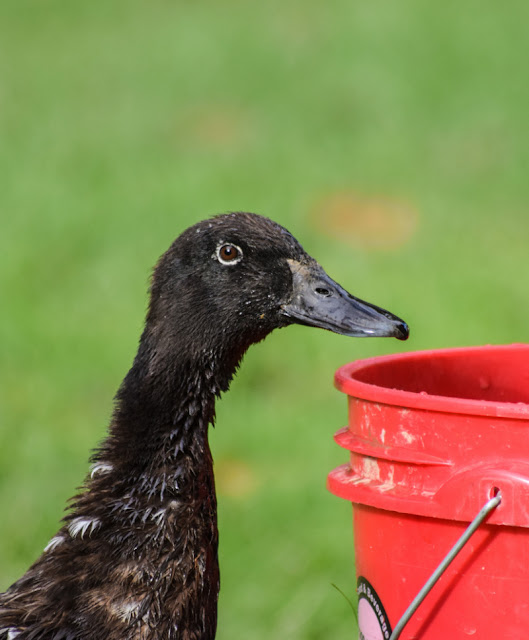

If you’re planning your backyard poultry operation and have seen stunning photos of glossy black ducks online, you’ve likely encountered Cayugas. These beautiful birds are more than just pretty faces—they’re hardy, productive, and surprisingly docile, making them an excellent choice for homesteaders transitioning from chickens to waterfowl. Understanding their specific needs and characteristics will help you decide if Cayugas are the right fit for your homestead.
Understanding Cayuga Duck Breed Characteristics
Cayugas are an American breed with centuries of history and proven reliability. Learn the key traits that define this breed and what makes them unique among duck varieties.
Key Breed Characteristics
- Iridescent black plumage with metallic green and purple sheen in sunlight—distinctive from true black breeds
- Medium body weight of 7-8 pounds for adults, smaller than production breeds but larger than ornamental varieties
- Orange-red feet and bill contrasting beautifully with dark feathering—identifying features to watch for
- Calm, friendly temperament making them ideal for family homesteads and handling
- Dual-purpose classification producing both eggs (150-200 annually) and quality meat
Principles for Successful Cayuga Keeping
Provide Adequate Water Access
Cayugas are waterfowl and require substantial water for diving, swimming, and foraging. While they don’t need a pond, a large shallow container, kiddie pool, or small pond dramatically improves their wellbeing and natural behaviors. Change water regularly to maintain cleanliness and prevent disease.
Build Secure Housing with Proper Ventilation
Construct a duck house that protects from predators while allowing fresh air circulation. Allocate 3-4 square feet per bird inside the coop and 8-10 square feet in outdoor runs. Ensure windows or vents prevent ammonia buildup, which causes respiratory issues in waterfowl.
Feed a Balanced Waterfowl Diet
Unlike chickens, ducks require higher niacin levels and specific nutrient ratios. Provide waterfowl starter crumbles for ducklings and layer pellets formulated for ducks as adults. Supplement with fresh greens, insects, and grains, and ensure constant access to clean drinking water during feeding.
Manage Muddy Conditions Around Housing
Ducks create mud wherever water is available, which can lead to foot problems and disease. Install drainage systems, use sand or straw bedding in high-traffic areas, and maintain dry spaces inside the coop for roosting at night.
Protect Against Predators Year-Round
Raccoons, foxes, mink, and hawks pose constant threats to ducks. Close coops securely each evening, use buried fencing to prevent tunneling, and avoid leaving food or water accessible overnight that might attract predators to your homestead.
Monitor Health Through Regular Observation
Check ducks daily for signs of illness including lethargy, discharge, missing feathers, or behavioral changes. Quarantine sick birds immediately and contact a veterinarian familiar with waterfowl. Establish relationships with local poultry experts before problems arise.
Plan for Seasonal Molting and Egg Production Cycles
Cayugas molt heavily in fall, temporarily stopping egg production. Maintain good nutrition and supplemental lighting during these periods to support feather regrowth. Production naturally decreases in winter without extended daylight exposure.
- Cayugas produce darker eggs than most breeds—some show speckled or spotted patterns unique to the breed, making them visually distinctive in your egg basket
- Their calm temperament makes them excellent mothers; allow broody Cayugas to incubate eggs naturally rather than fighting their instinct to sit
- The iridescent sheen on their feathers actually indicates health—dull, pale feathers suggest nutritional deficiencies or illness requiring attention
What to Look For When Setting Up Cayuga Duck Housing
- Coop Size and Construction: Adequate space prevents stress, disease, and aggression. Calculate minimum 3-4 square feet per bird indoors plus outdoor run space. Solid construction with predator-proof latches and buried fencing prevents losses to raccoons and foxes.
- Water System and Drainage: Choose between kiddie pools, stock tanks, or pond systems based on your space and budget. Ensure drainage infrastructure prevents mud accumulation around housing, which causes foot diseases and parasites.
- Bedding Material and Ventilation: Pine shavings, sand, or straw manage moisture in damp environments. Prioritize ventilation over warmth—ducks handle cold better than ammonia buildup from poor air circulation in sealed coops.
- Predator Protection Equipment: Invest in heavy-duty hardware cloth (not chicken wire), locks that require tools to open, and buried fencing extending 12 inches underground. These barriers separate successful homesteads from predator losses.
Rubbermaid Stock Tank 100 Gallon
Best for: Homesteaders wanting durable, long-lasting water for ducks
A 100-gallon stock tank provides excellent water volume for swimming and foraging behavior while remaining manageable for daily maintenance. Made from UV-resistant polyethylene, this tank lasts 10+ years with minimal degradation. The flat bottom allows easy draining and cleaning, while the accessible size fits standard backyard spaces. Perfect for 4-6 ducks requiring substantial water access without committing to a full pond installation.
Check Current Price on Amazon →Intex 8 Foot Inflatable Kiddie Pool
Best for: Budget-conscious beginners wanting seasonal water solutions
Inflatable pools offer an affordable entry point for duck water management, typically costing under $25. This 8-foot pool provides adequate swimming space for small flocks and sets up in minutes without installation. The vinyl construction supports daily water changes, and seasonal storage is simple. Ideal for homesteaders testing duck compatibility before investing in permanent infrastructure.
Check Current Price on Amazon →Tractor Supply Co. Fencing Tools Kit
Best for: DIY homesteaders installing predator-proof enclosures
This comprehensive kit includes fencing staples, pliers, and hardware installation guides necessary for securing predator-proof housing. Quality tools prevent installation mistakes that compromise duck safety. The kit covers everything needed for attaching hardware cloth and securing coop doors against raccoons and larger predators.
Check Current Price on Amazon →Miller Manufacturing Poultry Drinker 3 Gallon
Best for: Homesteaders managing drinking water separate from swimming water
A dedicated drinker system keeps drinking water clean and separate from muddy swimming water. This 3-gallon capacity serves 6-8 ducks comfortably and features an easy-fill top and corrosion-resistant construction. Hanging design keeps water elevated above bedding, reducing contamination and ammonia exposure.
Check Current Price on Amazon →Is a Cayuga Duck Right for Your Homestead?
Cayuga ducks represent an excellent stepping stone for homesteaders expanding beyond chickens into waterfowl production. Their combination of beauty, productivity, and calm temperament makes them rewarding for both beginners and experienced farmers. Unlike purely ornamental breeds, Cayugas deliver real value through consistent egg and meat production while remaining manageable in typical backyard settings. Their iridescent black plumage provides visual interest beyond utilitarian poultry, and their intelligence makes them engaging animals rather than anonymous flock members.
Success with Cayugas requires commitment to water management, predator protection, and species-appropriate housing—but these investments pay dividends across multiple seasons. Start by sourcing quality stock from reputable breeders, prioritize coop security before bringing birds home, and connect with local waterfowl experts who understand Cayuga-specific needs. Your homestead will reward this preparation with years of productive, beautiful ducks that transform your operation into a genuinely thriving agricultural space.
Frequently Asked Questions
Do Cayuga ducks require a pond to be healthy and happy?
While a dedicated pond is ideal, Cayugas thrive with just a stock tank, kiddie pool, or similar water system large enough for regular swimming and diving. Access to substantial water dramatically improves their wellbeing and natural behaviors, but a pond isn’t essential for homestead success.
How many eggs do Cayuga ducks actually produce annually?
Healthy Cayugas produce 150-200 eggs per year, with peak production occurring during spring and summer. Egg color ranges from pale blue-green to dark green with occasional speckled patterns. Production decreases naturally in winter without supplemental lighting.
Are Cayugas noisy compared to other duck breeds?
Cayuga ducks are quieter than many duck breeds, particularly Pekins. Females produce soft quacking sounds, while males are nearly silent. Their calm temperament translates to generally peaceful backyard environments, though waterfowl are never completely quiet.
What predators should I specifically protect Cayugas against?
Raccoons, foxes, mink, weasels, and hawks pose primary threats. Secure coops with heavy latches, bury fencing 12 inches underground to prevent tunneling, and avoid leaving food or water accessible overnight. Proper predator management is more critical for waterfowl than chickens.
Can Cayuga ducks cohabitate with chickens in the same coop?
While mixed housing is possible, ducks create substantially wetter conditions that stress chickens and increase disease risk. Separate water systems and ventilation requirements make combined housing challenging. Most successful homesteads house them separately despite initial space pressure.
As an Amazon Associate, Build & Bloom earns from qualifying purchases. We only recommend products we genuinely think are useful. Prices and availability vary; check Amazon for the latest.
Leave a Reply