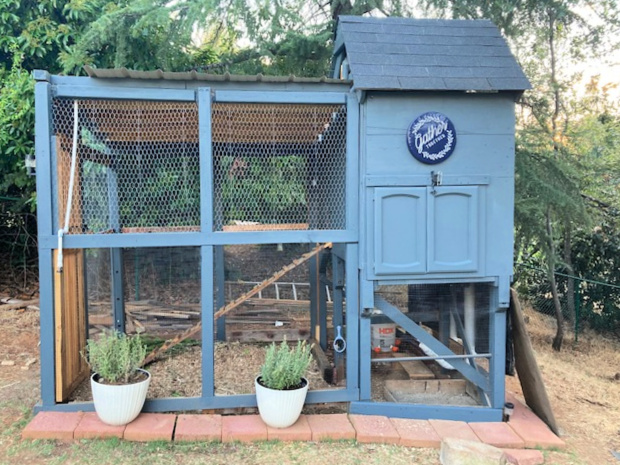

You have an old playhouse gathering dust in the backyard–why not give it new life as a home for backyard chickens? Converting a playhouse into a chicken coop is one of the smartest DIY projects for small homesteads. It’s faster than building from scratch, uses existing structure, and your flock gets a weatherproof shelter with character. Whether you’re a beginner or experienced builder, this guide walks you through every step to create a safe, comfortable coop your birds will love.
How to Convert a Playhouse Into a Chicken Coop
The conversion process involves assessing your existing structure, adding ventilation and nesting areas, installing roosting space, and securing the perimeter against predators. Most conversions can be completed in a weekend with basic tools.
Materials You Will Need
- Saw or power drill for cutting openings and installing hardware
- Heavy-duty wire mesh or hardware cloth (1/4-inch minimum) for predator protection
- Wood boards or untreated lumber for roosting bars and nesting box dividers
- Hinges and latches for access doors and cleaning hatches
- Exterior wood sealant or non-toxic paint to weatherproof exposed areas
- Roofing tar or waterproof caulk to seal gaps and prevent water intrusion
Steps
Inspect and Clean the Playhouse Structure
Thoroughly examine the playhouse for soft wood, rot, loose boards, and gaps. Remove toys, old padding, and debris from inside and outside. Look for any existing openings or damage that could let predators in or allow water leaks. Check the roof for missing shingles or weak spots. A solid structure is essential–if the wood is compromised, reinforce it before proceeding.
Create Ventilation Openings
Chickens produce moisture and ammonia fumes that need to escape. Drill or cut ventilation holes near the top of the side walls or roof peaks, making them small enough to prevent drafts but large enough for air circulation. Install removable screens over these openings to allow adjustable ventilation in different seasons. Proper airflow prevents respiratory disease and keeps bedding dry.
Cover All Openings With Hardware Mesh
Chickens are vulnerable to raccoons, foxes, hawks, and weasels. Cover every window opening, vent, and gap larger than 1/2 inch with sturdy hardware cloth. Secure it with staples or nails spaced every 2-3 inches, pulling the mesh tight so predators cannot pry it loose. This is the most critical safety step–a loose corner of mesh can be fatal.
Install Roosting Bars at Appropriate Heights
Chickens naturally roost on elevated perches at night. Install horizontal bars or branches 2-3 feet off the ground, spaced 8-12 inches apart to prevent pecking. Use untreated wood (treated wood can be toxic) with a diameter of 1-2 inches. Mount them securely so they support the weight of your flock without bending or splitting.
Build or Install Nesting Boxes
Each hen needs one nesting box for laying eggs. Divide a section of the playhouse into individual boxes, or install commercial nesting boxes along one interior wall. Make boxes roughly 12 x 12 x 12 inches, dark and slightly private. Line the bottom with straw or wood shavings. Mount them 12-18 inches off the ground for easy access.
Add a Pop Door and Run Entrance
Cut a small access door (8-10 inches square) in one wall for chickens to enter and exit. Install a simple sliding latch or hinged pop door that you can secure from outside at night. This controlled entry prevents predators from simply walking in while allowing your flock to free-range during the day if desired.
Protect the Exterior With Fencing and Sealant
Bury hardware cloth at least 6 inches deep and extend it outward 12 inches around the playhouse base to prevent burrowing predators. Seal all exterior gaps, cracks, and seams with weatherproof caulk. Apply exterior sealant or non-toxic paint to any exposed wood to protect it from rain and UV damage. This extends the life of your coop significantly.
Install a Cleaning Door and Bedding System
Cut or retrofit a large hinged door or removable panel on one side for easy access to bedding and droppings management. Add a solid floor or deep bedding (pine shavings or straw, 6-8 inches deep) that you can clean out weekly. Good bedding management prevents disease and keeps your flock comfortable year-round.
- Before you start, measure your flock size carefully. Plan for 3-4 square feet per bird inside the coop and 8-10 square feet per bird in any attached run area. An overcrowded coop leads to disease and behavioral problems.
- Use a caulk gun and waterproof sealant to seal every joint where the roof meets the walls. Water intrusion is the #1 enemy of a long-lasting coop structure.
- Test your predator protection at night by doing a ‘predator walk’–get down low and look for any gaps, holes, or loose mesh from an animal’s perspective. What looks solid to you might be exploitable to a determined raccoon.
What to Look For in Chicken Coop Conversion Materials
- Hardware Cloth Quality: Look for 1/4-inch or smaller openings to keep out weasels and smaller predators. Galvanized or stainless steel mesh lasts much longer than plain steel. Check that it’s sturdy enough to resist being bent or torn–thin, flimsy mesh is worse than useless.
- Wood Type and Safety: Use untreated, untainted wood for roosting bars and anything chickens directly contact. Pressure-treated wood contains chemicals harmful to birds. Reclaimed or naturally weathered wood is fine as long as it’s not treated or painted with toxic finishes.
- Sealant and Weatherproofing: Choose exterior-grade, waterproof caulk and sealants rated for outdoor use. Avoid products with harmful VOCs that could off-gas into an enclosed coop space. Test on a small area first to ensure it won’t damage existing finishes.
- Hardware and Latches: Select heavy-duty hinges and latches that won’t rust or weaken over time. Avoid flimsy spring latches–a determined predator can push through them. Stainless steel hardware is worth the extra cost for durability and longevity.
Fencer Wire 1/4-inch Hardware Cloth 25-Foot Roll
Best for: Predator-proofing any playhouse conversion
This heavy-duty hardware cloth features 1/4-inch galvanized steel mesh that keeps out weasels, raccoons, and smaller predators. The 25-foot roll provides ample coverage for an average playhouse conversion with material left over for repairs. Galvanized coating resists rust and extends the lifespan to 15+ years. Easy to cut with regular tin snips and staple to wooden frames without tearing.
Check Current Price on Amazon →Agri Fab Hinged Nesting Box Wooden Coop Box
Best for: Quick nesting box installation without building
Pre-built wooden nesting box with hinged top for easy egg collection and cleaning. Each unit measures 12 x 12 x 12 inches and comes treated to resist weathering. Mount multiple units along an interior wall to create a functional laying station. The hinged design lets you check for eggs and clean bedding without removing the box. Holds standard pine shavings or straw bedding.
Check Current Price on Amazon →DAP Dap Fast ‘N Final Spackling
Best for: Sealing small gaps and cracks before weatherproofing
Easy-to-use lightweight spackling that dries fast and won’t shrink or crack. Perfect for filling nail holes, small gaps between boards, and seams inside the playhouse before applying final sealant. Won’t harm chickens once fully cured. Can be painted over or sealed with exterior caulk for additional protection. One container covers multiple small playhouse repairs.
Check Current Price on Amazon →Sherwin-Williams SuperPaint Exterior Latex Paint
Best for: Long-lasting weatherproof finish on playhouse exterior
Premium exterior paint formulated to resist UV damage, mildew, and peeling for 10+ years. Superior adhesion and durability compared to standard exterior paint. Available in numerous colors to maintain playhouse aesthetics while protecting wood. Low-VOC formula is safer for enclosed coop environments. One gallon covers approximately 400 square feet, perfect for a medium playhouse.
Check Current Price on Amazon →Kreg Pocket Hole Jig 320 Starter Kit
Best for: Building sturdy roosting bars and nesting box dividers
This pocket hole jig system makes building strong wood joints without visible fasteners. Perfect for constructing roosting bar frames and custom nesting box dividers that withstand the weight of chickens. Includes drill bit, driver bit, and clamp for accurate hole placement. Beginner-friendly with detailed instructions. Creates joints stronger than traditional nailing while looking professional.
Check Current Price on Amazon →DAP Caulk 300 Exterior Grade Acrylic Latex
Best for: Sealing playhouse seams and gaps against weather
Flexible exterior caulk specifically designed for sealing gaps and seams on wooden structures exposed to weather. Won’t crack as wood expands and contracts seasonally. Paintable once cured and formulated to resist mildew growth. Ideal for sealing the junction where playhouse roof meets walls, gaps around windows and doors, and any exterior cracks. One caulk tube covers approximately 30 linear feet.
Check Current Price on Amazon →Eaton SOOW 14/3 Outdoor Extension Cord 50-Foot
Best for: Running power to automatic coop doors or heat lamps if needed
Heavy-duty outdoor extension cord rated for wet conditions and UV exposure. SOOW designation means superior insulation suitable for temporary outdoor electrical needs. 50-foot length gives flexibility for connecting to a nearby outlet if you add automatic door openers or heat lamps during winter months. Durable jackets resist kinking and splitting. Includes grounded three-prong plug for safety.
Check Current Price on Amazon →Stanley 16-Ounce Smooth Face Claw Hammer
Best for: Installing hardware, mesh, and building interior fixtures
Classic 16-ounce claw hammer with fiberglass handle and comfortable grip suitable for homestead DIY work. Lightweight enough for precision work but substantial enough to drive staples and fasteners through hardware cloth. Balanced design reduces hand fatigue during the conversion project. The claw efficiently removes nails if adjustments are needed. Affordable, reliable, and likely already in most toolboxes.
Check Current Price on Amazon →Converting Your Playhouse Into a Thriving Chicken Coop
Converting an old playhouse into a chicken coop is one of the most rewarding backyard DIY projects. You’re giving new purpose to an unused structure while creating a safe, comfortable home for your flock. The project doesn’t require advanced carpentry skills–solid planning, quality materials, and attention to predator protection are what matter most. Follow each step carefully, invest in good hardware cloth, and test your security regularly. Your chickens will reward you with fresh eggs, pest control, and endless entertainment for years to come.
Remember that the initial conversion is just the beginning of your homestead journey. Plan for ongoing maintenance, seasonal adjustments, and potential upgrades like automatic doors or expanded run space as your flock grows. Start with the materials and techniques outlined here, learn from your experience, and don’t hesitate to modify the design based on your specific climate, predator pressures, and flock size. A well-built converted playhouse coop can outlast purpose-built options while maintaining that charming character that made you want to keep backyard chickens in the first place.
Frequently Asked Questions
How many chickens can a converted playhouse coop hold?
Plan for 3-4 square feet per bird inside the coop itself. A typical playhouse (6×8 feet) comfortably houses 12-16 chickens. An attached run or fenced outdoor area should provide 8-10 additional square feet per bird for daytime foraging. Overcrowding leads to stress, disease, and aggressive behavior.
Do I need to insulate a playhouse chicken coop for winter?
In mild climates, a converted playhouse with proper ventilation usually provides sufficient insulation. In cold regions (below 0F), consider adding a thin layer of foam board or straw bales around interior walls, or adding a heat lamp on a thermostat. Never use heat that creates fire hazard in an enclosed wooden structure.
What bedding material works best in a converted playhouse?
Pine shavings, aspen shavings, or straw are all suitable. Avoid cedar and oak as they’re toxic to birds. Use 6-8 inches of material to absorb moisture and ammonia. Replace bedding weekly or as needed. Deep litter method (adding fresh bedding on top weekly) works for some, but regular replacement prevents disease better.
Can a playhouse coop work year-round without modifications?
Yes, in most climates. Ensure excellent ventilation to prevent ammonia buildup, adequate bedding for insulation, and that the structure stays dry inside. In very cold climates, add supplemental heat on a thermostat, and in hot climates, ensure shade and water misters. Predator protection remains critical year-round.
How do I protect the coop from raccoons if I don’t bury the fencing?
Bury hardware cloth at least 6 inches deep around the base, or extend an outward L-shaped barrier 12 inches from the coop wall. Raccoons can climb, so ensure all upper openings are secure with mesh. Use latches that require two hands to open–raccoons can manipulate simple hooks. Consider an apron of hardware cloth extending outward on the ground.
As an Amazon Associate, Build & Bloom earns from qualifying purchases. We only recommend products we genuinely think are useful. Prices and availability vary; check Amazon for the latest.
Leave a Reply