
If your backyard chickens are laying eggs everywhere except the nesting boxes, you’re wasting money and creating daily frustration. The problem usually isn’t your hens–it’s that the boxes aren’t set up correctly. When nesting boxes lack the right size, comfort, and bedding, hens will seek out hidden corners and gaps instead. This guide walks you through building functional nesting boxes that your flock will actually use, resulting in cleaner eggs, fewer breaks, and less time searching your yard for hidden nests.
How to Build and Set Up Proper Chicken Nesting Boxes
Building functional nesting boxes involves choosing the right dimensions, positioning them correctly, and filling them with quality bedding. Follow these steps to create a setup your hens will consistently use.
What You Will Need
- Wood boards or plastic storage containers (minimum 12×12 inches interior)
- Absorbent bedding material such as pine shavings, straw, or wood pellets
- Mounting hardware including brackets or screws for securing boxes to coop walls
- Hinged or removable roof panels for easy egg collection and cleaning
- Rollout nesting box floor (optional but reduces soiling)
- Perch or step below entrance for easy hen access
Steps
Calculate the correct number of boxes
Plan for one nesting box per 3-4 hens in your flock. A flock of 12 birds needs at least 3-4 boxes. Having multiple boxes reduces competition, stress, and territorial disputes during peak laying times, and ensures hens don’t resort to laying outside the boxes.
Size and design your boxes
Build or purchase boxes with an interior minimum of 12×12 inches and 12 inches tall. The entrance hole should be 6-8 inches in diameter, positioned 2-3 inches from the top. Slightly sloped roofs (10-15 degree angle) prevent hens from roosting and defecating on top of the boxes.
Position boxes 2-3 feet off the ground
Mount nesting boxes on the interior coop wall at a height that allows hens to climb in easily without wasting valuable floor space. Boxes positioned too high cause injury and missed entrances; too low invites predators and reduces usable nesting area. Leave 12-18 inches of clearance above the boxes for nesting.
Add a step or perch at the entrance
Install a small perch or step 6-8 inches below each entrance hole. This gives hens a secure platform to stand on before entering and reduces strain on their legs when jumping in and out, especially for heavier breeds or older birds.
Fill with 4-6 inches of quality bedding
Layer fresh absorbent material across the entire floor of each box. The depth should allow hens to create shallow nests without their eggs resting directly on hard surfaces. Refresh bedding weekly and replace soiled material immediately to prevent bacterial growth and keep eggs clean.
Test for privacy and light control
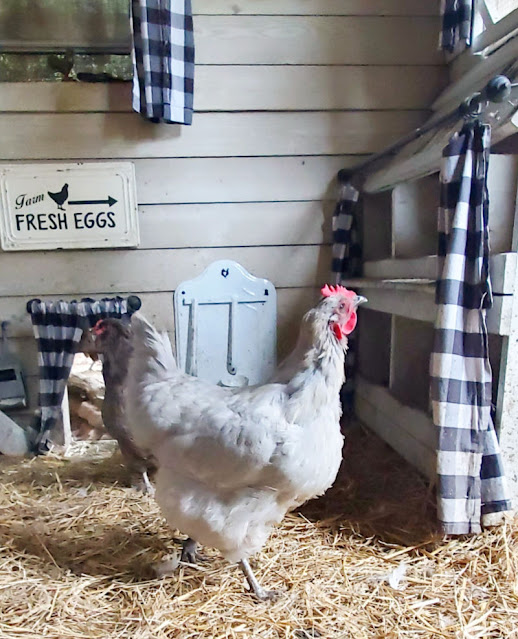
Hens prefer semi-dark nesting spaces. If your boxes feel too exposed, add curtains, burlap strips, or a hinged roof panel that reduces light. Boxes positioned away from bright windows and direct sunlight are more attractive to laying hens than open, well-lit designs.
Establish a routine for collection and maintenance
Collect eggs at least once daily to prevent breakage, reduce the urge for hens to eat eggs, and keep boxes clean. Check bedding daily for moisture and soiling. Replace wet or packed bedding immediately, and do a complete bedding change every 1-2 weeks depending on usage.
- Place a golf ball or ceramic dummy egg in each box to signal to hens that the space is meant for laying. Hens are instinctively drawn to nest where other hens have nested.
- Install rollout nesting box floors so eggs roll into a collection tray. This design keeps eggs from getting stepped on or soiled by hens walking inside.
- Use pine shavings or pellets rather than hay or straw, which hold moisture and harbor mites. Hay is better suited for bedding outside the nesting boxes.
What to Look For in Nesting Box Materials
- Proper interior dimensions: Boxes must measure at least 12×12 inches inside to give hens comfortable space for settling and turning. Undersized boxes lead to broken eggs and hens bypassing them entirely.
- Durable, easy-to-clean construction: Look for materials that resist moisture, don’t splinter, and have removable or hinged roofs for weekly cleaning. Plastic and treated wood are preferable to untreated softwoods that harbor bacteria.
- Ventilation and moisture management: Boxes need adequate airflow to prevent mold and mite infestations. Small ventilation holes or a slightly elevated design that allows air circulation under the boxes keeps bedding dry.
- Secure mounting hardware: Heavy-duty brackets, bolts, or mounting rails prevent boxes from shifting, collapsing, or becoming loose from constant use and weight. Poorly secured boxes create safety hazards and disrupt nesting behavior.
Suncast DH250 Deluxe Chicken Nesting Box
Best for: Backyard keepers wanting a ready-to-use, low-maintenance solution
The Suncast DH250 is a molded plastic nesting box with four individual compartments, each meeting the 12×12 inch minimum. The durable polyethylene construction resists moisture and splinters, while hinged roofs allow easy egg collection and bedding access. The elevated design promotes airflow underneath, reducing moisture accumulation. Predator-resistant latches and sturdy mounting brackets are included. Each box weighs under 15 pounds for easy installation, and the plastic surfaces wipe clean in seconds. Ideal for flocks of 8-12 birds.
Check Current Price on Amazon →Prevue Pet Products Nesting Box Kit
Best for: Cost-conscious hobbyists building their first coop
This affordable two-compartment nesting box kit includes unfinished wood boards, hardware, and detailed assembly instructions. The basic design meets minimum size requirements and can be customized with paint or stain. It’s ideal for builders who want affordability without sacrificing functionality. The wood construction is lighter than alternatives, and the simple design allows easy modification. Best suited for smaller flocks of 4-6 birds. Requires basic carpentry tools and 1-2 hours assembly time.
Check Current Price on Amazon →Kerbl Chicken Nesting Box with Roll-Out Floor
Best for: First-time chicken keepers who want egg protection and cleanliness
This innovative design features individual compartments with a sloped rollout floor that directs eggs into a protected collection tray. The roll-out mechanism prevents egg breakage from hens stepping on them and keeps eggs cleaner since they don’t rest in bedding. Made from durable plastic, it mounts securely to coop walls and includes all hardware. The design is particularly good for beginners because eggs are less likely to crack, and the collection tray makes gathering eggs faster and cleaner.
Check Current Price on Amazon →Premium Wooden Nesting Box with Hinged Roof by Omlet
Best for: Serious homesteaders wanting an attractive, long-lasting investment
Omlet’s premium nesting box is crafted from sustainably harvested FSC-certified wood and features a sleek modern design that complements garden aesthetics. Individual compartments include curved interior surfaces for natural nesting, and the roof is fully hinged for unrestricted access. Superior moisture management is achieved through strategic ventilation slots. The durable finish resists weathering for 10+ years. At the higher price point, it offers the longevity and aesthetic appeal serious homesteaders appreciate.
Check Current Price on Amazon →Final Recommendation
The best nesting box setup combines proper sizing (12×12 inches minimum), adequate quantity (one per 3-4 hens), quality bedding refreshed weekly, and positioning that encourages consistent use. Whether you choose molded plastic for durability, wood for aesthetics, or a modular system for expansion, the fundamental principles remain the same: give your hens comfortable, clean, semi-private spaces positioned 2-3 feet off the ground, and they’ll reward you with consistently clean eggs laid right where you can find them.
Start with the Suncast DH250 if you want a reliable all-in-one solution, or invest in premium Omlet boxes if you’re building a long-term homestead. The money you spend on proper nesting boxes pays back immediately in fewer cracked eggs, cleaner nests, and less time hunting for hidden eggs in the garden. Your flock will thank you with better laying habits and the peace of mind knowing your eggs are safe and sanitary.
Frequently Asked Questions
How many nesting boxes do I actually need for my flock?
Plan for one box per 3-4 hens. A flock of 12 birds needs 3-4 boxes. Having extras prevents territorial stress and ensures hens won’t abandon boxes due to overcrowding. Hens often prefer to lay simultaneously during peak hours, so adequate boxes prevent them from searching for alternative locations.
What bedding material is safest and most absorbent?
Pine shavings and wood pellets are best because they’re absorbent, resist mold, and discourage mites better than hay or straw. Avoid cedar shavings (toxic fumes) and sawdust (too fine, causes respiratory issues). Change bedding weekly and replace soiled material immediately to prevent bacterial growth that can crack eggs.
Why are my hens laying eggs outside the nesting boxes?
Common reasons include boxes that are too small, soiled bedding, insufficient privacy, too much light, or overcrowding. Boxes positioned too high or too low, or without adequate steps, also discourage use. Adding dummy eggs and curtains to increase privacy usually solves the problem within days.
Should nesting boxes have doors or covers?
Hinged roofs are essential for collecting eggs, checking for broken shells, and cleaning bedding. Partial covers or curtains increase privacy without fully sealing boxes. Complete doors aren’t necessary and can trap moisture. Good ventilation and privacy–not full enclosure–encourages consistent laying.
How do I keep nesting boxes clean without disturbing laying hens?
Collect eggs at least daily to remove broken shells and droppings quickly. Spot-clean soiled bedding every 2-3 days without fully disturbing the hens. Do a complete bedding change weekly when hens aren’t actively laying (early morning or late afternoon). Hens will accept bedding changes if you leave a thin layer of clean material from the old batch, which maintains familiar nesting scent.
As an Amazon Associate, Build & Bloom earns from qualifying purchases. We only recommend products we genuinely think are useful. Prices and availability vary; check Amazon for the latest.
Leave a Reply