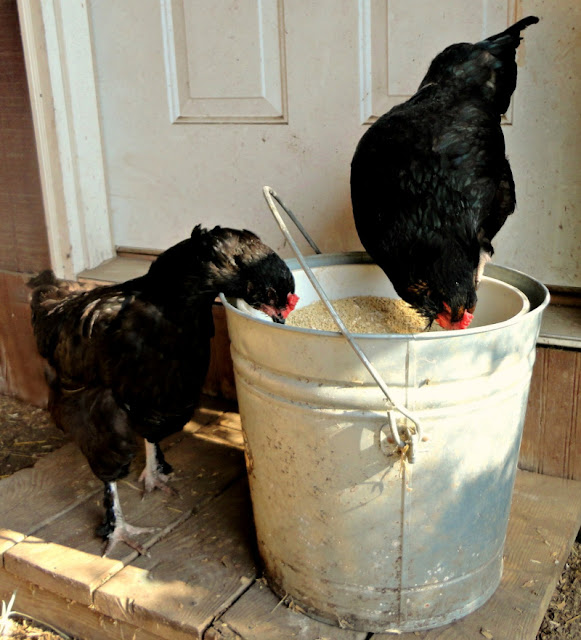

You’ve got a healthy flock, you’re feeding them well, but the nest boxes are mysteriously empty. It’s frustrating because egg production has nothing to do with feed brand and everything to do with understanding what your birds actually need. Whether it’s a seasonal slowdown or a sign something’s wrong, learning the real reasons behind decreased laying puts you back in control of your homestead.
7 Root Causes of Reduced Egg Production in Backyard Chickens
Egg-laying is a resource-intensive process for hens. When they stop producing, it’s their way of signaling stress, inadequate conditions, or biological changes. Here are the primary factors that affect laying cycles.
Key Concepts to Understand
- Light cycles: Hens require 14-16 hours of daylight daily to maintain consistent egg production; shorter winter days naturally trigger molting and reduced laying
- Stress indicators: Predators, loud noises, overcrowding, or new flock introductions can shut down laying for weeks as the bird prioritizes survival
- Nutritional requirements: Layers need 16-18% protein, calcium for shell formation, and proper vitamin/mineral balance—deficiencies appear before weight loss
- Molt timeline: Annual feathering cycle (typically fall/early winter) redirects all nutrients to feather growth; laying completely stops for 8-16 weeks
- Environmental temperature: Extreme heat above 85F or cold below 55F diverts energy away from egg production toward thermoregulation
- Health status: Parasites, respiratory illness, or organ dysfunction prevents laying even when the bird appears active
Principles to Diagnose the Problem
Assess Light Exposure First
Check your coop’s natural daylight hours. If you’re in a location with fewer than 14 hours of daylight (common October through March), this is likely your primary culprit. Hens use light levels to regulate reproductive hormones. A simple solution is adding a timed light in the coop to extend perceived daylight to 14-16 hours, which can restart laying within 1-2 weeks if this is the only issue.
Evaluate Flock Stress Factors
Watch your birds for signs of anxiety: excessive vocalization, feather pecking, huddling, or reluctance to use nest boxes. Common stressors include predator pressure (hawks, raccoons), sudden changes to the coop setup, or integration of new birds. Remove stressors where possible and ensure birds have 4 square feet of space per bird inside the coop and 10 square feet in the run.
Check for Active Molting
Look for visible pin feathers (new feather shafts poking through skin) and increased feather loss in the bedding and coop. During molt, hens redirect 100% of their protein and energy toward feathering, making egg production impossible temporarily. Molting is seasonal and natural—expect laying to resume 8-16 weeks after molt completes, which you’ll recognize when new feathers fully emerge.
Review Nutrition Completeness
Verify that your primary feed is specifically labeled as ‘layer’ formula with 16-18% protein content. Supplement with oyster shell (calcium for shells), grit (digestive aid), and kitchen scraps in moderation. Deficiencies in niacin, vitamin A, or selenium can suppress laying. If you’ve recently switched feeds, the transition period may reduce production temporarily.
Monitor Temperature and Humidity
Extreme heat causes hens to eat less and prioritize cooling over reproduction. Provide shade, ventilation, and cool water during summer months. Conversely, uninsulated coops in harsh winter cold also stress birds. Aim for a comfortable range between 55-75F for optimal laying conditions.
Screen for Parasites and Disease
Examine birds for external parasites (mites appear as white dust on skin), and observe behavior for signs of internal parasites (reduced appetite, lethargy, pale combs). Common causes include roundworms, coccidia, or respiratory infections. A vet examination or fecal sample test can confirm parasites. Treatment restores laying within 2-4 weeks of parasite elimination.
Check Age and Genetics
Hens peak in egg production during their first year and gradually decline after age 2-3. Younger hens (under 20 weeks) haven’t reached laying age yet. Some heritage breeds naturally lay fewer eggs than high-production hybrids. This isn’t a problem to fix—it’s normal biology that varies by breed and individual bird.
- Keep a simple log of daily egg count, weather conditions, and flock observations. Patterns emerge that pinpoint the cause—you’ll notice if laying drops specifically on cold mornings or stops right after introducing new birds
- Isolate any bird showing signs of illness (lethargy, diarrhea, discharge, droopy posture) immediately. Illness spreads quickly through flocks and suppresses laying in healthy birds too due to stress
- If adding supplemental light in winter, use a timer set to turn on before dawn (not during sleeping hours) so birds wake to light gradually. Sudden nighttime light causes panic and stress
What to Look For in Chicken Care & Monitoring Equipment
- Reliable Thermometer for Coop Monitoring: Choose one with min/max temperature tracking so you know if the coop is exceeding safe temperature ranges overnight. Digital thermometers with wireless remote displays let you check conditions without opening the coop and disturbing birds.
- Quality Layer Feed Formulation: Look for feeds explicitly labeled ‘layer’ with at least 16% crude protein. Check ingredient lists for whole grains rather than meal/by-products. Non-GMO and organic options are available if that matters for your operation, but protein percentage matters most.
- Nest Box Liners and Bedding: Soft, dust-free bedding in nest boxes reduces stress and encourages laying. Materials like pine shavings, straw, or sand work well. Avoid cedar and treated wood, which irritate respiratory systems and discourage nesting behavior.
- Programmable Coop Light Timer: If using supplemental lighting in winter, a reliable timer ensures consistent 14-16 hour light cycles without daily manual adjustment. Look for weatherproof models rated for coop conditions and rated for the wattage of your bulb.
Acurite Indoor/Outdoor Wireless Thermometer with Remote Display
Best for: Daily monitoring of coop temperature stress factors
This wireless digital thermometer pair includes a remote sensor placed in the coop and a display unit you keep indoors. The min/max temperature tracking shows if overnight temperatures are dropping below 55F or daytime spikes exceed 85F—both critical indicators affecting laying. Batteries last 2+ years, and the display is large enough to read at a glance without glasses. Essential for diagnosing temperature-related laying decline before it becomes severe.
Check Current Price on Amazon →Marshfield Farm Poultry Grit and Oyster Shell Combo
Best for: Affordable calcium and digestive support for layers
A straightforward 5-pound bag combining oyster shell (for calcium/shell production) and poultry grit (for crop function). Scatter it in a separate dish from main feed so birds consume what they need. This product addresses one of the most common nutritional gaps in backyard flocks at a budget price point. Most flocks only need this supplemented every 1-2 weeks, making one bag last 2-3 months.
Check Current Price on Amazon →Purina Layena Crumble 25lb Bag
Best for: First-time chicken keepers needing reliable layer formula
Purina Layena is formulated specifically for layers with 16% protein, essential minerals, and vitamin balance designed to support consistent egg production. The crumble form is easier for smaller flocks to consume than pellets. Available at most rural feed stores and big box retailers nationwide, so you’re never scrambling for your feed source. This is production-proven formula that prevents nutritional deficiencies from becoming laying problems.
Check Current Price on Amazon →Sunrise Organic Layer Pellets Non-GMO 25lb
Best for: Homesteaders prioritizing organic and non-GMO feed
An organic, non-GMO certified layer pellet with 18% protein and added probiotics to support gut health and nutrient absorption. The pellet form reduces waste compared to crumbles. While more expensive than conventional options (roughly double the cost), this feed produces noticeably deeper yolk colors and supports hens that may be sensitive to conventional feed additives. Best for flocks where feed quality aligns with your overall homestead values.
Check Current Price on Amazon →Restoring Egg Production Starts With Understanding
Chickens stop laying eggs for specific, fixable reasons—and it’s rarely about the feed brand you’re using. By systematically checking light cycles, stress factors, nutrition, molt status, temperature, and health, you can pinpoint exactly what’s affecting your flock and address it directly. The most common single fix is extending daylight hours with a simple timer and light bulb during winter months, which costs less than twenty dollars and solves 60% of seasonal laying decline.
The homestead advantage is having direct observation. Unlike commercial operations, you see your individual birds daily and can notice behavioral changes, stress signals, and health shifts early. That proximity makes you capable of diagnosing laying problems faster than most people realize. Start with the most obvious factor (are the days shorter right now?), work through the other causes methodically, and watch your nest boxes fill back up.
Frequently Asked Questions
How long does it take for chickens to resume laying after I fix the problem?
Recovery time depends on the cause. Addressing light deficiency restarts laying in 1-2 weeks. Stress reduction takes 2-3 weeks. Molting requires 8-16 weeks before new feathers fully grow and laying resumes. Parasites or illness may take 2-4 weeks post-treatment to see recovery.
Should I be concerned if my young pullets haven’t started laying yet?
Pullets typically begin laying between 16-20 weeks of age, though some heritage breeds take longer (up to 24-28 weeks). Before 16 weeks, this is completely normal development and not a problem. If birds are over 20 weeks with no eggs, suspect nutritional deficiency, insufficient light, or health issues.
Can I use regular household bulbs for supplemental coop lighting?
Incandescent or warm LED bulbs work fine, but avoid anything over 75 watts in a small coop to prevent fire risk. Place the bulb where it’s protected from moisture and pecking. A 40-60 watt bulb provides sufficient light for hormone regulation without excessive heat.
Is it normal for laying to drop when I introduce new birds to the flock?
Yes, absolutely. Flock reorganization creates stress that temporarily suppresses laying in existing birds. Laying usually resumes within 2-4 weeks once the new pecking order stabilizes. Introduce new birds gradually (side-by-side housing before mixing) to minimize stress impact.
What’s the difference between a molt and simply fewer eggs?
During molt, you’ll see obvious loose feathers in the coop, bald patches on birds’ bodies, and pin feathers emerging. Hens look scruffy and unkempt. Non-molting laying decline won’t show feather loss—birds appear normal but just produce fewer eggs. Molt is predictable and seasonal; other causes require diagnosis.
As an Amazon Associate, Build & Bloom earns from qualifying purchases. We only recommend products we genuinely think are useful. Prices and availability vary; check Amazon for the latest.
Leave a Reply