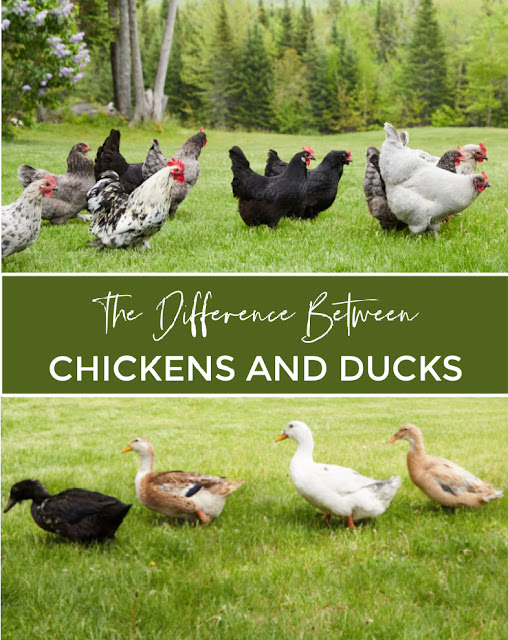

Deciding between chickens and ducks for your backyard is more than just picking your favorite bird. Each brings distinct advantages and challenges to homesteading. Whether you have marshy land, limited space, or specific egg production goals, understanding how these birds differ in behavior, housing needs, feed requirements, and output will help you make an informed decision that matches your property and lifestyle.
Key Differences Between Chickens and Ducks
When comparing poultry options, evaluate these four critical factors to determine which bird suits your homestead.
Comparison Criteria
- Space and habitat requirements – chickens need dry ground while ducks thrive near water
- Egg production patterns – frequency, seasonality, and consistency differ significantly
- Feed and nutrition needs – dietary requirements and foraging behavior vary
- Pest control and environmental impact – each species affects your land differently
- Hardiness and climate adaptation – cold tolerance and heat sensitivity matter
- Noise levels and neighbor relations – vocalization patterns affect rural and suburban settings
Principles
Assess Your Water Access and Terrain
Chickens prefer dry ground with dust bathing areas and will scratch continuously. Ducks are waterfowl that need access to ponds, pools, or running water to maintain feather health and exhibit natural behaviors. If your property has wet areas, marshland, or you can provide a dedicated water source, ducks become viable. Conversely, chickens adapt well to drier climates and smaller yards without water features.
Compare Egg Production Schedules
Chickens typically lay daily or near-daily throughout their productive years, with a consistent routine once established. Ducks produce eggs reliably but often lay very early morning and may not follow a predictable pattern. Chicken eggs are smaller and more familiar to consumers if you sell surplus. Duck eggs are larger, richer, and prized for baking but have a smaller market. Consider your consumption needs and whether consistency matters for your goals.
Evaluate Feed Efficiency and Foraging Behavior
Chickens are omnivorous and excellent foragers, eating insects, plants, and seeds while consuming moderate grain. Ducks are superior foragers in wet environments and eat slugs, mosquito larvae, and aquatic vegetation that chickens cannot access. Both reduce feed costs through natural foraging, but ducks excel at pest control in swampy areas. Calculate your feed budget based on available foraging opportunities on your property.
Consider Noise and Social Impact
Roosters are loud and territorial, creating early-morning noise that affects neighbors. Hens are relatively quiet with occasional clucking. Ducks are vocal year-round, producing loud quacking especially at dawn and dusk, which bothers nearby residents more than chickens. If you live in a suburban setting or have close neighbors, this factor heavily influences your choice.
Examine Hardiness in Your Climate Zone
Chickens vary widely by breed; some handle cold extremes while others struggle in heat. Ducks are exceptionally cold-hardy due to their waterproof feathers and body fat, excelling in northern climates. In hot, dry regions, chickens often perform better because ducks require water access year-round to maintain feather quality and health. Research breeds suited to your specific climate.
Review Housing and Predator Protection Needs
Chickens need enclosed coops with nesting boxes and roosting bars. Ducks require secure nighttime housing plus daytime access to water or wet ground. Duck housing must prevent fox and raccoon predation while allowing water entry. Chicken housing is often simpler but both need equivalent protection levels. Plan your infrastructure investment based on what your property supports.
Calculate Long-term Commitment and Lifespan
Chickens remain productive for 5-7 years and are easier to process or rehome when finished. Ducks live 8-12 years and form stronger social bonds, making culling emotionally harder for homesteaders. Ducks require consistent water maintenance, while chickens need routine coop cleaning. Project your commitment timeline before choosing.
- Start with one species rather than both if you’re new to poultry–mixing them creates complex housing and fencing challenges since ducks need water access chickens don’t require.
- Visit local homesteaders with either species to observe daily care routines and noise levels–YouTube videos don’t capture the true impact of early-morning duck quacking or management reality.
- Test your water availability in different seasons before committing to ducks; a seasonal pond that dries up in summer creates major welfare and management problems.
Essential Supplies for Your Poultry Decision
- Coop and Housing Structure: A secure, predator-proof coop is non-negotiable for either species. Chickens need 3-4 square feet per bird inside; ducks need 4-5 square feet. Water-resistant construction matters more for ducks. Research pre-built options or build your own using sturdy framing.
- Feeders and Waterers: Ducks and chickens use similar feeders but require different water systems. Ducks need deep bowls or automated drinkers to submerge their bills; chickens use nipple or trough waterers. Elevated feeders prevent waste and contamination for both species.
- Bedding and Litter Materials: Pine shavings, straw, or pellets absorb moisture and odor in coops. Ducks produce more wet waste, so bedding replacement is more frequent. Chickens work with standard deep litter methods. Budget higher bedding costs for ducks over time.
- Fencing and Run Enclosures: Both species need predator-proof runs during the day. Chicken fencing is typically 4-6 feet tall; duck runs can be lower but must allow water access. Quality fencing prevents losses to foxes, hawks, and raccoons while containing birds during free-range hours.
Omlet Outdoor Run and Coop Combo
Best for: Homesteaders starting with either chickens or ducks
The Omlet system offers modular housing that accommodates up to 10 birds with integrated run fencing, predator protection, and weather-resistant construction. Its elevated design keeps birds safer from ground predators while the removable floor simplifies cleaning. Works for chickens; ducks require additional water system planning. Professional build quality ensures 10+ year lifespan with minimal maintenance.
Check Current Price on Amazon →Prevue Pet Products Chicken Coop
Best for: Beginners on a tight budget
This 6-bird capacity coop features sturdy wooden construction with an attached run, nesting boxes, and roosting bars. Assembly takes 2-3 hours. The design works well for chickens in dry climates but lacks water-resistant features ducks require. Affordable entry point for testing backyard poultry before investing in premium housing.
Check Current Price on Amazon →Grandpa’s Feeders Waterer System
Best for: First-time poultry owners
Nipple-based waterers prevent contamination and waste, ideal for chickens. The 5-gallon capacity serves 5-8 birds for 2-3 days. Gravity-fed design requires no electricity. Easy to clean and refill. Ducks prefer deeper water systems, so this suits chicken-focused operations. Affordable reliability that prevents watborne disease.
Check Current Price on Amazon →The Coops Premium Duck House with Run
Best for: Duck enthusiasts and water-rich properties
Purpose-built for ducks with sloped floors for water drainage, integrated predator protection, and weather-sealed construction. Accommodates 8-10 ducks with ample ventilation to prevent respiratory issues. The design includes dedicated water entry while maintaining security. Higher price reflects duck-specific engineering. Ideal for serious homesteaders committed to waterfowl.
Check Current Price on Amazon →Making Your Final Choice
The decision between chickens and ducks ultimately depends on three factors: your property’s water availability and terrain, your noise tolerance and neighbor proximity, and your commitment to consistent daily management. Chickens suit most homesteaders because they’re adaptable, quieter, and require simpler infrastructure. They excel in dry climates and suburban settings where space and noise matter. Ducks belong on properties with existing water features or where you’re committed to creating dedicated water systems; they repay that investment with superior pest control, exceptional cold hardiness, and a longer productive lifespan.
If you’re unsure, start by observing your local climate, visiting neighbors with each species, and honestly assessing your management style. Many successful homesteaders maintain both species in separate setups, leveraging each bird’s unique strengths. Whatever you choose, invest in predator-proof housing first, then waterers and feeders suited to your species. Quality housing prevents costly losses and reduces daily stress. Visit local extension offices or experienced homesteaders to understand the reality of daily care in your specific region before committing to either path.
Frequently Asked Questions
Can I raise both chickens and ducks together?
Chickens and ducks can share housing if you provide separate water systems and account for ducks’ messier waste. However, ducks require deeper water access that chickens don’t need, creating conflicting infrastructure demands. Most experienced homesteaders recommend separate setups unless your property has extensive water features and space for both.
Which bird is easier for beginners?
Chickens are generally easier for beginners due to simpler housing requirements, more predictable daily routines, and easier egg collection. Ducks require consistent water management and produce louder noise complaints. Start with chickens if you’re uncertain about your commitment; they transition more easily to backyard settings.
Do ducks really control mosquitoes better than chickens?
Yes, ducks are superior mosquito controllers because they eat aquatic larvae in water environments where chickens cannot forage. In wet or marshy properties, ducks reduce mosquito populations dramatically. Chickens excel at terrestrial insect control but won’t impact water-breeding mosquitoes. Choose ducks specifically if mosquito control in wet areas is your goal.
How cold can each species tolerate?
Ducks are exceptionally cold-hardy and thrive in freezing temperatures due to waterproof feathers and body fat. Chickens vary by breed; cold-hardy breeds handle zero degrees well, while heat-sensitive breeds struggle below 20 degrees. In northern climates, ducks require minimal winter shelter, while chickens need insulated coops. Research breed-specific cold tolerance for your region.
What’s the actual noise difference between chickens and ducks?
Hens cluck quietly; roosters crow loudly at dawn. Ducks quack constantly at dawn and dusk, producing higher-volume noise that travels farther to neighbors. In suburban settings within 50 feet of property lines, duck noise generates more complaints. If you have close neighbors and no rooster, chickens are substantially quieter overall.
As an Amazon Associate, Build & Bloom earns from qualifying purchases. We only recommend products we genuinely think are useful. Prices and availability vary; check Amazon for the latest.
Leave a Reply