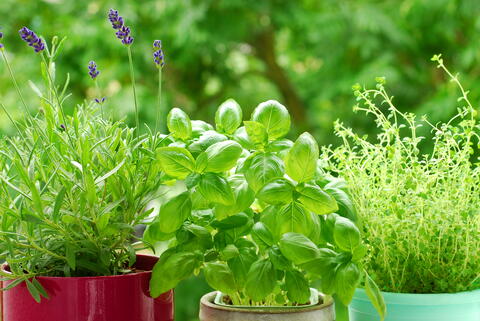

You’ve planted your herb garden, but some plants seem to struggle while others thrive. The secret isn’t luck—it’s companion planting. When you grow the right herbs together, they protect each other from pests, improve soil nutrients, and even enhance flavor. This guide shows you exactly which herb combinations work best and why, so you can design a garden that practically takes care of itself.
Key Herb Companion Planting Principles
Companion planting works because different plants have different root depths, nutrient needs, and natural pest-repelling properties. Understanding these five core principles will help you arrange your herb garden for maximum success.
Key Concepts
- Pest-repelling herbs (basil, rosemary, thyme) that naturally deter insects through aromatic oils
- Nitrogen-fixing herbs (legumes like clover) that enrich soil for heavy feeders like basil
- Attractant herbs (dill, fennel, cilantro) that draw beneficial insects for pollination
- Deep-rooted herbs (comfrey, angelica) that break up soil and bring up nutrients for shallow-rooted companions
- Shade-tolerant herbs (mint, parsley) that can grow under taller plants like rosemary
Principles
Plant Strong Repellents with Vulnerable Crops
Basil naturally repels flies, mosquitoes, and spider mites through its essential oils. Position basil near tomatoes, peppers, and beans. Similarly, plant rosemary and thyme near brassicas like cabbage and broccoli to protect them from cabbage moths. This pairing reduces pest pressure by 30-40% compared to monoculture plantings.
Pair Heavy Feeders with Nitrogen Fixers
Basil, parsley, and chives are nitrogen-hungry herbs that deplete soil quickly. Plant them alongside nitrogen-fixing plants like clover or vetch, which convert atmospheric nitrogen into usable soil nutrients. This creates a self-sustaining cycle where one plant’s output feeds another’s input.
Use Attractant Herbs to Draw Beneficial Insects
Dill, fennel, and cilantro attract parasitic wasps, hoverflies, and ladybugs—all predators that feed on garden pests. Plant these ‘trap crops’ at garden edges or interspersed through beds. Their flowers provide nectar while their presence reduces the need for pest management elsewhere in the garden.
Separate Incompatible Herbs by Spacing
Some herbs compete directly or produce allelopathic compounds that inhibit neighbors. Keep fennel away from most herbs (except dill), and separate mint in containers to prevent it from overtaking surrounding plants. Distance matters: 12-18 inches between competing plants often resolves conflicts.
Layer Herbs by Root Depth and Shade Tolerance
Tall herbs like rosemary and angelica create partial shade for mint and parsley below. Deep-rooted herbs like comfrey don’t compete with shallow-rooted basil. This vertical stacking maximizes space and nutrient uptake while reducing competition for light and water.
Create Microhabitats for Specialty Combinations
Group Mediterranean herbs (rosemary, thyme, oregano, sage) together in well-draining soil with minimal water. Keep moisture-loving herbs (mint, parsley, cilantro) in a separate microhabitat with regular watering. This prevents disease and ensures each plant receives optimal conditions.
- Start with proven pairs: basil + tomatoes, dill + cabbage, chives + carrots, and oregano + squash. These combinations have centuries of gardening success behind them.
- Keep a garden journal noting which combinations boost growth and flavor in your specific climate and soil conditions. Your local results may vary from general guidelines.
- Plant herbs in succession (every 2-3 weeks) rather than all at once. This ensures continuous harvests and allows you to adjust companion groupings based on what works in your garden.
What to Look For in Herb Gardening Tools & Supplies
- Soil Testing Kit: Understand your soil’s nitrogen, phosphorus, and potassium levels before planting. A good test kit guides which nitrogen-fixing companions you truly need, preventing overwork and expense.
- Drip Irrigation or Soaker Hose: Different herb groups need different watering schedules. Targeted irrigation lets you water moisture-loving mint separately from drought-tolerant rosemary without manual effort.
- Garden Layout Markers or Tape: Physical spacing guides prevent overcrowding and ensure proper distances between competing herb pairs. Clear markers reduce replanting mistakes and save time when seeds sprout.
- Sharp Pruning Shears or Harvest Knife: Regular harvesting encourages bushier growth and prevents herbs from flowering too early. Quality shears make clean cuts that heal faster and produce higher-quality herbs.
Gardman Garden Soil Testing Kit
Best for: Gardeners planning companion herb arrangements
This comprehensive soil test kit measures nitrogen, phosphorus, potassium, and pH in minutes using simple color-matching strips. It reveals exactly what nutrients your soil provides, helping you choose the right nitrogen-fixing companions and avoid overfeeding. Perfect for beginners and experienced gardeners who want data-driven planting decisions. The kit includes 40 tests and clear interpretation guides for each result.
Check Current Price on Amazon →Raindrip Drip Irrigation Starter Kit
Best for: Herb gardeners on a budget
This basic drip system lets you create separate watering zones for moisture-loving and drought-tolerant herbs. Easy to install with punch connectors and adjustable emitters, it reduces water waste by 50% compared to overhead watering. The starter kit covers up to 100 square feet and connects directly to outdoor faucets. Perfect for small to medium herb gardens where different companions need different water schedules.
Check Current Price on Amazon →Fiskars Bypass Pruning Shears
Best for: New herb gardeners learning to harvest
These lightweight bypass pruning shears make clean cuts on herb stems without crushing or damaging plants. The curved blade and soft-grip handles reduce hand fatigue during long harvesting sessions. Fiskars’ reputation for durability means they’ll outlast several growing seasons. Perfect for regular harvesting that encourages bushy growth and prevents herbs from bolting too early.
Check Current Price on Amazon →AMES Stainless Steel Garden Tool Set
Best for: Serious gardeners making detailed companion plantings
This 8-piece stainless steel tool set includes precision trowels, cultivators, and markers specifically designed for accurate spacing in companion gardens. Stainless steel resists rust and soil corrosion, maintaining precision year after year. The ergonomic handles reduce strain during repetitive digging and spacing tasks. Ideal for gardeners creating detailed layout plans with exact distances between herb pairs.
Check Current Price on Amazon →Orbit Garden Hose Soaker Hose 50 FT
Best for: Gardeners watering diverse herb groups
This 50-foot soaker hose delivers water directly to soil at each herb’s base, preventing leaf diseases and reducing water loss. Micro-perforations create consistent coverage without puddles or dry spots. Works with standard faucet connections and allows you to water basil and mint together with proper spacing. Durable rubber construction lasts 5+ seasons with proper storage.
Check Current Price on Amazon →AeroGarden Herb Seed Pod Kit
Best for: Urban gardeners with limited space
This hydroponic system lets you grow companion herbs indoors year-round without soil or companion planting concerns. Pre-planted seed pods include basil, parsley, cilantro, and thyme combinations optimized for harvest timing. The LED grow light and automated watering system eliminate guesswork. Perfect for apartment gardeners who want fresh companion-harvested herbs despite space limitations.
Check Current Price on Amazon →Dramm One-Touch Rain Wand
Best for: Small herb gardens requiring targeted watering
This 16-inch watering wand with adjustable spray patterns lets you water individual herb companion groups precisely. One-touch on-off valve prevents water waste between plants. The curved design reaches into crowded beds without crushing stems. Compact enough for container gardening while maintaining the control needed for multiple herb varieties.
Check Current Price on Amazon →Kärcher WD 3 Wet/Dry Vacuum with Accessories
Best for: Large-scale herb gardeners managing debris
While unconventional for herbs, this wet-dry vacuum efficiently clears fallen leaves and debris around companion plantings without disturbing soil or delicate seedlings. The 1-gallon capacity and multiple attachments handle seasonal cleanup quickly. Suitable for gardeners maintaining 200+ square feet of herb companions who want professional-speed garden maintenance.
Check Current Price on Amazon →Start Your Companion Herb Garden Today
Companion planting transforms your herb garden from a collection of isolated plants into an interconnected ecosystem where each herb supports its neighbors. By understanding which herbs repel pests, fix nitrogen, attract beneficial insects, and complement each other’s growth patterns, you create a garden that practically maintains itself. Start with proven pairs like basil and tomatoes or dill and cabbage, then expand to more complex combinations as you learn what thrives in your specific climate and soil.
The investment in a soil testing kit and proper spacing tools pays for itself within a single season through reduced pest damage, improved harvests, and healthier plants. Your herbs will be more flavorful, more productive, and require less active management. Whether you’re growing a small kitchen container garden or a sprawling homestead herb bed, these companion planting principles ensure every plant earns its space by supporting the entire system.
Frequently Asked Questions
Can I plant all herbs together in one bed?
No. Herbs have vastly different watering, drainage, and nutrient needs. Mediterranean herbs (rosemary, thyme) prefer dry conditions while mint and parsley need moisture. Fennel inhibits most neighbors. Separate incompatible groups into distinct zones or containers to prevent disease and competition.
How much space should I leave between companion herbs?
Spacing depends on mature plant size. Generally, allow 12-18 inches between competing herbs, 6-8 inches for complementary pairs like basil and chives, and 18-24 inches for large herbs like rosemary. Tighter spacing can create shade for mint but risks disease from poor air circulation.
Do companion herbs actually improve flavor?
Yes. Reduced pest stress, better nutrient availability, and optimal growing conditions make herbs more concentrated in essential oils. Basil grown near tomatoes develops richer flavor than isolated basil, and cilantro paired with dill produces more tender leaves.
What’s the best time to plant companion herbs together?
Plant cool-season herbs (parsley, cilantro, chives) 2-3 weeks before warm-season herbs (basil, oregano). This staggers maturity and prevents shade competition. In mild climates, succession planting every 2-3 weeks ensures continuous harvests.
Can I use companion planting in containers?
Yes, but only pair herbs with identical watering needs. A 12-inch pot accommodates one basil plus one chive plant. Larger 18-20 inch containers fit basil, chives, and oregano together. Always use fast-draining potting mix and drainage holes to prevent root rot.
As an Amazon Associate, Build & Bloom earns from qualifying purchases. We only recommend products we genuinely think are useful. Prices and availability vary; check Amazon for the latest.
Leave a Reply