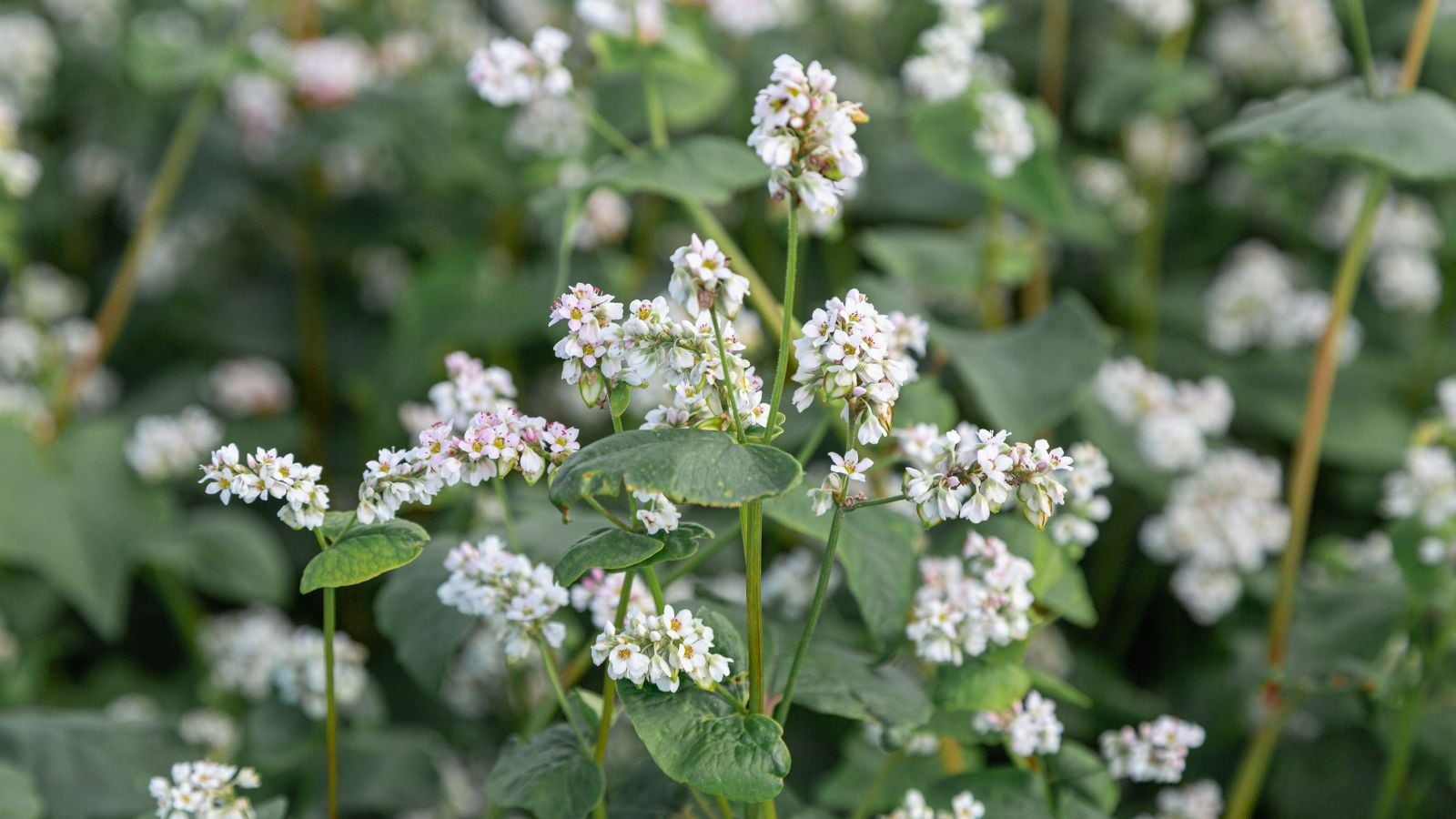

If you’ve spent months building healthy soil in your raised beds, the last thing you want is winter weather destroying all that work. Bare soil erodes, compacts, leaches nutrients, and becomes a welcome mat for weeds. Cover crops solve this problem by protecting your beds while actively improving soil health during the dormant season. By spring, you’ll have richer, more resilient soil without buying expensive amendments.
Understanding Cover Crops and Their Soil Benefits
Cover crops are non-harvested plants grown specifically to benefit soil. They work through multiple mechanisms that compound over time, making them one of the most cost-effective soil investments a gardener can make.
Key Concepts
- Nitrogen-fixing crops (legumes like clover, vetch, and peas) form symbiotic relationships with soil bacteria that convert atmospheric nitrogen into plant-available forms, enriching your bed naturally
- Biomass-building crops (grasses like rye and oats) generate substantial organic matter that increases soil structure and water-holding capacity when tilled in
- Root systems that penetrate compacted layers, breaking up hardpan and creating pore space for drainage and aeration without any machinery
- Weed suppression from dense cover crop growth that crowds out opportunistic winter weeds, reducing spring weeding labor
Principles
Choose Your Crop Type Based on Your Goal
Legumes like clover and vetch excel at adding nitrogen and work best if your soil is nitrogen-poor. Grasses like winter rye build biomass and improve structure, making them ideal for sandy or compacted beds. Many gardeners blend both types for maximum benefit. Consider your climate zone and whether you need frost-hardy varieties for harsh winters.
Plant at the Right Timing Window
Timing is critical and depends on your hardiness zone. In most regions, sow cover crops 6-8 weeks before your first hard frost to allow establishment. The crop needs enough time to develop root systems and foliage before winter dormancy. Too late, and plants won’t survive; too early in hot climates, and they’ll bolt or decline.
Prepare Your Bed Minimally
Unlike vegetable planting, cover crop beds don’t need extensive preparation. Simply remove existing plant debris, loosen the surface with a rake or cultivator, and scatter seed directly. Light contact with soil is all that’s needed for germination. Water gently to ensure seed-to-soil contact without washing seeds away.
Understand Winter Dormancy and Spring Activity
Once cold arrives, most cover crops slow dramatically or go dormant. This is normal and protective. Roots continue working below the surface. In spring, as soil warms, regrowth accelerates. This is when you decide whether to let crops flower for maximum biomass or till them in earlier for faster decomposition.
Time Your Incorporation Correctly
Incorporate cover crops 2-3 weeks before spring planting to allow decomposition. You can cut crops at soil level with a scythe or dig them in with a spade or tiller. Fresher material decomposes faster if chopped fine. Waiting a few weeks prevents nutrient lock-up from active decomposition and allows beneficial organisms time to process the biomass.
Measure Soil Improvement Through Observation
Post-incorporation, monitor changes in soil texture, drainage, and structure. Good cover cropping visibly improves crumb structure, makes digging easier, and increases water retention. You should notice fewer compacted spots and better root penetration for subsequent crops. These changes compound across seasons.
- Blend two cover crops in a single bed for complementary benefits: pair a legume with a grass to get both nitrogen and biomass building
- Sow cover crop seeds densely (thicker than vegetable seed) to ensure rapid canopy closure that shades out competing weeds
- Leave mature cover crops standing through late winter to protect soil and provide habitat for overwintering beneficial insects
What to Look For in Cover Crop Seeds and Equipment
- Seed Variety Hardiness Rating: Confirm the cover crop variety is rated for your USDA hardiness zone. Winter rye tolerates zone 3, while hairy vetch may need zone 5+. Mismatched varieties won’t establish or will die prematurely.
- Seed Purity and Germination Rate: Purchase seeds from reputable sources with listed germination percentages (aim for 80%+ on the label). Older or improperly stored seed germinates poorly, wasting effort and money.
- Seeding Rate per Square Foot: Different crops have different density requirements. Rye needs about 1 ounce per 100 square feet, while clover needs far less. Accurate measurement prevents wasteful oversowing or thin coverage.
- Tool Ergonomics for Incorporation: If tilling by hand, choose tools with balanced weight distribution and handles sized for your frame. Poor ergonomics cause fatigue and injury during the heavy work of soil incorporation.
Johnny’s Selected Seeds Winter Rye Cover Crop Seed
Best for: Gardeners prioritizing biomass and soil structure improvement
Winter rye is the workhorse cover crop for raised beds, producing massive amounts of biomass and deep roots that break compaction. Johnny’s offers high-germination rye seed specifically bred for northern climates, with detailed sowing instructions. One pound covers approximately 1,000 square feet, making it economical for large-scale bed coverage. Germinates in cool weather and produces visible growth by spring.
Check Current Price on Amazon →Burpee Cover Crop Clover Mix Seed
Best for: Budget-conscious gardeners and nitrogen supplementation needs
Burpee’s legume blend combines white clover, red clover, and alfalfa for nitrogen fixation at a lower price point than specialty blends. This mix works well in moderate climates and establishes quickly from seed. The blend’s diversity provides insurance if one variety doesn’t thrive in your specific conditions. Excellent starter option for first-time cover crop users exploring the practice.
Check Current Price on Amazon →Seed Savers Exchange Hairy Vetch Cover Crop Seed
Best for: Gardeners new to cover cropping wanting reliable nitrogen fixation
Hairy vetch is forgiving, cold-hardy, and exceptional at nitrogen fixation, making it ideal for beginners. It establishes easily from direct seeding and produces attractive purple flowers that pollinators love. The seed is affordable and requires minimal preparation. Seed Savers Exchange provides non-GMO seed with excellent germination rates and clear growing instructions for raised bed applications.
Check Current Price on Amazon →Harris Seeds Winter Cereal Rye Blend Premium Grade
Best for: Experienced gardeners seeking maximum biomass and premium quality
Harris Seeds’ premium-grade winter rye contains higher seed purity and germination rates than standard offerings, ensuring consistent thick coverage. This variety produces denser root systems and more foliage than commodity-grade rye. Premium pricing reflects superior seed viability and breeding selection. Best for gardeners investing in long-term soil building and willing to invest in quality genetics.
Check Current Price on Amazon →How do I know if my cover crop is actually working?
Observe changes in spring soil quality: improved crumb structure, easier digging, darker color from organic matter, and better water retention are all signs. You can also submit soil samples to your local extension for nitrogen testing before and after cover cropping to quantify improvements.
Can I use cover crops in containers or only raised beds?
Cover crops work in containers, though the limited volume reduces total biomass buildup. Use lighter seeding rates and smaller-growing varieties. Containers benefit more from the pest suppression and erosion prevention than from massive soil enrichment.
As an Amazon Associate, Build & Bloom earns from qualifying purchases. We only recommend products we genuinely think are useful. Prices and availability vary; check Amazon for the latest.
Leave a Reply