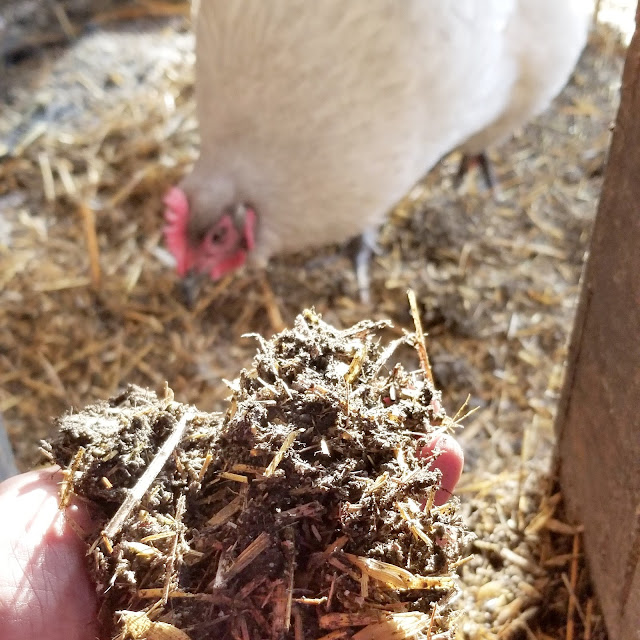

Winter chicken keeping doesn’t require expensive heating systems that spike your electric bills or stress your flock. The deep litter method is a time-tested, natural approach that transforms your coop into a self-heating environment using decomposition. By layering the right bedding materials and maintaining them properly, you’ll create a warm microclimate that keeps your birds comfortable even in harsh weather—while actually making coop cleanup easier come spring.
How to Set Up the Deep Litter Method in Your Coop
The deep litter method works by allowing bedding materials to decompose over time, generating heat naturally. Here’s how to establish and maintain this system for maximum winter warmth.
What You Will Need
- Bedding materials: a mix of pine shavings, straw, and leaves (8-12 inches deep initially)
- A bedding fork or garden fork for turning
- Moisture-absorbing supplements like diatomaceous earth (food-grade)
- A thermometer to monitor coop temperature
- Rubber gloves for handling bedding
- Adequate ventilation system to prevent ammonia buildup
Steps
Clean Out the Coop Completely
Remove all old bedding and manure from the floor. Sweep thoroughly and inspect for any wet spots or mold. A completely clean starting surface ensures your deep litter system begins fresh and prevents old moisture from compromising your new layers.
Layer Your Base Materials
Spread 4-6 inches of coarse bedding material evenly across the coop floor. Use a combination of pine shavings and straw, avoiding cedar which is toxic to chickens. This initial layer provides the foundation for decomposition and heat generation.
Add a Second Layer of Finer Material
Top your base layer with 4-6 inches of finer bedding material like leaves, hay, or additional pine shavings. This layer absorbs moisture and chicken droppings while creating ideal conditions for microbial activity that generates heat.
Dust with Diatomaceous Earth
Sprinkle food-grade diatomaceous earth throughout the layers at a rate of about 1 part DE to 10 parts bedding. This helps control parasites and moisture while supporting the decomposition process without harming your birds.
Monitor and Turn Weekly
Once weekly, use a garden fork to turn the bedding from the edges toward the center, mixing in fresh droppings. You should feel warmth rising from the material—this indicates active decomposition. Turning prevents compaction and maintains aerobic conditions.
Add Fresh Bedding Monthly
As the original material compresses and decomposes, add new bedding material on top. This maintains your 8-12 inch depth and continues the heating cycle. The old material beneath continues to break down and generate heat.
Control Moisture Carefully
Ensure your coop has proper ventilation at the top to release excess moisture without creating drafts at bird level. If bedding becomes wet or smells strongly of ammonia, turn it more frequently or add extra diatomaceous earth to absorb moisture.
Clean Out Completely in Spring
In late winter or early spring, remove all the composted bedding material. You’ll have rich, dark compost perfect for gardens and fresh bedding to start the cycle again. This annual complete cleanout maintains coop hygiene.
- The deep litter method works best with adequate ventilation but NO drafts at roost level—install vents high on the coop walls to allow moisture escape while keeping wind away from sleeping birds
- Monitor internal coop temperature with a thermometer; properly maintained deep litter typically maintains 10-15 degrees warmer than outside air temperature
- Layer different bedding materials rather than using one type exclusively—the variety creates better decomposition and moisture management
What to Look For in Deep Litter Coop Equipment
- Bedding Fork Design: Look for a fork with widely-spaced tines designed to move bulk material easily without requiring excessive force. Curved or angled tines help pull bedding from edges more efficiently than straight designs.
- Bedding Material Quality: Choose kiln-dried pine shavings to avoid moisture and mold issues. Avoid cedar and treated wood products which are toxic to chickens. Bulk or compressed options save money if you manage storage properly.
- Diatomaceous Earth Type: Always select food-grade DE, never pool-grade which contains harmful chemicals. Ensure it comes in a container that allows easy, dust-controlled application to minimize inhalation exposure.
- Thermometer Durability: Select a thermometer that’s impact-resistant and reads clearly in low light conditions. Digital models with remote probes let you check temperature without opening the coop and releasing warm air.
Bedding Fork with Long Handle
Best for: Anyone implementing deep litter method
A quality bedding fork is the essential tool for turning deep litter effectively. Look for models with 4-5 widely-spaced steel tines and a comfortable handle that allows you to reach into corners and turn material without excessive strain. A good fork makes weekly maintenance manageable and encourages consistent care that maximizes heat generation.
Check Current Price on Amazon →Kiln-Dried Pine Shavings (Compressed Bales)
Best for: First-time deep litter users
Compressed pine shavings offer an economical way to get started with sufficient bedding. Kiln-drying eliminates moisture and mold concerns while compression means you get more material in less space. Each bale expands when fluffed, providing enough coverage for 3-4 applications across a standard coop.
Check Current Price on Amazon →Food-Grade Diatomaceous Earth (5 lb Bag)
Best for: Budget-conscious chicken keepers
A 5-pound bag of food-grade diatomaceous earth lasts an entire season for most small to medium coops. This quantity provides dust control, parasite management, and moisture absorption without overspending. Food-grade formulation ensures safety for your birds and edible eggs.
Check Current Price on Amazon →Digital Coop Thermometer with Wireless Probe
Best for: Monitoring coop temperature consistently
A wireless digital thermometer lets you check coop temperature from outside without opening the door. Proper temperature monitoring ensures your deep litter is decomposing effectively and generating adequate heat. Models with min/max memory help you track temperature fluctuations throughout the night.
Check Current Price on Amazon →Final Recommendation
The deep litter method is one of the most effective and economical approaches to winter chicken keeping, combining natural heat generation with reduced labor and improved composting. By starting with quality bedding materials, turning weekly, and monitoring moisture and temperature, you’ll create an environment where your chickens thrive even without supplemental heating. The key is consistency—weekly turning and monthly fresh bedding additions make the difference between a cold, smelly coop and a naturally warm, manageable space.
Begin with the essentials: a good bedding fork, quality kiln-dried pine shavings, and food-grade diatomaceous earth. Add a thermometer to track your success, and ensure your coop has proper ventilation to release excess moisture. By spring, you’ll have valuable finished compost for your garden and the satisfaction of having heated your coop naturally all winter long. Your chickens will reward you with consistent egg production despite the cold.
Frequently Asked Questions
How warm does the coop actually get with the deep litter method?
A properly maintained deep litter system typically maintains internal coop temperatures 10-15 degrees Fahrenheit warmer than outside ambient temperature. In a 20-degree outside environment, your coop might reach 30-35 degrees—not toasty, but sufficient for cold-hardy chicken breeds to survive without supplemental heat. Temperature depends on coop insulation, ventilation, and how actively you maintain the litter.
Can I use the deep litter method in a portable chicken coop?
Yes, but with limitations. Portable coops have less mass and insulation than fixed structures, so temperature benefits are reduced. The method still works for moisture management and reduces cleaning frequency. Ensure adequate drainage under the coop and inspect the floor regularly for rot, as portable structures don’t have concrete pads that fixed coops might use.
What bedding materials should I absolutely avoid?
Never use cedar or redwood shavings—both contain toxic oils harmful to chickens’ respiratory systems. Avoid treated lumber products, glossy paper, or bedding with dyes. Don’t use sawdust alone as it compacts too densely. Freshly cut green wood also contains volatile compounds that are problematic in enclosed spaces.
How often should I completely clean out the coop if I’m using deep litter?
With the deep litter method, you typically do one complete cleanout annually in spring. However, if you notice ammonia odor, excessive wetness, or pest problems during winter, spot-clean or do a partial cleanout. Some keepers prefer monthly complete cleanouts for maximum hygiene; this defeats some efficiency benefits but suits higher-density setups.
Will the deep litter method work in a coop with a dirt floor?
Yes, dirt floors actually work well with deep litter since they provide natural drainage. However, ensure the ground doesn’t become waterlogged during wet weather, as this prevents proper decomposition. Consider adding a layer of sand or gravel directly on soil before starting your bedding layers to improve drainage and prevent ground moisture from wicking upward.
As an Amazon Associate, Build & Bloom earns from qualifying purchases. We only recommend products we genuinely think are useful. Prices and availability vary; check Amazon for the latest.
Leave a Reply