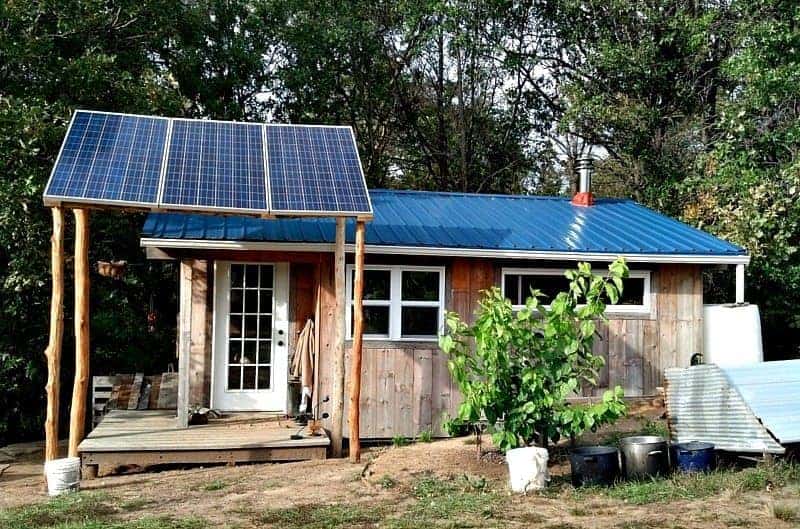

The fantasy of off-grid living is seductive: freedom from utility bills, independence from the grid, and a simpler life closer to nature. But the reality is far more complex. Before you sell your suburban house and invest tens of thousands in solar panels and well systems, you need to understand the genuine challenges, costs, and daily realities of living completely off-grid. This guide walks you through the essential factors that separate successful homesteaders from those who regret their decision.
8 Critical Factors for Off-Grid Living Success
Off-grid living encompasses multiple interconnected systems. Understanding each one helps you make an informed decision about whether this lifestyle suits your goals and capabilities.
Key Concepts
- Water sourcing and storage systems — wells, rainwater collection, springs, or surface water with treatment capability
- Energy generation and storage — solar panels, wind turbines, or micro-hydro systems paired with battery banks
- Waste management infrastructure — composting toilets, greywater systems, and septic solutions
- Food production capacity — land size, soil quality, growing season length, and preservation skills
- Backup systems and redundancy — secondary power sources, water reserves, and emergency supplies
- Local regulations and permits — zoning restrictions, building codes, and utility disconnection requirements
Principles
Assess Your Water Resources Thoroughly
Water is your first priority. Test existing water sources for flow rate, seasonal variations, and contamination. Calculate household needs: average family uses 80-100 gallons daily. If relying on rainwater, determine your roof collection area and storage capacity (1 inch of rain on 1,000 sq ft roof yields 600 gallons). Spring-fed or well water requires professional testing and may need treatment systems like filtration or UV sterilization. Inadequate water systems force you back to grid dependence faster than any other factor.
Calculate Your Energy Generation Realistically
Document your actual power consumption before designing an off-grid system. Most homes need 5-15 kilowatts daily depending on appliances and climate. Solar output varies dramatically by location, season, and weather patterns. Battery storage is expensive (often $10,000-30,000) and degrades over time. Plan for 3-5 days of battery autonomy to survive cloudy periods. Many off-gridders overestimate generation capacity and underestimate costs, leading to frustration and failed systems.
Plan Waste Management Before You Move
Off-grid properties cannot rely on municipal sewage. Septic systems require proper soil conditions, permitting, and $4,000-10,000 installation. Composting toilets need maintenance discipline and suitable climate conditions. Greywater systems reduce septic load but add complexity. Garbage removal still requires hauling to a landfill or recycling center (no curbside pickup). Many people underestimate the daily reality of managing all household waste on their own.
Evaluate Food Production Capacity and Skills
True off-grid living often includes food self-sufficiency, but this requires genuine horticultural knowledge and significant time investment. Assess your growing season length, soil quality, and pest pressure. Preserving food through canning, fermenting, freezing, or root cellaring demands specific skills. Most people cannot produce 100% of their calories on small homestead plots. Realistic planning includes a mix of home production, preserved stores, and supplemental purchasing from local sources.
Research Location-Specific Regulations and Restrictions
Zoning laws, building codes, and utility disconnection rules vary dramatically by county and state. Some areas prohibit septic systems, limit chicken flocks, restrict rainwater collection, or require grid connection. Property covenants may prohibit visible solar arrays. Research permit requirements, inspection processes, and whether your county allows intentional off-grid living. Discovery of restrictions after purchase creates legal and financial headaches.
Build Redundancy into Critical Systems
Single points of failure are dangerous. If your only water source is a broken pump with no backup storage, you have an emergency. If your sole power comes from solar panels with dead batteries, you’re in the dark. Design secondary systems for water treatment, power generation, and food storage. Redundancy costs more upfront but prevents crisis situations that force expensive professional help or grid reconnection.
Budget Realistically for Initial and Ongoing Costs
Off-grid infrastructure is expensive. Solar systems cost $15,000-40,000+. Well drilling runs $3,000-15,000. Septic installation is $4,000-10,000. Battery storage adds another $10,000-30,000. Total costs typically range $50,000-150,000 before you own the land or build a house. Factor in annual maintenance, replacement parts, professional service calls, and the reality that some systems fail. Many projects that seem affordable as spreadsheets become financially unsustainable in practice.
Honestly Assess Your Skill Level and Learning Curve
Off-grid living requires competence across water systems, electrical work, plumbing, carpentry, gardening, and equipment maintenance. You will troubleshoot problems yourself because professional help is distant and expensive. Successful off-gridders spend months or years learning before fully disconnecting. Consider starting with grid connection while building skills, or renting an off-grid property first to test your comfort level. Overestimating your abilities creates stress, safety risks, and expensive mistakes.
- Visit established off-grid properties and interview residents about their real expenses, frustrations, and what they wish they’d known before starting.
- Test your off-grid lifestyle incrementally: install rainwater systems while grid-connected, practice food preservation before relying on it, and upgrade power systems gradually.
- Join local homesteading groups and online off-grid communities to learn region-specific solutions, supplier recommendations, and common pitfalls in your climate.
Essential Off-Grid Equipment Categories
- Solar Panel Systems and Inverters: The foundation of off-grid power. Quality matters significantly because system failures leave you without electricity. Look for monocrystalline panels with 20%+ efficiency ratings and reputable inverters that handle voltage conversion reliably.
- Battery Storage Solutions: Stores energy for nighttime and cloudy days. Lithium options offer better longevity and efficiency than lead-acid, though higher cost. Capacity needs depend on your daily consumption and desired autonomy days.
- Water Testing and Treatment Equipment: Ensures your water is safe before systems fail. Include testing kits for bacterial contamination, filtration systems, and backup UV or boiling capacity. Regular testing prevents health emergencies.
- Backup Power and Fuel Storage: Generators and propane systems provide insurance during extended system failures. Sized appropriately and maintained regularly, backup power prevents dangerous situations when primary systems underperform.
Renogy 400W Solar Panel Kit with 100A MPPT Controller
Best for: Off-grid newcomers building foundational power systems
Complete solar foundation combining four 100W monocrystalline panels with Renogy’s proven 100A MPPT charge controller. Includes wiring, breakers, and mounting hardware. MPPT technology maximizes power extraction from panels in varying light conditions. Input voltage handles 12V or 24V systems. Renogy’s customer support and documentation make this ideal for learning the fundamentals before scaling up. Approximately 400W peak output suits cottage living, cabin backup, or initial homestead electrification. Thousands of off-gridders start here.
Check Current Price on Amazon →LiFePO4 200Ah 24V Battery Bank (5.12kWh) with Built-in BMS
Best for: First-time off-gridders needing reliable energy storage
Lithium iron phosphate chemistry offers 6,000+ cycle lifespan and handles partial discharge better than lead-acid alternatives. 5.12 kilowatt-hour capacity covers 1-2 days of typical off-grid household consumption. Integrated battery management system provides overcharge and short-circuit protection. Weighs significantly less than equivalent lead-acid, simplifying installation. Built-in monitoring shows real-time state of charge. More expensive than lead-acid but eliminates maintenance and lasts 10+ years versus 5-7 years for traditional batteries.
Check Current Price on Amazon →Victron SmartSolar 75/15 MPPT Charge Controller
Best for: Cost-conscious off-gridders with smaller systems
Compact 15-amp MPPT controller from Victron’s trusted SmartSolar line. Manages up to 75V input from solar arrays charging 12V or 24V batteries. Bluetooth monitoring via smartphone app tracks daily generation and battery status. Professional-grade reliability at mid-range price point. Manual and automatic settings handle diverse panel configurations. Smaller than 100A versions but still provides 90%+ efficiency in converting panel output to usable battery charging current.
Check Current Price on Amazon →Kohler 7500W Propane Backup Generator with Automatic Transfer
Best for: Off-gridders needing reliable emergency power
Seven-kilowatt propane generator bridges gap when solar and battery systems underperform during extended cloud cover or high consumption periods. Propane fuel stores indefinitely without degradation, unlike gasoline. Automatic transfer switch activates generator when battery voltage drops below setpoint, requiring minimal human intervention during emergencies. Kohler engines are commercial-grade and designed for frequent starts. Quieter than portable gasoline models. Essential insurance for off-grid properties where power loss creates genuine hardship.
Check Current Price on Amazon →The Decision Point
Off-grid living is achievable and rewarding for people who enter it with realistic expectations, adequate budget, and genuine commitment to managing complex systems. The lifestyle offers genuine freedom, reduced utility costs over decades, and deep connection to resource management. However, it is not romantic or simple. It requires continuous learning, regular maintenance, troubleshooting skills, and acceptance that professional help is distant and expensive. Most failures happen when people underestimate costs, overestimate their skills, or discover they value convenience more than independence.
Before you commit: spend months researching your specific region’s regulations, visit established off-grid properties and honestly discuss their expenses and frustrations, calculate realistic system sizes based on your actual consumption patterns, and consider a 6-month test period on a rental property. The difference between an off-grid system that enhances your life and one that becomes a financial anchor is often determined by thoroughness of planning before you disconnect. If after honest assessment you still believe off-grid living aligns with your values and capabilities, you will likely become one of the many satisfied homesteaders who never look back.
Frequently Asked Questions
How much does it actually cost to go off-grid?
Budget $50,000-150,000+ for complete off-grid conversion depending on property size, climate, and system quality. Solar systems run $15,000-40,000, water systems $8,000-20,000, battery storage $10,000-30,000, and waste systems $5,000-15,000. Land and construction costs are separate. Many people underestimate by 30-50% because they overlook redundancy, professional installation, permits, and grid disconnection fees.
Can I go off-grid part-time to test it before fully committing?
Yes, this is advisable. Rent an off-grid property for 3-6 months, install experimental systems on a grid-connected home first, or volunteer on established homesteads to experience daily realities. Testing reveals whether you enjoy the lifestyle before investing six figures. Many people discover they value reliability and convenience more than off-grid independence.
What happens to off-grid systems during emergencies like hurricanes or ice storms?
Off-grid systems are vulnerable during extended severe weather. Heavy snow blocks solar panels, ice damages water collection systems, and batteries discharge under continuous loads. Backup generators help but require fuel. Established off-gridders prepare with extra water storage, emergency food, medical supply backups, and plan for several weeks of minimal power. Geographic location matters greatly; hurricane zones and extreme winter climates pose unique challenges.
Do I need professional help installing solar panels and batteries?
Professional installation costs $3,000-8,000 but ensures safety, proper sizing, and electrical code compliance. DIY installation saves money but risks inefficient systems, fire hazards, and voided warranties. Most off-gridders recommend professional system design and installation, then learning maintenance yourself. Incorrect battery wiring or solar configuration creates fire risks and equipment damage.
How do off-gridders handle property resale when potential buyers expect grid connection?
Off-grid properties are harder to sell and typically command lower prices than grid-connected homes in the same area. Buyers worry about system reliability, resale difficulty, and ongoing maintenance responsibility. Some properties can reconnect to the grid if infrastructure exists nearby, recovering value. Research comparable sales in your target area; off-grid properties sometimes sit on market for 1-2 years versus weeks for conventional homes.
As an Amazon Associate, Build & Bloom earns from qualifying purchases. We only recommend products we genuinely think are useful. Prices and availability vary; check Amazon for the latest.
Leave a Reply