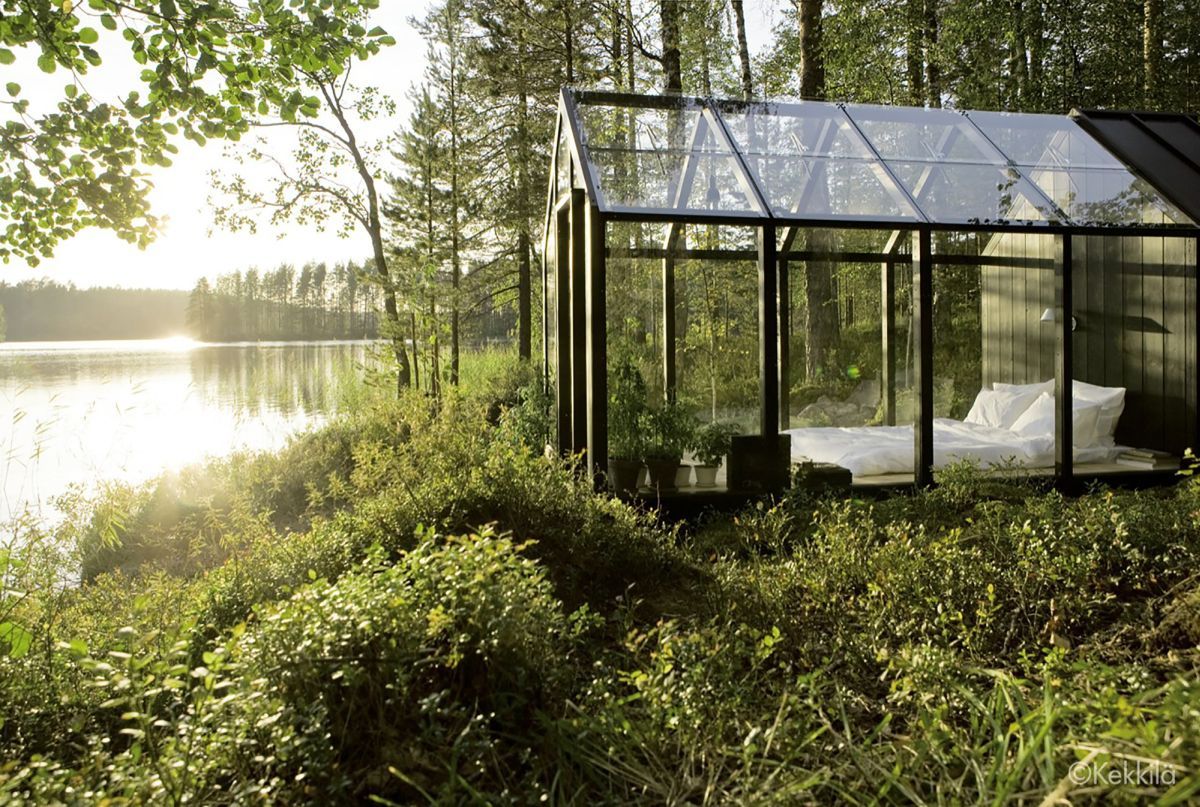

If you’re dreaming of leaving the grid but unsure which housing style fits your homestead goals, you’re facing a real choice: do you go modern and sleek, or embrace natural, earth-integrated designs? The off-grid housing market in 2026 is exploding with options that deliver both sustainability and livability. We’ll break down the five trending styles so you can understand which approach aligns with your land, climate, and vision.
Understanding Off-Grid Housing Design Principles
Eco-friendly off-grid homes share core design principles focused on energy independence, thermal efficiency, and minimal resource consumption. Here are the key concepts shaping 2026 off-grid housing trends.
Key Design Principles
- Passive solar orientation – positioning structures to maximize winter heat gain and summer shading without mechanical systems
- Thermal mass integration – using materials like concrete, earth, or stone to store and regulate temperature naturally
- Water independence systems – rainwater harvesting, greywater recycling, and composting toilets designed into the floor plan
- Renewable energy readiness – roof pitch, orientation, and space allocated for solar panels or wind turbines from initial design
- Insulation-first approach – prioritizing envelope performance to minimize heating and cooling needs
Principles
1. Assess Your Climate Zone and Solar Potential
Determine your location’s seasonal sun angle, prevailing winds, and temperature extremes. This data drives every design decision. Sites with 4+ peak sun hours daily are ideal for solar-dependent homes. Use online solar maps and wind resources to guide your site placement and building orientation before committing to a design style.
2. Choose Between Passive Solar or Active Technology-Reliant Design
Passive designs (like earth-sheltered or dome homes) rely on thermal mass and insulation to maintain comfort. Active designs (like modern modular homes) depend on battery banks and solar arrays. Passive approaches have lower upfront costs but less flexibility; active systems offer control but require larger renewable installations. Match your choice to your budget and maintenance tolerance.
3. Evaluate Foundation and Earth Integration Options
Earth-sheltered and dome homes use the ground itself as insulation, reducing heating needs by 40-50%. Standard above-ground structures need superior insulation instead. Consider soil type, drainage, and permitting—earth-sheltered homes require professional grading and waterproofing but deliver unmatched thermal stability year-round.
4. Plan Water and Waste Systems Into the Layout
Off-grid viability depends on water independence. Design roof pitch and gutter systems to capture rainwater; plan tank placement near the home. Integrate greywater systems for irrigation and composting toilet placement away from living spaces. These systems must work with gravity when possible to avoid pumping costs.
5. Size Your Renewable Energy Needs Based on Design Efficiency
A well-insulated passive home might need 4-6 kW solar capacity; a poorly insulated structure might need 12+ kW. Calculate annual energy demand, then size batteries and generation to cover your worst seasonal month. More efficient designs mean smaller (cheaper) renewable systems and faster payback.
6. Balance Aesthetic Preferences With Functional Constraints
Trendy dome or shipping container homes may sacrifice interior space and window placement for visual appeal. Prioritize south-facing windows in cold climates, cross-ventilation in hot ones, and adequate headroom. Your design style should serve your climate, not fight it.
- Work with a designer experienced in passive house principles or off-grid systems—mistakes in orientation or insulation are expensive to fix after construction begins
- Visit existing off-grid homes in your climate zone to see real-world performance; what works in Arizona fails in Vermont
- Budget 25-35% of construction costs for renewable energy and water systems, not as an afterthought; integrated design saves 10-15% overall
What to Look For in Off-Grid Building Systems and Materials
- Insulation R-Value and Material Type: Off-grid homes need R-40+ walls and R-60+ roofs to minimize heating/cooling loads. Cellulose, spray foam, and mineral wool each have tradeoffs in cost, vapor permeability, and environmental impact. Choose based on your climate’s humidity patterns and vapor pressure.
- Solar Panel Efficiency and Durability Rating: Modern panels operate at 19-22% efficiency with 25-30 year warranties. Look for monocrystalline panels for compact roofs; polycrystalline for larger installations. Verify the inverter warranty matches panel life to avoid costly replacements mid-system.
- Water Storage Tank Material and Capacity: Food-grade polyethylene, reinforced concrete, and stainless steel each serve different climates. Capacity should cover 1-2 months of dry season demand based on your household size and rainfall patterns. Underground tanks reduce freeze risk in cold climates.
- Battery System Chemistry and Scalability: Lithium (LiFePO4) offers 10+ year lifespans but higher upfront cost; lead-acid is cheaper but needs replacement every 5-7 years. Choose a system sized for 2-3 days autonomy to avoid constant cycling. Verify the system allows future expansion as your needs grow.
Renogy 400W Solar Panel Kit with Lithium Battery
Best for: First-time off-grid builders seeking integrated renewable energy
This complete solar kit bundles monocrystalline panels with a 5kWh lithium battery bank, charge controller, and inverter. Designed for modular expansion, it delivers 1.6 kWh daily in ideal conditions with 25-year panel warranty and 10-year battery protection. Includes detailed monitoring via app, making it ideal for owners wanting real-time energy tracking. Installation requires basic electrical knowledge but includes comprehensive documentation.
Check Current Price on Amazon →Richsolar 200W Portable Solar Panel with PWM Controller
Best for: Budget-conscious off-gridders starting small or testing systems
A lightweight, modular solar solution offering 200W output with a PWM charge controller suitable for RVs and small cabins. At under $300, it’s the lowest-cost entry point for renewable energy. Foldable design enables repositioning for seasonal sun angle optimization. Not suitable for full home power but excellent for powering well pumps, lighting, and small appliances while you scale toward a larger system.
Check Current Price on Amazon →Battle Born LiFePO4 5kWh Battery Bank
Best for: Off-grid builders prioritizing long-term reliability and low maintenance
A modular, scalable lithium battery system offering 5kWh per unit with 10,000+ cycle life (15+ year lifespan). Includes integrated battery management system protecting against overcharge and deep discharge. Built-in cell balancing eliminates manual monitoring. American-made with excellent customer support and detailed sizing guides. More expensive upfront but becomes the cheapest per-cycle option over 20 years.
Check Current Price on Amazon →Tesla Powerwall 2 with Gateway Controller
Best for: Premium off-grid homes seeking intelligence and grid-ready design
A 13.5 kWh battery with integrated inverter, automatic backup switching, and Tesla app integration. Designed for seamless solar integration with predictive AI that learns consumption patterns. Enables future grid-connection if circumstances change. Premium pricing ($10,500+) justified by 10-year warranty, integrated hardware, and resale value in urbanizing areas. Overkill for minimal consumption but unmatched for homes scaling to permanent grid independence.
Check Current Price on Amazon →Finding Your Off-Grid Housing Style
The five trending off-grid styles of 2026—passive solar, domes, earth-sheltered, shipping container, and modular tiny homes—each excel in different climates and budgets. Your choice should prioritize your climate zone first, thermal efficiency second, and aesthetic preference third. A stunning design that fights your weather will drain your battery bank and budget year after year. Start by mapping your site’s solar potential, rainfall patterns, and seasonal temperature swings, then match a housing style that works WITH those conditions, not against them.
Whatever style you choose, invest heavily in insulation, passive solar orientation, and water independence systems during the design phase. These upfront choices multiply their value through 20+ years of reduced operating costs and system simplicity. Off-grid living in 2026 is no longer a fringe experiment—it’s a viable, economically sound option for anyone willing to design thoughtfully. Your renewable energy and water systems are the foundation; your housing style is the expression.
Frequently Asked Questions
What’s the most affordable off-grid housing style for 2026?
Shipping container homes and modular tiny homes offer the lowest construction costs ($75-150/sqft), though they require skilled builders and may need reinforced insulation. Earth-sheltered domes cost slightly more upfront but reduce heating/cooling expenses 40-50% over 20 years, offsetting initial savings. Total cost depends on land preparation and renewable energy system size, not just structure.
Can I retrofit an existing home to go off-grid instead of building new?
Yes, but it’s often less efficient than new construction. You’ll add solar panels, batteries, and water systems to an existing insulation envelope, requiring larger (more expensive) renewable installations. Budget 2-3x more than integrating systems into new design. Retrofitting works best on well-insulated homes built after 2005 with south-facing roof space.
How much land do I need for a viable off-grid homestead?
A home with integrated solar and water systems needs minimal land (0.25-1 acre works). However, true homesteading with food production, animal grazing, and septic systems requires 5-20 acres depending on goals and local regulations. More land provides buffer for water storage, waste systems, and future expansion.
What’s the average cost and payback period for off-grid installation?
New construction with integrated systems runs $250,000-500,000 depending on style and location; retrofit adds $40,000-80,000. Payback occurs over 15-25 years through avoided utility bills (typically $100-200/month savings), plus property value appreciation in rural markets. Energy independence itself has intangible value for many buyers.
Do off-grid homes work in cloudy or cold climates like the Pacific Northwest?
Yes, but with larger solar arrays and battery banks to handle longer cloudy periods. Passive solar design and earth-sheltered homes excel in cold climates, reducing heating demand 40-60%. Expect to oversize systems by 30-50% compared to sunny regions. Backup generators bridge seasonal gaps cost-effectively.
As an Amazon Associate, Build & Bloom earns from qualifying purchases. We only recommend products we genuinely think are useful. Prices and availability vary; check Amazon for the latest.
Leave a Reply