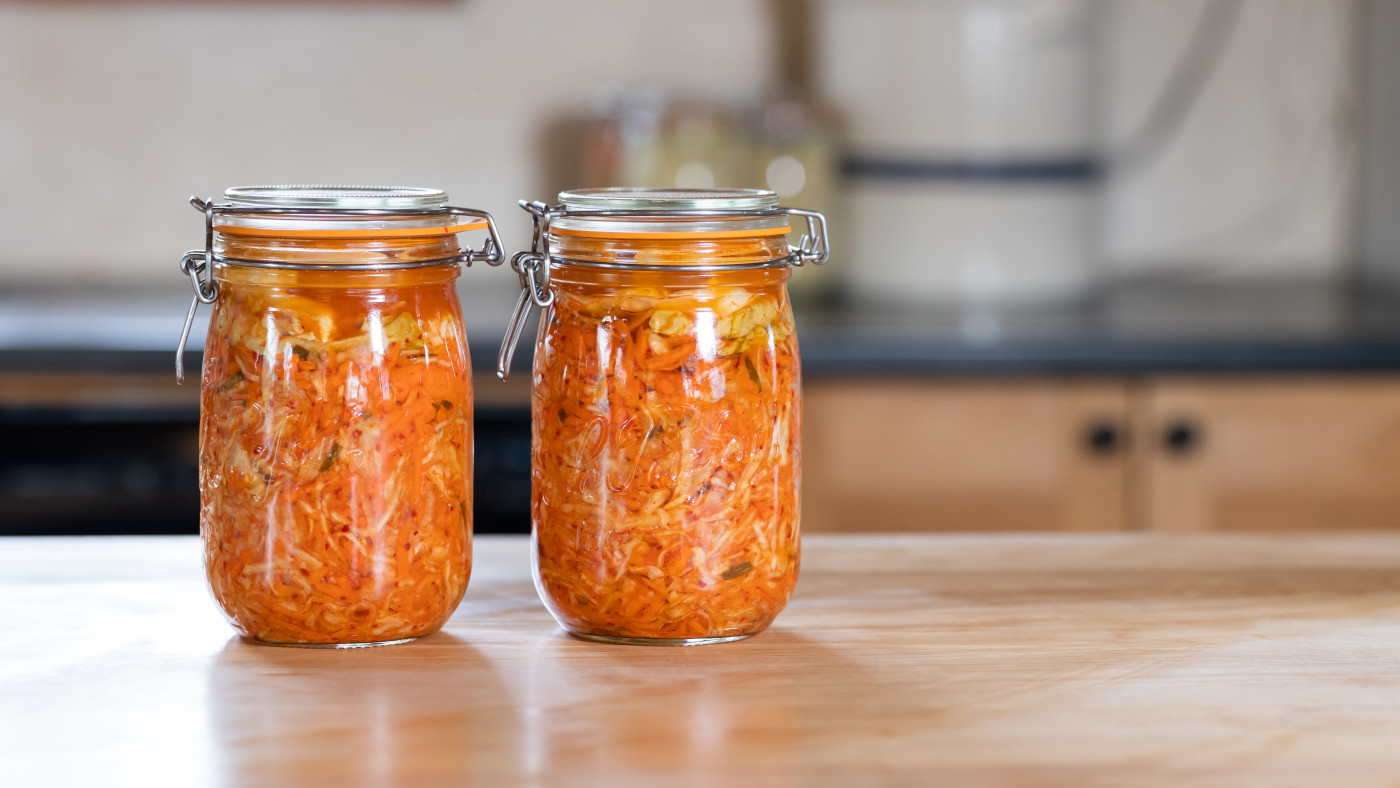

Kimchi has become a kitchen staple for anyone interested in gut health and bold flavors, but many home fermenters feel intimidated by the ingredient list or assume they need hard-to-find napa cabbage. The truth is simpler: green cabbage from your local grocery store works beautifully and creates a tangy, spicy condiment that’s ready in less than a week. This guide walks you through every step to create restaurant-quality kimchi in your own kitchen.
How to Make Green Cabbage Kimchi
Green cabbage ferments quickly and develops a complex flavor profile that rivals traditional napa-based versions. This method requires minimal equipment and yields a batch that keeps for months.
Ingredients
- 1 medium head green cabbage (about 2 pounds), cored and shredded into 1-inch pieces
- 3-4 tablespoons sea salt, divided
- 4-5 cloves fresh garlic, minced
- 1 tablespoon fresh ginger, minced or grated
- 2-3 tablespoons gochugaru (Korean red chili flakes) or crushed red pepper to taste
- 1 tablespoon fish sauce or soy sauce for umami depth
Method
Salt and massage the cabbage
Place shredded cabbage in a large, clean mixing bowl. Sprinkle with 2 tablespoons of salt and massage vigorously with your hands for 5-8 minutes until the cabbage releases its liquid. You should see pooling brine at the bottom of the bowl. This draws out natural juices that will become the fermentation medium.
Prepare the spice paste
In a small bowl, combine minced garlic, ginger, chili flakes, fish sauce, and remaining 1-2 tablespoons of salt. Mix into a smooth paste. The salt acts as a preservative while the aromatics create the signature kimchi flavor profile.
Combine cabbage and paste
Add the spice paste to the salted cabbage and mix thoroughly using clean hands, working the paste through every strand. The cabbage should glisten with brine and paste. This ensures even flavoring and consistent fermentation throughout the batch.
Pack into a fermentation vessel
Transfer the cabbage mixture into a clean glass jar, pressing it down firmly with your fist or a spoon. The brine should rise to cover all vegetables. Leave 1-2 inches of headspace to allow for gas expansion during fermentation. Press a small piece of cabbage leaf down on top to keep ingredients submerged.
Seal and set at room temperature
Cover the jar with a lid or cloth secured with a rubber band. Fermentation produces carbon dioxide, so loosen the lid daily to release pressure and check progress. Keep the jar away from direct sunlight at room temperature (65-75 degrees Fahrenheit is ideal).
Taste and adjust fermentation time
Begin tasting after 3 days. The kimchi should develop tanginess and complex flavor as beneficial bacteria consume the cabbage’s natural sugars. Continue fermenting for up to 7 days depending on your preference for sourness and texture. Once it reaches your desired taste, seal tightly and refrigerate to slow fermentation.
Store and serve
Refrigerated kimchi will continue to slowly ferment for months, deepening in flavor over time. Use as a condiment with rice, add to soups, layer into sandwiches, or enjoy straight from the jar as a probiotic-rich side dish.
- Keep all equipment spotlessly clean to prevent unwanted mold. Glass is ideal because you can see fermentation progress and it doesn’t absorb odors or flavors.
- If brine doesn’t fully cover vegetables by day two, dissolve a teaspoon of salt in water and add just enough to submerge everything. Exposed cabbage can develop surface mold.
- Temperature matters: cool conditions (around 65-68 F) produce better flavor complexity than warm kitchens. A basement corner or pantry often works better than a sunny counter.
What to Look For in Fermentation Equipment
- Glass jar capacity and design: Choose jars between 1-2 quart capacity with wide mouths for easy packing. Wide-mouth jars make it easier to pack cabbage tightly and remove finished kimchi. Avoid narrow-neck designs that trap vegetables and make cleaning difficult.
- Jar closure system: Look for jars with lids that allow gas release without full removal. Airlocks and cloth covers work better than sealed lids during fermentation. This prevents pressure buildup while keeping out unwanted contaminants.
- Weight or pressing tool: Fermentation weights keep vegetables submerged beneath brine, preventing mold growth. These can be ceramic discs, glass weights, or even a small jar filled with water placed inside your fermentation vessel.
- Temperature stability: Your fermentation space should maintain 60-75 degrees Fahrenheit consistently. A cool pantry or basement beats a warm kitchen counter. Some fermenters use temperature-controlled fermentation boxes or coolers for precise results.
Fido Glass Jar 2 Quart with Swing Top Lid
Best for: First-time fermenters seeking reliability
The Fido swing-top design allows daily pressure release without removing the entire lid, making it ideal for kimchi fermentation. The wide mouth accommodates generous cabbage pieces, and the durable glass construction won’t absorb odors or flavors. Two-quart capacity is perfect for a standard batch. The thick glass is dishwasher safe and lasts for years of repeated use.
Check Current Price on Amazon →Ball Wide Mouth Mason Jar 32 oz (Quart) with Lids
Best for: Budget-conscious home fermenters
Classic Ball mason jars are affordable, accessible at any grocery store, and work reliably for fermentation when you use them with breathable cloth covers. The wide mouth design makes packing and retrieving kimchi easy. You’ll need to loosen the metal lid daily or swap it for cloth, but the lower cost allows you to make multiple batches simultaneously.
Check Current Price on Amazon →Mortier Pilon Glass Fermentation Jar with Airlocks
Best for: Beginner fermenters wanting foolproof results
This innovative design includes built-in airlocks that prevent gas pressure buildup automatically while blocking external air. The two-piece glass lid system ensures consistent fermentation without daily maintenance. The wide mouth and ample two-liter capacity make it forgiving for first-time batch makers.
Check Current Price on Amazon →Le Parfait Terrines 2 Liter Jar with Lid
Best for: Fermenters valuing French design and durability
Le Parfait’s traditional French design combines aesthetic appeal with functional reliability. The two-liter capacity accommodates larger batches, and the glass is exceptionally thick for long-term durability. The rubber-sealed lid keeps vegetables protected when you’re ready to move fermented kimchi to cold storage.
Check Current Price on Amazon →Start Your Kimchi Journey Today
Green cabbage kimchi brings restaurant-quality fermented flavor into your home kitchen with just seven ingredients and a clean jar. The process is forgiving, the results are delicious, and you’ll join a global community of home fermenters who discover new flavor depths with each batch. Whether you’re seeking probiotic benefits, bold condiment options, or simply want to understand fermentation science firsthand, kimchi is the perfect starting point.
Your success begins with choosing the right fermentation vessel. The jars and equipment listed above have been selected by experienced fermenters and tested across hundreds of batches. Start with whichever container fits your budget and kitchen space, follow the method steps above, and taste your creation daily starting on day three. Within a week, you’ll have a condiment that transforms rice bowls, soups, and sandwiches. The investment in quality equipment pays dividends across years of fermentation projects.
Frequently Asked Questions
Can I use regular table salt instead of sea salt?
Sea salt is preferred because it contains no anti-caking agents or iodine that can cloud brine or interfere with fermentation. If you must use table salt, reduce the amount by 25 percent since it’s denser and more salty by volume.
What should I do if white mold appears on top?
White surface mold (kahm yeast) is harmless and common in fermentation. Simply skim it off with a clean spoon. However, pink, green, or fuzzy mold indicates contamination and the batch should be discarded. Prevention is better than treatment: keep vegetables submerged under brine at all times.
How long does homemade kimchi last in the refrigerator?
Properly fermented and sealed kimchi keeps for 4-6 months in the refrigerator, though it continues to slowly develop flavor. It’s safe to eat as long as there’s no visible mold or off-putting smell.
Can I reduce the sodium content?
Salt is essential for fermentation safety and flavor development, but you can reduce it by 20-30 percent if you’re salt-sensitive. Don’t reduce below 2 percent of cabbage weight (about 1 tablespoon per 2 pounds) or you risk spoilage.
Why does my kimchi smell strong and is that normal?
Pungent aroma is completely normal as beneficial bacteria create lactic acid. The smell intensifies during active fermentation and becomes more pleasant after a few days in cold storage. If the smell is putrid or rotten rather than tangy-spicy, discard the batch.
As an Amazon Associate, Build & Bloom earns from qualifying purchases. We only recommend products we genuinely think are useful. Prices and availability vary; check Amazon for the latest.
Leave a Reply