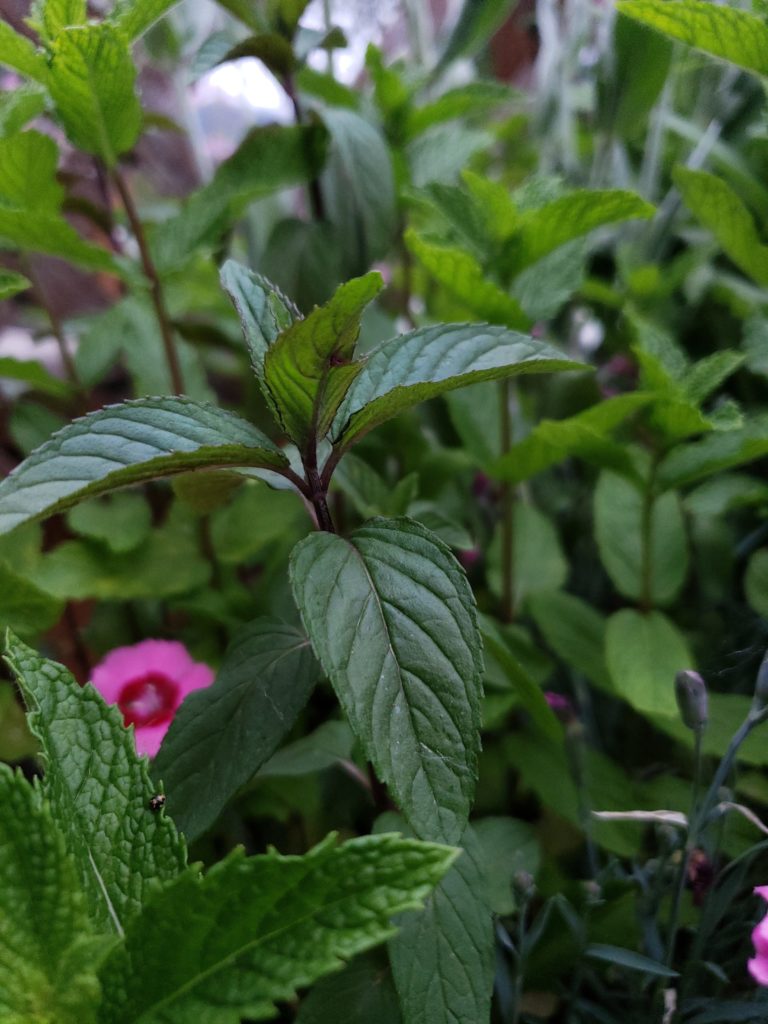

The dream of stepping outside to harvest fresh herbs for your afternoon tea is completely achievable, even if you’re working with limited space. Growing your own herbal tea garden gives you control over pesticide exposure, lets you experiment with rare varieties your grocery store never stocks, and provides a rewarding ritual that connects you to the seasons. Whether you have a sprawling backyard or just a sunny windowsill, you can cultivate a productive tea garden that supplies you with fresh cups year-round.
How to Plant and Grow Your Herbal Tea Garden
Building a tea garden is straightforward and forgiving. Most herbal tea plants are hardy, drought-tolerant once established, and actually prefer being harvested regularly.
What You Will Need
- Herb seedlings or seeds (chamomile, peppermint, lemon balm, sage, or lavender are ideal starters)
- Containers with drainage holes or raised garden bed (at least 12 inches deep)
- Quality potting soil or garden soil rich in organic matter
- Sunny location receiving 6+ hours of direct sunlight daily
- Watering can or drip irrigation system
- Mulch (straw or compost) to retain soil moisture
Steps
Select Your Tea Herbs
Choose herbs known for culinary tea use rather than ornamental varieties. Chamomile produces calming flowers, peppermint offers refreshing leaves, lemon balm adds citrus notes, sage provides earthy depth, and lavender creates floral infusions. Start with 3-4 varieties to keep your garden manageable while still enjoying diverse flavors.
Prepare Your Growing Space
Find a location that receives at least 6 hours of direct sunlight daily. Fill your containers or beds with well-draining soil mixed with compost, creating a loose texture that allows roots to penetrate easily. Herbs despise waterlogged soil, so drainage is non-negotiable. Mound the soil slightly above container rims.
Plant Your Seedlings or Seeds
Space seedlings according to mature plant size, typically 12-18 inches apart for spreading varieties like mint. If starting from seed, follow packet depth instructions (most are shallow). Water gently after planting to settle soil around roots. Pat soil firmly but not compacted—air pockets matter.
Establish a Consistent Watering Schedule
Water deeply when the top inch of soil feels dry to touch. During establishment (first 2-3 weeks), this may mean daily watering. Once established, most tea herbs tolerate drier conditions but produce better with consistent moisture. Morning watering reduces disease risk and allows foliage to dry by evening.
Add Mulch for Moisture Retention
Spread a 2-3 inch layer of organic mulch around plants, keeping it 2 inches away from stems to prevent rot. Mulch moderates soil temperature, suppresses weeds, and breaks down to improve soil fertility over time. Refresh mulch annually as it decomposes.
Prune and Encourage Bushiness
Begin pinching off top growth once plants reach 6-8 inches tall. This removes the terminal growth tip and triggers branching, creating fuller, more productive plants. Continue pinching throughout the growing season, especially before flowering, to maximize leaf production and delay the flowering that concentrates energy away from leaves.
Harvest Leaves at Peak Flavor
Begin harvesting once plants have multiple sets of mature leaves, typically 6-8 weeks after planting. Pick leaves in early morning after dew dries but before midday heat—this is when essential oils are strongest. Harvest no more than one-third of the plant at once to maintain vigor and encourage regrowth.
Dry and Store Your Harvest
Tie harvested stems in small bundles and hang them upside down in a warm, dark, well-ventilated space for 1-2 weeks. Once completely dry and crispy, strip leaves from stems and store in airtight glass jars away from heat and light. Properly dried herbal tea keeps for 6-12 months.
- Mint spreads aggressively underground via runners—always contain it in its own pot or use a physical barrier to prevent it from overtaking neighboring plants.
- Deadhead flowers immediately on non-flowering herbs like mint and lemon balm to redirect energy into leaf production rather than seed development.
- Harvest heavily in mid-summer before plants exhaust themselves in heat; they’ll often regrow for a second flush in cool fall weather.
What to Look For in Herbal Tea Garden Supplies
- Container Drainage: Drainage holes are essential to prevent root rot, which is the primary killer of potted herbs. Look for containers with multiple holes in the bottom and sides, and use pot feet or risers to elevate containers above standing water.
- Soil Composition: Herbal tea plants thrive in light, airy soil with good drainage. Quality potting mixes designed for vegetables or herbs typically include perlite, coconut coir, and peat to maintain this structure better than dense garden soil.
- Sunlight Access: Herbs concentrate essential oils—the compounds that flavor and scent tea—through photosynthesis. Full sun (6+ hours) directly impacts flavor intensity, so location is more important than any purchased product.
- Seedling Quality: Purchase transplants from reputable nurseries rather than generic big-box stores. Healthy seedlings are compact, green, and free of leggy growth or pest damage, giving you a successful start.
Gardman 7-Piece Stainless Steel Garden Tool Set
Best for: Planting and maintaining your tea garden
This comprehensive set includes a spade, shovel, fork, and trowel in stainless steel with ergonomic handles. Stainless steel resists rust and corrosion, ensuring your tools last through seasons of planting, weeding, and harvesting. The comfortable grip handles reduce hand fatigue during garden work, and the variety of tools covers every task from preparing beds to harvesting mature plants efficiently.
Check Current Price on Amazon →Miracle-Gro Indoor Potting Mix (6 quart bag)
Best for: Container gardening with herbs
Specially formulated for indoor containers, this potting mix combines peat moss, perlite, and plant food to create ideal growing conditions for herbs. The perlite promotes drainage while retaining moisture, preventing the waterlogging that kills tea plants. A single bag fills approximately four 12-inch containers, making it economical for starting a multi-herb tea garden collection.
Check Current Price on Amazon →Terra Cotta Pot Set (12-inch, pack of 3)
Best for: Growing multiple tea herbs separately
Terra cotta is the ideal material for herb gardening because it breathes, allowing soil to dry slightly between waterings and preventing root rot. These classic 12-inch pots accommodate individual plants like chamomile or sage and include drainage holes. The natural aesthetic suits outdoor patios and sunny windowsills, and terra cotta is affordable enough to buy multiple pots.
Check Current Price on Amazon →AquaGlobal Watering Wand with Mister Nozzle
Best for: Precise watering of individual plants
This lightweight wand extends your reach to elevated containers and hanging planters without bending excessively. The adjustable mister nozzle delivers gentle rain-like spray that settles soil without compacting it, ideal for delicate seedlings and newly planted herbs. The long handle and ball valve control make watering efficient and reduce spillage around potted plants.
Check Current Price on Amazon →Growing Your Own Tea Garden
Creating an herbal tea garden transforms a simple hobby into a daily ritual that connects you to the plants you nurture. The process is forgiving enough for beginners—most tea herbs are hardy, pest-resistant, and reward consistent care with abundant harvests. Whether you start with established plants for immediate gratification or seeds for economy, you’ll be harvesting fresh tea within weeks. The financial payoff is substantial: a single plant produces the equivalent of dozens of grocery store tea boxes over a season.
Your tea garden becomes more rewarding each year as plants mature and your blending confidence grows. You’ll discover which flavor combinations suit your palate, experiment with rare varieties unavailable commercially, and enjoy the satisfaction of transforming your own harvest into a comforting cup. Begin with three to four reliable herbs like chamomile, peppermint, and lemon balm, master their care, then expand your collection as space and interest allow. Your investment in basic tools, quality soil, and containers pays dividends in flavor, freshness, and the simple pleasure of going outside to harvest what you’ll drink within hours.
Frequently Asked Questions
Can I grow herbal tea plants indoors under grow lights?
Yes, herbal tea plants can thrive under full-spectrum LED grow lights positioned 6-12 inches above foliage. They require 14-16 hours of light daily indoors, so use a timer to maintain consistent photoperiods. Indoor growing requires slightly more attention to watering since containers dry faster under lights.
Which tea herbs are perennial and come back year after year?
Sage, lemon balm, lavender, and mint are hardy perennials in most climates (zones 4-10). Chamomile and stevia are typically grown as annuals. Check your hardiness zone and mulch perennials heavily in fall for winter protection in cold climates.
How long does it take to harvest enough tea for a cup?
A single established plant produces 1-2 cups of fresh tea per harvest. Dried tea requires more leaves—typically 2-3 tablespoons of dried leaves per cup. Once plants reach full size (8-12 weeks), you can harvest weekly and have a continuous supply.
Should I fertilize my herbal tea plants?
Herbal tea plants are light feeders and rarely need fertilizer if planted in quality soil rich in compost. If growth slows mid-season, apply a diluted balanced fertilizer (10-10-10) monthly. Avoid high-nitrogen fertilizers, which promote leaf growth at the expense of flavor compounds.
Can I blend different dried herbs to create custom tea blends?
Absolutely—this is the joy of growing your own tea garden. Complementary combinations include chamomile with lavender for relaxation, peppermint with lemon balm for digestive support, or sage with lavender for a savory herbal blend. Store custom blends in airtight containers and use within 6 months for peak flavor.
As an Amazon Associate, Build & Bloom earns from qualifying purchases. We only recommend products we genuinely think are useful. Prices and availability vary; check Amazon for the latest.
Leave a Reply