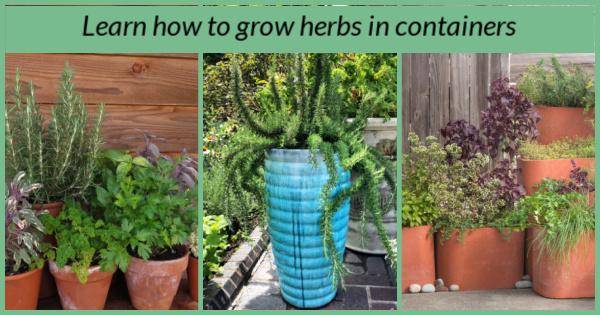

If you’ve ever wanted fresh herbs at your fingertips without maintaining a sprawling garden bed, container gardening is your answer. Whether you live in an apartment, have limited yard space, or simply want herbs closer to your kitchen, growing herbs in pots is one of the easiest ways to ensure you always have fresh seasoning just steps away. The good news: it’s simpler than you think, and even beginners can succeed with the right setup and a few basic techniques.
How to Grow Herbs in Containers Step-by-Step
Container herb gardening works because you control every variable: soil quality, drainage, sunlight, and water. Follow these steps to create a thriving herb collection.
What You Will Need
- Containers with drainage holes (6-12 inches deep depending on herb type)
- Quality potting soil or potting mix (not garden soil)
- Herb seeds or seedlings from a nursery
- A sunny location with at least 6 hours of direct sunlight daily
- A watering can or spray bottle for consistent moisture
- Optional: small gardening stakes or labels to identify herbs
Steps
Select and Prepare Your Containers
Choose pots with drainage holes in the bottom to prevent waterlogging and root rot. Clean used containers with water or a mild bleach solution if reusing old pots. Size matters: smaller herbs like thyme need 6-8 inch pots, while basil and parsley do well in 8-10 inch containers. Larger herbs can go in 12-inch pots.
Fill with Quality Potting Soil
Pour potting soil into your containers until about three-quarters full. Press gently but don’t compact the soil too much, as herbs need good air circulation around their roots. Moisten the soil lightly before planting. Avoid using garden soil or topsoil, which retains too much moisture and can introduce disease.
Plant Seeds or Transplants
If starting from seeds, plant at the depth indicated on the seed packet and water gently. If using seedlings, dig a small hole, carefully remove the plant from its nursery pot, and place it in the container at the same depth it was originally planted. Firm the soil around the plant and water thoroughly.
Position in a Sunny Location
Place containers in a spot that receives at least 6 hours of direct sunlight per day. A south or west-facing windowsill works great indoors; a sunny patio or deck is ideal outdoors. Herbs are sun-hungry plants, and insufficient light leads to weak, leggy growth and poor flavor development.
Water Consistently and Appropriately
Check soil moisture daily by inserting your finger about an inch deep. Water when the top inch feels dry, but don’t let the soil become soggy. In hot weather, this may mean daily watering. In cooler seasons, you may water every 2-3 days. The goal is moist but not waterlogged soil.
Harvest Regularly and Pinch Back Growth
Begin harvesting leaves once the plant has at least 6-8 leaves. Pinch off the top growing tip to encourage bushier, fuller plants rather than tall, spindly ones. Regular harvesting also promotes new growth and extends the plant’s productive life. Never remove more than one-third of the plant at a time.
Monitor for Pests and Disease
Check undersides of leaves weekly for pests like spider mites or aphids. Container herbs are generally less prone to problems than ground plants, but good air circulation helps prevent fungal issues. Remove any yellowing or diseased leaves promptly, and ensure pots aren’t crowded together.
- Group herbs by water needs: thyme and oregano prefer drier conditions, while basil and parsley like consistent moisture. Plant similar herbs together to simplify watering schedules.
- In winter or low-light conditions, rotate containers weekly to prevent plants from leaning toward the light and growing unevenly.
- Feed container herbs every 3-4 weeks with a balanced, diluted fertilizer since potting soil lacks the nutrients found in garden beds and gets depleted faster.
What to Look For in Container Gardening Supplies
- Container Material and Drainage: Look for pots made from terracotta, ceramic, plastic, or fabric. Terracotta is breathable but heavy; plastic is lightweight and affordable; fabric pots offer excellent drainage. Regardless of material, drainage holes are non-negotiable to prevent root rot and fungal problems.
- Soil Quality and Composition: Choose a potting mix formulated for containers, not garden soil. Good mixes contain peat moss or coco coir, perlite or vermiculite for drainage, and compost for nutrients. Avoid heavy mixes that compact; herbs thrive in light, airy soil that drains well.
- Pot Size and Depth: Shallow-rooted herbs like thyme need 6-8 inches; medium herbs like parsley need 8-10 inches; larger herbs like basil benefit from 10-12 inches. Oversizing wastes soil and can lead to overwatering. Match pot depth to your herb type for best results.
- Fertilizer Type for Container Plants: Container herbs need supplemental feeding since potting soil nutrients leach away with regular watering. Look for balanced fertilizers like 10-10-10 or 5-5-5, or choose slow-release pellets that feed over time. Dilute liquid fertilizers to half strength when applying to avoid burning roots.
Miracle-Gro Indoor Potting Mix
Best for: Any herb gardener needing reliable potting soil
This lightweight potting mix is specifically formulated for container plants and contains coconut coir, peat moss, and perlite for optimal drainage and aeration. It’s pre-moistened for easier mixing and feeds plants for up to 3 months with included nutrients. Available in multiple sizes from small bags to bulk options, it’s trusted by both beginners and experienced gardeners for consistent results with herbs, vegetables, and houseplants.
Check Current Price on Amazon →Espoma Organic Potting Soil
Best for: Budget-conscious gardeners wanting organic options
Made from natural and organic materials including sphagnum peat moss, perlite, and compost, this potting soil supports healthy herb growth without synthetic chemicals. It retains moisture well while still providing good drainage, and contains mycorrhizae to enhance root development. A great value option that doesn’t compromise on quality, perfect for those starting multiple herb containers.
Check Current Price on Amazon →Bloem Dura Cotta Planter 6 Inch
Best for: New gardeners wanting durable, attractive containers
These attractive terra cotta-colored plastic pots combine the aesthetic of traditional terracotta with the durability and lightweight benefits of plastic. They include drainage holes and a saucer to catch excess water, protecting surfaces while allowing herbs to drain properly. Available in multiple sizes and colors, they’re virtually unbreakable, affordable, and perfect for windowsill herb gardens or outdoor patios.
Check Current Price on Amazon →Root Pouch Fabric Pot 3 Gallon
Best for: Serious gardeners wanting superior drainage and root health
Made from recycled plastic fabric, these breathable pots provide exceptional air circulation and drainage, naturally preventing root circling and promoting healthier root systems. Available in multiple sizes and colors with reinforced handles, they’re lightweight yet durable and can be reused for years. While more expensive than plastic or terracotta, the investment pays off in vigorous, healthy herb plants.
Check Current Price on Amazon →Start Your Container Herb Garden Today
Growing herbs in containers is one of the most rewarding and practical gardening projects you can undertake. Whether you’re an experienced gardener expanding your growing space or a complete beginner testing the waters, container herbs offer quick wins, beautiful foliage, and fresh flavors within weeks. The low barrier to entry, combined with minimal space and maintenance requirements, makes this method perfect for anyone who wants fresh herbs without the commitment of a traditional garden bed.
Start small with 2-3 of your favorite herbs, invest in quality potting soil and proper drainage, and place your containers in a sunny spot. Follow the steps and tips outlined above, and you’ll soon be harvesting homegrown basil for pasta, oregano for pizza, and parsley for countless dishes. The best part? Once you succeed with your first container herbs, you’ll likely find yourself expanding your collection and experimenting with new varieties. Your kitchen and your taste buds will thank you.
Frequently Asked Questions
Can I grow herbs indoors under artificial light?
Yes, absolutely. Herbs can grow indoors under grow lights if natural sunlight isn’t available. Position LED grow lights 6-12 inches above plants and provide 12-16 hours of light daily. Basil, parsley, and chives do particularly well under artificial light, though they may grow slower than sun-grown plants.
How often should I water container herbs?
Check soil moisture daily by inserting your finger about one inch deep. Water when the top inch feels dry, which typically means every 1-3 days depending on temperature, humidity, and container size. In hot weather, daily watering may be necessary; in cooler seasons, every 2-3 days is common. Always err on the side of slightly dry rather than soggy.
What herbs grow best in containers?
Most culinary herbs thrive in containers. Basil, parsley, thyme, oregano, cilantro, chives, mint, and rosemary are excellent choices. Basil and cilantro prefer more water; thyme and oregano like drier conditions. Mint grows vigorously and should be contained separately to prevent it from overtaking other herbs.
Can I keep container herbs outside year-round?
This depends on your climate zone. Tender annuals like basil and cilantro die in frost and should be brought inside or replanted in spring. Perennial herbs like thyme, oregano, and rosemary survive winters in cold climates but may need protection. In mild climates, most herbs can stay outside year-round with minimal care.
Do I need to repot container herbs, and how often?
After 1-2 years, herbs benefit from repotting with fresh potting soil, as nutrients become depleted and roots may become cramped. If a plant shows significant growth or roots emerging from drainage holes, move it up one pot size. For herbs you harvest regularly, annual repotting or refreshing the top layer of soil keeps plants vigorous.
As an Amazon Associate, Build & Bloom earns from qualifying purchases. We only recommend products we genuinely think are useful. Prices and availability vary; check Amazon for the latest.
Leave a Reply