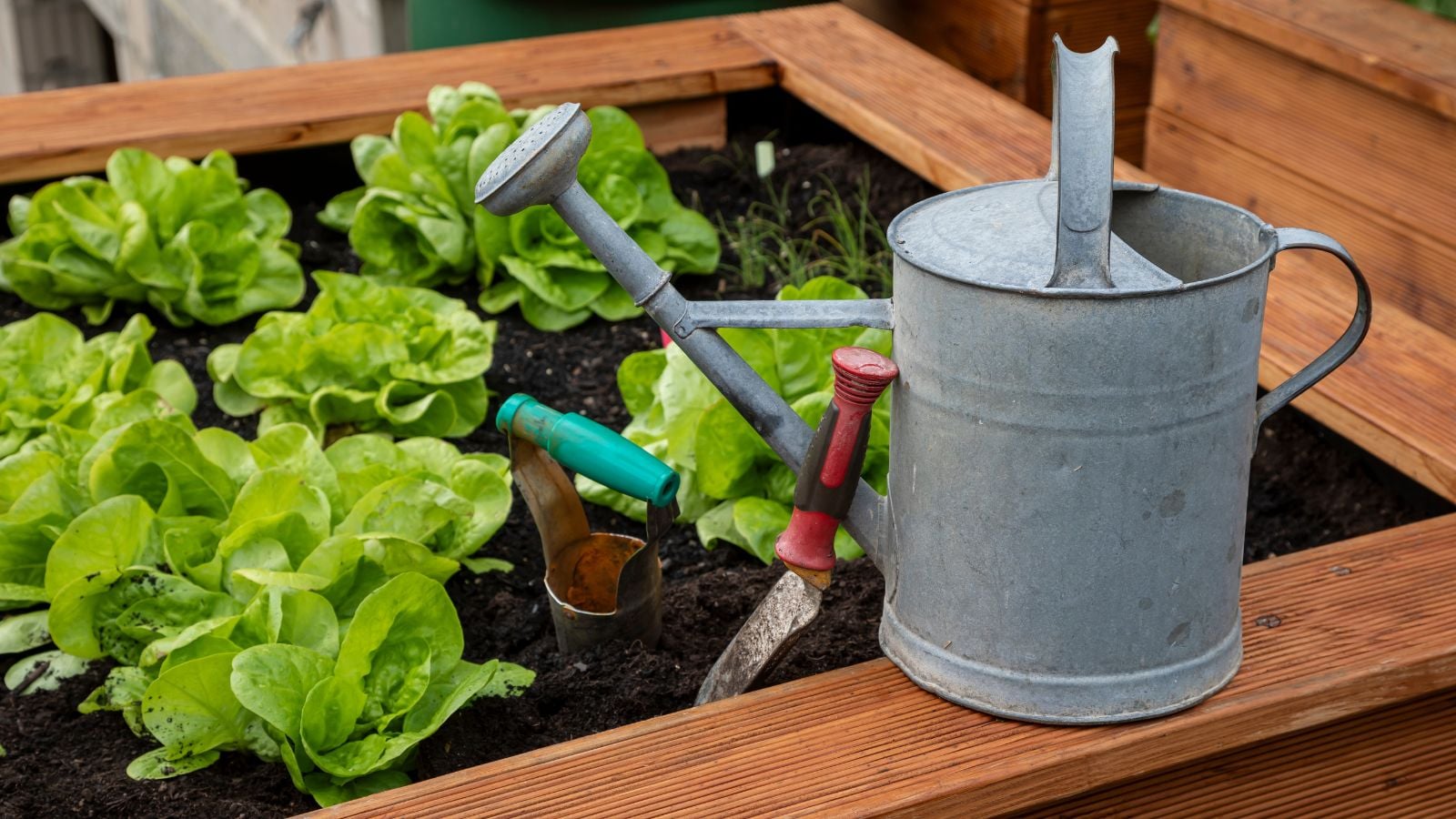

The idea of growing your own food sounds appealing until you stare at an empty patch of yard wondering where to even begin. Should you dig a garden bed? Buy containers? Plant seeds or seedlings? Between soil prep, sunlight requirements, and pest management, it feels overwhelming. But starting a food garden doesn’t require years of experience or perfect conditions—just a clear plan and the right fundamentals. This guide walks you through the exact steps to plant your first summer harvest.
5 Steps to Starting Your First Food Garden This Summer
Whether you have a backyard, patio, or just a sunny windowsill, you can grow food. Follow these steps to go from beginner to harvesting in weeks.
What You Will Need
- A sunny location with at least 6-8 hours of direct sunlight daily
- Soil or potting mix (store-bought or homemade compost blend)
- Seeds or seedlings appropriate for your climate zone
- Containers (pots, buckets, or raised bed materials) or prepared garden bed
- Watering can, hose, or drip irrigation system
- Basic hand tools (spade, trowel, rake)
Steps
Choose and Prepare Your Growing Space
Scout your property for the sunniest spot available—ideally south-facing in Northern climates. Mark out your area, removing grass and weeds by digging down 6-8 inches or laying cardboard as a barrier. Mix in 2-3 inches of compost or high-quality soil to enrich the existing earth. For containers, fill clean pots with fresh potting mix, leaving 1 inch of space at the rim.
Select Beginner-Friendly Crops
Start with vegetables and herbs that tolerate inconsistent care and mature quickly. Tomatoes, lettuce, spinach, zucchini, herbs (basil, parsley, cilantro), and snap peas all thrive in summer heat and produce within 6-10 weeks. Avoid temperamental crops like cauliflower or fennel in your first season. Choose seedlings over seeds if you’re short on time—they’re ready to harvest 4-6 weeks earlier.
Plant with Proper Spacing and Depth
Follow the spacing guidelines on seed packets or seedling labels. Plant seeds at a depth equal to 2-3 times their diameter; place seedlings at the same soil level they were grown at. Space tomatoes 24-36 inches apart, lettuce 6-12 inches, and herbs 8-12 inches. Gently firm soil around plants and water immediately after planting until the soil is moist 2 inches deep.
Establish a Consistent Watering Schedule
Water deeply in early morning to reduce evaporation and disease. Most vegetables need 1-2 inches of water per week, delivered in one or two sessions rather than daily sprinkles. Stick your finger 2 inches into the soil—if it feels dry, water. If moist, wait another day. Container plants dry faster than ground beds and may need daily watering in hot weather. Use a soaker hose or drip line to water at soil level, not foliage.
Monitor Growth and Address Problems Early
Check plants every 2-3 days for yellowing leaves, wilting, pest damage, or nutrient deficiencies. Pinch off yellowed lower leaves and remove any obviously diseased stems. Scout for insects like aphids or hornworms and remove by hand or spray with organic neem oil. Fertilize container plants every 2-3 weeks with balanced vegetable fertilizer; ground beds need fertilizing only if plants show stunted growth.
Harvest Regularly to Encourage Production
Pick tomatoes when they shift color (they’ll finish ripening on the counter if needed). Harvest lettuce leaves from the outside in, allowing the center to keep growing. Pinch herbs frequently to promote bushier plants. Remove zucchini when 6-8 inches long—oversized fruit signals the plant to stop producing. Regular harvesting tricks the plant into making more fruit, extending your season.
- Start with 4-6 plants rather than 20—you’ll stay consistent with care and actually eat what you grow. Success breeds confidence and expansion.
- Plant in succession every 2-3 weeks (especially lettuce, spinach, and beans) for continuous harvests instead of one overwhelming glut.
- Group plants by water needs: tomatoes and zucchini prefer drier soil between waterings, while lettuce and spinach want consistently moist conditions.
What to Look For in Garden Starting Supplies
- Soil and Potting Mix Quality: Choose sterile, disease-free potting mix for containers (not garden soil, which compacts). For ground beds, look for compost with dark color, earthy smell, and visible breakdown of organic matter—avoid anything with weed seeds or ammonia odor.
- Container Drainage: Every pot or raised bed must have drainage holes to prevent root rot. Look for containers at least 8-12 inches deep for herbs and lettuce, 18-24 inches for tomatoes and peppers. Avoid decorative pots without drainage unless you’re using them as cache pots over draining containers.
- Tool Durability and Comfort: Hand tools should have solid connections between handle and head with no loose rivets. Ergonomic handles with rubberized grips reduce hand fatigue during digging. Stainless steel or coated carbon steel resists rust. Lightweight tools (under 2 lbs) reduce strain during extended use.
- Watering System Efficiency: Drip irrigation and soaker hoses deliver 90% of water to roots (vs. 60% for overhead watering). Timers add convenience but are optional for beginners. Choose systems with adjustable flow rates and compatible connectors to your water source.
Burpee Organic Potting Mix (20 Qt Bag)
Best for: Container gardeners and raised bed builders
This professionally formulated potting mix combines sphagnum peat moss, perlite, and compost to provide excellent drainage while retaining moisture for consistent plant growth. OMRI-certified organic, it contains no synthetic fertilizers, making it ideal for food gardens. The 20-quart size fills multiple containers or tops off raised beds. Gardeners report stronger seedling establishment and healthier mature plants compared to budget alternatives. Light weight makes it manageable for patio gardeners.
Check Current Price on Amazon →Gardena Watering Wand with Adjustable Spray
Best for: First-time gardeners wanting controlled watering
This lightweight wand extends your reach while the adjustable spray head lets you switch from mist to soaking stream with one finger. The 18-inch length reduces bending, and the non-slip grip stays comfortable during longer watering sessions. Works with standard hose connections and eliminates guesswork about water pressure—perfect for delicate seedlings and mature plants alike. Its durability means it outlasts cheaper alternatives by years.
Check Current Price on Amazon →Vivosun Drip Irrigation Kit (100 Feet)
Best for: Gardeners wanting hands-off watering
This complete drip system includes 100 feet of tubing, adjustable drippers, timer connector, and fittings—everything needed to water multiple containers or beds automatically. The timer-ready design lets you add a simple battery-operated timer for even more convenience. Reduces water usage by 50% compared to hand watering while keeping foliage dry (reducing disease). Installation takes 30 minutes with no tools required. One user reports saving three hours per week on watering chores.
Check Current Price on Amazon →Corona Carbotec Trowel
Best for: Budget-conscious gardeners needing a reliable digging tool
Corona’s trowel features a reinforced one-piece stainless steel head bonded to an ergonomic handle, eliminating the loose connection issues of cheaper alternatives. The narrow blade cuts through hard soil and compacted edges, while the flat back scrapes away weeds. At under 1.5 pounds, it won’t tire your wrist during extended planting sessions. This single tool has earned decades of trust among professional and home gardeners alike.
Check Current Price on Amazon →Bloem Modular Deck Planter (17.5 x 17.5 Inches)
Best for: Patio and balcony gardeners with limited space
This lightweight composite planter doesn’t crack or fade, combining durability with low weight—crucial for balcony and deck gardeners. The 17.5-inch size fits tomatoes, multiple herbs, or a lettuce succession planting. Integrated drainage holes and saucers prevent water damage to decks. The neutral taupe color blends with any decor. Stackable design lets you expand vertically when you gain confidence.
Check Current Price on Amazon →Fiskars Bypass Garden Pruner (8 Inch)
Best for: Frequent harvesting and plant maintenance
Whether harvesting tomato branches, deadheading herbs, or removing diseased leaves, this pruner handles it all with one hand. The bypass blade design (like scissors) makes clean cuts that promote healing, while the safety lock prevents accidental opening in storage. At 8 inches, it’s compact enough for a cargo pocket. The anti-slip grip and low cutting force (important for repetitive harvesting) make it comfortable during long sessions.
Check Current Price on Amazon →Espoma Organic Tomato Vegetable Fertilizer (5 lb Bag)
Best for: Gardeners wanting organic nutrient boost mid-season
This granular fertilizer is formulated specifically for fruiting vegetables with added mycorrhizae that boost nutrient uptake. The 5-3-4 NPK ratio supports fruit development without excessive nitrogen that would create leafy plants with few tomatoes. Simply sprinkle around the soil base every 3-4 weeks once plants flower. Certified organic and OMRI-approved, it won’t harm beneficial soil organisms. One bag covers approximately 150 square feet.
Check Current Price on Amazon →Raised Garden Bed Kit by Frame It All (4x8x12 Inches, Composite)
Best for: Gardeners wanting permanent infrastructure
This composite raised bed won’t rot, warp, or attract termites like wood alternatives, offering 20+ years of durability. The 4×8-foot footprint accommodates 15-20 plants or a full season’s rotation. Powder-coated aluminum corners resist corrosion and create rock-solid joints. Pre-cut sides assemble in 30 minutes with included hardware. The 12-inch depth suits most vegetable roots. While expensive upfront, the longevity justifies the investment for serious food gardeners.
Check Current Price on Amazon →You’re Ready to Grow
Growing your own food this summer doesn’t require a master gardener’s experience, perfect soil, or extensive space. It requires a clear plan, the right supplies, and the willingness to start small and learn as you go. Choose 4-6 beginner-friendly plants, prepare your soil or containers properly, establish a simple watering routine, and check on your plants every few days. Within 6-10 weeks, you’ll harvest your first tomato, lettuce, or zucchini—and that success will hook you into a lifetime of growing.
The magic of homegrown food isn’t just the flavor (though that’s revelatory). It’s watching a tiny seed or seedling transform into a productive plant you’ve nurtured with your own hands. It’s realizing you can feed yourself rather than always depending on stores. Start this week. Pick your spot, grab your supplies, plant something, and tend it faithfully. Your summer harvest is waiting.
Frequently Asked Questions
How much sunlight do vegetables really need?
Most food crops (tomatoes, peppers, zucchini, beans) need 6-8 hours of direct, unobstructed sunlight daily. Leafy greens (lettuce, spinach, kale) tolerate 4-6 hours and actually appreciate afternoon shade in hot climates. Herbs vary—basil loves full sun, but parsley and mint produce in partial shade.
Can I grow food in containers if I don’t have a yard?
Yes, absolutely. Containers on sunny patios, balconies, or windowsills work perfectly. Use pots at least 8-12 inches deep for herbs and greens, 18-24 inches for tomatoes and peppers. Container plants need more frequent watering (often daily in heat) and fertilizing every 2-3 weeks, but the harvest is real and satisfying.
What’s the easiest crop for a complete beginner?
Herbs (basil, parsley, cilantro) are nearly impossible to kill and produce within 4-6 weeks. Lettuce and spinach grow in any light level and mature in 6-8 weeks. Cherry tomatoes are more forgiving than large slicing varieties and produce abundantly from one plant.
Should I start with seeds or seedlings?
Seedlings are better for first-timers. They cost more upfront but transplants eliminate germination failure, give you a 4-6 week head start on harvest, and require less fussing. Once you succeed with transplants, try seeds (especially fast crops like lettuce and beans) the following season.
How do I know if my plants are getting enough water?
Stick your finger 2 inches into the soil—if it feels dry, water deeply until it drains from the bottom. If it feels moist, wait. Wilting leaves don’t always mean thirst (could be heat stress or root rot), so check soil first. Most overwatering happens from daily sprinkles; aim for deep waterings once or twice weekly.
As an Amazon Associate, Build & Bloom earns from qualifying purchases. We only recommend products we genuinely think are useful. Prices and availability vary; check Amazon for the latest.
Leave a Reply