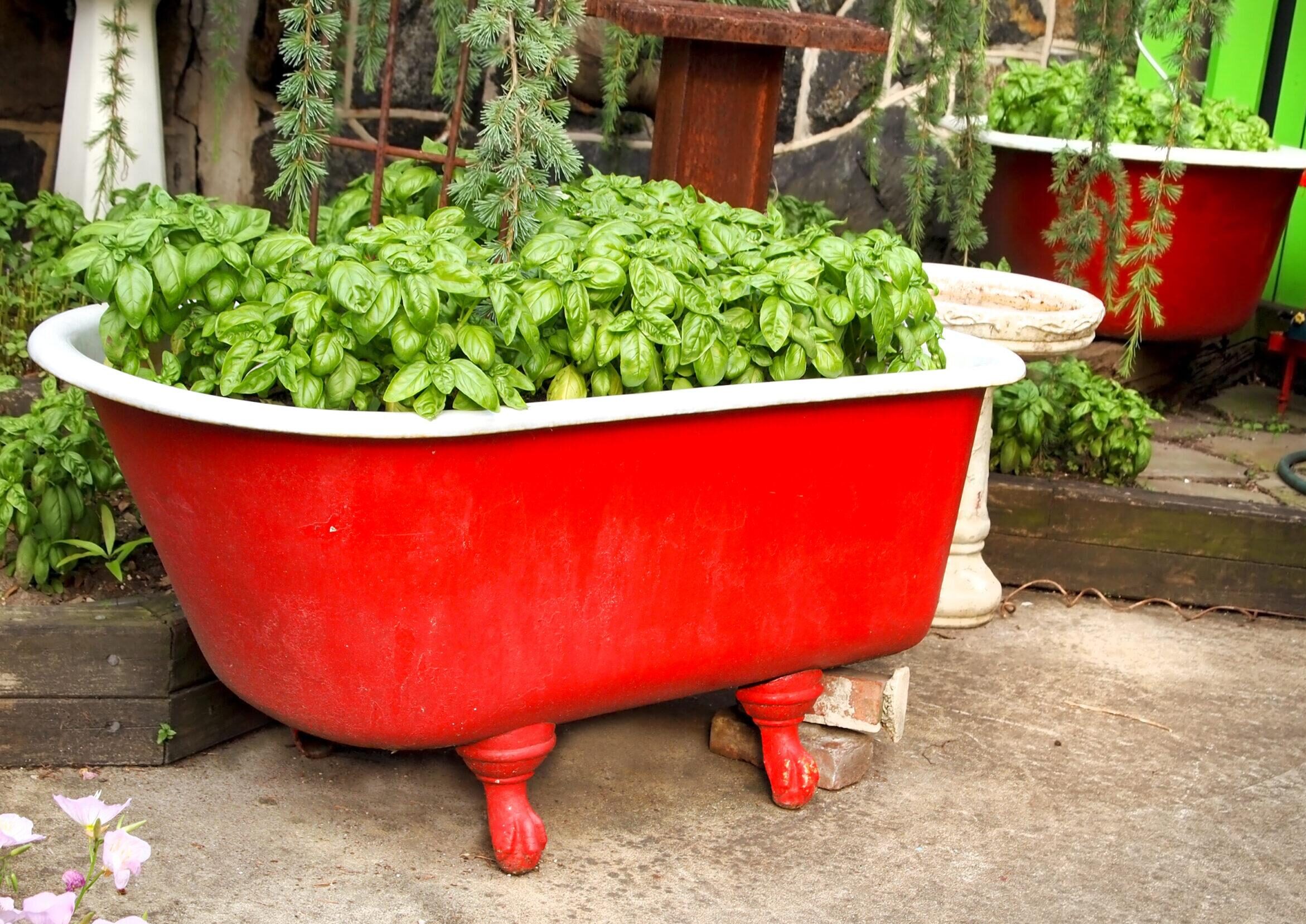

If you love cooking with fresh herbs but lack garden space, container gardening is your solution. Growing herbs in pots on a balcony, patio, or windowsill eliminates excuses and delivers fresh flavors year-round. Whether you have a sprawling backyard or a tiny apartment, this guide walks you through every step needed to create a thriving herb collection that costs far less than store-bought bundles.
How to Start Your Container Herb Garden
Container gardening for herbs is straightforward once you understand the essentials. Follow these steps to set up a productive herb garden that works in almost any space.
What You Will Need
- Containers with drainage holes (4-6 inches diameter minimum for most herbs)
- Quality potting soil or seed-starting mix
- Herb seeds or starter plants from a nursery
- Watering can or spray bottle
- Sunny location with at least 6 hours of direct sunlight daily
- Optional: small gardening labels or markers
Steps
Select the Right Containers
Choose containers with drainage holes to prevent root rot, as standing water is the leading cause of container herb failure. Containers should be at least 4-6 inches deep for most herbs, though larger is better if space allows. Terra cotta, plastic, and ceramic all work well; choose based on your aesthetic preference and climate. Terra cotta drains quickly and works best in humid areas, while plastic retains moisture longer and suits drier climates.
Fill Containers with Quality Soil
Use potting soil specifically formulated for containers, not garden soil, which compacts and restricts drainage. Fill containers to about an inch below the rim, leaving space for water to settle. Potting soil is lightweight and designed to stay aerated, creating the ideal growing medium for herb roots.
Plant Seeds or Transplants
If starting from seeds, follow packet instructions for depth and spacing. If using starter plants from a nursery, gently remove them from their original pots and plant at the same soil level. Water lightly after planting to settle the soil around the roots without creating waterlogged conditions.
Position for Maximum Sunlight
Place containers in a location that receives at least 6 hours of direct sunlight daily. South-facing windowsills and patios are ideal. If natural light is limited, supplement with grow lights positioned 6-8 inches above the plants. Most culinary herbs are sun-lovers and will become leggy and weak in insufficient light.
Establish a Watering Schedule
Water when the top inch of soil feels dry to the touch. The frequency depends on your climate, container size, and season, but most containerized herbs need water every 2-3 days in warm weather. Avoid overwatering; allow some drying between waterings to prevent fungal issues and root rot.
Fertilize Every 2-3 Weeks
Since container plants don’t have access to nutrient-rich soil below, apply a balanced liquid fertilizer every 2-3 weeks during the growing season. Follow product instructions carefully to avoid overfertilizing, which reduces flavor intensity in many herbs. Reduce fertilization in fall and winter when growth naturally slows.
Harvest Regularly for Bushier Growth
Begin harvesting once plants have at least 6-8 leaves. Pinch off leaves from the top to encourage branching rather than allowing plants to bolt and flower prematurely. Regular harvesting actually improves plant productivity and keeps herbs tender and flavorful for months.
- Group herbs with similar water needs together for easier maintenance and more efficient watering.
- Start with resilient varieties like basil, mint, parsley, and oregano if you’re new to container gardening; they tolerate beginner mistakes better than delicate herbs.
- In winter, move containers indoors to a sunny window or under grow lights to extend your harvest season and keep plants productive year-round.
What to Look For in Container Herb Gardening Equipment
- Drainage Quality: Drainage holes are non-negotiable for herb container success. Look for pots with multiple holes rather than a single center hole. Without proper drainage, even good soil will become waterlogged.
- Container Depth and Size: Most herbs need at least 4-6 inches of soil depth. Larger containers (8-12 inches) are preferable because they retain moisture longer, reducing watering frequency and stress on plants.
- Potting Soil Aeration: Premium potting mixes contain perlite or vermiculite to improve drainage and aeration. Avoid bagged soil that’s overly dense or compacted; it restricts root growth and increases disease risk.
- Light Availability: Assess your growing location’s natural light. If you have fewer than 6 hours of direct sun, invest in grow lights to prevent weak, stretched plants that produce little flavor.
Bloem Terra Cotta Pot with Saucer, 6-Inch
Best for: Container herb gardening beginners and experienced growers
Terra cotta is the gold standard for herb containers. This 6-inch pot features natural clay that breathes, regulating moisture and preventing overwatering issues. Includes a matching saucer to catch drainage and protect furniture. Terra cotta’s porous nature allows roots to access oxygen, creating healthier plants with stronger flavor. Works beautifully on patios, windowsills, and indoors near bright windows.
Check Current Price on Amazon →Greenstone Plastic Nursery Pots with Drainage, 5-Inch (Set of 10)
Best for: Budget-conscious growers and those starting multiple herbs
This 10-pack of lightweight plastic pots offers excellent value and convenience. Each pot includes drainage holes and costs pennies per container, making it perfect for starting an entire herb garden affordably. Plastic retains moisture longer than terra cotta, reducing watering frequency. Stackable design saves storage space, and the neutral color fits any decor. Ideal for renters or those hesitant to invest heavily in their first garden.
Check Current Price on Amazon →Espoma Organic Potting Mix, 8-Quart
Best for: First-time growers who need foolproof soil
This organic potting mix contains beneficial mycorrhizae fungi that help plants establish strong roots and absorb nutrients more efficiently. The blend includes sphagnum peat moss, perlite, and earthworm castings for optimal drainage and nutrition. Espoma’s formulation holds enough moisture to reduce watering errors while preventing waterlogging. Certified organic with no synthetic chemicals, making it safe for edible herbs consumed directly from the plant.
Check Current Price on Amazon →Pottery Barn Terra Cotta Planter with Drainage, 7-Inch
Best for: Design-conscious growers who prioritize aesthetics
Handcrafted in Portugal, this premium terra cotta planter combines function with timeless style. The larger 7-inch size accommodates more soil volume, reducing watering frequency and providing room for robust herb growth. The smooth finish and classic silhouette work indoors or on outdoor spaces. While more expensive, the durability and beauty justify the investment for long-term container gardening displays.
Check Current Price on Amazon →Start Your Container Herb Garden Today
Container herb gardening transforms how you cook, eat, and interact with plants. Within weeks of following these steps, you’ll pinch fresh basil into pasta, snip mint for tea, and harvest oregano that tastes infinitely better than dried supermarket versions. The setup is affordable, the maintenance is forgiving, and the rewards are immediate and delicious.
Whether you have a sprawling patio or a single sunny windowsill, container gardening makes fresh herbs accessible to everyone. Start today with one or two favorite herbs, master the fundamentals, and expand your collection as confidence grows. Your kitchen and your cooking will never be the same.
Frequently Asked Questions
Can I grow herbs indoors without a sunny windowsill?
Yes, absolutely. Use LED grow lights positioned 6-8 inches above plants, providing 12-16 hours of light daily. Many growers find indoor growing under lights produces more consistent harvests than outdoor gardening. Hydroponic systems with integrated lighting are another excellent option for low-light spaces.
How often should I water containerized herbs?
Check soil moisture by touching the top inch; water when it feels dry. This typically means every 2-3 days in warm weather and less frequently in cooler months. Rather than a strict schedule, feel the soil and respond to its needs. Overwatering kills more container herbs than underwatering.
Which herbs are easiest for beginners?
Basil, mint, parsley, oregano, and thyme are remarkably forgiving and grow quickly. These herbs tolerate inconsistent watering better than delicate varieties like cilantro or dill. Start with these, gain confidence, then experiment with more finicky species.
Can I grow multiple herbs in one large container?
Yes, if they have similar water and sunlight needs. Group Mediterranean herbs (rosemary, oregano, thyme) together in one pot. Keep moisture-loving herbs like basil and mint separate. Ensure the container is large enough that roots don’t compete excessively.
How long will one container herb plant produce?
Annual herbs like basil live 4-6 months before declining. Perennial herbs like oregano and thyme produce for years with proper care. Replace annuals seasonally or grow new plants in succession to maintain constant fresh supply.
As an Amazon Associate, Build & Bloom earns from qualifying purchases. We only recommend products we genuinely think are useful. Prices and availability vary; check Amazon for the latest.
Leave a Reply