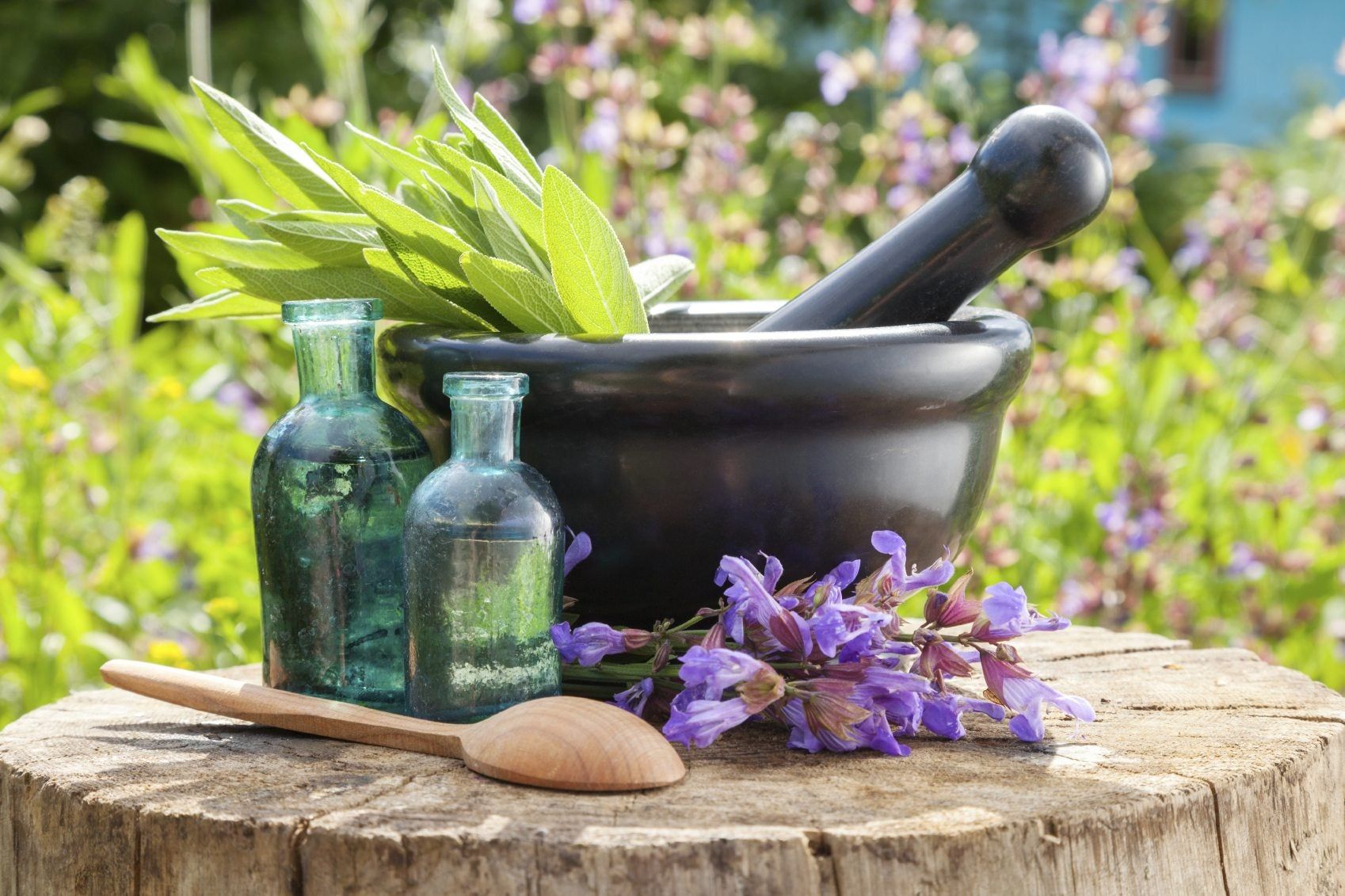

You’ve seen the Pinterest pins and read about growing your own healing herbs, but starting a medicinal garden feels overwhelming. Where do you actually begin? What herbs should you grow first? How do you keep them alive? This guide walks you through every step, from selecting the right herbs for your space to harvesting and using them. By the end, you’ll have a thriving medicinal garden that supplies your household with natural remedies.
How to Plant and Maintain a Medicinal Herb Garden
Creating a medicinal herb garden requires thoughtful plant selection, proper soil preparation, and consistent care. Follow these steps to establish a productive healing garden in your home.
What You Will Need
- Container pots or raised bed (minimum 12-18 inches deep for most medicinal herbs)
- Quality potting soil or garden soil mixed with compost
- Medicinal herb seedlings or seeds (echinacea, chamomile, mint, sage, lavender recommended for beginners)
- Watering can or drip irrigation system
- Garden trowel or hand shovel
- Mulch (wood chips or straw) to retain soil moisture
Steps
Select herbs suited to your climate and space
Research which medicinal herbs thrive in your USDA hardiness zone. Consider your available sunlight: most healing herbs need 6-8 hours of direct sun daily. Beginners should start with hardy, forgiving varieties like mint (grows anywhere), chamomile (cold-hardy annual), and sage (perennial in most zones). These establish quickly and have multiple uses, giving you early success and motivation to expand.
Choose a location and prepare the growing area
Select a spot that receives adequate sunlight and has good air circulation. If planting in containers, choose pots with drainage holes. If using a raised bed, position it on level ground. Prepare the soil by mixing equal parts garden soil and compost to ensure drainage while retaining nutrients. Fill containers or beds with this mixture, leaving 1-2 inches from the rim for watering.
Plant seedlings or seeds at appropriate spacing
If using seedlings (faster for beginners), dig holes slightly larger than each root ball and nestle plants at the same depth they were growing in their nursery pots. Space plants according to their mature size: mint and sage need 12-18 inches apart; smaller herbs like chamomile can be 8-12 inches apart. If direct seeding, follow packet instructions for depth and spacing, then thin seedlings once they emerge.
Water thoroughly and establish a consistent schedule
Water newly planted seedlings immediately after planting, soaking the soil until water drains from the bottom. Most medicinal herbs prefer moderately moist soil, not waterlogged. Water early morning to reduce disease risk. As plants establish (after 2-3 weeks), create a routine: container gardens typically need daily watering in warm weather, while in-ground gardens may need only 2-3 times weekly depending on rainfall and temperature.
Apply mulch to regulate moisture and suppress weeds
Add 2-3 inches of mulch around each plant, keeping it 2 inches away from stems to prevent rot. Mulch moderates soil temperature, reduces water evaporation, and prevents weed competition for nutrients. This step dramatically reduces maintenance burden and improves herb vigor, especially during hot summer months or in drier climates.
Fertilize monthly during the growing season
Once plants are established, apply a balanced, organic fertilizer monthly from spring through early fall. Use half-strength liquid fertilizer or a slow-release pellet product designed for herbs. Avoid over-fertilizing, which encourages excessive leaf growth at the expense of the medicinal compounds that make these herbs valuable. Container gardens need fertilizing more frequently than in-ground beds.
Harvest leaves regularly once plants mature
Begin harvesting when plants reach 6-8 inches tall, typically 6-8 weeks after planting. Pinch off the top 1-2 inches of stems and leaves, which encourages bushier growth and delays flowering. Regular harvesting increases the medicinal potency and extends the productive season. Harvest in the morning after dew dries but before the heat of day, when essential oils are most concentrated.
Dry and store harvested herbs for winter use
Tie fresh herb bundles with twine and hang them upside-down in a warm, dark, well-ventilated space until completely dry (7-14 days depending on humidity). Once fully dried and brittle, strip leaves from stems, store in airtight glass jars away from light and heat, and label with the herb name and date. Properly stored dried herbs retain potency for 6-12 months.
- Start with just 4-5 medicinal herbs rather than attempting 10-12. Success with a small garden builds knowledge and confidence for expansion next season.
- Mint grows so vigorously it will overtake other plants if not contained. Plant mint in its own separate container or use a plant barrier/pot buried in the soil to limit spread.
- Harvest in the morning when medicinal compounds are most concentrated, and always harvest no more than one-third of the plant at a time to maintain vigor and allow recovery.
What to Look For When Building Your Medicinal Herb Garden
- Container quality and drainage: Choose food-grade containers or terracotta pots with drainage holes. Avoid decorative pots without drainage, which cause root rot. Pot size should match the herb: mint and sage need 12+ inches, chamomile needs 8-10 inches. Dark containers retain more heat and moisture; light-colored containers suit hot climates.
- Soil composition: Select potting soil or garden soil that drains well while retaining moisture. Medicinal herbs prefer slightly acidic to neutral pH (6.0-7.0). High-quality soil enriched with compost provides nutrients without requiring heavy fertilization. Avoid soils with added fertilizers or water-absorbing polymers.
- Seedling quality and variety selection: Purchase robust seedlings from reputable nurseries with sturdy stems, healthy green foliage, and no visible disease or insect damage. Certified organic herb plants avoid systemic pesticides that interfere with medicinal use. Choose species proven to thrive in your hardiness zone for higher success rates.
- Watering infrastructure: Consistent moisture is crucial for medicinal herb quality. Invest in either a sturdy watering can for hand watering or a simple drip irrigation system for larger gardens. Drip systems reduce disease and conserve water. A moisture meter ($10-20) removes guesswork about when to water.
Gardening Know How Organic Potting Soil Mix (10 quart bag)
Best for: Starting a medicinal herb garden with proper drainage and nutrition
High-quality potting soil formulated with compost, peat moss, and perlite creates the ideal growing medium for medicinal herbs. This blend balances drainage with moisture retention, preventing both root rot and drought stress. The added organic matter and nutrients support healthy growth during the critical establishment phase. Perfect for filling containers or raised beds. One 10-quart bag covers approximately 25-30 small herb pots or can be mixed with garden soil for larger beds.
Check Current Price on Amazon →Bloem Milano Self-Watering Planter (12-inch diameter)
Best for: Beginner gardeners who struggle with watering consistency
This self-watering container features a built-in reservoir that gradually supplies moisture to herb roots over 7-10 days, eliminating daily watering stress. The 12-inch size accommodates mint, sage, or lavender perfectly. Water once weekly instead of daily, reducing the number-one reason new gardeners lose plants. Durable plastic construction resists cracking, and the neutral taupe finish complements any patio or kitchen garden aesthetic.
Check Current Price on Amazon →Terracotta Pot Set (3-pack, 8-inch, 10-inch, 12-inch)
Best for: Growing multiple medicinal herbs without excessive spending
Classic terracotta pots offer excellent breathability for medicinal herb roots and provide a traditional aesthetic. This three-pack provides graduated sizes perfect for chamomile, mint, and sage or echinacea. Terracotta’s porous nature naturally regulates moisture and prevents waterlogging. The warm reddish-brown color suits any garden style. Include drainage holes in the base. At approximately $8-12 per set, this is the most economical way to start a 3-herb container garden.
Check Current Price on Amazon →High Mowing Organic Medicinal Herb Seed Collection (6-pack)
Best for: Gardeners who want certified organic, heirloom medicinal herb seeds
This premium seed collection includes six varieties specifically selected for medicinal use: echinacea, chamomile, lemon balm, sage, thyme, and lavender. All seeds are certified organic and non-GMO with high germination rates. The included detailed growing guide tailored to medicinal herbs accelerates success. Starting from seed is more economical than buying seedlings and gives you control over plant development from day one. Each packet contains enough seeds to establish 10-15 plants.
Check Current Price on Amazon →Start Your Medicinal Herb Garden This Week
Growing your own medicinal herb garden is simpler than you think. By following these eight steps, you’ll have a productive garden supplying chamomile for calming tea, sage for sore throat rinses, and echinacea for immune support within two months. The key is choosing beginner-friendly herbs, providing adequate sunlight and well-draining soil, and establishing a consistent watering routine. Start small with four or five plants rather than overwhelming yourself, and you’ll build confidence and knowledge for expansion next season.
The investment is modest: quality potting soil, containers, and seedlings cost less than $50 to start. The reward is immeasurable: fresh, organic medicinal herbs grown exactly as you want them, without pesticides or shipping delays. Your household will enjoy better health, more connection to nature, and the deep satisfaction of growing your own medicine. Bookmark this guide, gather your supplies this week, and begin planting. By next month, you’ll be harvesting the first leaves from your new medicinal herb garden.
Frequently Asked Questions
Which medicinal herbs are easiest for absolute beginners?
Mint, chamomile, and sage are nearly impossible to kill and thrive in most climates. Mint grows vigorously in any soil, chamomile tolerates cold winters, and sage survives drought well. Start with these three, then expand to lavender, echinacea, and lemon balm once you build confidence.
Can I grow medicinal herbs indoors in winter?
Yes, most medicinal herbs tolerate indoor growing with a sunny south-facing window receiving at least 6 hours of direct sunlight daily. Alternatively, use a grow light system positioned 6-12 inches above plants for 14-16 hours daily. Indoor herbs typically grow slower and may be less potent than sun-grown varieties, but provide fresh harvests year-round.
How do I know when my medicinal herbs are ready to harvest?
Wait until plants reach 6-8 inches tall and have at least 3-4 sets of true leaves. For maximum medicinal potency, harvest in early morning after dew dries. Pinch off the top inch of growth, which encourages bushier plants and delays flowering. Never harvest more than one-third of the plant at one time.
Do medicinal herbs need special fertilizer, or can I use regular plant food?
A balanced organic fertilizer (10-10-10 NPK or similar) works fine for medicinal herbs. Use half-strength concentration to avoid over-stimulating leaf growth at the expense of beneficial compounds. Skip fertilizing during dormant seasons. Compost-rich soil reduces the need for additional fertilization entirely.
What should I do with my medicinal herbs at the end of the growing season?
Harvest abundantly in late summer, then dry herbs for winter use by hanging bundles upside-down in a warm, dark space until brittle. Store dried herbs in airtight glass jars away from heat and light. Perennials like sage and lavender can be pruned back and left to overwinter outdoors in cold climates, or brought indoors in pots if you live in harsh conditions.
As an Amazon Associate, Build & Bloom earns from qualifying purchases. We only recommend products we genuinely think are useful. Prices and availability vary; check Amazon for the latest.
Leave a Reply